Deploy high-precision temperature, humidity, atmospheric pressure, and indoor air quality (IAQ) network transmitters with PoE, WiFi, and LoRa capabilities.
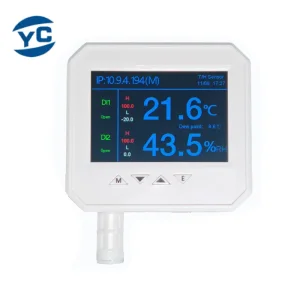
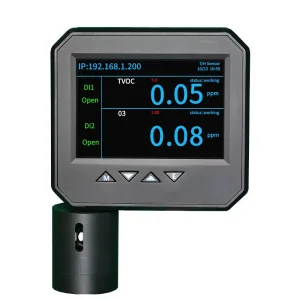
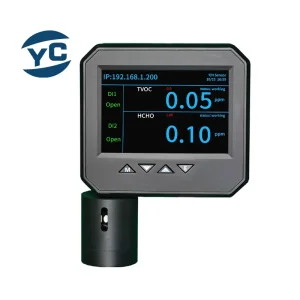
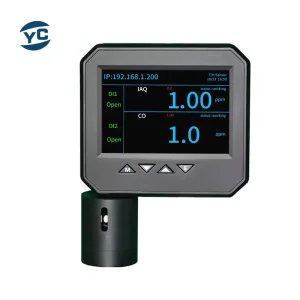
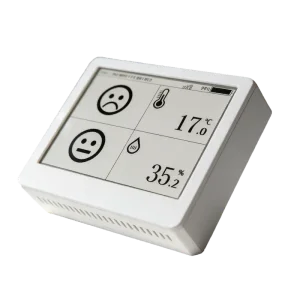
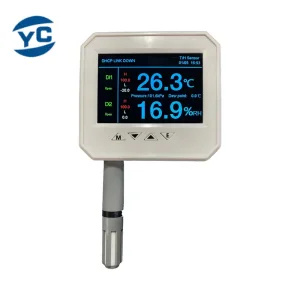
In the era of Industrial IoT (IIoT), digital temperature and humidity meters have evolved from simple hand-held instruments into highly integrated, multi-parameter environmental monitoring gateways. Global automation demands require environmental monitoring nodes to be online, accurate, and seamlessly compatible with local SCADA and building management systems (BMS).
Modern data centers and intelligent computing hubs operate with extremely high thermal profiles. Unmonitored humidity fluctuation can cause micro-condensation or static damage. High-precision Ethernet sensors integrated with SNMP protocol support (such as the APEM-5930 series) provide automated real-time environmental telemetry to prevent downtime.
GMP standards and pharmaceutical manufacturing regulations require strict cleanroom differential pressure, temperature, and humidity limits. Multi-parameter ethernet transmitters combining barometric pressure, dew point, and VOC detection ensure that compliance reporting is accurate and automated, eliminating manual data entry risks.
From dry-aging cells and grain storage facilities to vaccine cold chains, remote wireless tracking is vital. Deploying LoRaWAN and PoE-enabled sensors enables long-distance signal penetration and centralized network logging, ensuring optimal preservation and minimal product spoilages.
Beijing Yingchuanglihe Electronic Technology Co., Ltd. combines nearly two decades of environmental sensor innovation with robust OEM/ODM production processes.
As a leading digital temperature humidity meter manufacturer, we design our hardware to operate in challenging environments. The APEM product line balances structural resilience with high digital accuracy, offering diverse options for specialized deployments.
Our flagships, including the APEM-5930 and APEM-5930P, use Power over Ethernet (PoE) to combine power delivery and high-speed data transmission over a single RJ45 cable. This design simplifies cable management, lowers deployment costs, and improves reliability compared to standard power supplies.
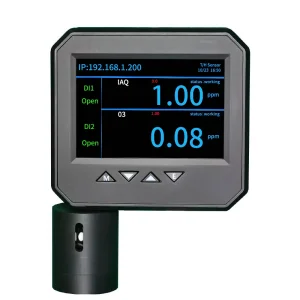
With environmental safety guidelines growing tighter, our multi-parameter transmitters integrate temperature, relative humidity, and dew point measurements along with volatile organic compounds (TVOC), Ozone (O₃), Carbon Monoxide (CO), Formaldehyde (HCHO), and differential atmospheric pressure sensors.
For applications where physical wiring is difficult, we offer wireless industrial transmitters like the APEM-5736 and APEM-5930W. Combining long transmission ranges, battery-optimized low-power modes, and dual-mode Ethernet/WiFi failovers, they ensure continuous operations in complex site environments.
Our dynamic catalog includes hardware, firmware, and software designed to integrate into complex telemetry loops:
We produce our digital temperature and humidity sensors in Beijing, drawing on China's deep industrial electronics supply chain. By managing our engineering, component sourcing, and assembly under one roof, we deliver high performance at competitive price points.
Located in a key tech hub, we source premium components quickly. This close access to material suppliers helps us keep production lines running smoothly and shorten delivery windows for high-volume orders.
Our in-house R&D department handles mechanical design, hardware layout, and custom firmware adjustments. We quickly adapt sensors to meet specific project needs and communication protocols.
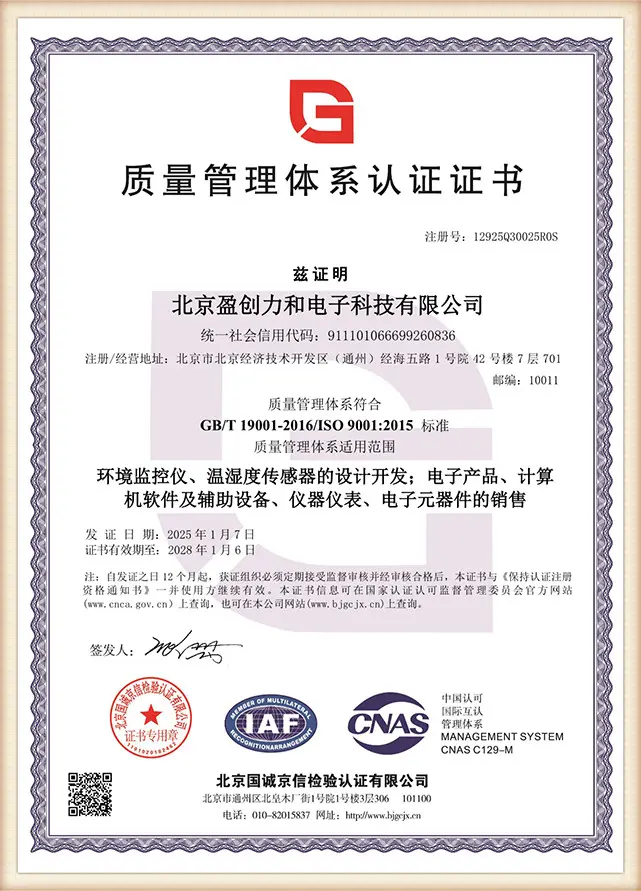
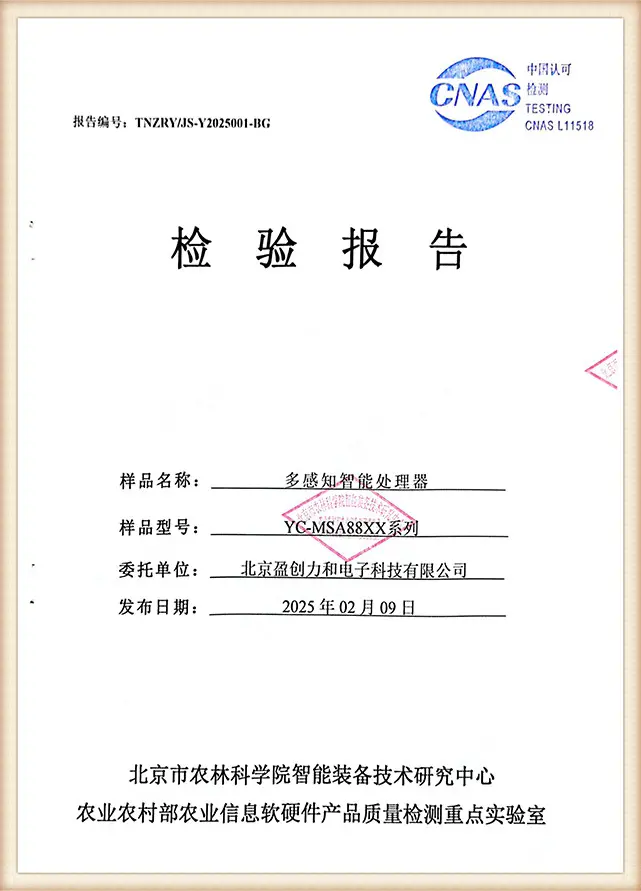
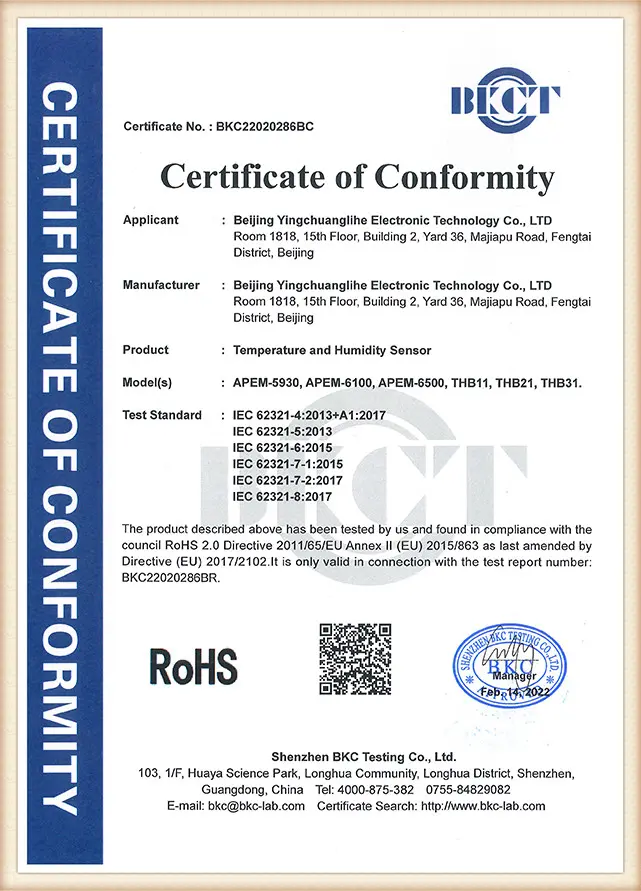
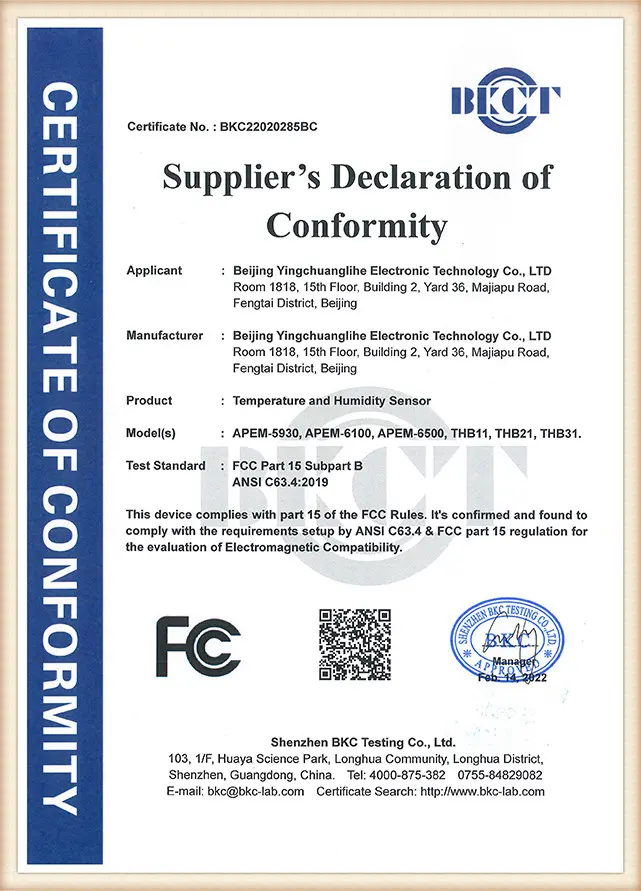
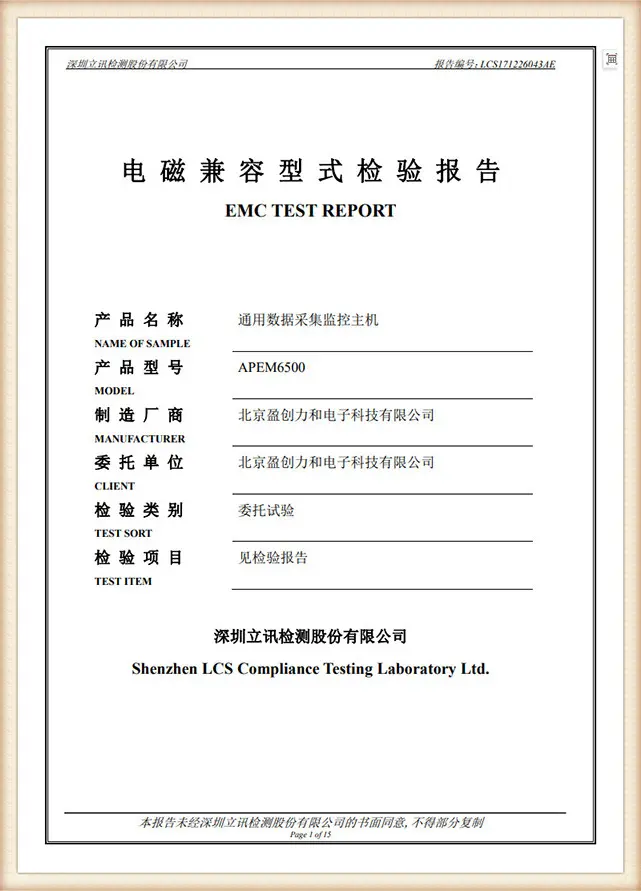
Every sensor is calibrated in our dedicated chambers to ensure accurate temperature and relative humidity readings. We track calibration certificates to confirm our devices meet CE, FCC, and RoHS standards before shipping.
Since 2007, Beijing Yingchuanglihe has developed innovative environmental monitoring hardware, shifting from local network nodes to integrated IoT smart systems.
Founded the company and launched our initial environmental monitoring software alongside our first TCP/IP intelligent monitoring terminals.
Collaborated with Mocha Software to launch the TH-5939 series of SNMP-compatible environmental sensors for data center network managers.
Partnered with Switzerland's COMLAB to develop the TH-5869 protective Ethernet sensor. The hardware was deployed along China's high-speed rail lines, including the Beijing-Kowloon and Beijing-Shanghai routes.
Cooperated with Founder Technology to launch the APEM-6100, one of our earliest environmental sensors with integrated Power over Ethernet (PoE).
Partnered with Foxconn to establish our sensors as a standard for cleanroom and production workshop environmental monitoring.
Cooperated with Baidu to deploy the next-generation APEM-5900 intelligent Ethernet terminals at Baidu's Yangquan Data Center, updating our platform to support multi-parameter tracking.
Launched our smart solutions division to support horizontal scale-out installations across commercial parks and smart facilities.
Introduced an integrated outdoor cabinet monitoring system, deployed in highway projects with Huawei and China Merchants Huaruan.
Contributed to autonomous driving tests in Beijing by designing and manufacturing outdoor edge computing gateways and integrated road test enclosures.
Supplied environmental monitoring infrastructure and technical support for large-scale intelligent computing centers.
Established joint business units with Beijing Enterprises Water Group and Beijing University of Civil Engineering and Architecture, focusing on Beidou-enabled deformation tracking, smart pipelines, and obtaining IDC business qualifications.
Different industrial environments require specific sensor features. Our designs match these practical requirements across several key applications.

PoE-powered transmitters feed data directly to Network Management Systems using SNMP, helping prevent server corrosion and hot spots.

Monitors pressure, temperature, and dew point in real time, helping labs maintain GMP compliance and prevent cross-contamination.

Heavy-duty, IP65-rated enclosures protect sensors from dust and electrical noise while transmitting data over RS485 Modbus RTU.



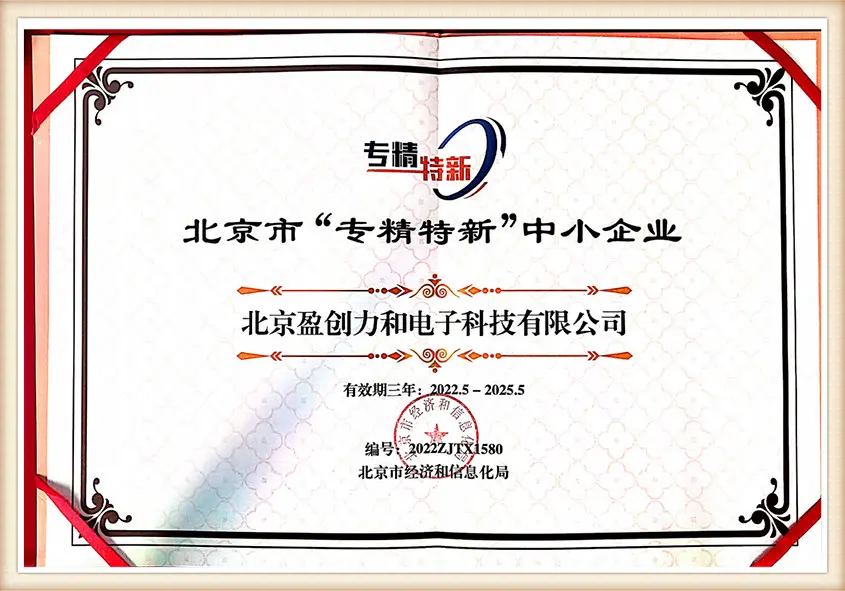
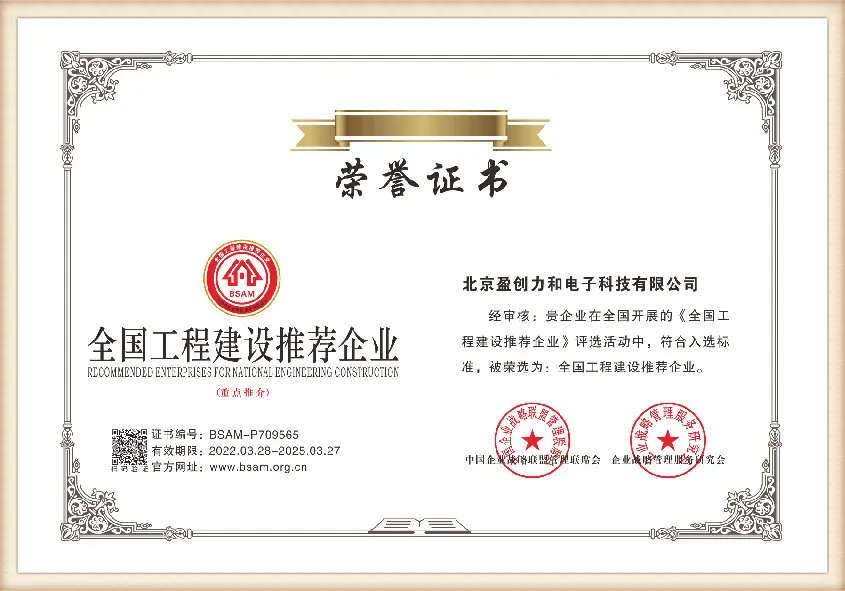
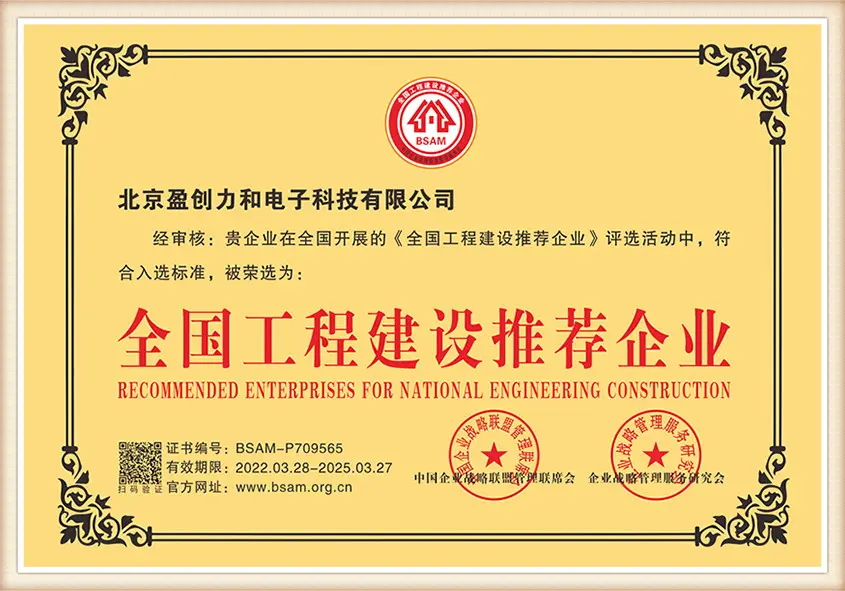
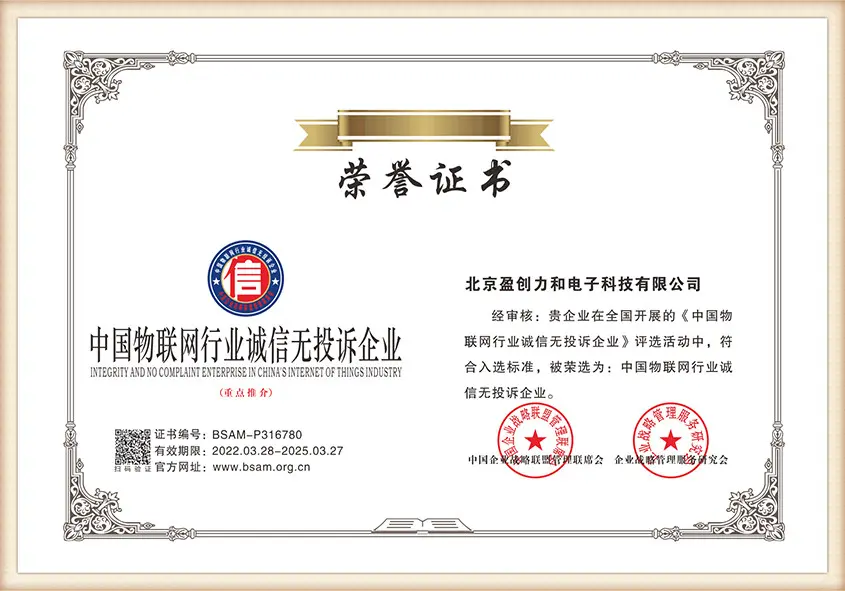
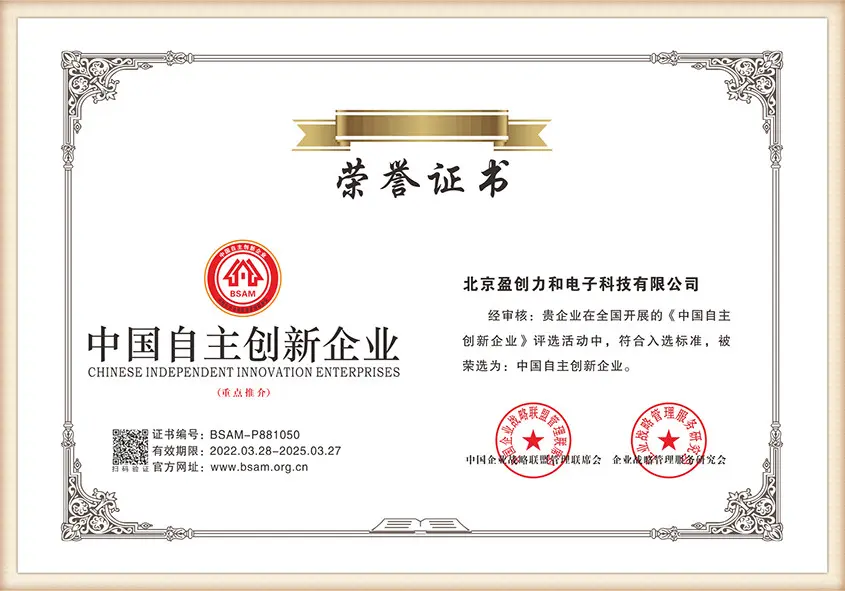
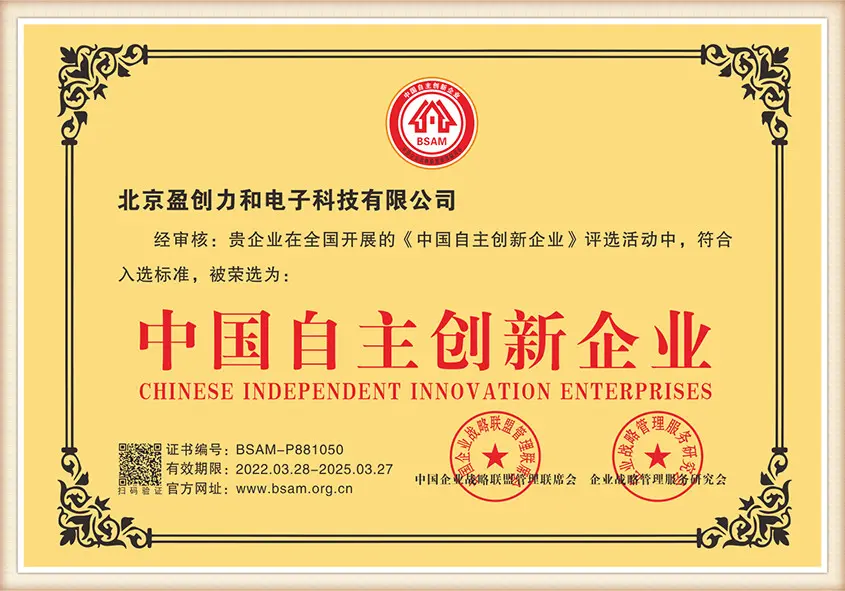
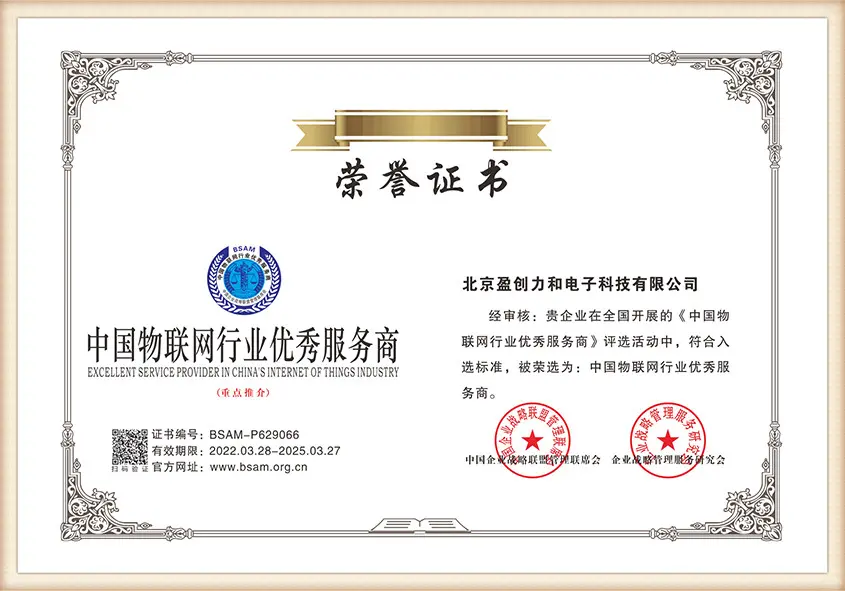
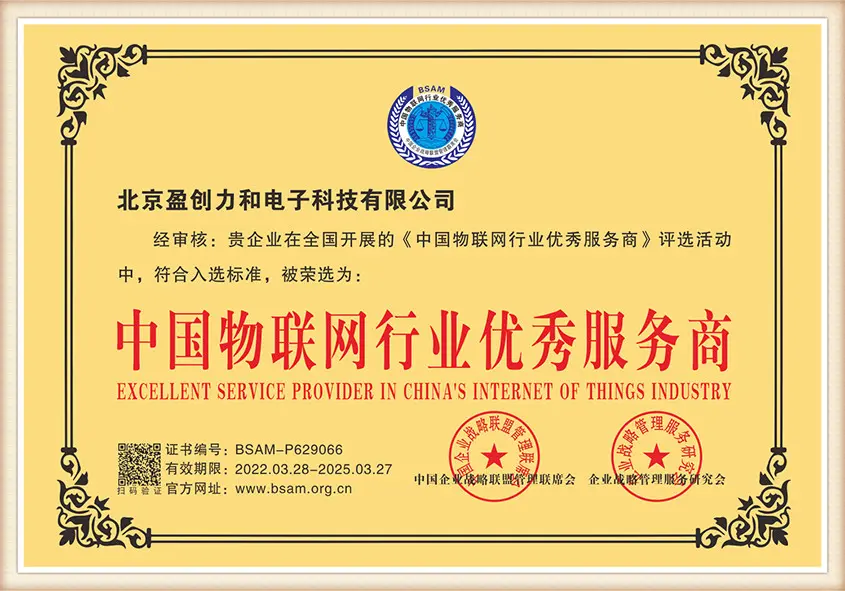
We invest in high-capacity manufacturing lines and regularly exhibit our technology to clients worldwide.
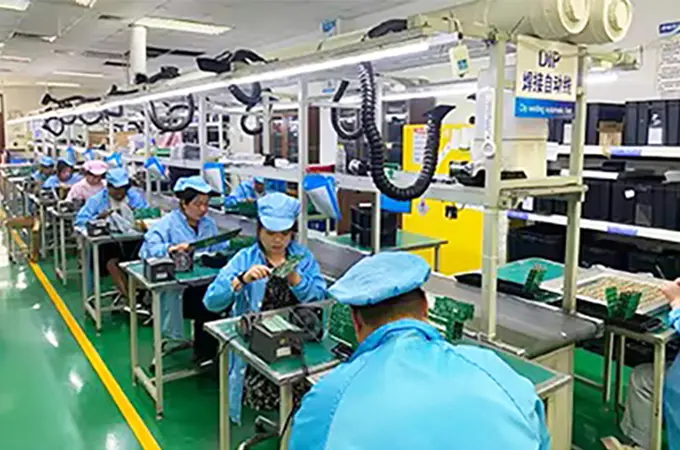
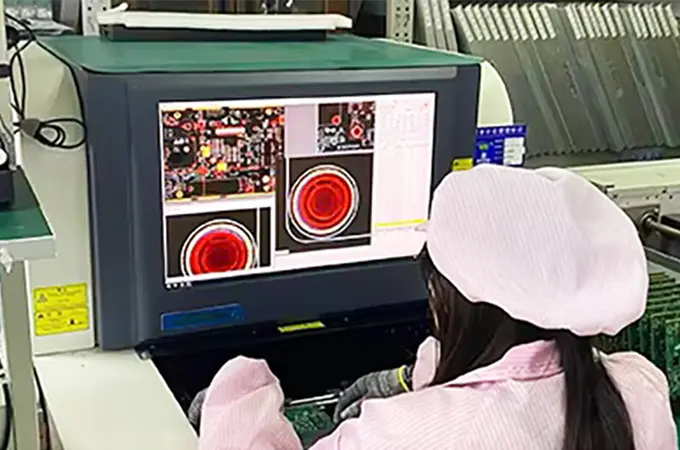
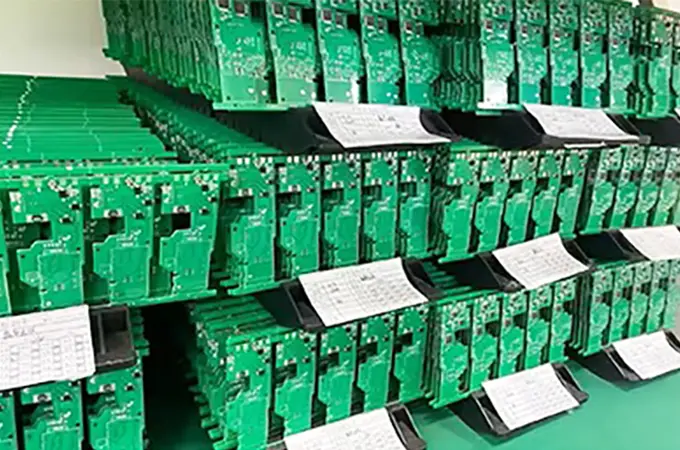
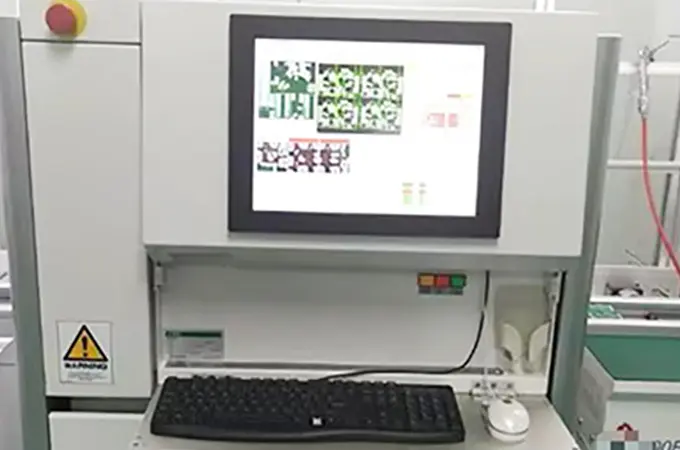
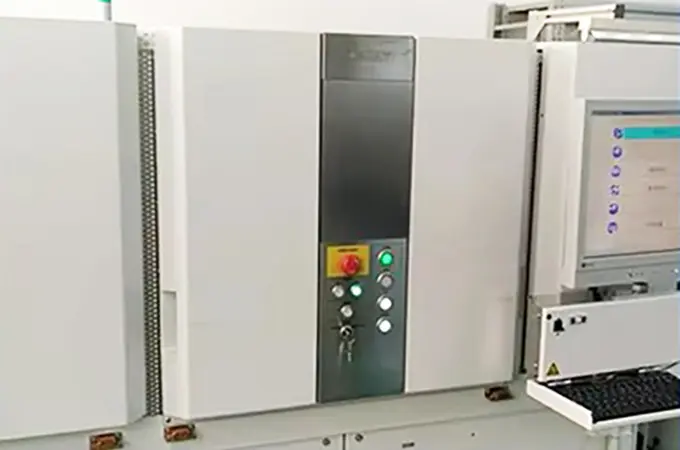
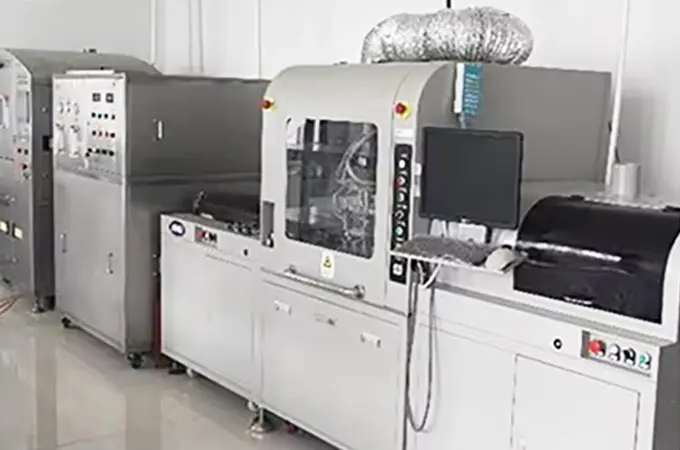
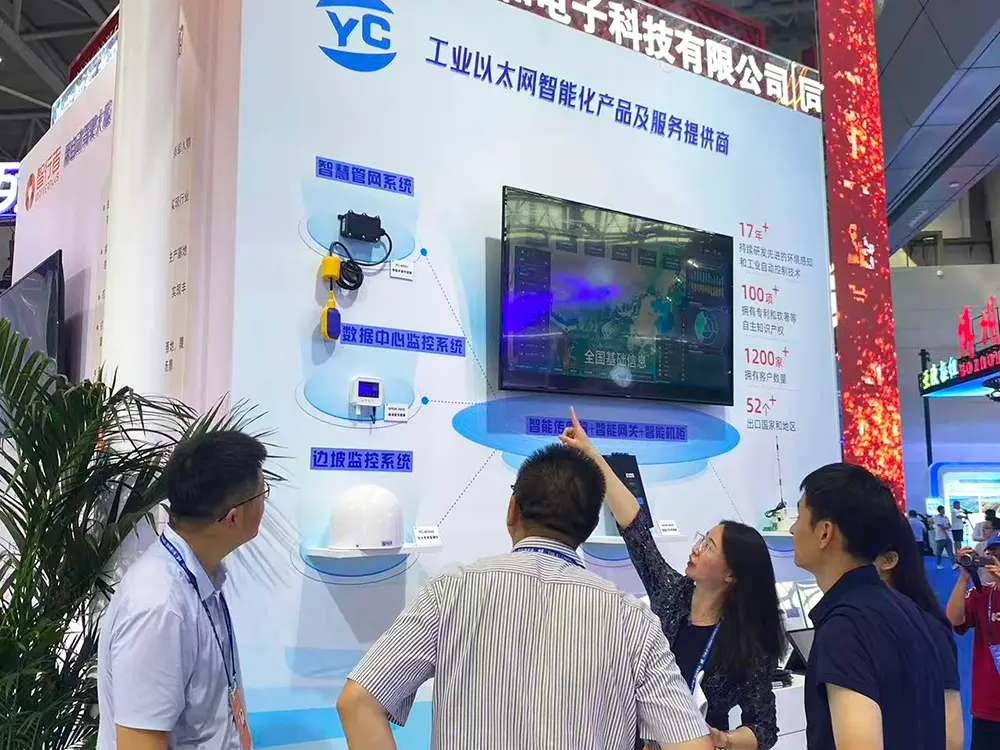
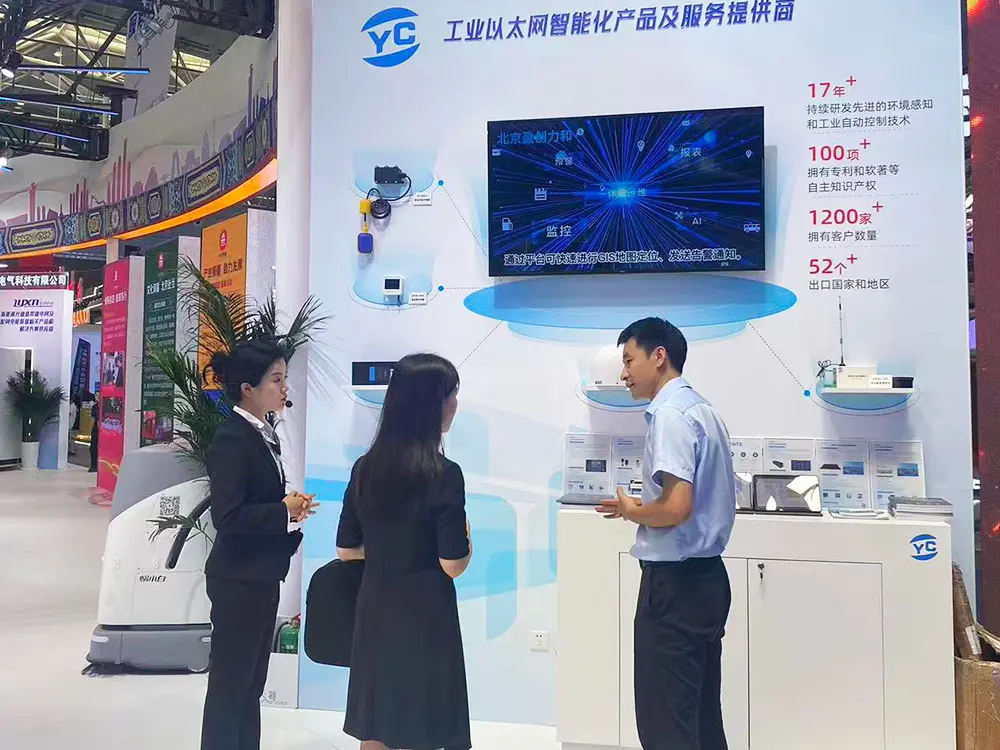
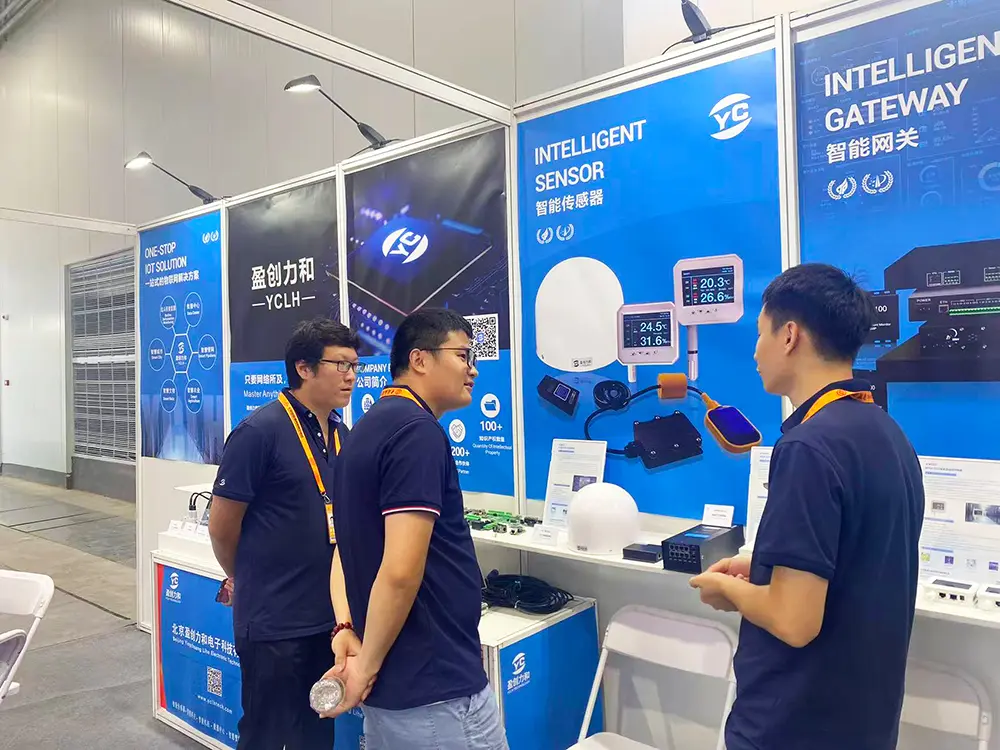
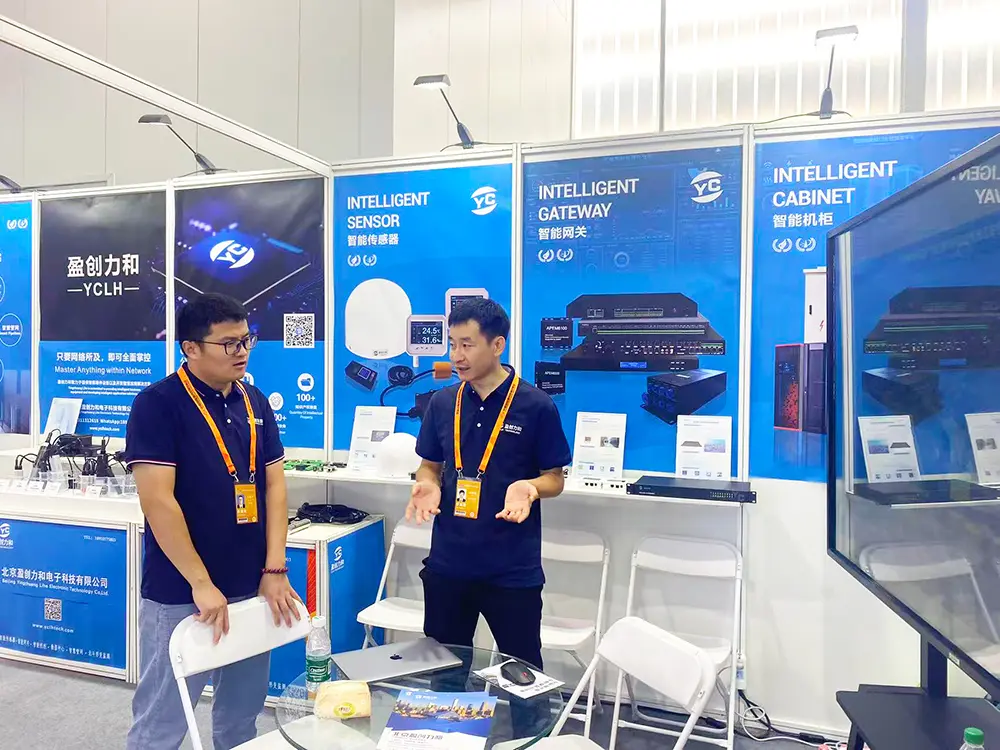
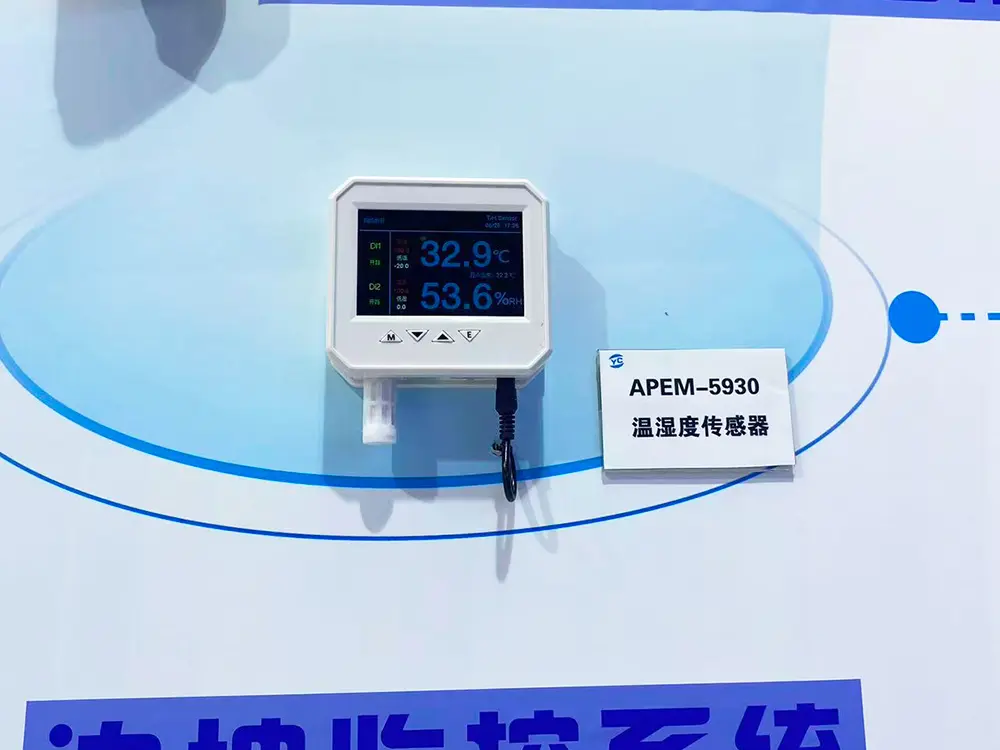
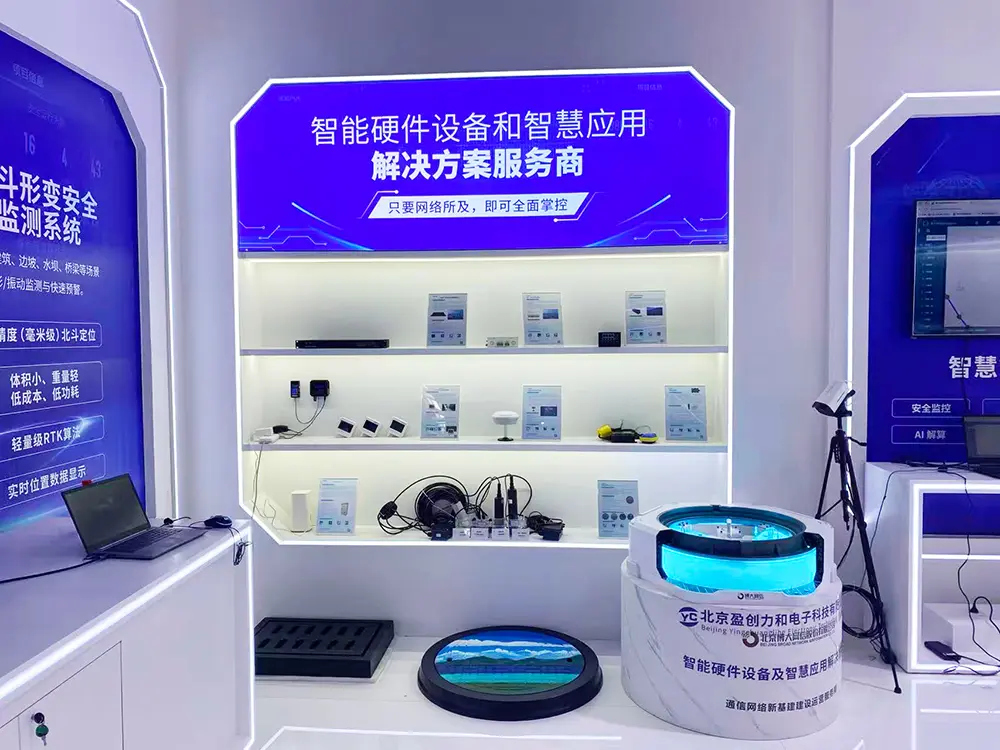
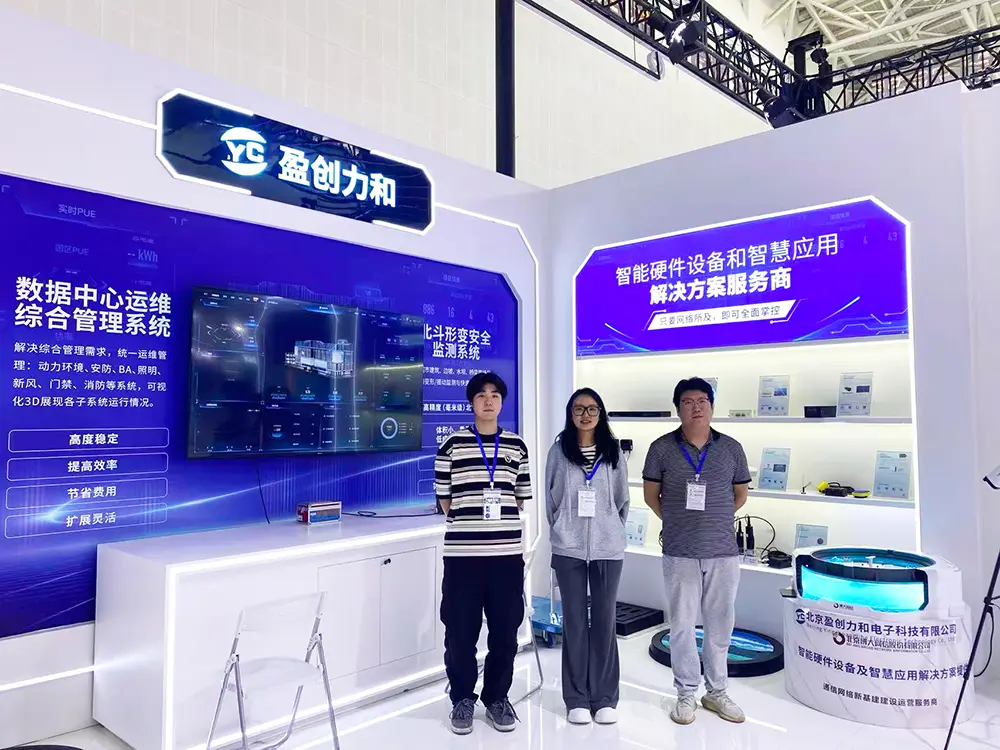
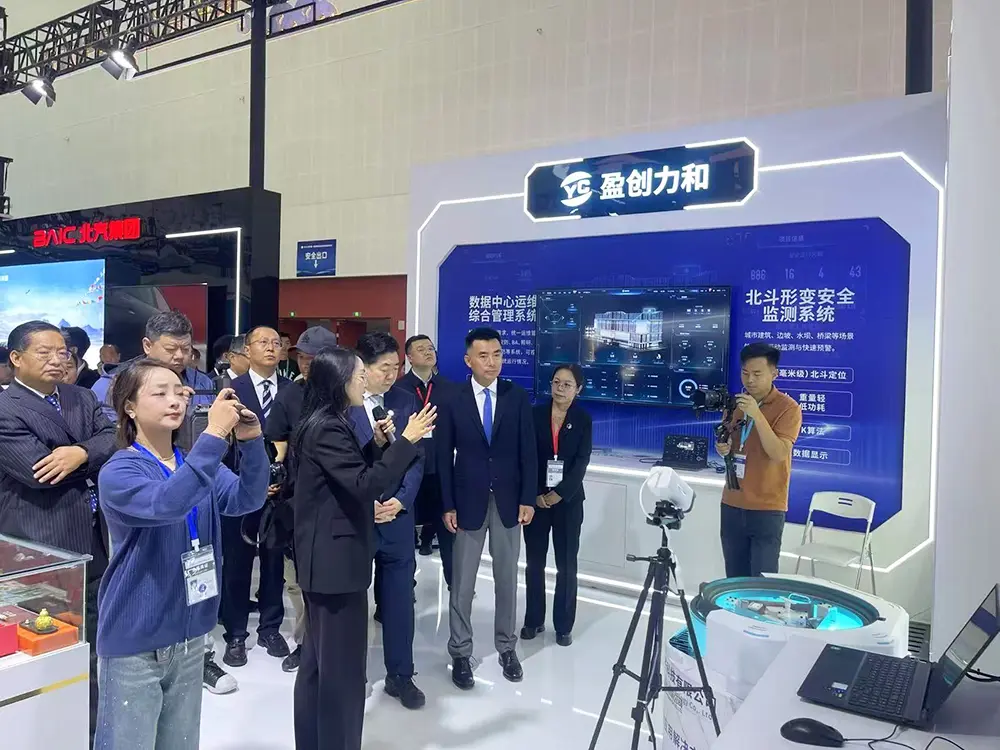
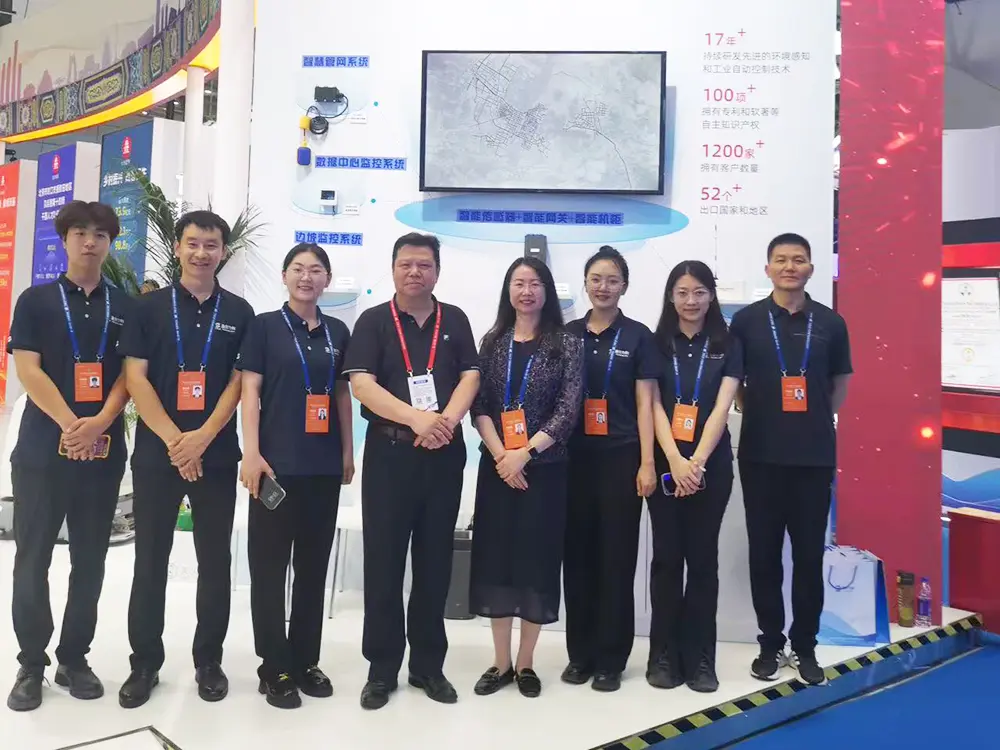
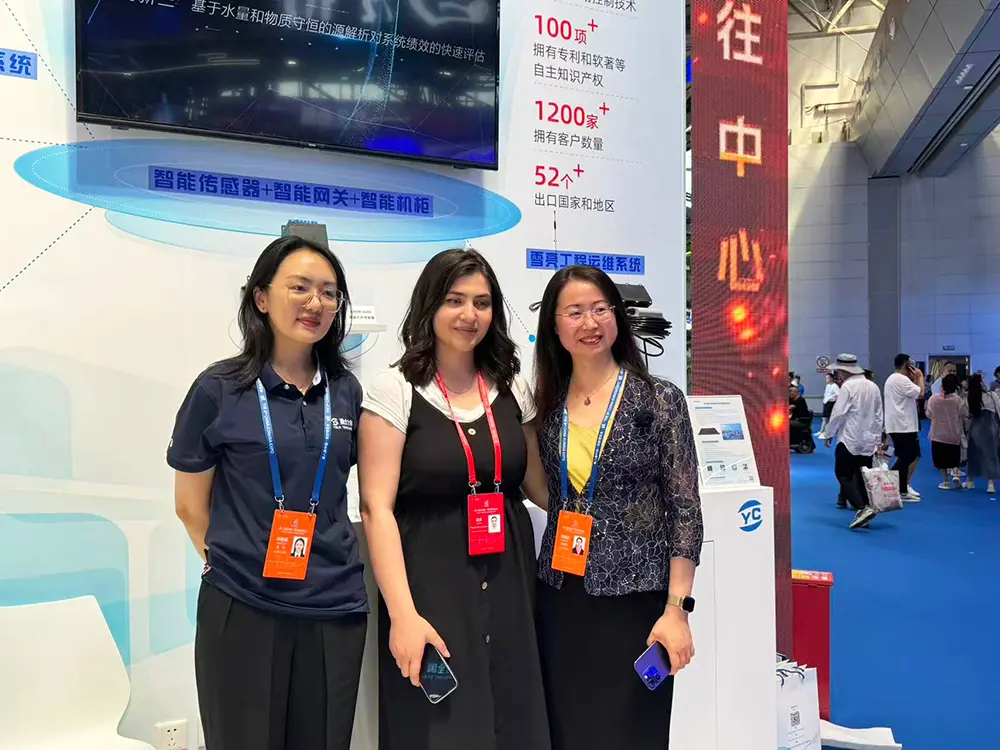
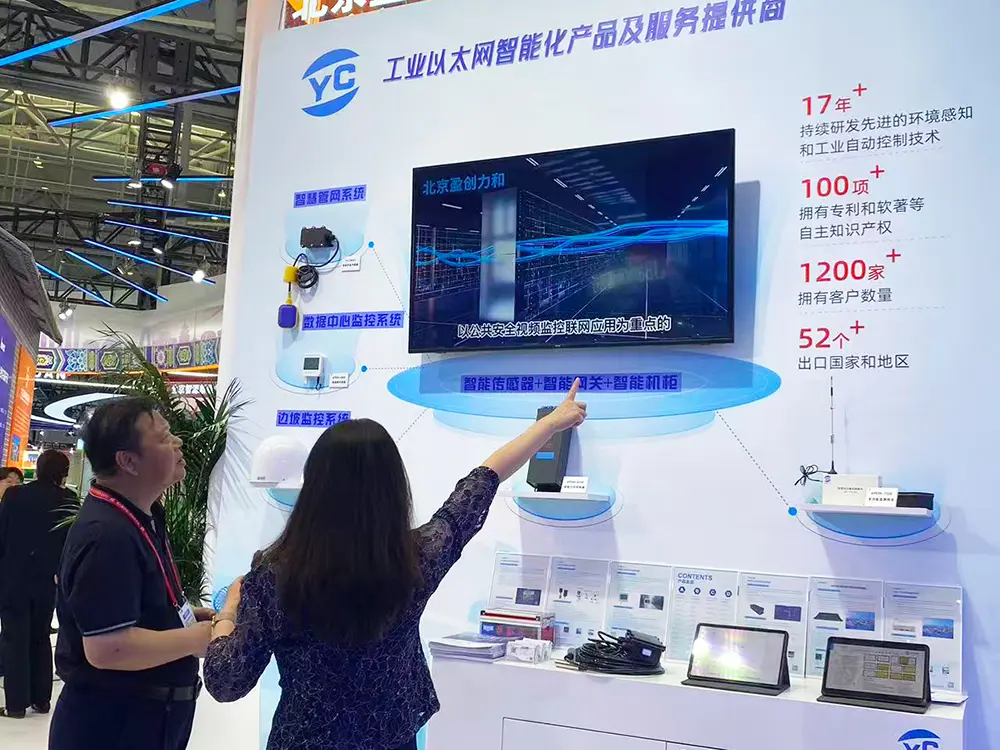
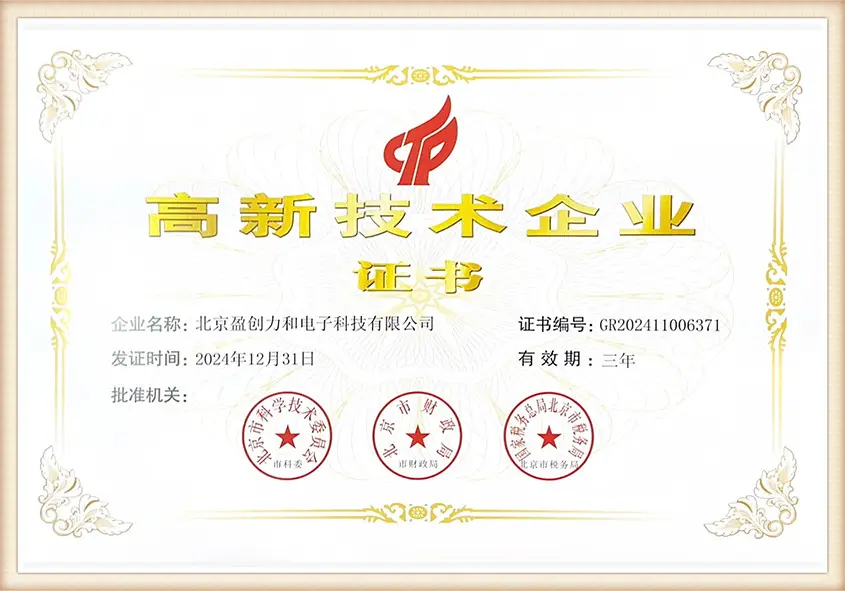
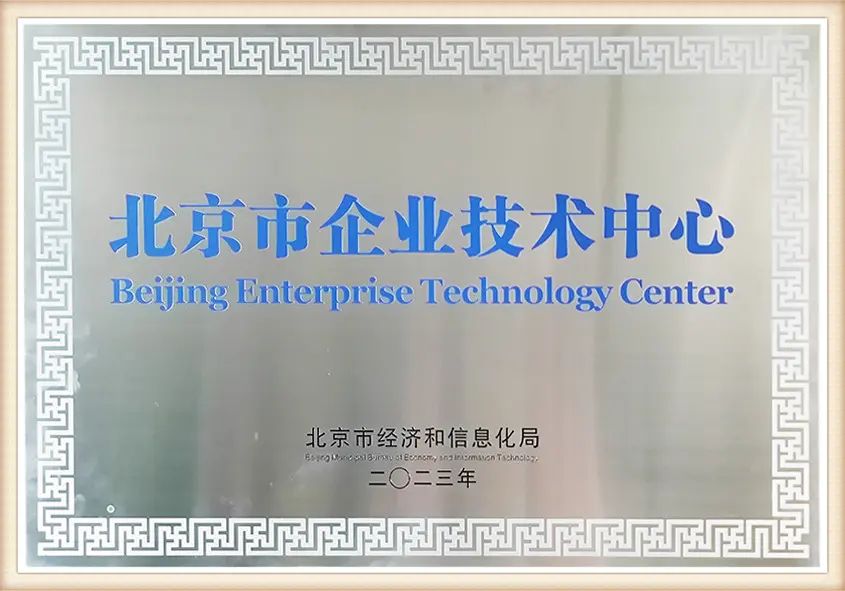
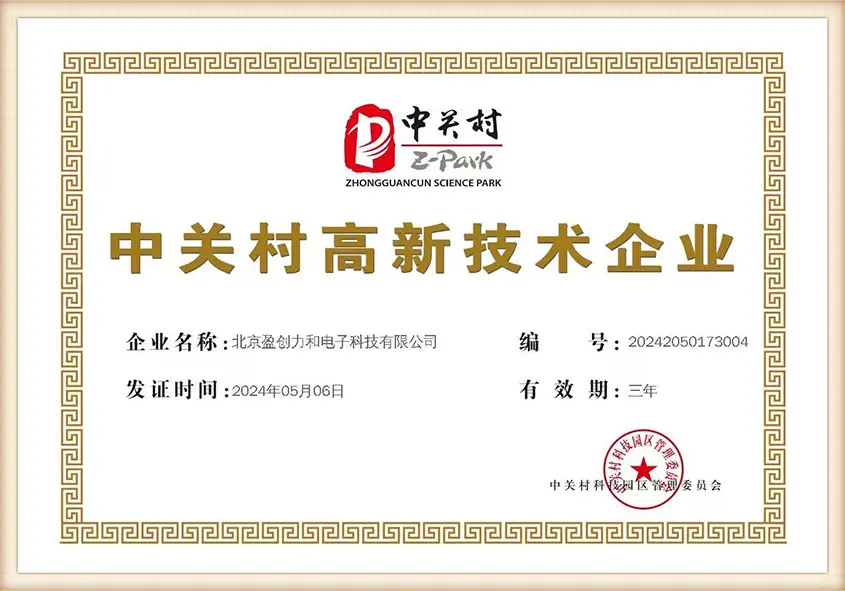
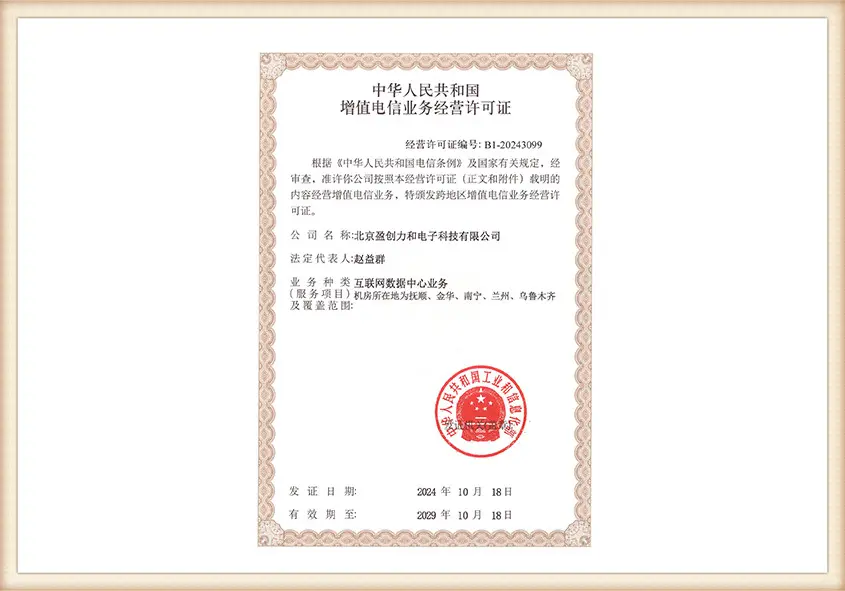
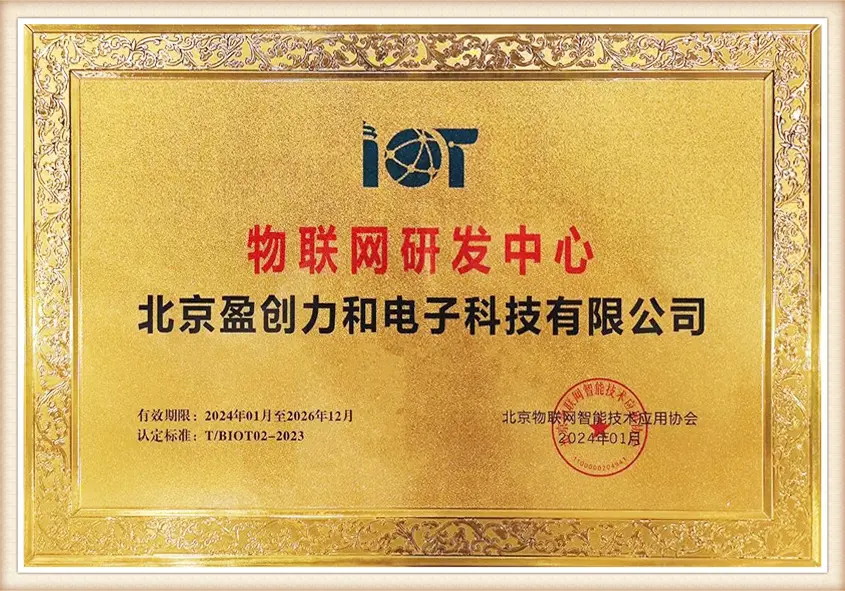
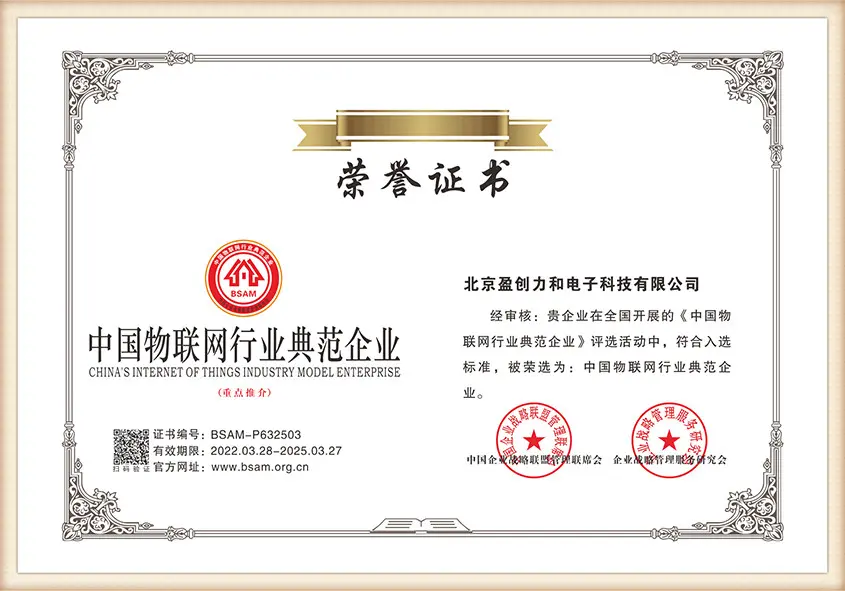
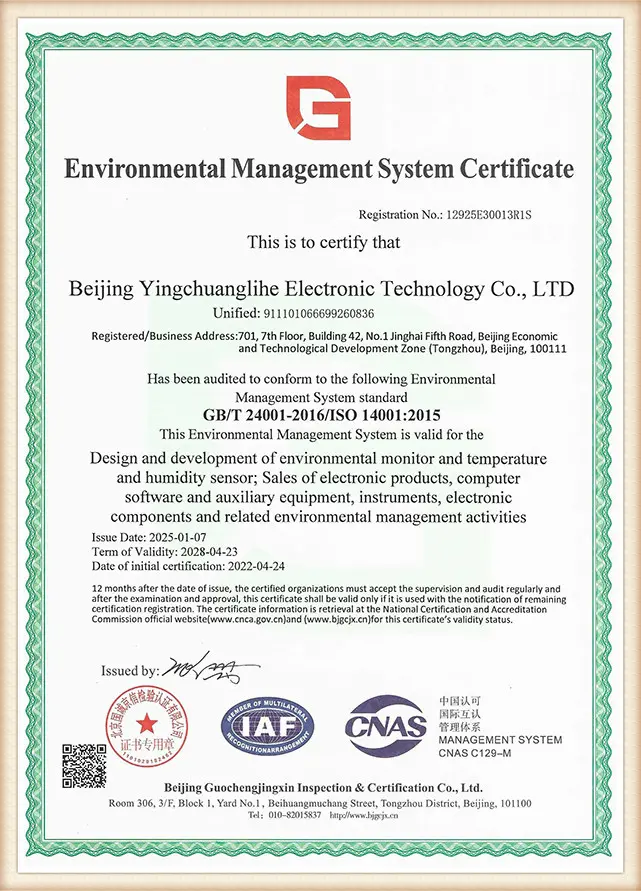
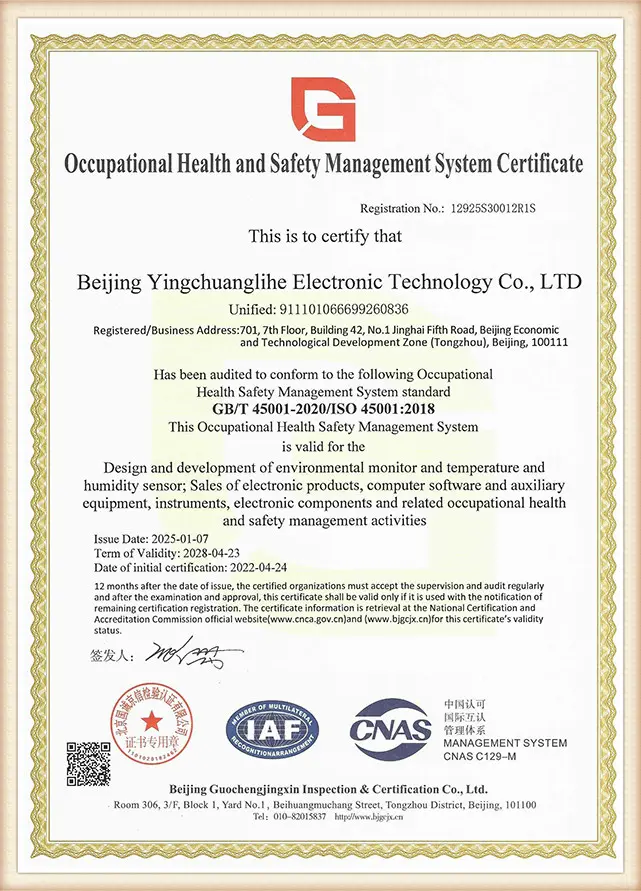
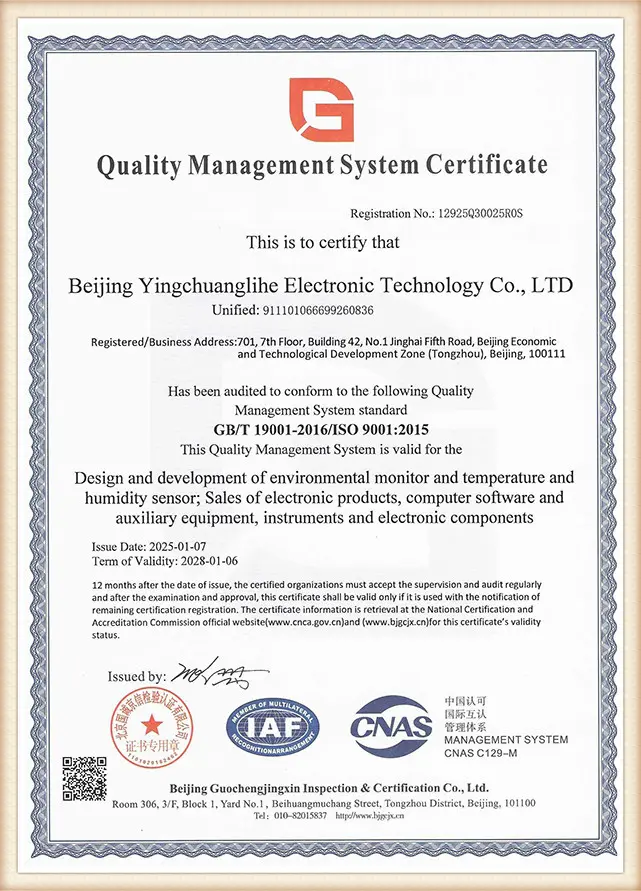
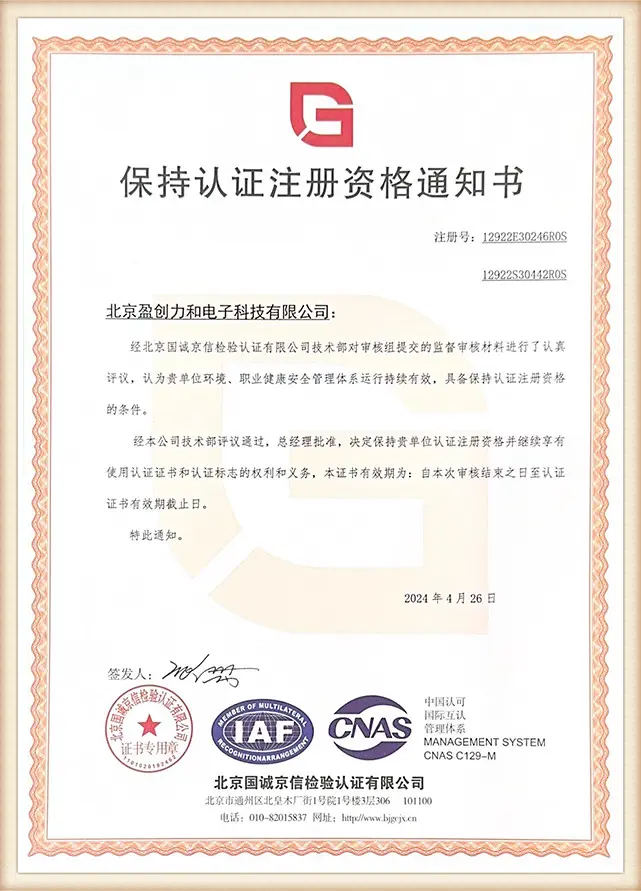
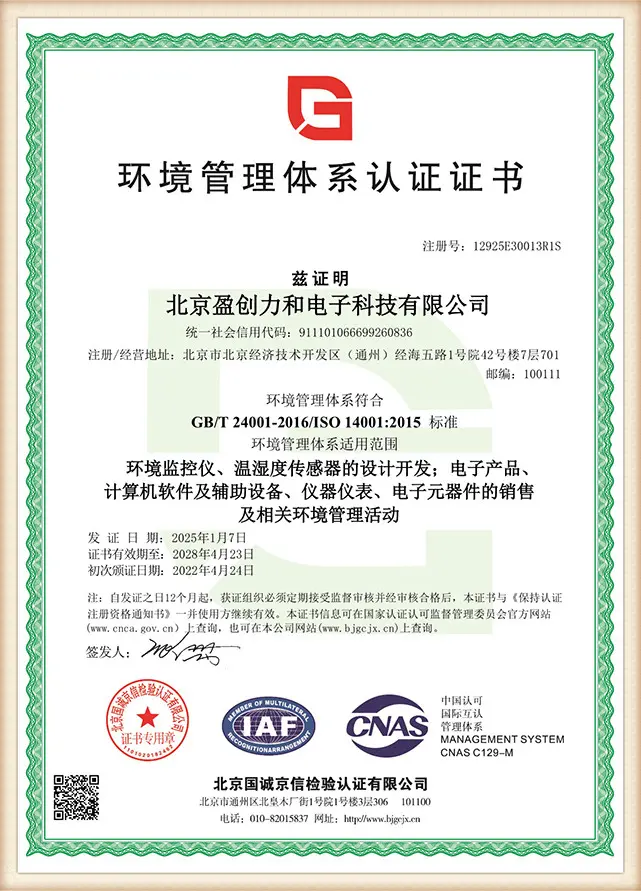
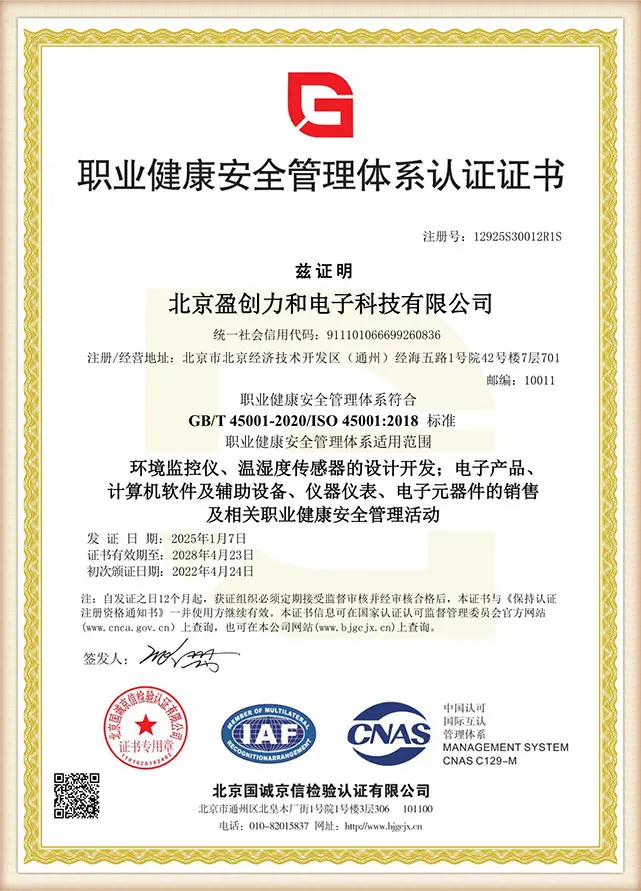
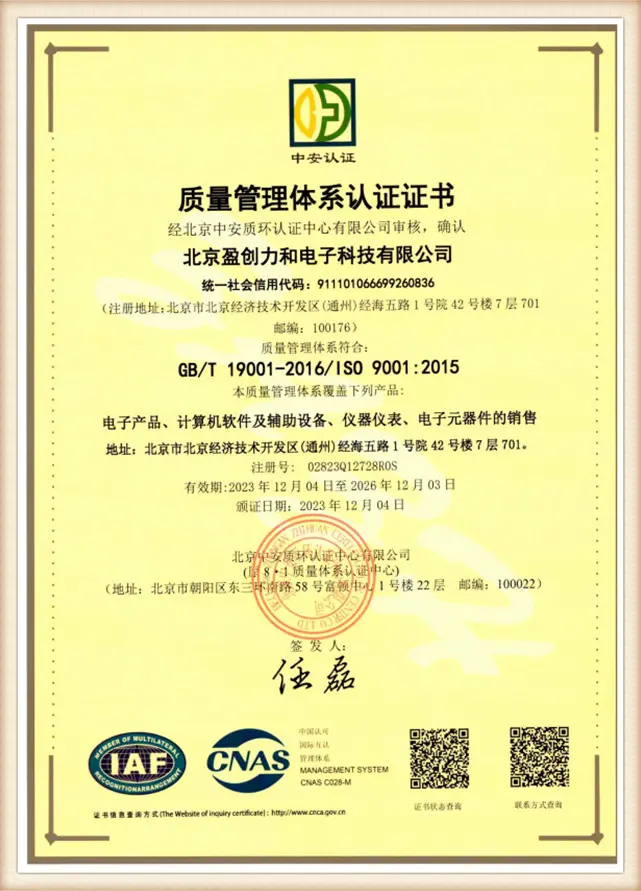
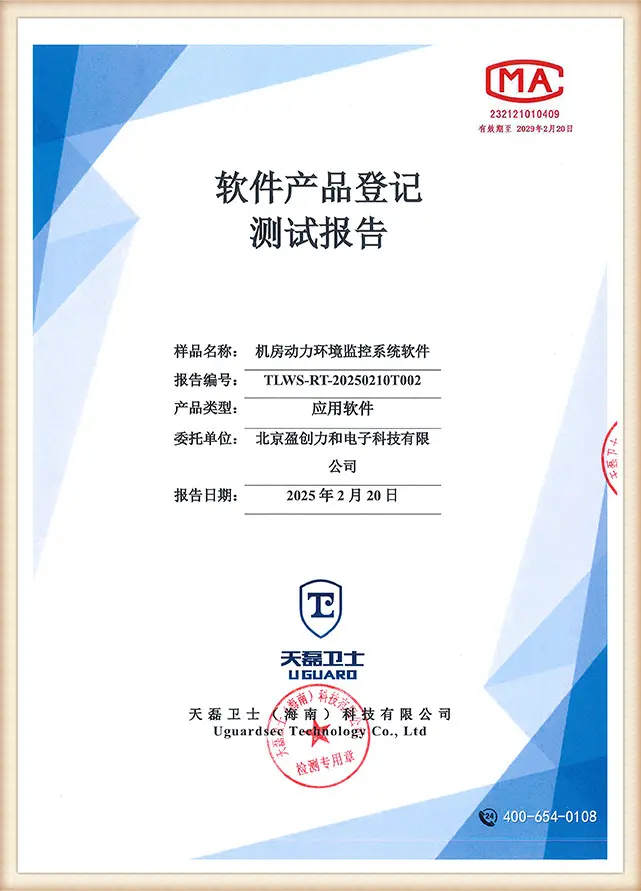
We manufacture our environmental monitoring hardware to meet international compliance, testing, and performance standards.




As telemetry demands grow more complex, environmental monitoring devices are evolving to incorporate several key technological trends:
Modern sensors do more than transmit raw values. Embedded processors calculate values like dew point and absolute humidity locally, using edge analytics to trigger relays immediately when thresholds are crossed.
Long-range, low-power networks are standard for smart facilities. Future architectures combine ethernet connections for critical lines with battery-powered wireless nodes to cover hard-to-reach areas.
Modern environmental monitoring is shifting toward comprehensive platforms. Our newer transmitters measure VOCs, O₃, CO, and key air quality indicators alongside core temperature and humidity metrics.
Purchasing teams must balance initial costs with long-term reliability. We recommend evaluating potential suppliers against several key operational criteria:
The accuracy of an environmental transmitter depends on its core chip. Yingchuanglihe sensors use premium chips imported from Switzerland and Germany, protecting against drift and maintaining accuracy in humid or variable environments.
To avoid vendor lock-in, choose sensors that support open communication protocols. Our hardware integrates with Modbus, SNMP, and MQTT, allowing direct connection to existing SCADA, BMS, or IT management platforms.
Standard products do not fit every installation. We offer custom probe designs, modified firmware, specific mounting brackets, and specialized housing options to meet project needs.
Common technical questions regarding our industrial sensor deployments, communication protocols, and custom production options.
PoE (IEEE 802.3af standard) delivers power and network communication over a single RJ45 cable. This removes the need for local AC outlets or dedicated power supplies, which reduces installation costs in data centers, server rooms, and warehouse storage locations.
For standard commercial buildings, recalibration is recommended every 12 to 24 months. For cleanrooms, medical laboratories, and high-precision manufacturing sites, annual calibration helps maintain compliance and counteract typical sensor drift (which is usually less than 0.03°C per year in our high-end models).
Our network sensors support multiple protocols for easy system integration, including Modbus TCP, SNMP (v1, v2c, and secure v3 for server environments), HTTP, and MQTT. Standard RS485 models use the Modbus RTU protocol.
Yes. Our ethernet modules process relative humidity and temperature data to calculate and transmit the dew point value locally. This is useful for condensation prevention in telecom vaults and paint-booth environments.
Our R&D department handles customization requests, including custom cable lengths for remote probes, modified enclosures for high-dust areas, specialized firmware configurations, and custom client branding.
Standard orders ship within 1 to 2 weeks, while larger or customized OEM batches take about 3 to 4 weeks depending on the design. Our five automated assembly lines help maintain reliable delivery timelines year-round.
Browse our specialty line of multi-parameter environmental monitors, supporting Ethernet, WiFi, and LoRa networks.
 YCLH Sensor