Premium OEM monitoring transceivers utilizing original Swiss & German sensing elements, compatible with Arduino SDK and standard Modbus controllers.
Within the rapidly evolving landscape of the Industrial Internet of Things (IIoT), developers and field engineers frequently turn to accessible prototyping microcontrollers like Arduino, ESP32, and Raspberry Pi to build localized sensor hubs. However, standard raw sensor buses (like I2C or SPI) are mechanically unstable over distances greater than a few centimeters and highly susceptible to electromagnetic interference (EMI).
By shifting to the industrial standard RS485 physical layer with the Modbus RTU protocol, developers secure resilient long-range communication of up to 1,200 meters. Yingchuanglihe addresses this crucial architectural requirement by manufacturing OEM Modbus temperature and humidity transmitters engineered directly for micro-controller prototyping as well as PLC automation loops. By combining premium foreign-sourced high-accuracy chipsets with robust transceivers, we bridge the gap between benchtop Arduino flexibility and industrial-grade operational reliability.
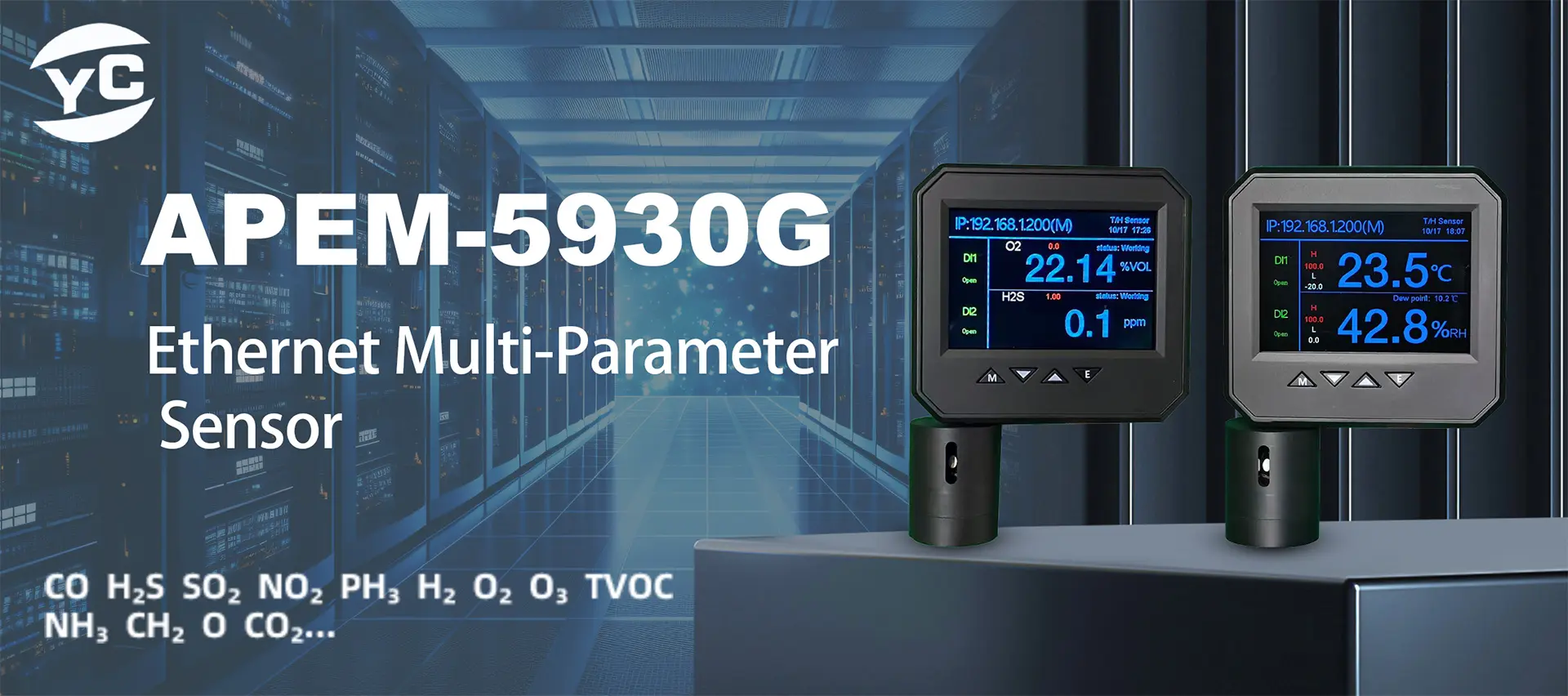
Beijing Yingchuanglihe Electronic Technology Co., Ltd. is an industry-leading designer and high-tech manufacturer of high-precision environmental monitoring hardware and intelligent IoT software platforms since 2007.
Operating a modern fabrication base covering over 1,500 square meters in Beijing, Yingchuanglihe integrates professional R&D with stringent manufacturing quality controls. Our strategic partnerships with critical global infrastructure and technology enterprises—including Baidu, Foxconn, and Founder Technology—verify our capacity to deliver stable, high-performance OEM/ODM solutions to smart infrastructures globally.
For nearly two decades, we have continuously elevated environmental sensing benchmarks from high-speed rails to hyperscale cloud data centers.
Company founded. Successfully pioneered advanced environmental monitoring terminals utilizing native TCP/IP networking stack alongside diagnostic software suites.
Collaborated with COMLAB (Switzerland) to implement highly specialized TH-5869 protective Ethernet tracking elements across the Beijing-Shanghai and Wuhan-Guangzhou High-Speed Rail networks.
Partnered with Foxconn, developing a suite of highly stable Modbus and Ethernet environmental parameters which subsequently established production floor standards across major manufacturing facilities.
In partnership with Baidu, our new-generation APEM-5900 Ethernet intelligent monitoring systems deployed across Baidu's Yangquan Data Center, achieving flawless continuous multi-parameter operational performance.
Engaged in designing the integration units and edge-computing boxes for Beijing's high-level Autonomous Driving road test projects, offering robust data nodes for intelligent transportation schemes.
Formed strategic business segments with Beijing Enterprises Water Group and Beijing University of Civil Engineering and Architecture to develop high-precision Beidou-assisted monitoring infrastructure.
How modern enterprises employ Yingchuanglihe Modbus and Ethernet sensor networks to drive reliability, resource savings, and regulatory compliance.

Our Modbus and PoE networks feed real-time atmospheric data into Building Management Systems (BMS), driving dynamic cooling calculations that slash PUE (Power Usage Effectiveness) and prevent localized server thermal failure.

Precise dew point, differential air pressure, and high-resolution temperature tracking ensure full compliance with FDA Title 21 CFR Part 11 and ISO cleanroom requirements, securing sensitive manufacturing environments.

Direct integration of RS485 Modbus RTU transmitters into master PLCs allows factory floor operations to instantly track ambient humidity and toxic industrial gas traces, maintaining product consistency and operator safety.
Our OEM Modbus sensor transmitters rely on standard industrial physical layer architectures. This allows engineers to systematically interface them with various developmental microcontrollers such as Arduino Uno, Mega, or ESP32 using cheap RS485-to-TTL hardware modules (e.g., MAX485).
Unlike raw digital lines, RS485 employs a differential balanced signal path. Line 'A' and line 'B' carry opposing polarities of the serial data stream, allowing standard receivers to subtract common-mode noise introduced by motors, relays, or high-power AC runs. Under critical conditions, Yingchuanglihe implements 120-Ohm termination resistors at the extreme ends of the physical bus to eliminate electrical wave reflections, guaranteeing flawless frame transmission rates.
To demonstrate the streamlined protocol configuration, here is an industry-standard register schematic mapping our typical temperature and humidity sensors:
| Register Address (Hex) | Function Code | Data Representation | Parameter / Description | Multiplication Factor |
|---|---|---|---|---|
0x0000 |
0x03 (Read Input Register) |
16-bit Signed Integer | Ambient Temperature (°C) | Value / 100 (e.g., 2350 = 23.50°C) |
0x0001 |
0x03 (Read Input Register) |
16-bit Unsigned Integer | Relative Humidity (%RH) | Value / 100 (e.g., 5530 = 55.30%RH) |
0x0002 |
0x03 (Read Input Register) |
16-bit Signed Integer | Calculated Dew Point (°C) | Value / 100 (e.g., 1210 = 12.10°C) |
0x0100 |
0x06 (Write Single Register) |
16-bit Unsigned Integer | Baud Rate Configuration | 0=9600, 1=19200, 2=38400, 3=115200 (Default: 9600 bps) |
0x0101 |
0x06 (Write Single Register) |
16-bit Unsigned Integer | Modbus Slave ID Node Address | Configurable from 1 to 247 (Default ID: 1) |
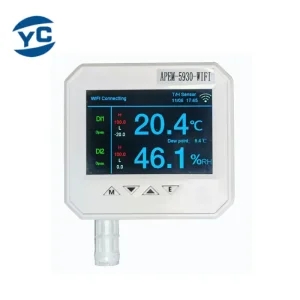
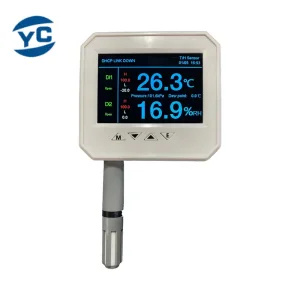
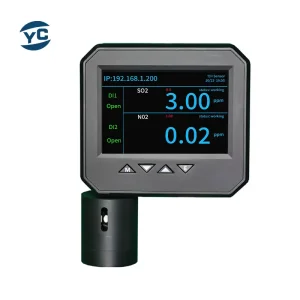
Our custom and wholesale product lineups (such as the APEM-5930 and APEM-5930P series) feature original imported Swiss SHT series sensors and high-performance German MEMS pressure elements. Each individual component is dry-calibrated in our automated multi-point thermal chambers before shipping, preventing drift. This ensures a low raw accuracy tolerance of ±0.1°C and ±1.5% RH, meeting the rigid requirements of scientific labs and precision manufacturing facilities.
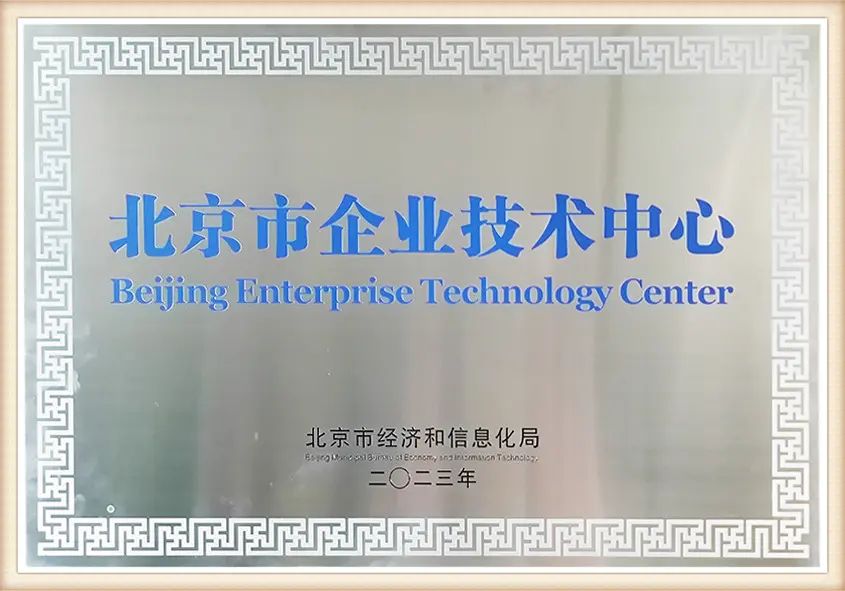
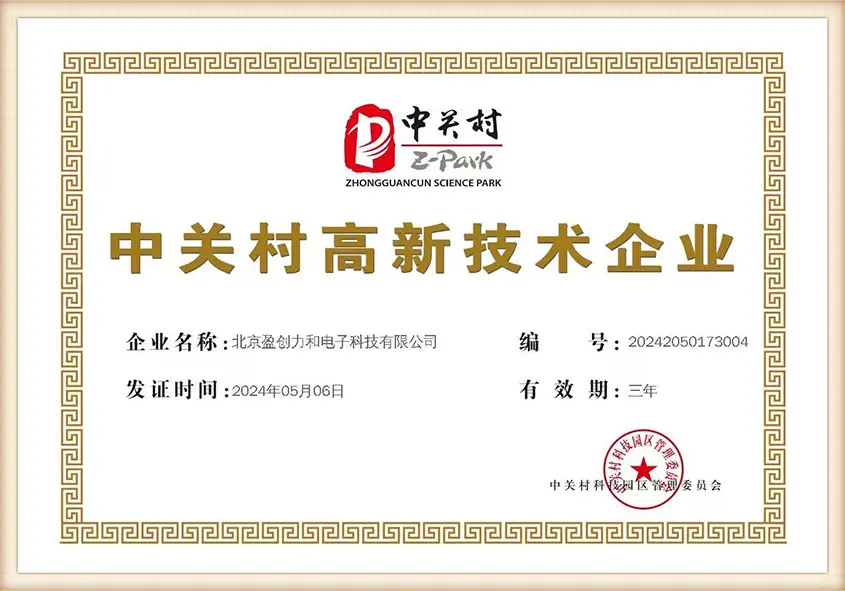
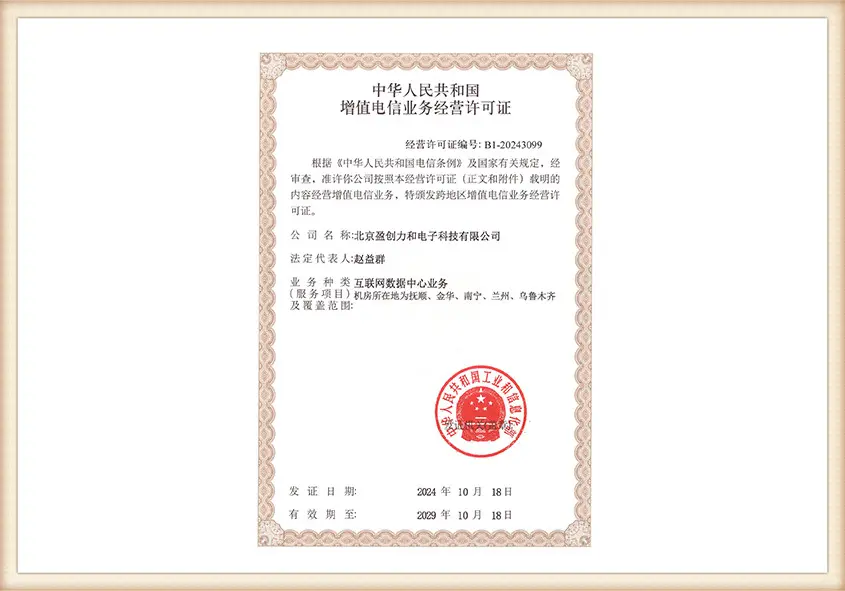
Yingchuanglihe guarantees full adherence to local regulatory certifications and industrial reliability specifications across global markets.
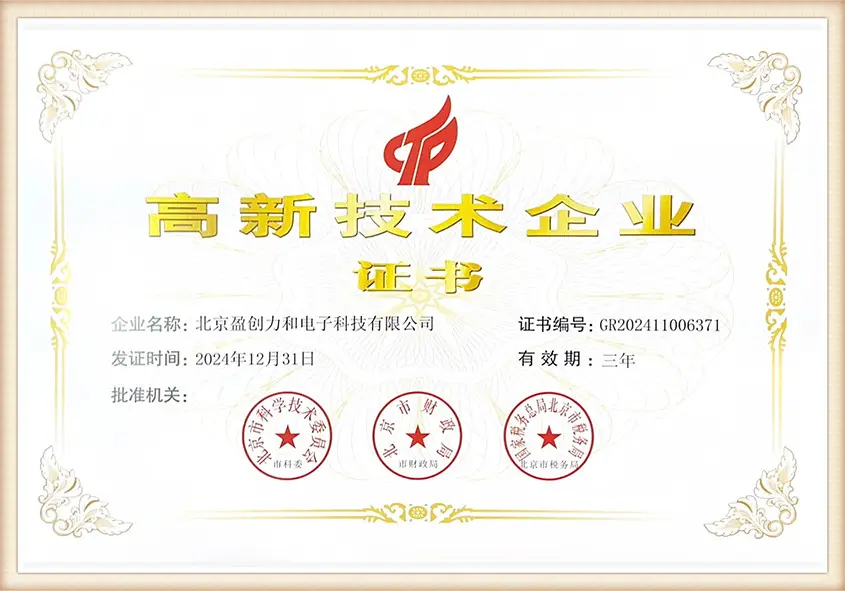
CE Certification Mark
FCC Compatibility
RoHS Lead-Free Standard
ISO9001 Qualification
To ensure high compliance standards when deploying sensors globally, we address and customize interfaces for the following regions:
Yingchuanglihe remains committed to advancing the capabilities of our environmental sensing infrastructure. Our long-term technical roadmap is focused on expanding integration and enhancing diagnostic intelligence across our entire hardware lineup:
Next-generation Modbus RTU sensors will incorporate dual-core ARM Cortex-M4 processors directly on the transducer board. This upgrade enables localized fast-Fourier transforms (FFT), statistical outlier rejection, and real-time noise filtering. This allows the sensor node to perform critical edge computing steps, transmitting stable, highly accurate digital values even in electrically noisy industrial environments.
To address the challenge of chemical sensor drift over time, we are developing a firmware self-calibration protocol. This algorithm cross-references relative humidity changes against baseline atmospheric pressures. By logging operational lifespans on local memory registers, the sensor will predict its own sensor cell degradation curve, sending preventive maintenance reminders via Modbus alarms before measurement inaccuracies occur.
Building on our successful co-development of municipal infrastructure arrays, we will offer hybrid Modbus RTU modules featuring low-power wide-area network (LPWAN) wireless backup channels. In the event of primary Modbus cable cuts, the node automatically switches to Beidou or LoRaWAN communication. This guarantees continuous operational uptime for smart civil defense applications, pipeline networks, and open agricultural facilities.
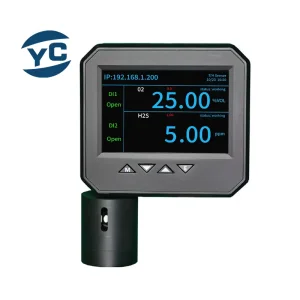
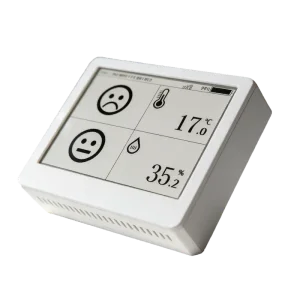
Engineered for high-integrity environmental setups demanding real-time chemical tracking, atmospheric logs, and high-reliability data connections.
Addressing core technical questions from developers and hardware integration engineers regarding Arduino, Modbus networking, and physical layer shielding.
Yes. The physical RS485 bus supports a multi-drop bus topology. You can interface up to 247 distinct Modbus sensor nodes on a single physical bus loop. When routing into an Arduino, you must ensure that each connected device is configured with a unique Modbus Slave ID Node Address (set via holding register 0x0101) and that they share a common baud rate configuration.
Arduino development boards operate internally on TTL logical voltage levels (typically 0V to 5V or 3.3V), which degrade quickly over long cabling runs. RS485 uses balanced differential signals to eliminate electrical noise. An RS485-to-TTL converter chip (such as the MAX485) translates these signals, matching the voltage levels for the Arduino's hardware UART RX/TX serial pins.
SHT-series chips feature premium silicon-based capacitive relative humidity sensors and high-accuracy band-gap temperature elements. They are laser-trimmed and calibrated at the factory, providing excellent long-term stability and high accuracy (down to ±0.1°C temperature tolerances) under extreme industrial conditions.
All industrial-grade sensor casings manufactured by Yingchuanglihe incorporate electrostatic discharge (ESD) and transient voltage suppression (TVS) diodes directly at the terminal blocks. These components clamp transient voltage spikes caused by motor kickbacks, protecting the internal microcontroller and sensing array from permanent failure.
 YCLH Sensor