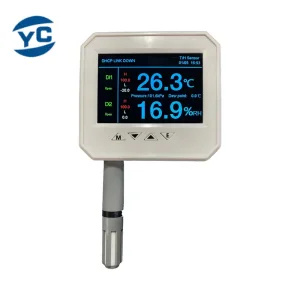
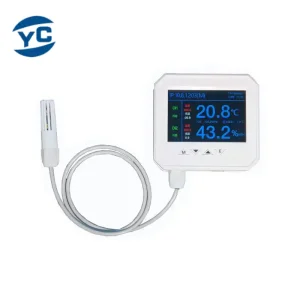
Industry-proven wired and wireless sensors designed for remote ambient diagnostics, micro-climate stabilization, and equipment protection.
Modern compute infrastructure operates under extreme performance thresholds. High-density server deployments, GPU clusters for artificial intelligence (AI), and hyperscale cloud processing generate massive thermal output that challenges traditional cooling systems. Uncontrolled ambient parameters lead to catastrophic consequences: thermal runaway, localized hotspots, dry air static discharges, and corrosive condensation. Data Center Environmental Monitoring Tools (DCEMTs) provide the essential telemetry required to maintain continuous equipment availability.
As global power usage effectiveness (PUE) requirements become increasingly strict under modern environmental regulations, data centers must shift from static cooling regimes to dynamic, sensor-driven HVAC control. Monitoring systems must capture high-resolution temperature and relative humidity data, and also analyze barometric differential pressures, gaseous contaminant thresholds, volatile organic compounds (VOCs), and liquid leaks. By deploying multi-parameter sensor arrays at key cabinet intake zones and hot aisles, engineers can execute real-time ASHRAE TC 9.9 thermal management strategies.
Beijing Yingchuanglihe Electronic Technology Co., Ltd. (YCLI Sensors) is a professional manufacturer of high-precision environmental monitoring sensors. Founded in 2007, we have dedicated over 18 years to researching, designing, and fabricating state-of-the-art sensor arrays. Our modern 1,500 square meter factory in Beijing houses 5 advanced automated production lines operated by over 100 skilled specialists.
We are committed to delivering highly reliable sensors that provide exact data support for smart data centers, industrial warehouses, labs, and high-speed transit networks. Our products feature premium imported semiconductor chips from industry-leading manufacturers in Switzerland and Germany, ensuring long-term signal stability and minimal drift.
Equipped with imported high-precision SHT semiconductor chips, offering long-term stability and high resistance to signal drift.
All products are certified with CE, FCC, and RoHS standards, meeting strict global procurement compliance guidelines.
Native support for Modbus RTU/TCP, SNMP (v1/v2c/v3), HTTP/JSON, MQTT, and standard analog outputs for easy integration into existing BMS or DCIM platforms.
From TCP/IP terminals to Beidou satellite-grade deformation monitors, explore our technical milestones.
Established Beijing Yingchuanglihe Electronic Technology Co., Ltd. Developed our first intelligent TCP/IP environmental monitoring terminal and initial monitoring software suite.
Partnered with Mocha Software to co-design and launch the TH-5939 series SNMP-enabled environmental monitoring sensors, bridging hardware and network management software.
Collaborated with Switzerland's COMLAB to produce the TH-5869 protective Ethernet monitoring system. Deployed across high-speed rail lines, including Beijing-Kowloon and Wuhan-Guangzhou.
Partnered with Founder Technology to launch the APEM-6100, one of the earliest environmental monitoring devices to adopt Power over Ethernet (PoE) technology.
Cooperated with Foxconn to establish our sensor solutions as standard environmental control units for precision manufacturing cleanrooms and assembly workshops.
Partnered with Baidu to deploy the next-generation APEM-5900 Ethernet intelligent monitoring terminals in Baidu's Yangquan Data Center. Upgraded software to support multi-parameter gas sensor integration.
Horizontal expansion into smart solutions. Launched integrated outdoor cabinet monitoring systems, applied in road infrastructure and Huawei etc. expressway systems.
Designed and manufactured roadside edge computing gateways for autonomous driving test regions in Beijing. Supported high-performance compute installations and intelligent computing center construction.
Established joint business divisions with Beijing Enterprises Water Group and co-founded a Beidou satellite research division with BUCEA for deformation monitoring. Formally obtained Internet Data Center (IDC) business qualifications.
At the core of the APEM series design is high reliability. Standard commercial-grade sensors often drift over time when exposed to the high wind velocities and dry conditions of data center aisles. Our instruments utilize internal micro-heating elements that prevent moisture buildup during high humidity states, reducing drift to less than 0.1°C per year.
The hardware integration leverages high-reliability circuitry designed to protect against electromagnetic interference (EMI) generated by surrounding high-density server power supplies. Dual-power redundancy is standard: devices operate on 12-48V DC auxiliary power alongside standard Power over Ethernet (PoE 802.3af), ensuring that environmental telemetry continues even during power phase changes or network switch maintenance.
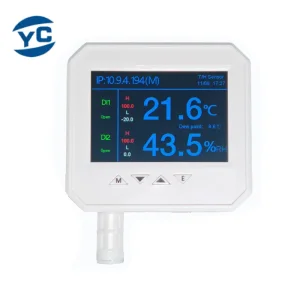
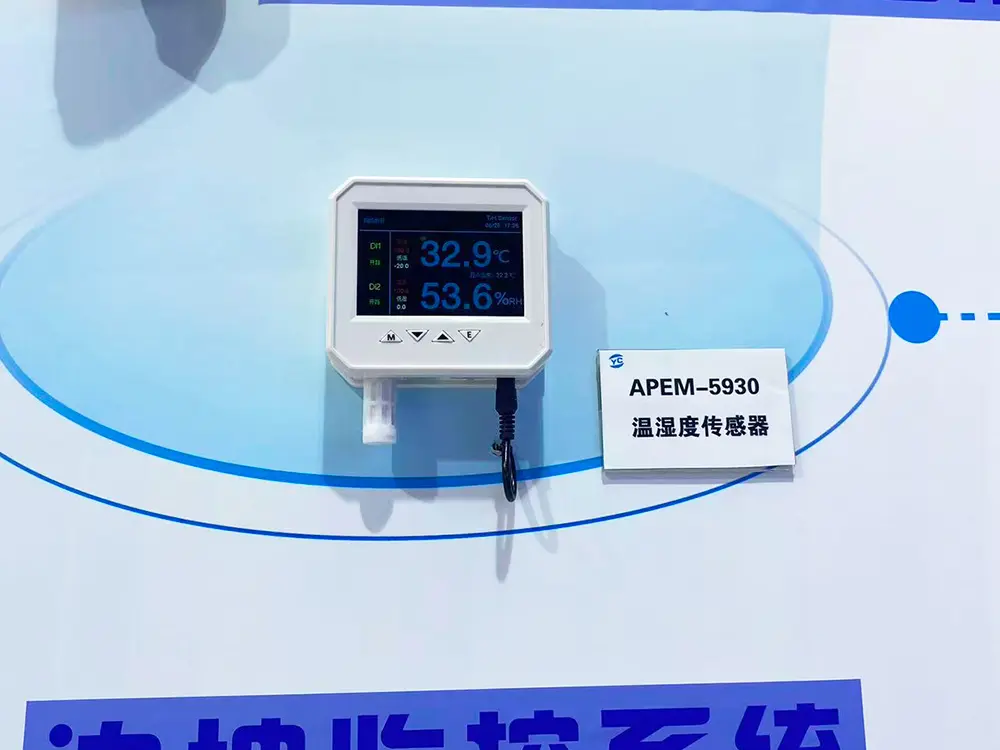
Eliminate complex power infrastructure layouts at the rack level. Yingchuanglihe's APEM-5930 utilizes a single RJ45 Cat5e/Cat6 cable to carry both operational power and telemetry data. This design minimizes cabling bulk, reduces installation points of failure, and allows centralized power backup via UPS-supported network switch ports.
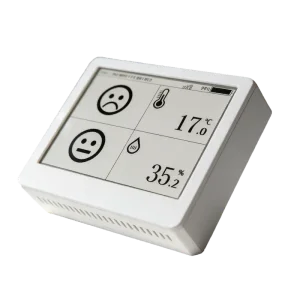
For larger physical layouts where ethernet deployment is not cost-effective, the APEM-5736 series utilizes LoRaWAN wireless technology. Operating across regional sub-GHz bands, these sensors penetrate metal server cages and concrete partitions, reporting stable telemetry over hundreds of meters without interfering with existing Wi-Fi networks.
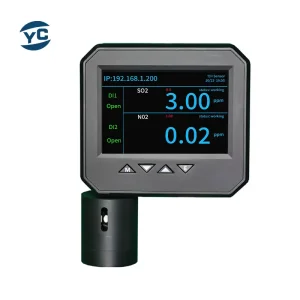
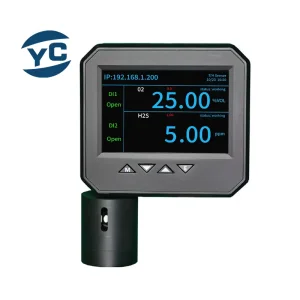
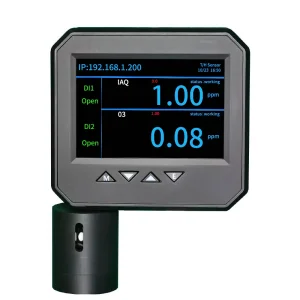
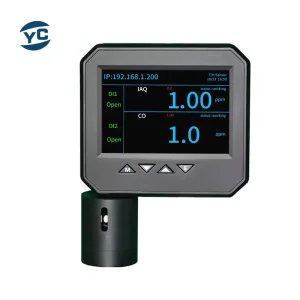
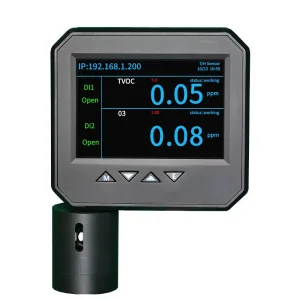
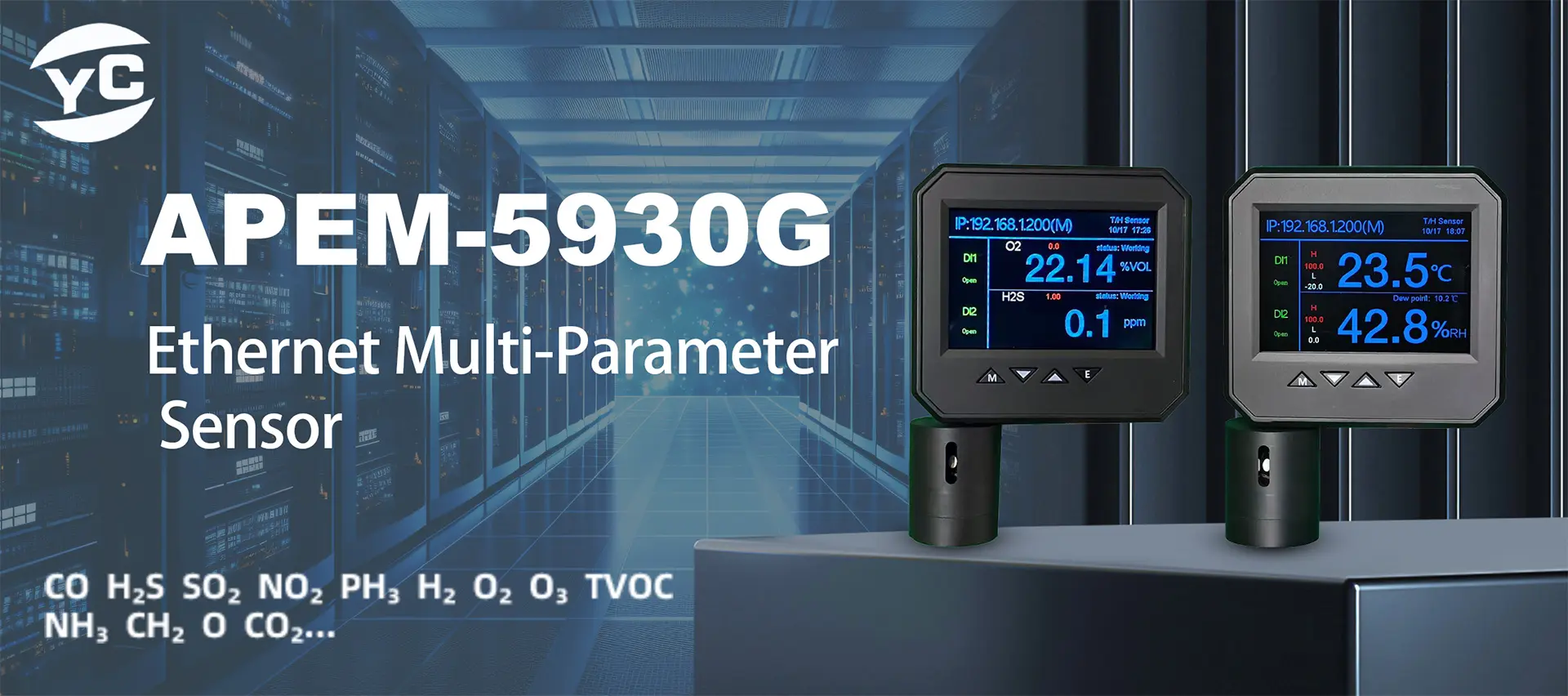
Data center components can degrade when exposed to corrosive airborne chemicals. Our multi-parameter gas monitors (APEM-5930G series) track TVOC, Ozone (O₃), Carbon Monoxide (CO), Sulfur Dioxide (SO₂), Nitrogen Dioxide (NO₂), and Hydrogen Sulfide (H₂S) levels, protecting PCB copper traces against silver migration and galvanic corrosion.
Tailored sensor frameworks designed to match the specific demands of diverse industries.
Rigorous manufacturing standards, international regulatory certifications, and global industry engagement.
Yingchuanglihe maintains an ISO 9001 quality management framework. Every sensor is calibrated in our environmental chambers using high-accuracy reference instruments before shipment. We provide full traceability documentation for CE, FCC, and RoHS compliance, meeting the technical standards of international system integrators.
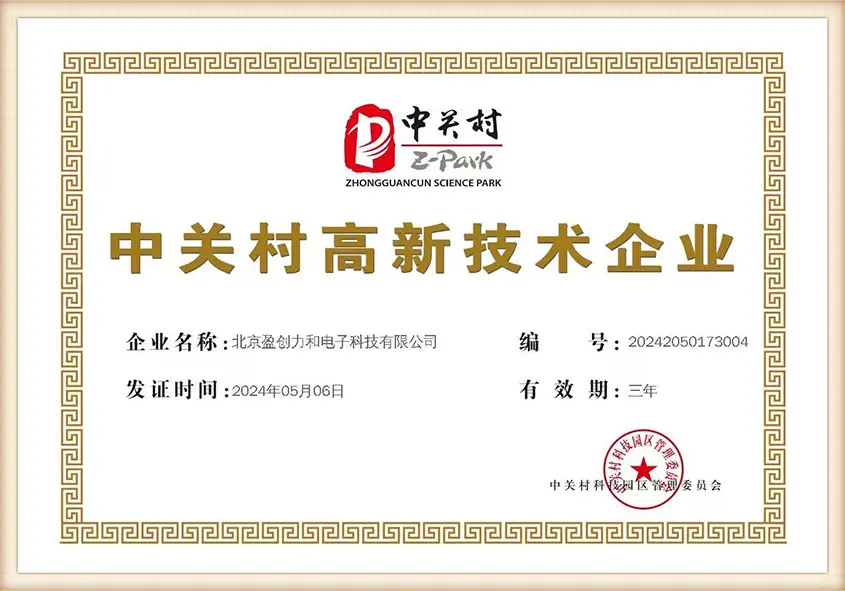
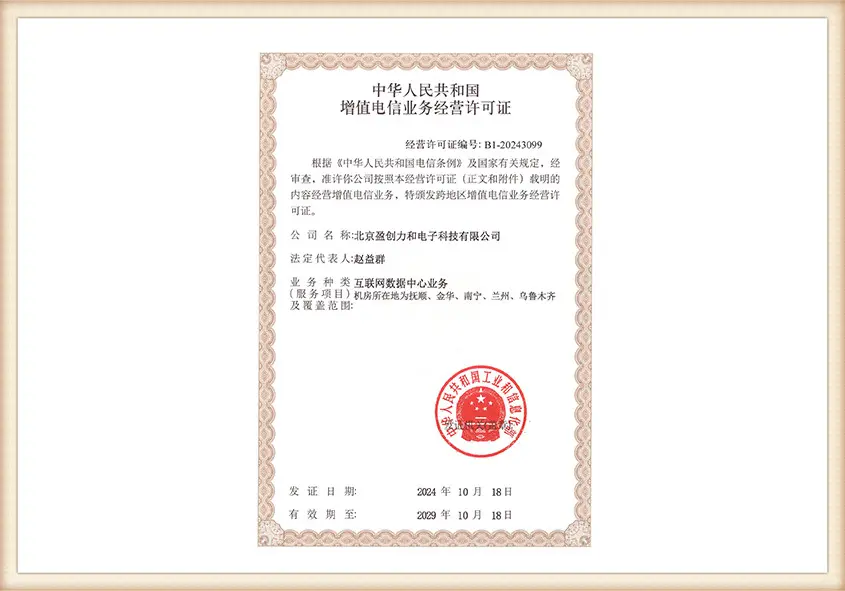
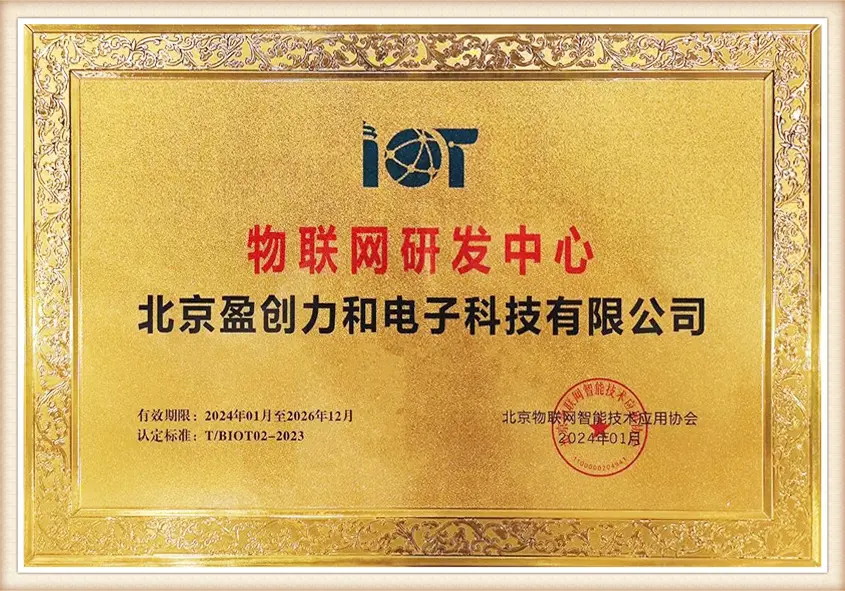
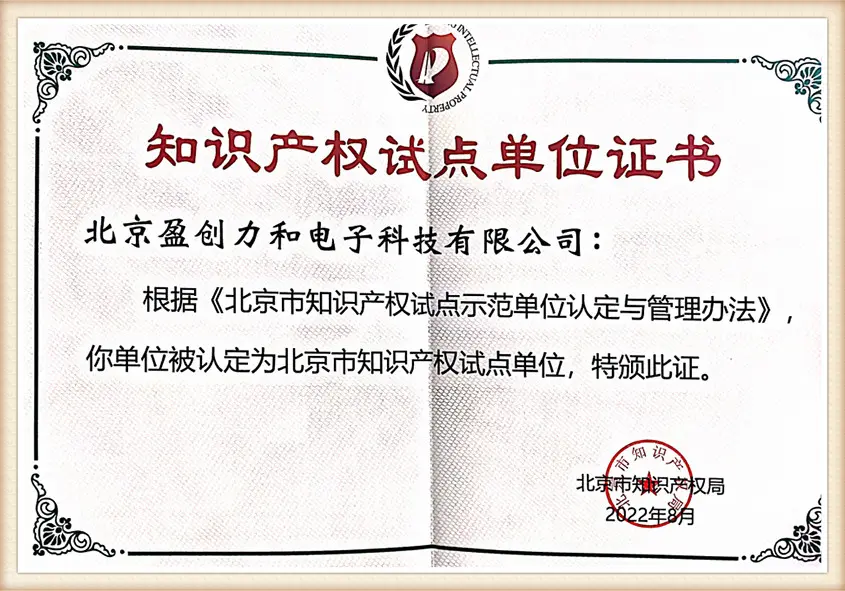
We actively showcase our latest sensor innovations at global electronic, computing, and smart infrastructure expos. By engaging directly with system integrators and site managers, we continue to refine our technical designs to meet real-world operational challenges.
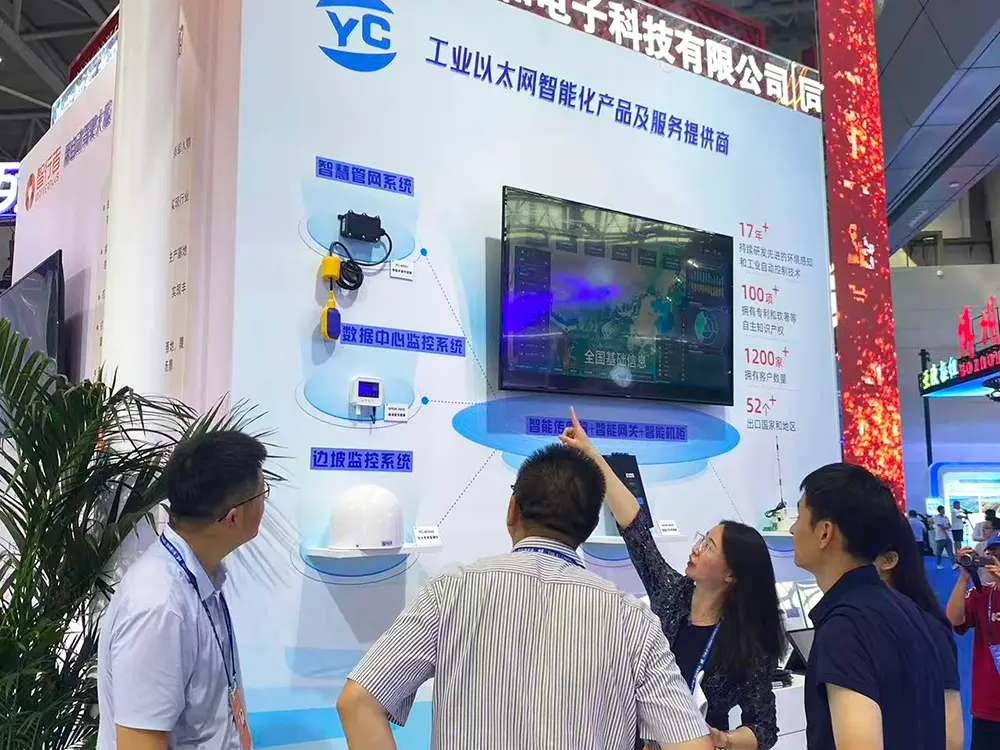
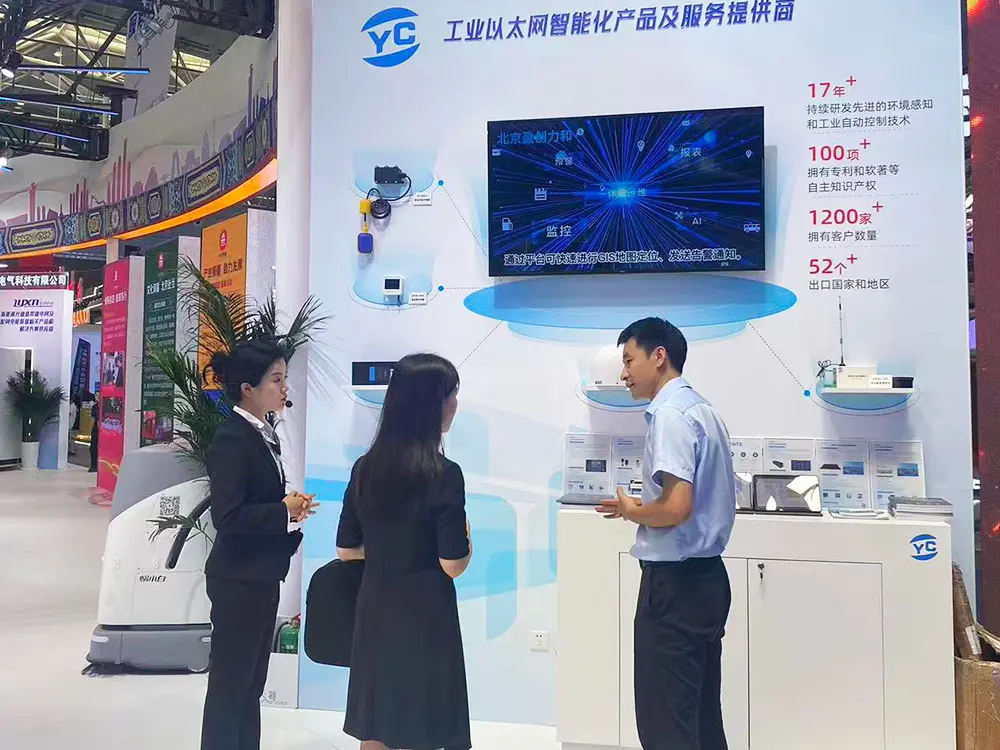
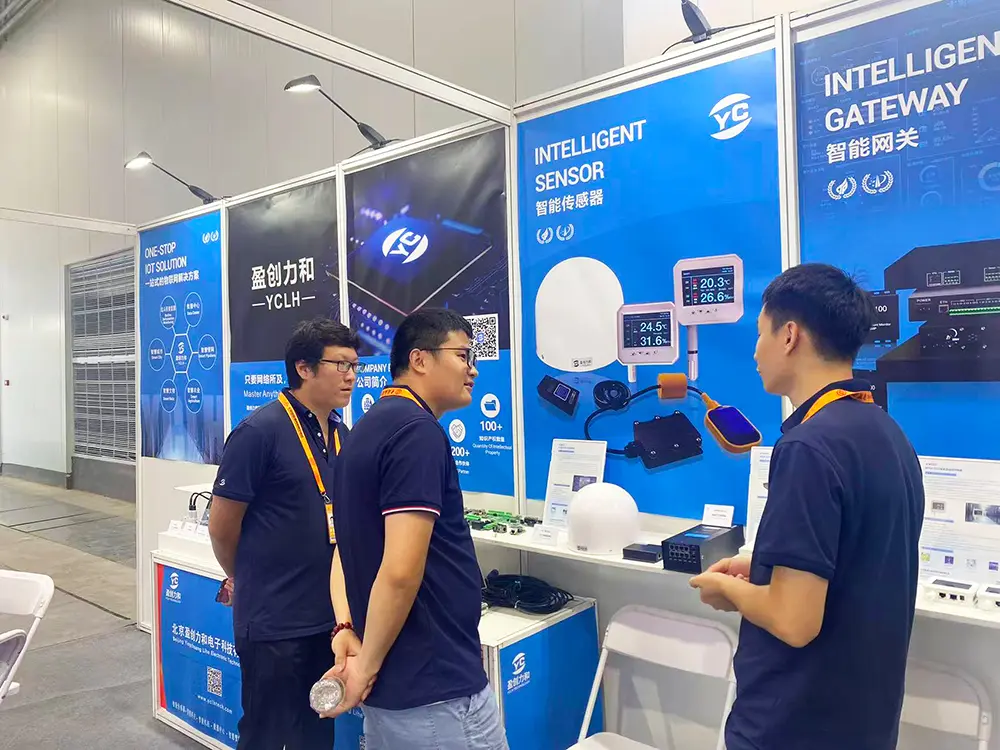
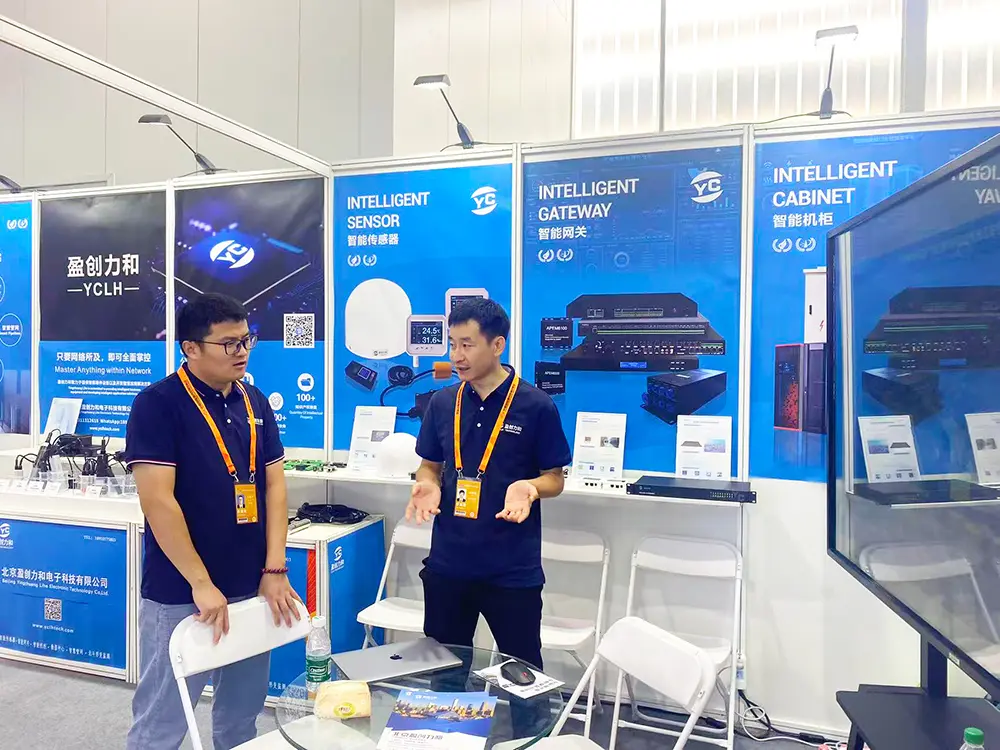
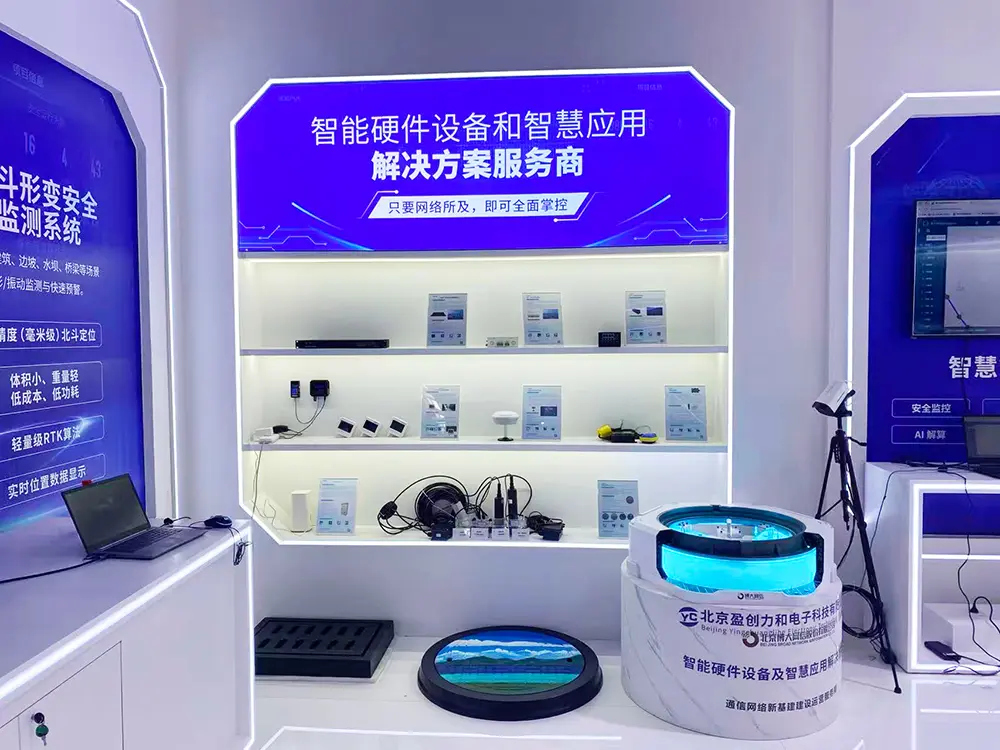
The rapid expansion of artificial intelligence (AI) computing centers, characterized by dense GPU server clusters, is changing thermal management in data centers. Standard rack power densities are shifting from 5kW–10kW up to 40kW–100kW per cabinet. At these high densities, traditional air cooling is often replaced by liquid cooling systems, such as rear-door heat exchangers or direct-to-chip liquid loops.
In liquid-cooled environments, micro-leak detection and local relative humidity monitoring are critical. The presence of water or coolant near high-voltage lines can cause short circuits and equipment damage. Yingchuanglihe is addressing these changes by developing integrated liquid leak detection cables and spot sensors that link with our PoE and LoRaWAN gateways. This ensures early warning capabilities for hybrid-cooled and fully liquid-cooled compute halls.
We are also integrating Beidou high-precision satellite positioning modules into our outdoor monitoring arrays. For large infrastructure projects, such as pipeline networks and data centers in geologically active regions, monitoring structural shift and physical deformation is just as important as tracking thermal metrics. Integrating environmental telemetry with spatial deformation analysis allows operators to manage both data security and physical building integrity under a single dashboard.
Common technical questions regarding the installation, calibration, and integration of environmental sensors.
Wired, wireless, and multi-gas sensor designs built for reliability and precise environmental tracking.
 YCLH Sensor