Explore our premium range of IoT-connected waterproof temperature and humidity sensors featuring robust protective enclosures and Swiss high-end chips.
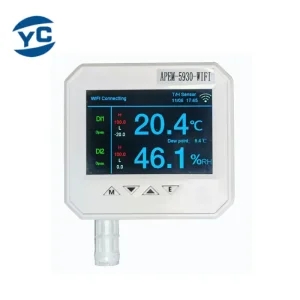
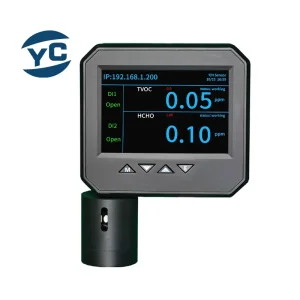
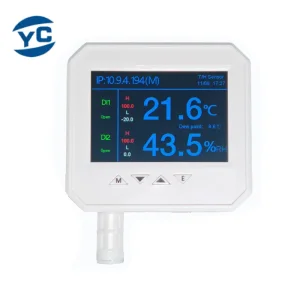
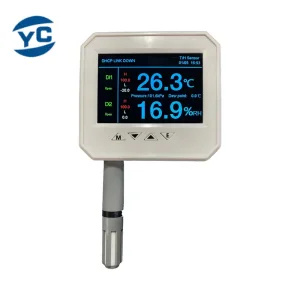
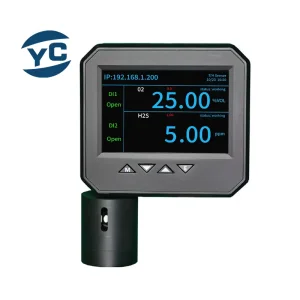
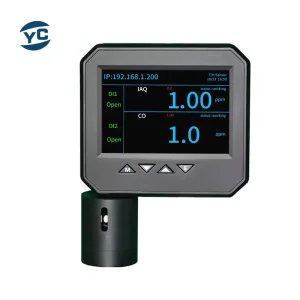
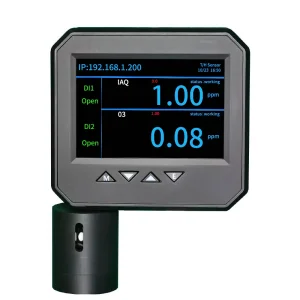
In heavy industrial environments, data centers, agricultural facilities, and outdoor monitoring setups, standard relative humidity (RH) sensors fail due to one key threat: water ingress and long-term saturation drift. A waterproof humidity sensor must perform two conflicting roles. It must protect the sensitive internal chip from liquid water, dust, and corrosive contaminants, while simultaneously allowing water vapor to pass freely to achieve accurate humidity measurements.
Achieving this balance requires advanced filter membranes and protective casing designs. Typically, high-performance waterproof sensors from leading China factories like Yingchuanglihe use porous polytetrafluoroethylene (PTFE) filter caps. These hydrophobic membranes act as physical barriers against liquid droplets (rated up to IP65, IP67, or IP68), yet they maintain high gas permeability. This structure prevents water droplets from directly touching the polymer dielectric layers of Swiss-made or German-made sensor chips, preventing sensor drift, short circuits, and corrosion, even in saturated (100% RH) environments.
Beijing Yingchuanglihe Electronic Technology Co., Ltd. is a high-tech pioneer in environmental monitoring solutions since 2007.
Headquartered in Beijing, China, Yingchuanglihe has established itself as an authoritative manufacturer and designer of multi-parameter sensors. Our production lines feature state-of-the-art SMT placement, high-precision climate testing chambers, and automated calibration equipment. This configuration ensures that every sensor leaving our facility matches the strict requirements of international markets.
Our competitive edge is built on rigorous core design standards. We integrate premium, imported sensor chips from Switzerland and Germany (such as Sensirion temperature-humidity modules) to achieve class-leading long-term stability and rapid response times. Our full range of products is certified with CE, FCC, and RoHS, ensuring worry-free integration into Western European and North American industrial setups. With a robust customer support team responding to inquiries within 8 hours, we provide reliable global supply, complete OEM/ODM customization services, and tailored firmware protocols for diverse IoT ecosystems.
Utilizes specialized PTFE breathable membranes to allow water vapor transport while blocking liquids, dust, and particulate matter.
Leverages imported MEMS chips that provide industry-leading accuracy of ±1.5% RH and ±0.1°C temperature measurements.
Supports Power over Ethernet (PoE), Modbus TCP/RTU, SNMP, MQTT, HTTP, and LoRaWAN protocols for seamless IoT platform pairing.
The global electronics supply chain revolves around industrial hubs in China, and environmental sensors are no exception. The synergy between high-precision Swiss microchips and Chinese design optimization, SMT assembly capacity, and mechanical engineering creates a highly competitive product. By sourcing from a specialized Chinese factory like Yingchuanglihe, global procurement teams realize several key benefits:
The environmental monitoring industry is undergoing a paradigm shift driven by the expansion of the Industrial Internet of Things (IIoT). Modern facilities require real-time, granular monitoring at a lower total cost of ownership. The key trends shaping the waterproof sensor market include:
1. Multi-Sensor Fusion: A single device is no longer expected to monitor just humidity. Industrial customers increasingly demand all-in-one gateways that track temperature, relative humidity, atmospheric dew point, air pressure, and volatile chemical contaminants simultaneously. Our APEM-5930G series is designed for this purpose.
2. Wired & Wireless Hybrid Deployments: Reliability is critical. Dual-mode systems, like the APEM-5930W, combine wired Ethernet with wireless WiFi backups. If one network path is interrupted, the other ensures continuous data transmission to prevent critical system failures.
3. Edge Computing & Direct Relays: Modern sensors do more than report numbers. Built-in microcontrollers execute edge computations, and integrated dry-contact relay outputs allow sensors to trigger ventilation, dehumidifiers, or alarms directly if pre-configured thresholds are breached.
Our environmental monitoring sensors are deployed in challenging infrastructure projects worldwide, from high-speed rails to autonomous driving systems.

Dehumidification and cooling cycles in data centers depend on real-time dew point calculations. Deployed at Baidu’s Yangquan Data Center, our PoE temperature and humidity sensors prevent condensation on server racks, ensuring high availability and uptime.

Our sensors maintain tight control of climate variables in cleanrooms to comply with GMP standards. The APEM-5930P series monitors temperature, humidity, dew point, and differential atmospheric pressure to prevent cross-contamination.

In partnership with Beijing Enterprises Water Group, our waterproof sensors are installed inside wet wells and municipal pipelines. IP68-rated casings prevent damage from high humidity and flooding while transmitting data via long-range LoRaWAN links.
Beyond standard commercial installations, Yingchuanglihe has developed solutions for complex infrastructure projects. In 2009, we partnered with Switzerland's COMLAB to supply our protective TH-5869 environmental monitoring devices for major Chinese high-speed railway initiatives (including the Beijing-Kowloon and Wuhan-Guangzhou lines). These sensors endure severe mechanical vibrations, broad temperature swings (-40°C to +85°C), and water splash hazards.
In 2021, we contributed to Beijing's high-level autonomous driving road tests. Our sensors were integrated into road-side edge computing cabinets, protecting sensitive processing units from heat-induced failure and moisture condensation, contributing to the safety of modern V2X networks.
Over 18 years of technological breakthroughs and strategic partnerships.
Company founded. Developed the first intelligent environmental monitoring terminal based on TCP/IP and the initial monitoring software suite.
Partnered with Mocha Software to launch the TH-5939 series of SNMP environmental monitoring products for complex IT systems.
Collaborated with COMLAB (Switzerland) to implement TH-5869 protective monitoring devices on Beijing-Kowloon and Beijing-Shanghai High-Speed Rails.
Launched the APEM-6100 in partnership with Founder Technology, one of the earliest environmental monitors adopting Power over Ethernet (PoE) technology.
Partnered with Foxconn, establishing our sensors as a benchmark standard for environmental tracking across large-scale electronics manufacturing plants.
In partnership with Baidu, deployed the APEM-5900 intelligent environment terminal at Baidu's Yangquan Data Center. Upgraded software to support multi-parameter monitoring.
Introduced a smart solutions system to handle multi-scenario project integrations, expanding from data centers to smart parks.
Launched the integrated outdoor cabinet monitoring system, deployed in Huawei and China Merchants Huaruan ETC expressway projects.
Designed and manufactured integrated road test enclosures and edge computing gateways for Beijing's autonomous driving test routes.
Constructed specialized computing center monitoring systems, providing technical support for intelligent computing infrastructure nodes.
Established divisions with Beijing Enterprises Water Group and co-founded a Beidou division with BUCEA. Secured official IDC business qualifications.
Ensuring compliance and reliable field performance for global deployments.
Our production facilities maintain compliance with international standards. Our sensors are fully certified with CE, FCC, and RoHS to meet European and North American regulatory guidelines. We employ systematic testing protocols, subjecting each batch to simulated climate stress, long-term drift analysis, and electrical surge protection checks.
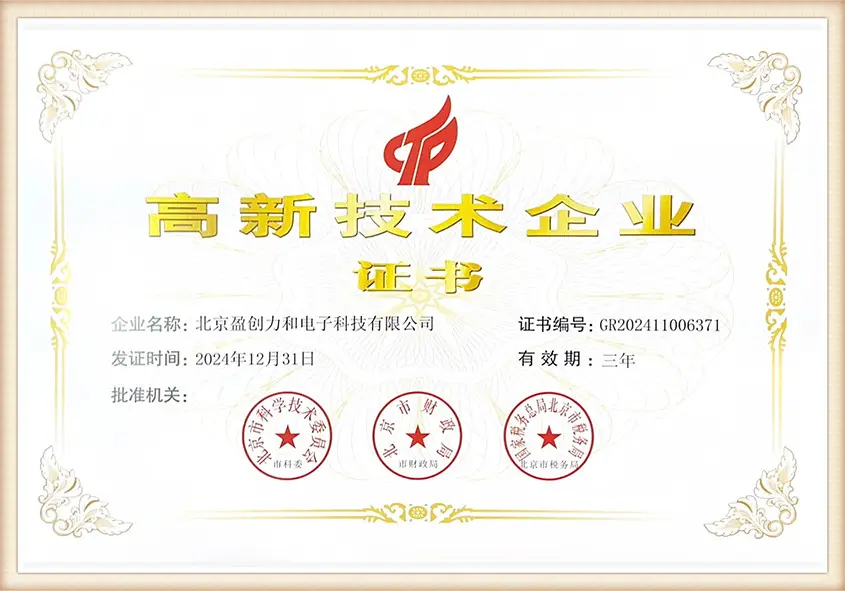
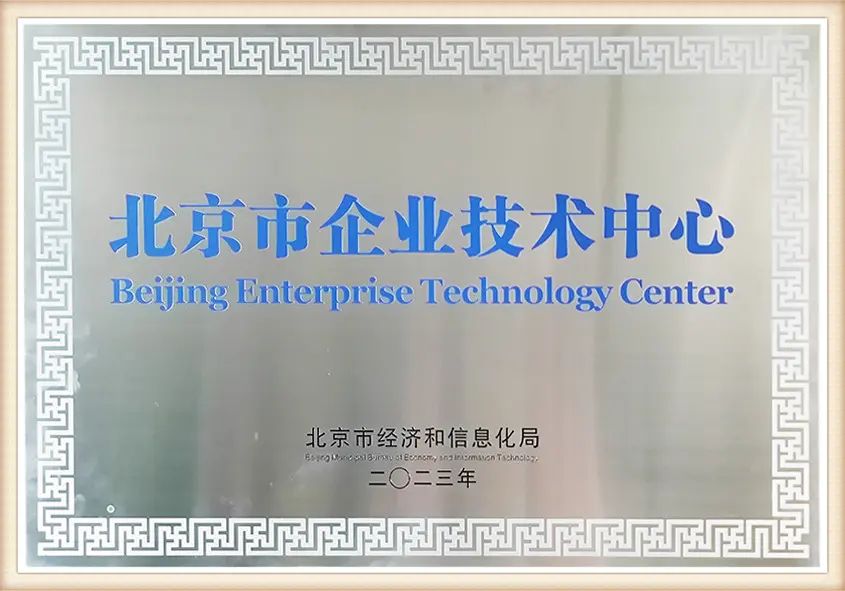
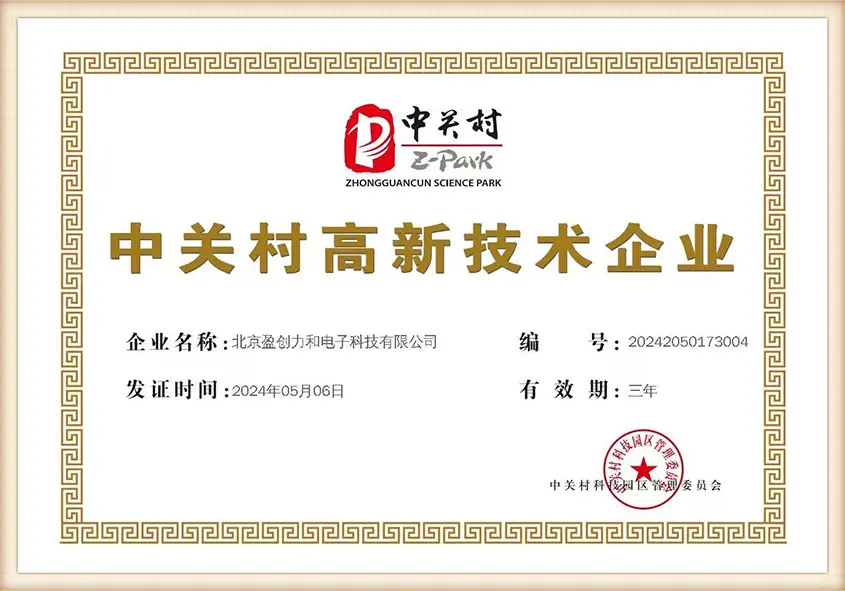
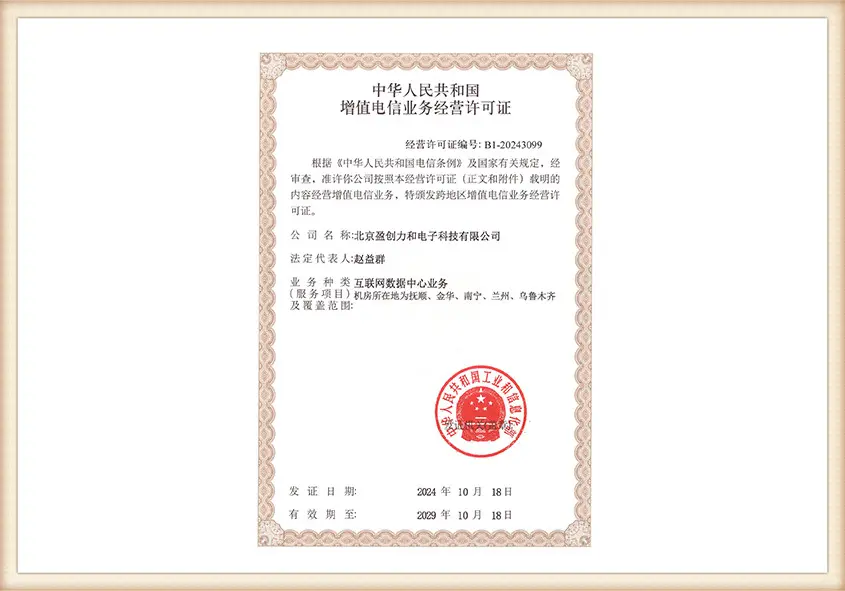
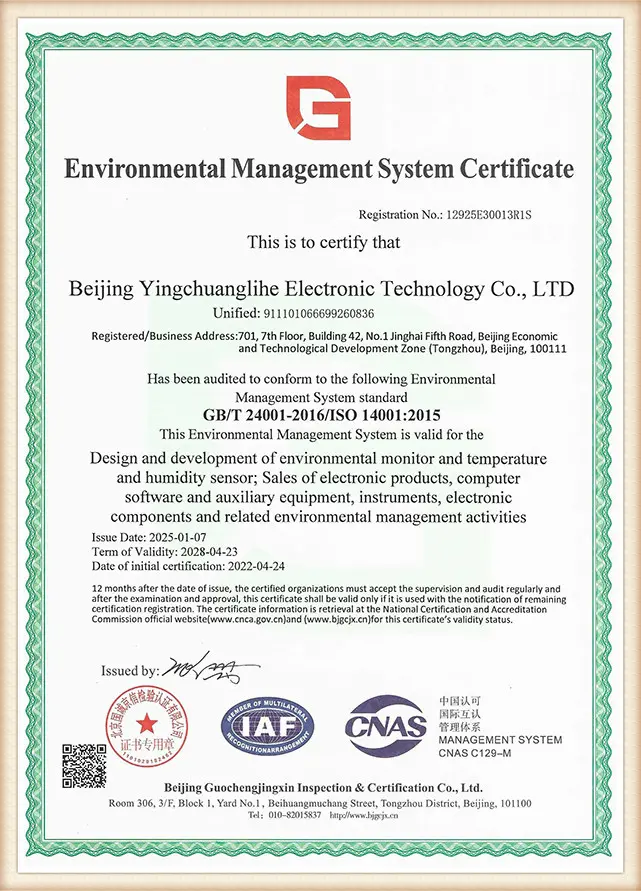
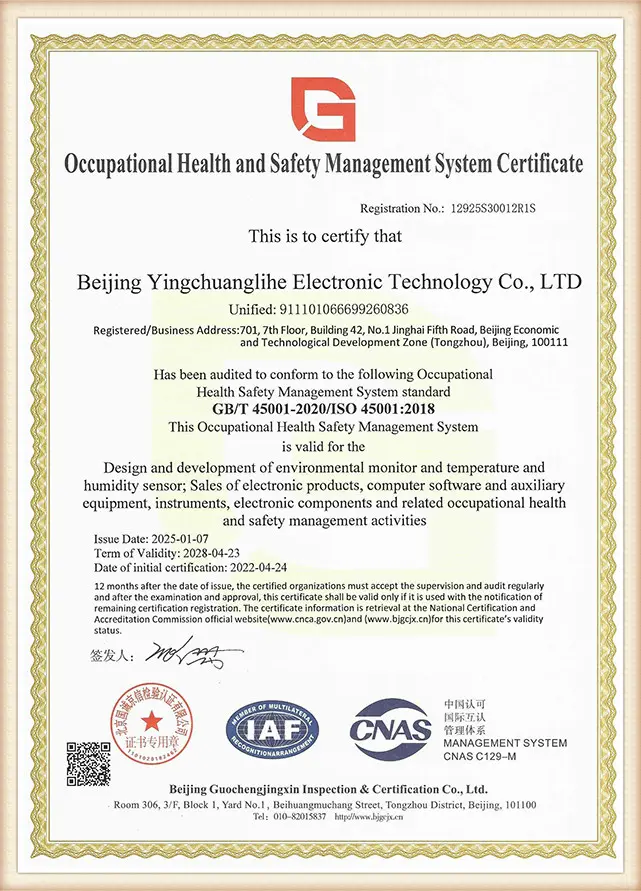
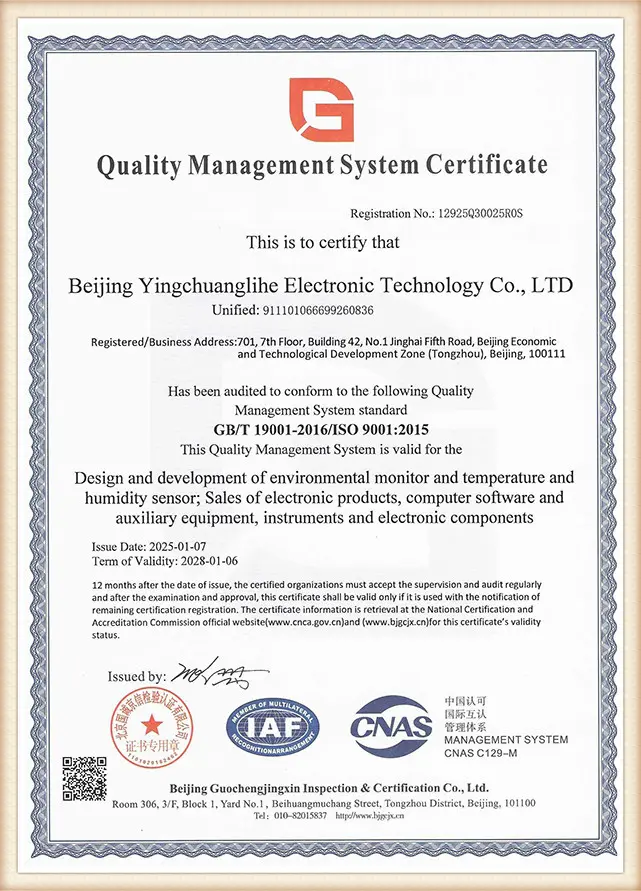
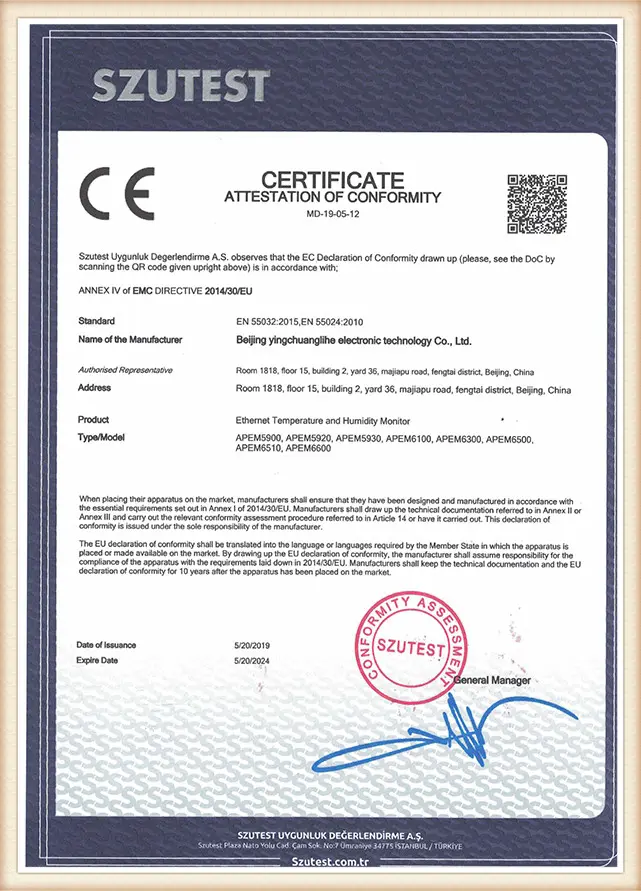
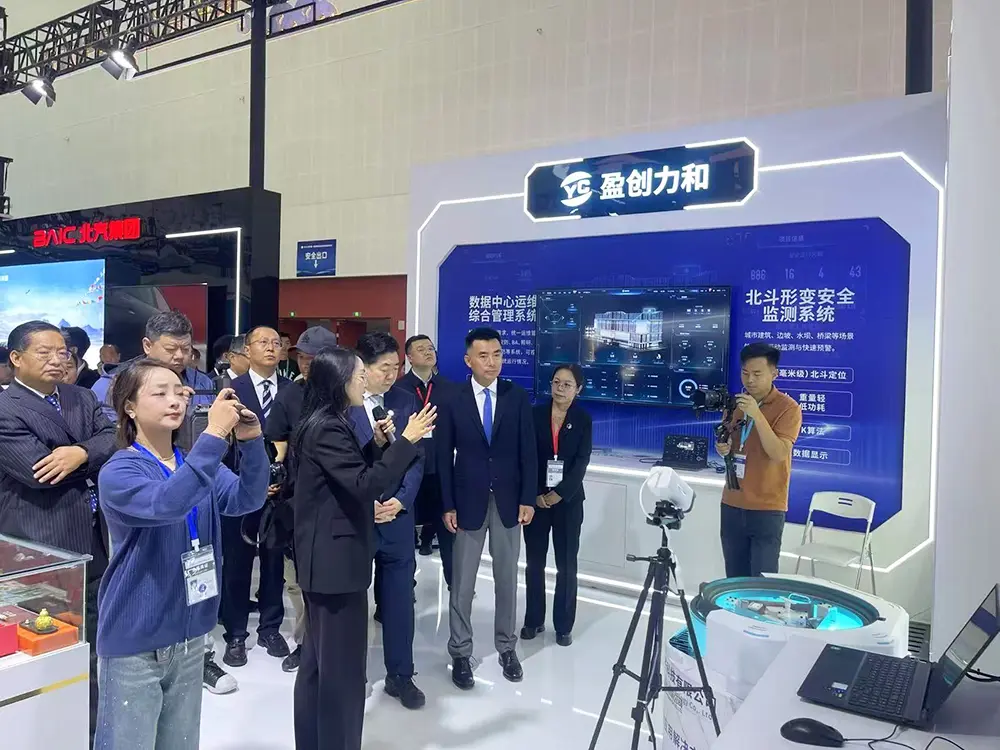
Sharing our technology and collaborating with global partners at major electronics events.
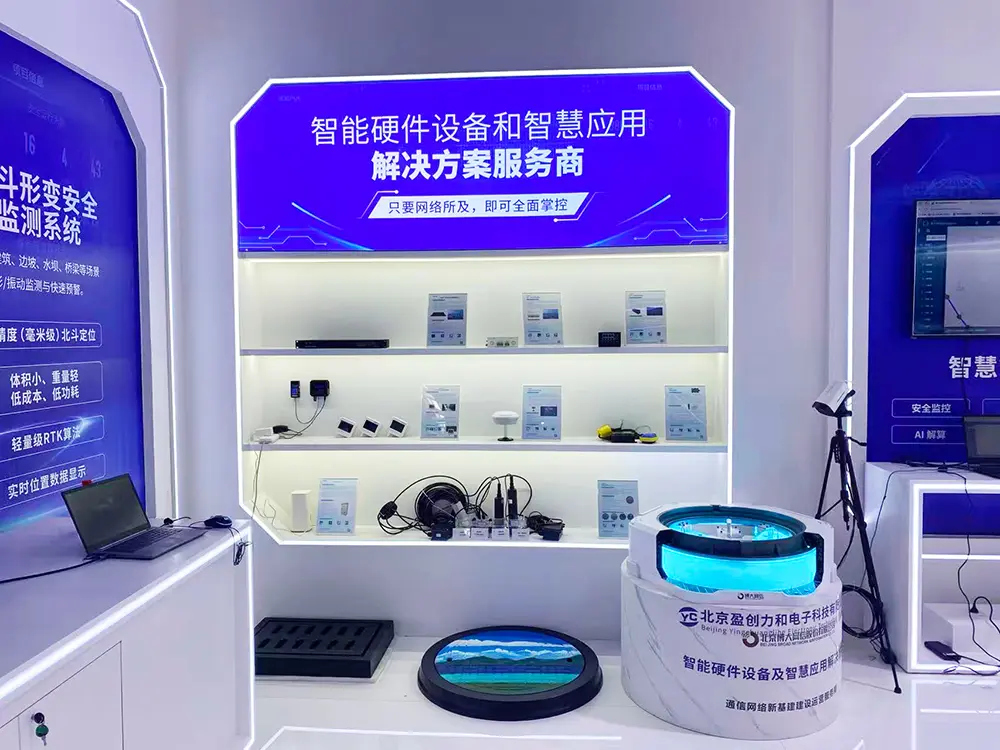
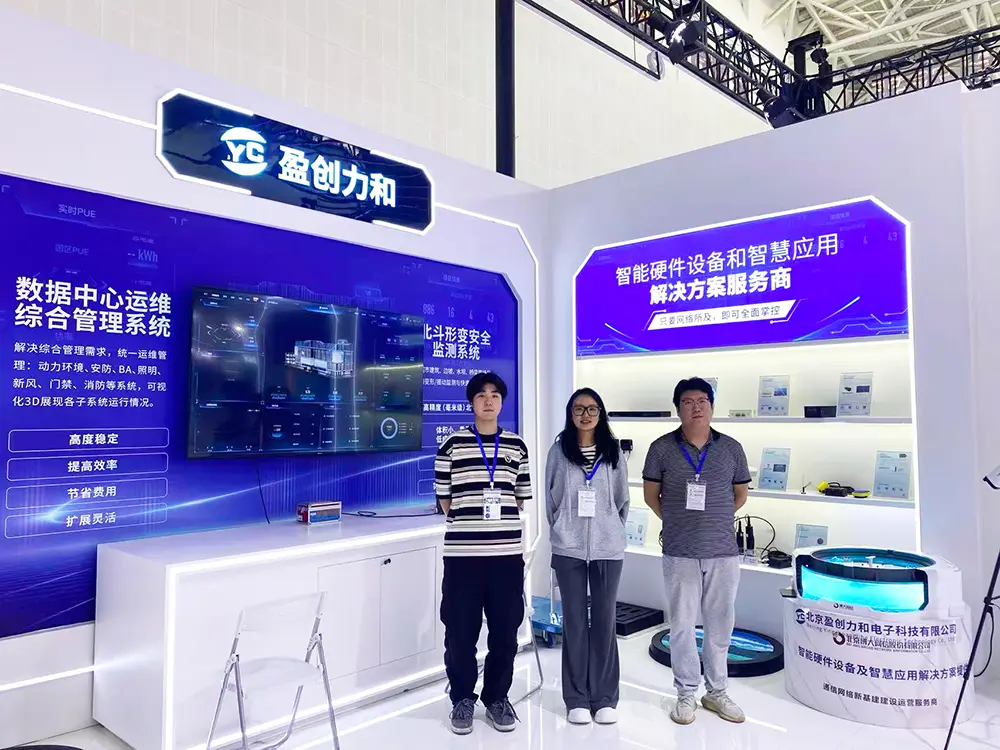
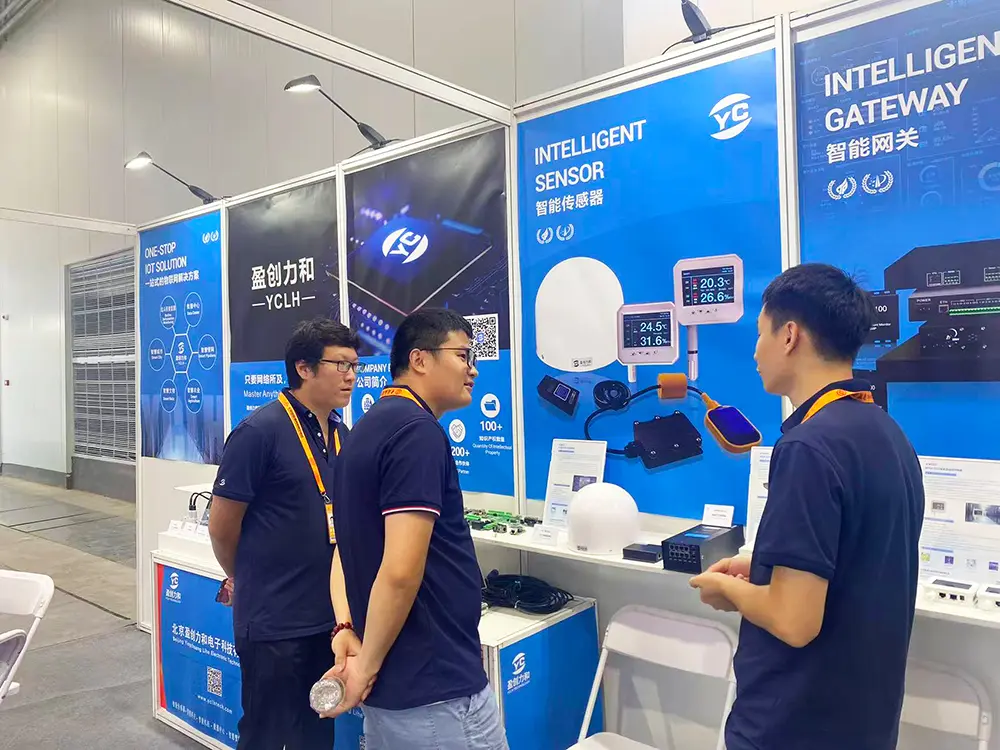
For procurement officers in multinational organizations, selecting the right sensor manufacturer requires balancing performance, durability, and integration. Enterprise specifications typically focus on several key engineering criteria:
1. Long-Term Drift Stability: Sensors deployed in hard-to-access sites (like high mast towers, deep water wells, or complex ventilation shafts) must maintain calibration over years. Standard models can drift by more than 1% to 2% RH annually when exposed to high-humidity cycles. Procurement specs demand advanced MEMS technology with drift rates limited to <0.25% RH per year, reducing field maintenance overhead.
2. Interoperability and Power Delivery: Modern smart buildings rely on simple wiring setups. Power over Ethernet (PoE) is the standard in high-density rack systems, cleanrooms, and municipal installations. PoE-capable sensors combine power supply and communication over a single RJ45 cable, reducing installation labor and point-of-failure risks. Support for Modbus TCP, SNMP (v1/v2c/v3), and MQTT allows systems integrators to quickly map data points into SCADA, DCIM, or cloud dashboards.
3. Enclosure Integrity: High humidity is often accompanied by aggressive cleaning agents, dust, or saline sea air. Sensors must be housed in impact-resistant, fire-retardant (UL94-V0) polycarbonate or stainless steel enclosures. Proper cable gland designs and gas-permeable, splash-resistant sensor caps ensure internal circuitry remains isolated from environmental threats.
Get answers to common technical and integration questions about waterproof relative humidity sensors.
Complete your environmental telemetry system with our long-range wireless networks and multi-parameter air quality loggers.
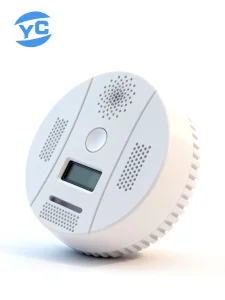
 YCLH Sensor