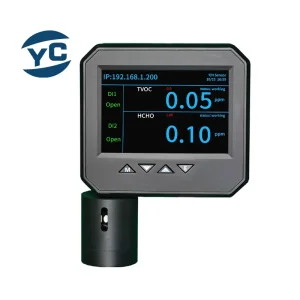
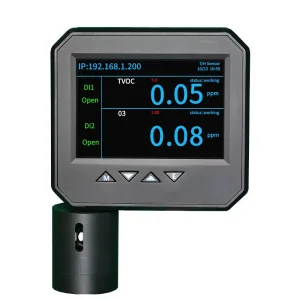
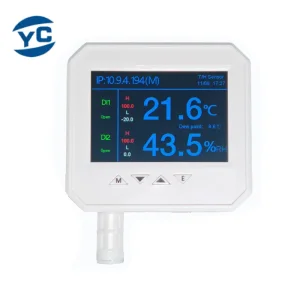
Engineered for high-density metropolitan deployments, providing NIST-traceable measurement metrics with low-power long-range communication.
The Seattle metropolitan area represents one of the most advanced technological and industrial hubs in North America. Home to global giants in cloud computing, aerospace engineering, bio-pharmaceuticals, and green building design, the region demands an unprecedented level of precision in environmental monitoring. As building operators in King County comply with the rigorous requirements of the Washington State Clean Buildings Performance Standard, the deployment of intelligent, reliable sensor networks has transitioned from a operational choice to a compliance-driven necessity.
LoRa (Long Range) wireless technology, operating within the license-free 915 MHz ISM band in North America, provides the ideal infrastructure for this geographic landscape. Seattle's unique physical challenges—comprising hilly topography, coastal marine climates, and high-density urban corridors—often degrade standard Wi-Fi and Bluetooth signals. Yingchuanglihe's LORA series of industrial transceivers delivers robust signal penetration through dense building envelopes, multi-story concrete parking structures, and sub-surface industrial zones without the overhead cost of extensive cabling.
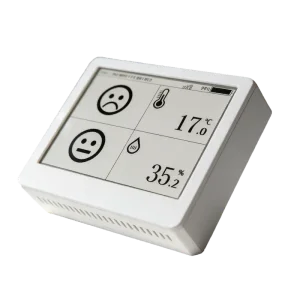
Micro-climate optimization inside server cabinets to prevent hotspots and moisture condensation in cloud computing clusters.
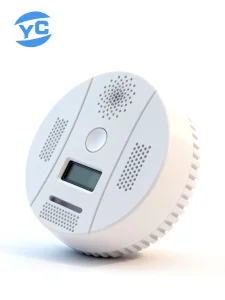
Meeting Seattle HVAC requirements by continuous monitoring of TVOCs, Carbon Monoxide, and relative humidity indices.
Ensuring seafood processing plants in Puget Sound maintain strict temperature controls under FDA Hazard Analysis Regulations.
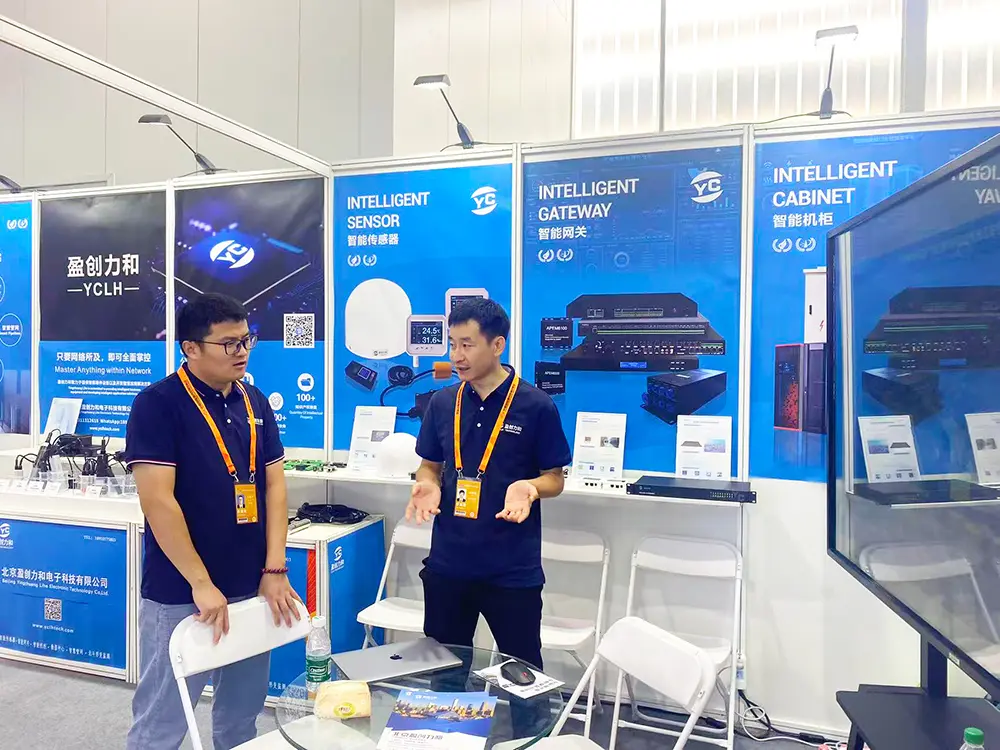
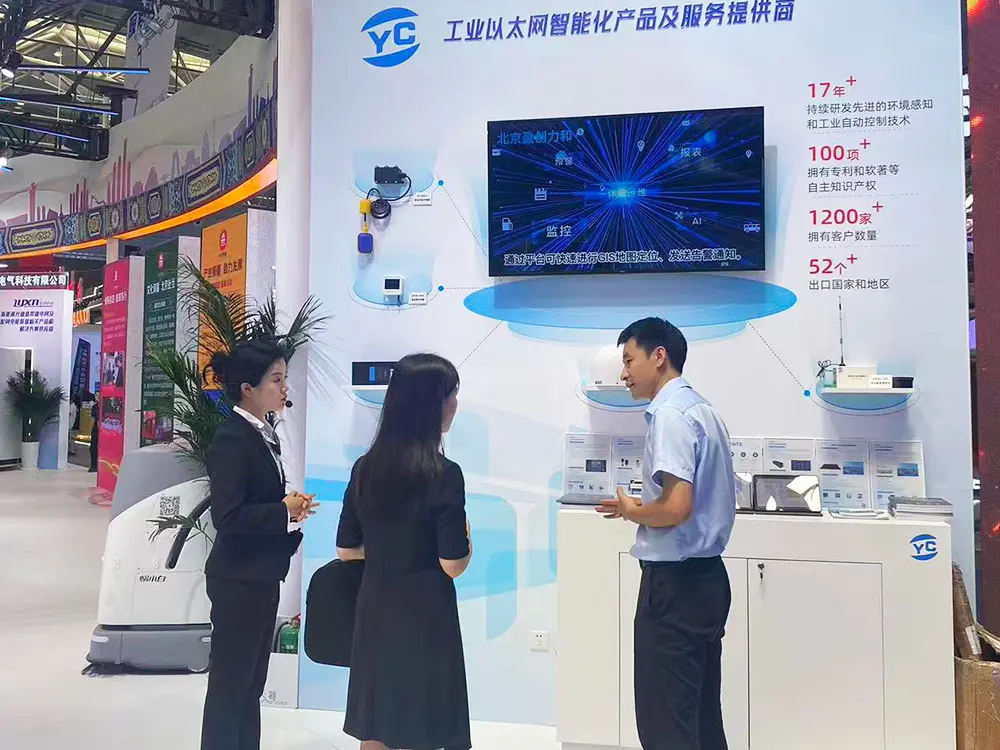
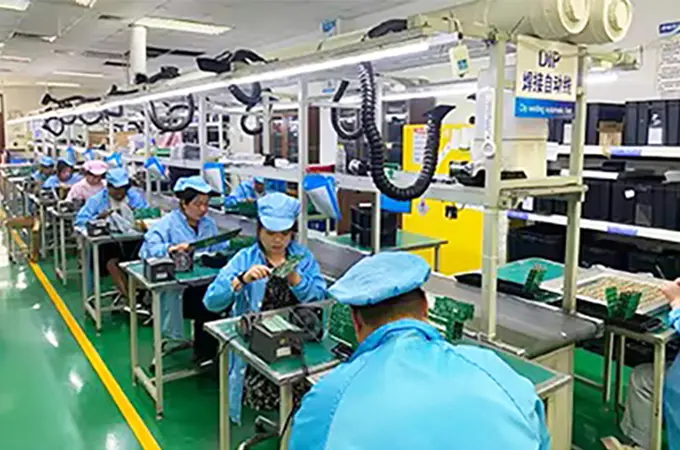
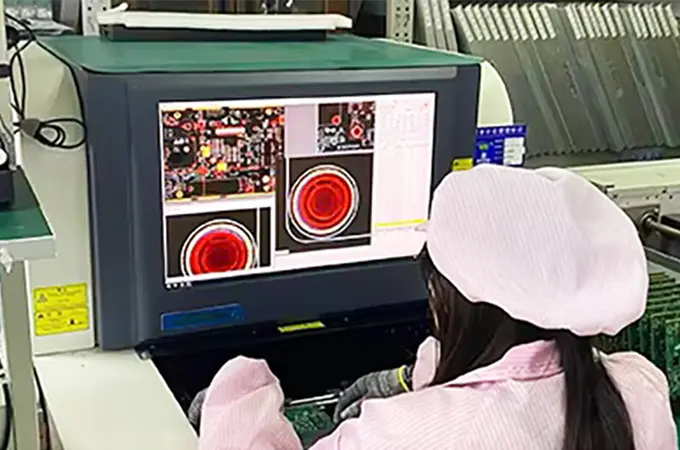
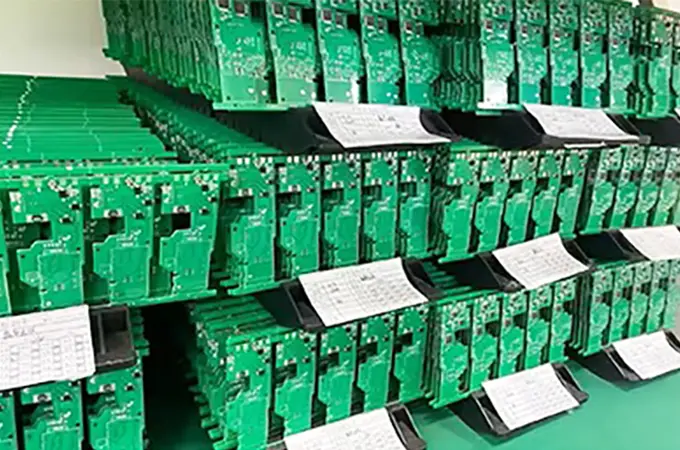
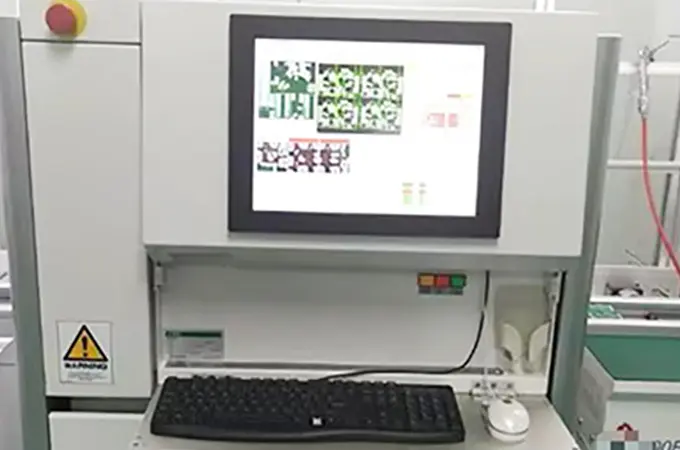
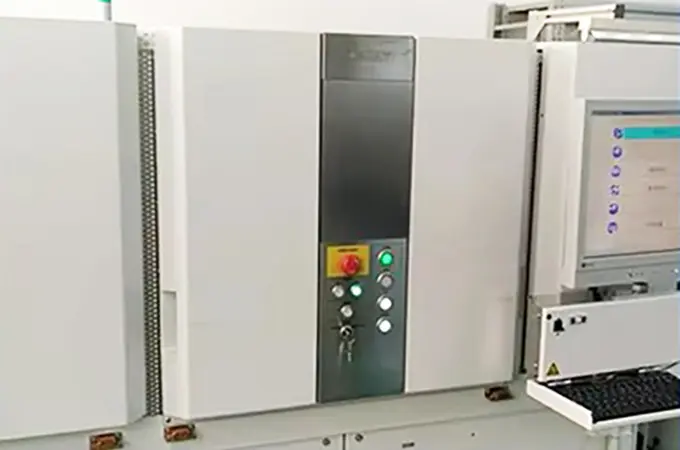
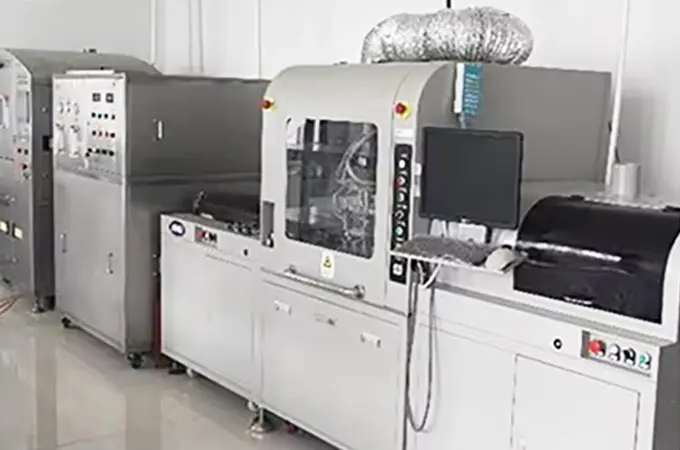
Established in 2007, Beijing Yingchuanglihe Electronic Technology Co., Ltd. has developed into a premier manufacturer and designer of industrial-grade environmental monitoring transceivers. Operating from a modern 1,500 square meter ISO 9001-certified production facility, we deploy state-of-the-art automated surface-mount lines alongside dedicated calibration and testing chambers. Over eighteen years of R&D experience has enabled us to engineer sensor systems equipped with imported high-precision Swiss and German transduction chips, ensuring ultra-low drift coefficients and high long-term operational stability.
Developed our first intelligent environmental monitoring terminal based on native TCP/IP protocols, providing early building integration platforms.
Collaborated with Switzerland's COMLAB to develop the TH-5869 protective industrial transceiver, utilized heavily in high-speed rail corridors.
In partnership with Baidu, launched the next-generation APEM-5900 intelligent network terminal, deployed inside the massive Baidu Yangquan Data Center.
Deeply integrated into autonomous driving infrastructure networks, designing the sensor platforms for municipal edge-computing roadside cabinets.
Co-founded a dedicated Beidou High-Precision deformation monitoring division. Obtained national Internet Data Center (IDC) qualification licenses.
Years of Industrial Innovation
Production Facility Area (㎡)
Highly Skilled Technicians
Automated Production Lines
Choose from our specialized Ethernet, Wi-Fi, and LoRa sensor portfolio. Fully customizable with specific probe lengths and communication profiles.
Globally, industrial organizations are undergoing a massive transition toward digitized telemetry platforms. The integration of Modbus RTU over RS-485, Modbus TCP over Ethernet, and low-power wide-area wireless network topologies (LPWAN) like LoRaWAN constitutes the framework of modern industrial infrastructure. This convergence enables legacy manufacturing plants, wastewater treatment systems, and logistics centers to transition from reactive maintenance procedures to predictive, condition-based operational algorithms.
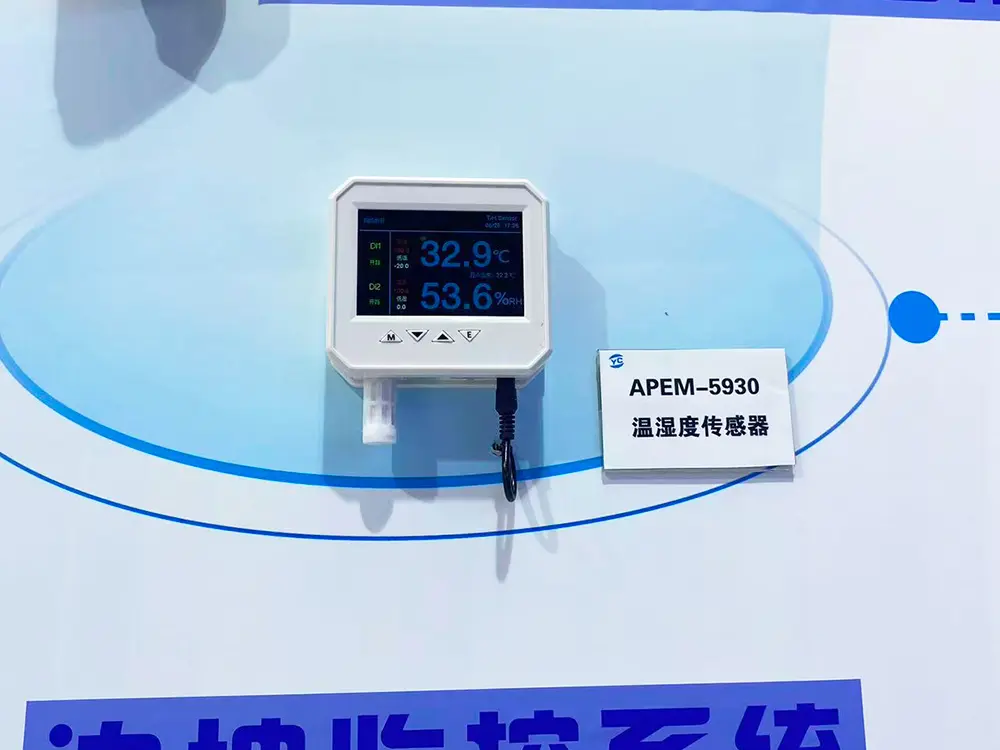
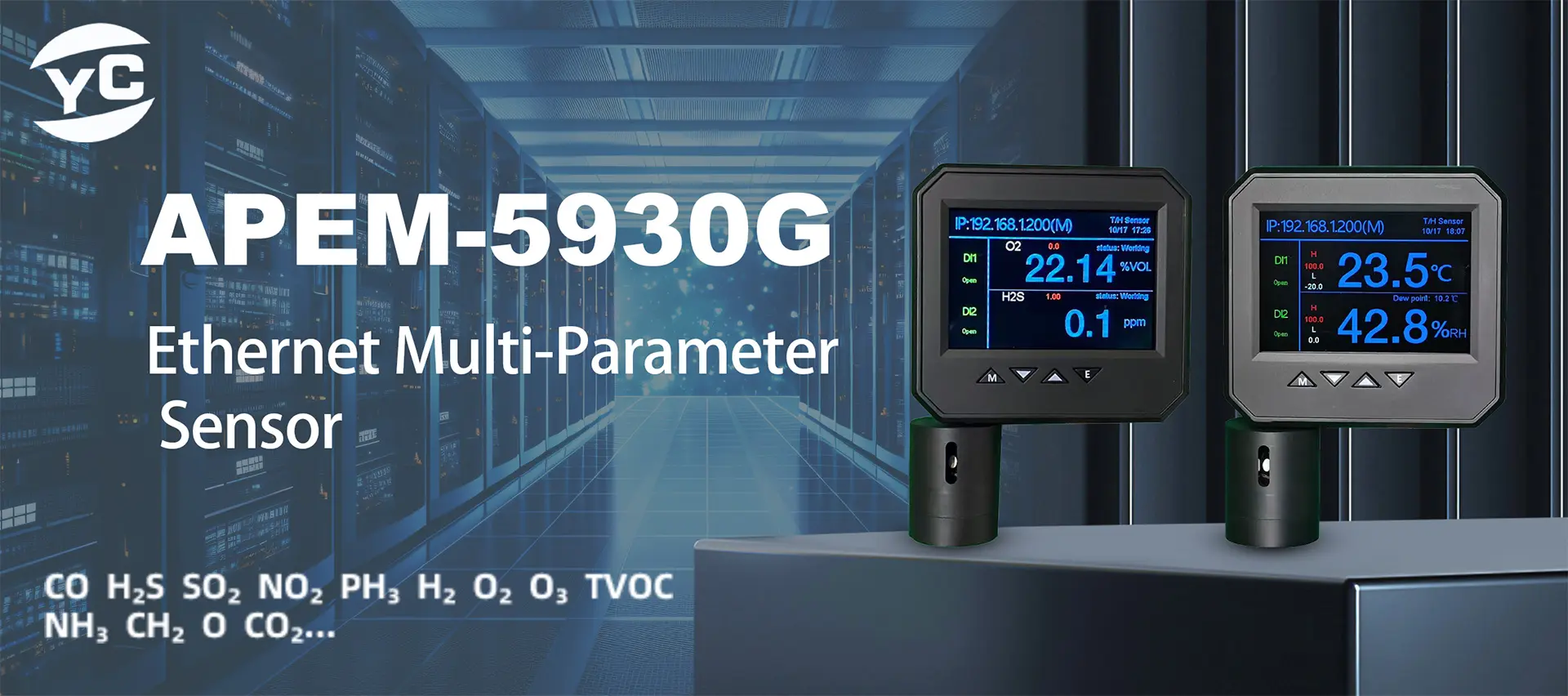
Yingchuanglihe designs industrial sensors to solve critical global telemetry challenges. By integrating imported high-accuracy components from industry-leading silicon foundries in Germany and Switzerland, our hardware ensures measurement consistency. For example, our APEM-5930 and APEM-5736 families are engineered to operate in high electromagnetic interference (EMI) fields. They incorporate isolated electrical paths, high levels of electro-static discharge (ESD) protection, and rugged enclosures designed to withstand extreme thermal conditions and corrosive atmospheres.
In municipal smart utilities, our multi-parameter environmental transducers interface directly with supervisory control and data acquisition (SCADA) complexes. This direct integration is achieved through standardized communication registers, which simplifies integration with third-party software, PLCs, and cloud IoT hubs (such as AWS IoT Core and Azure IoT). Our hardware simplifies local loops, allowing operators to deploy plug-and-play monitoring grids that lower overall infrastructure costs.
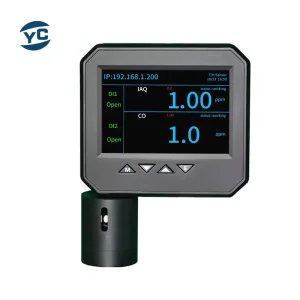
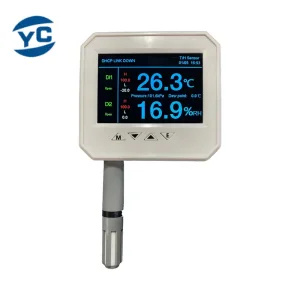
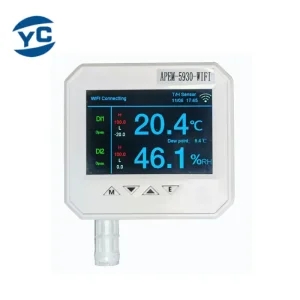
1. Data Centers and Hyperscale Infrastructure: Throughout the Pacific Northwest, large server complexes rely on consistent cooling. Yingchuanglihe's Power-over-Ethernet (PoE) sensors, including the APEM-5930, offer clean, single-cable installations to monitor temperature, humidity, and dew point inside rack cabinets. This real-time data helps prevent cold-aisle bypass issues and electrostatic discharges, maintaining optimal server uptime.
2. Biomedical Laboratories & Research Cleanrooms: In research centers across Seattle, maintaining differential pressure and tight temperature-humidity profiles is crucial. Our APEM-5930P and APEM-5930E models provide high-precision monitoring for environmental chambers and cleanroom zones, helping researchers meet strict QA/QC standards.
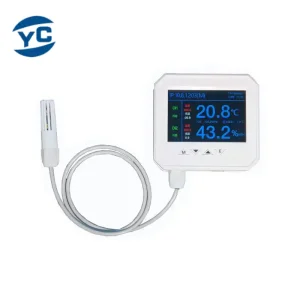
3. Maritime Operations & Cold Chain Monitoring: Along the Seattle waterfront and in local food processing facilities, maintaining strict cold chain compliance is essential. Our ruggedized APEM-5736 LoRa transmitters send environmental telemetry through thick walk-in freezers and shipping holds directly to central gateways, helping operators protect valuable cargo and verify regulatory compliance.
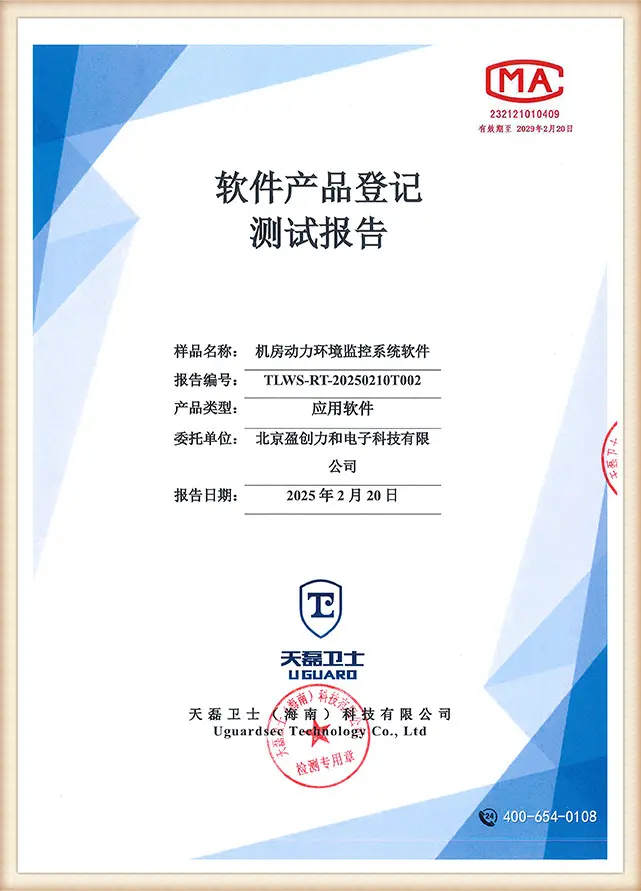
Yingchuanglihe maintains a robust quality management framework. Our hardware complies with international regulations, carrying CE, FCC, and RoHS certifications. We subject our equipment to rigorous validation procedures, including multi-point environmental chamber calibrations, thermal shock testing, and electromagnetic compatibility audits. This testing ensures that our sensors perform reliably upon installation in demanding industrial environments.
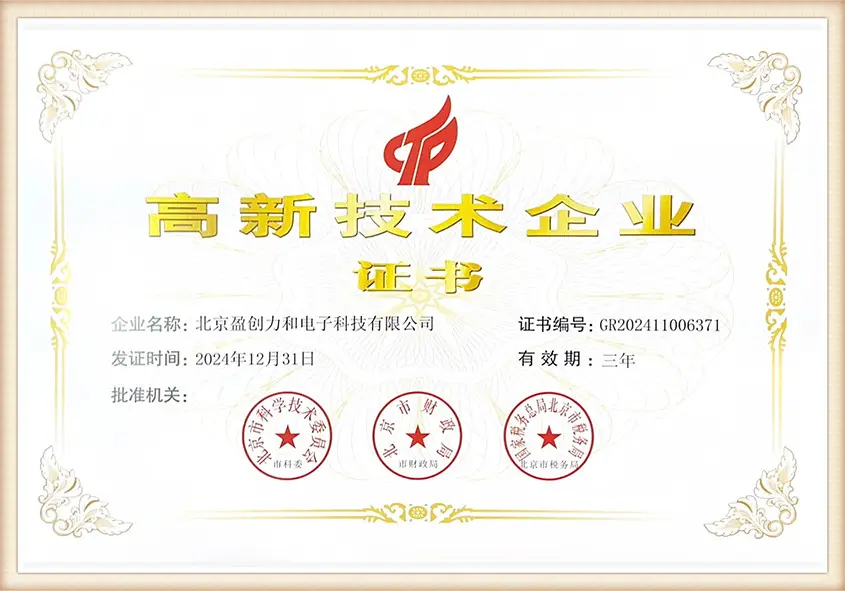
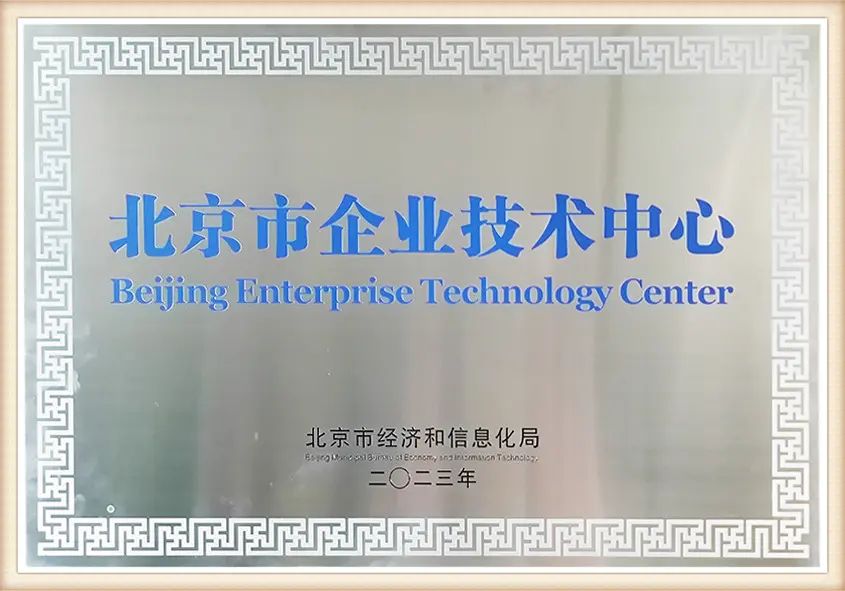
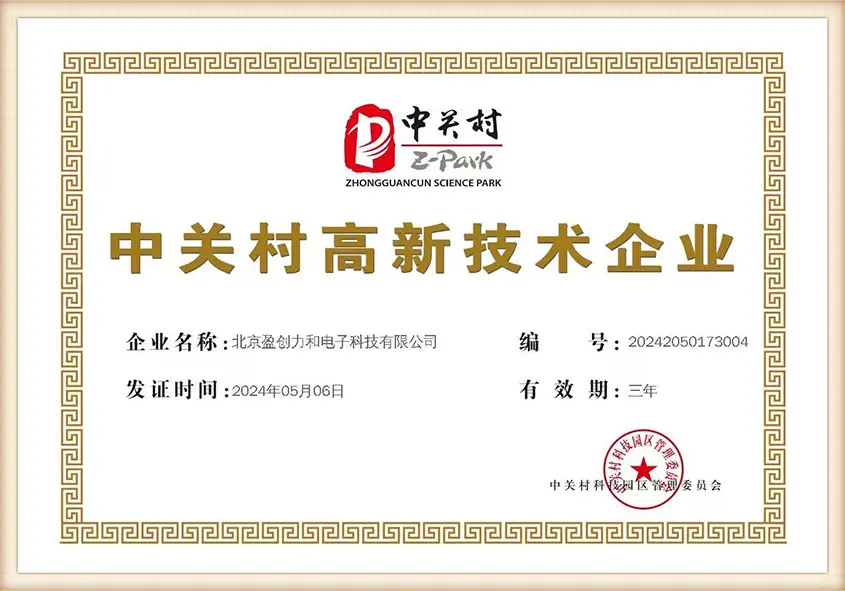
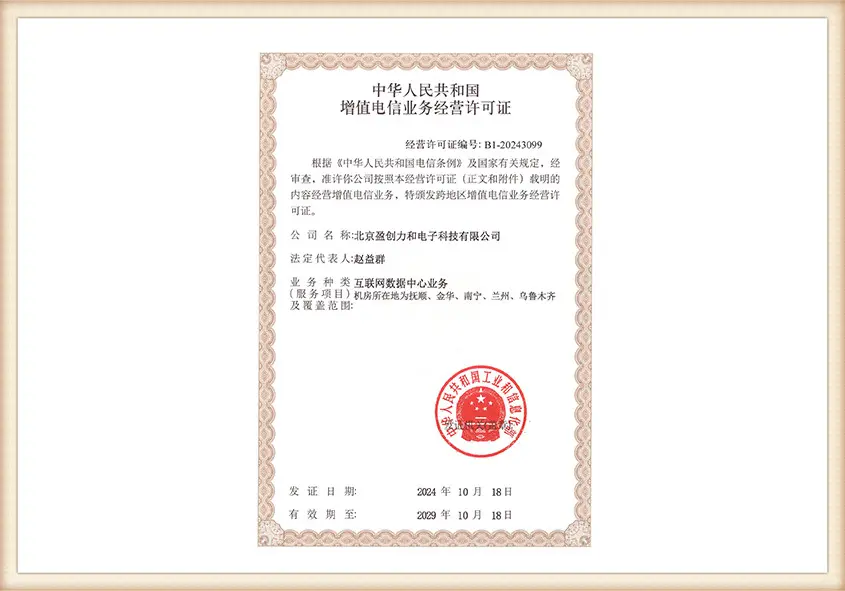
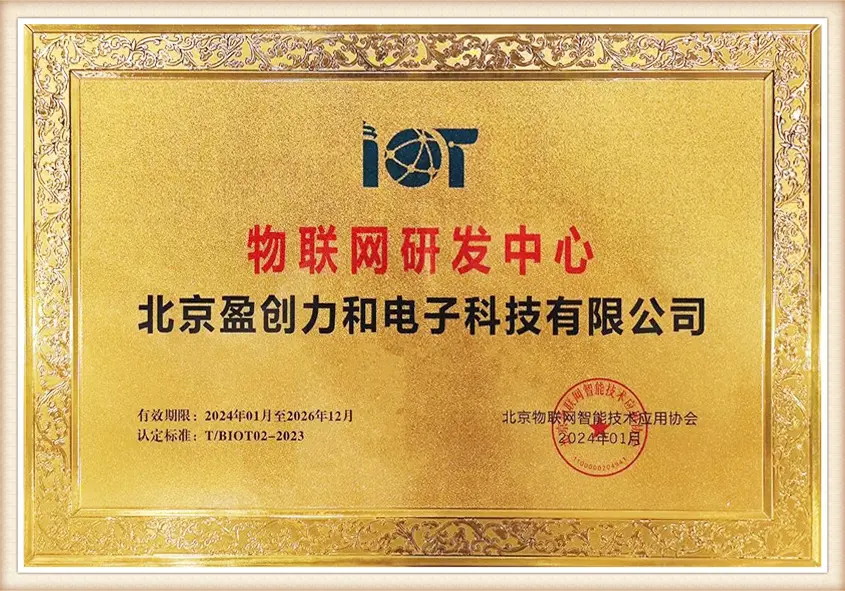
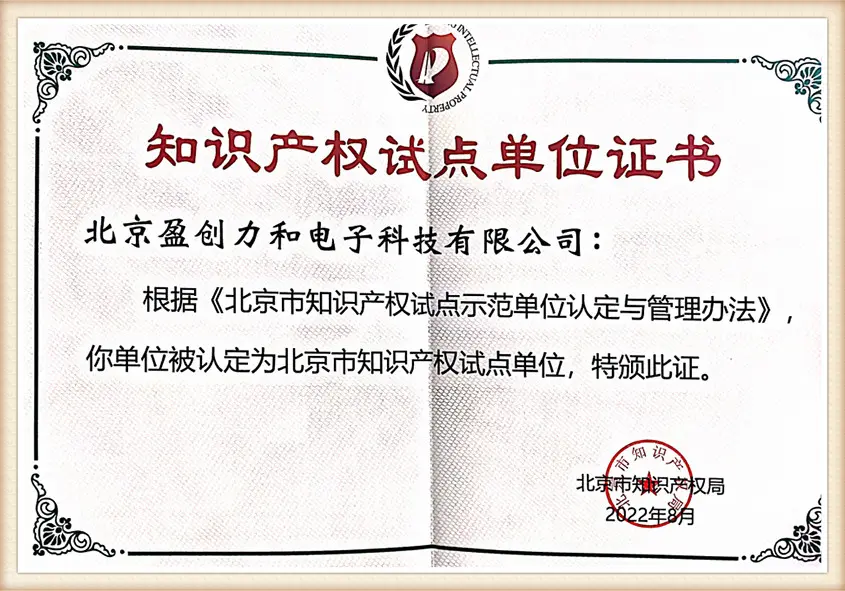
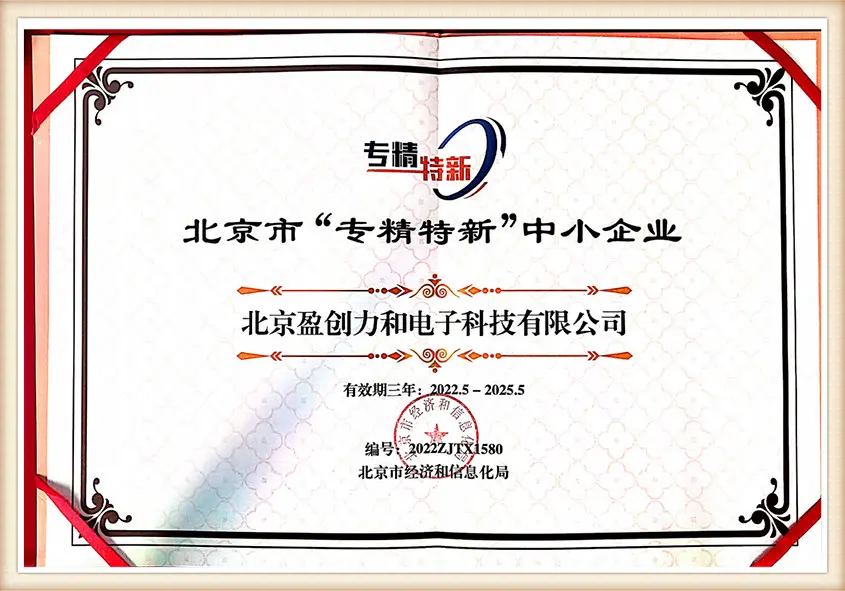
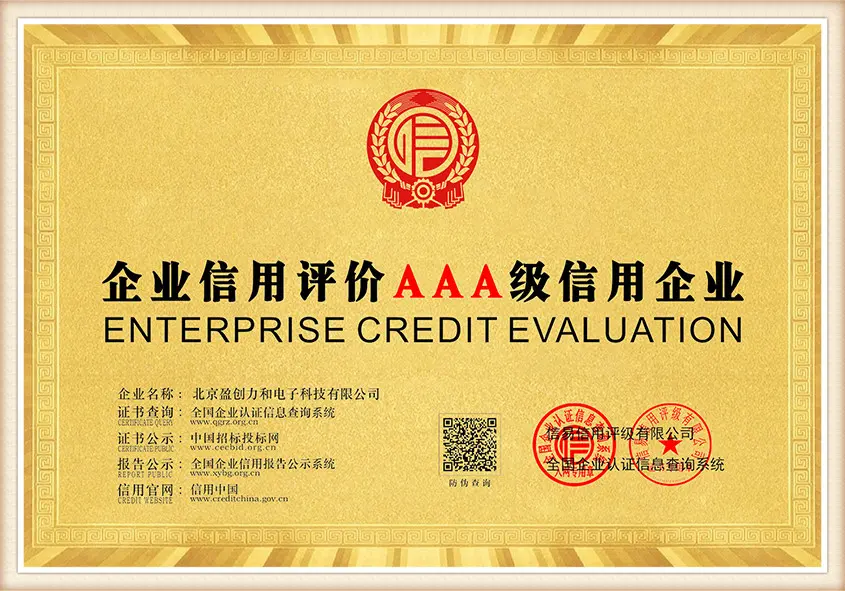
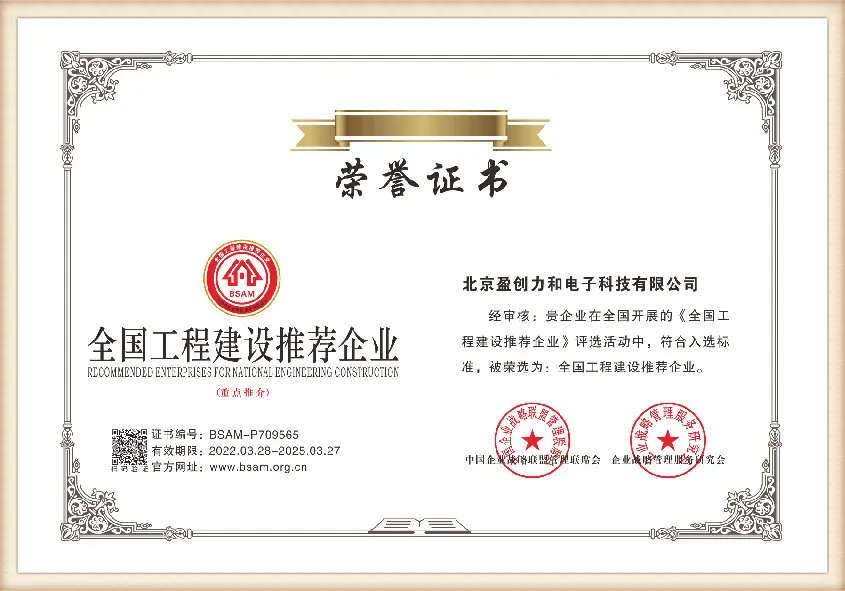
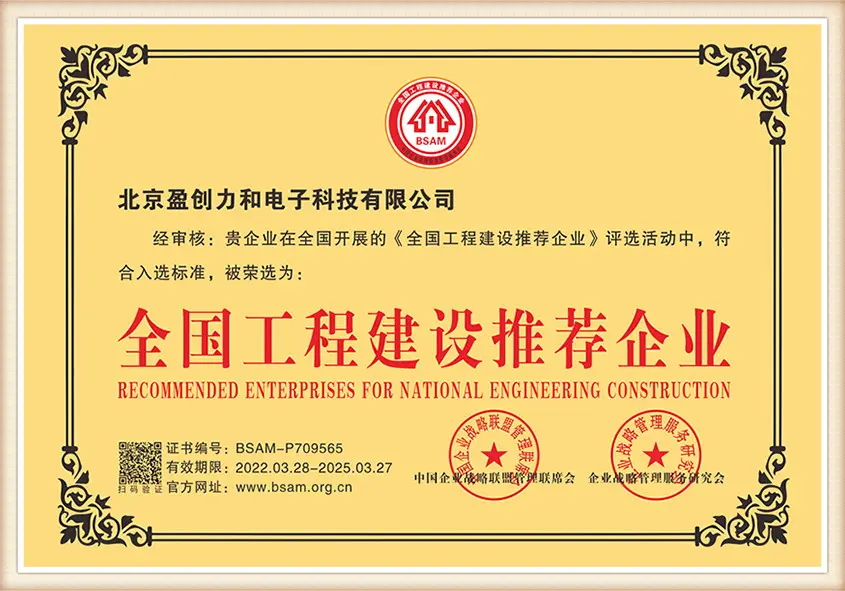
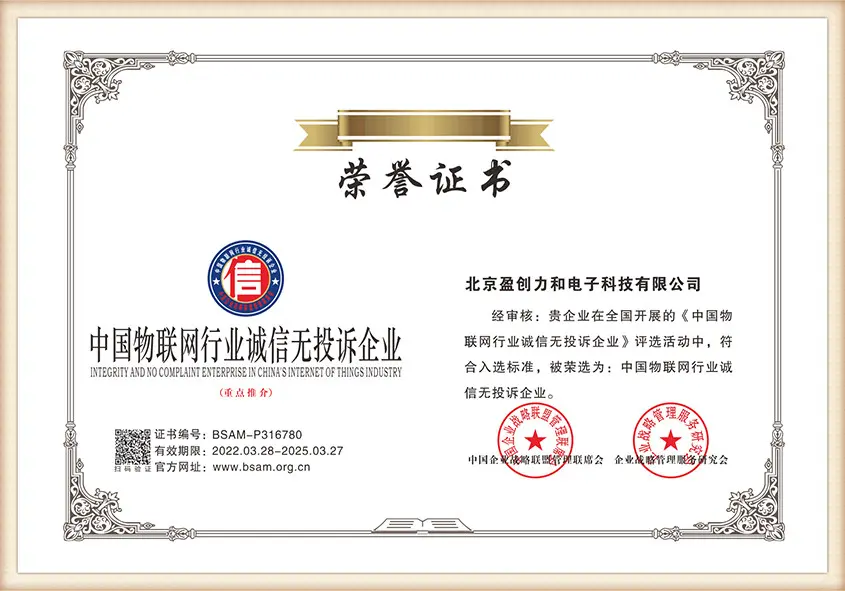

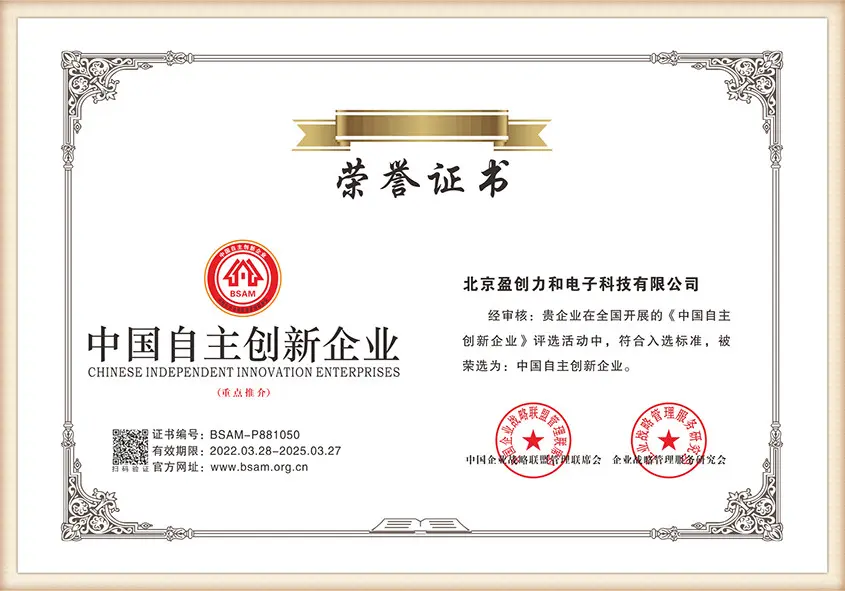
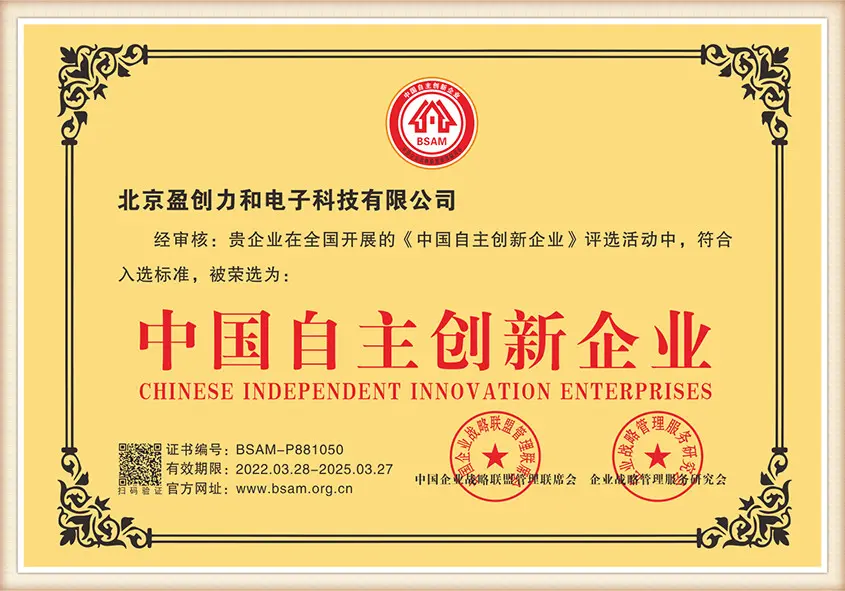
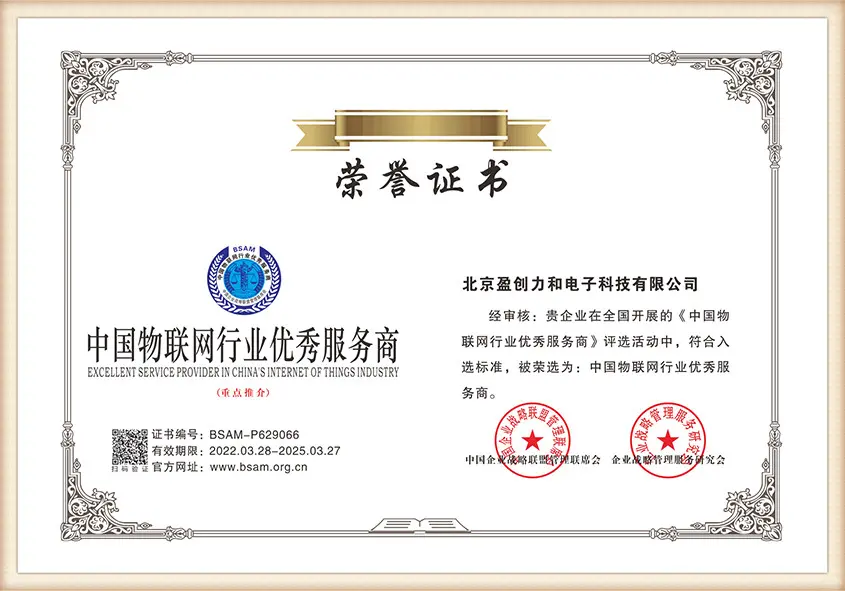
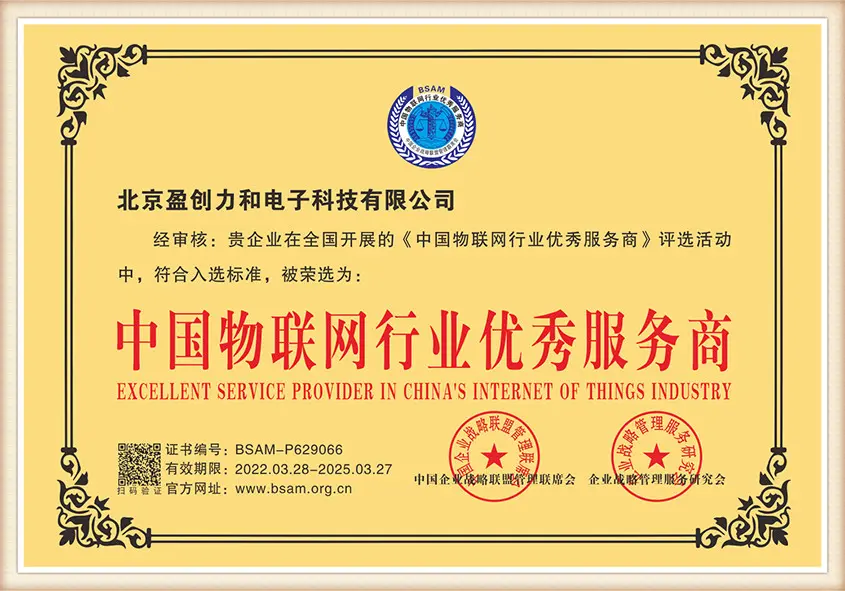
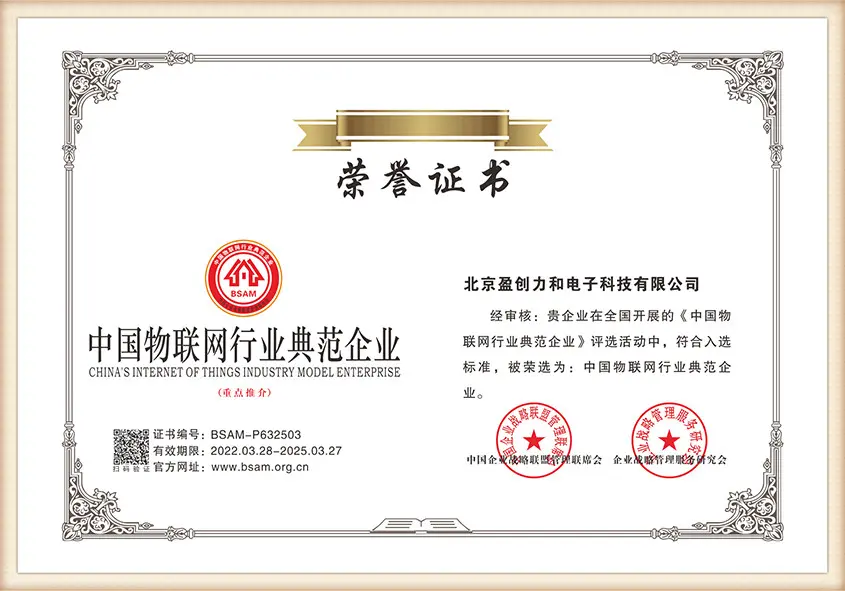
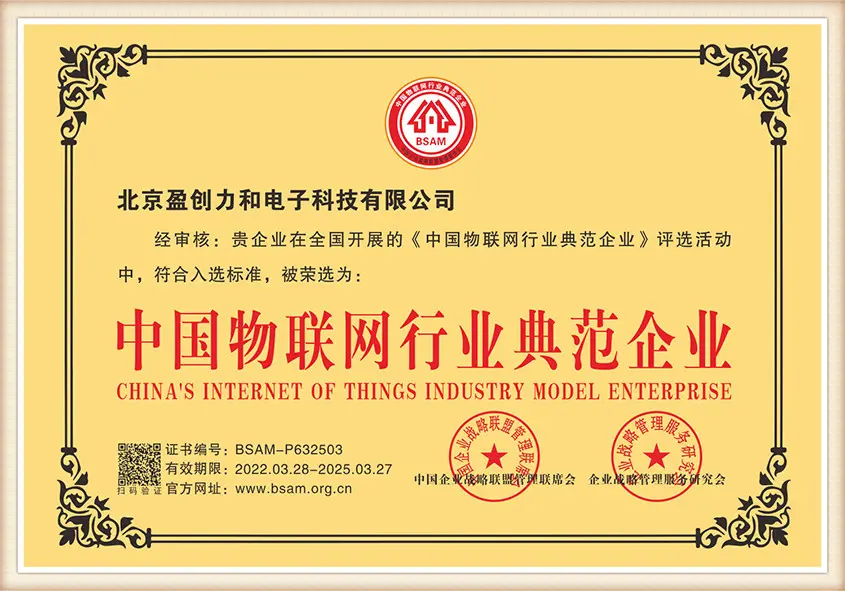
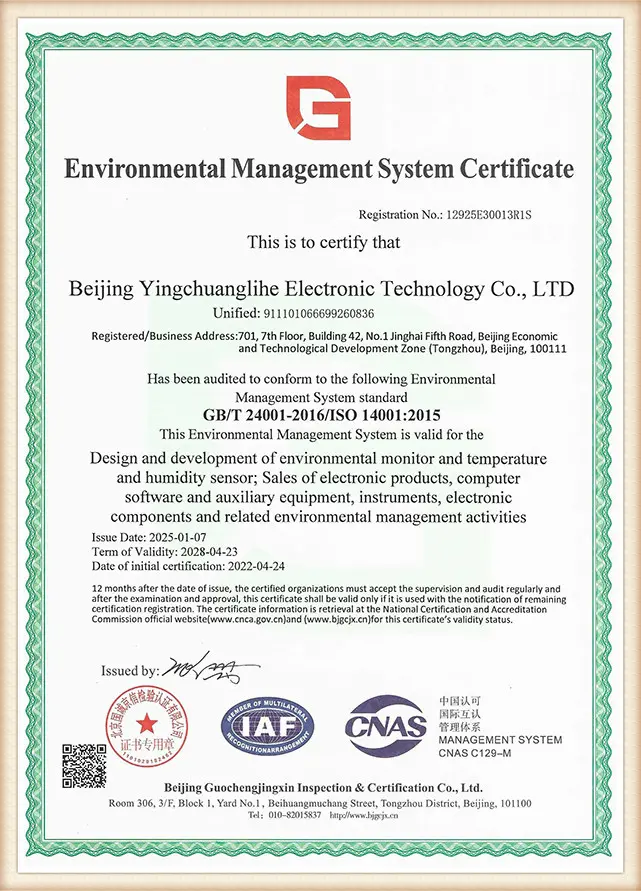
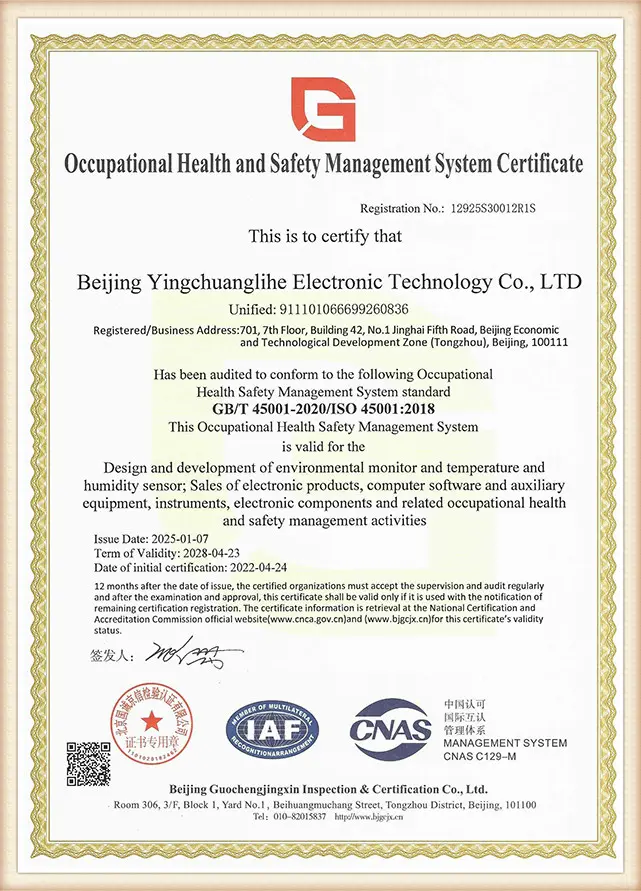
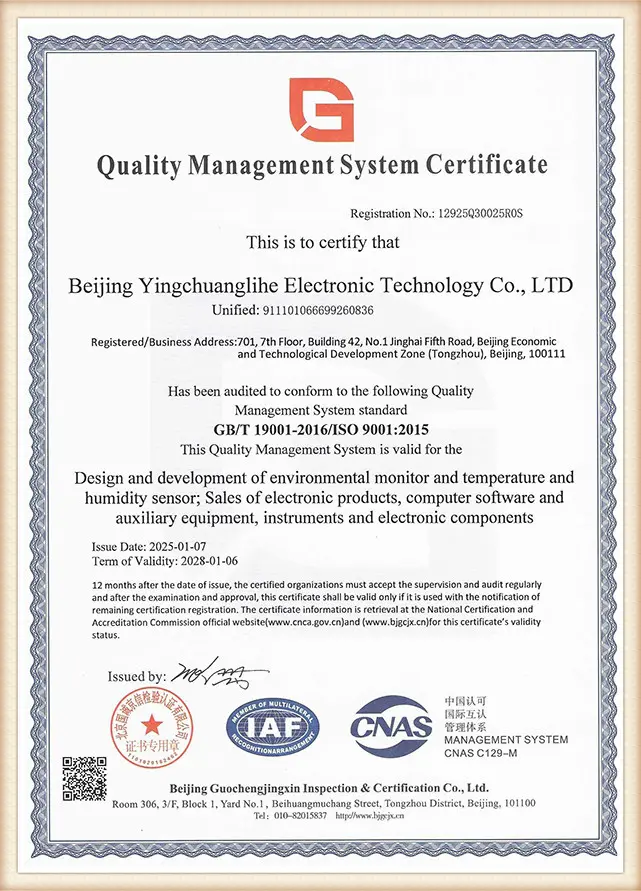
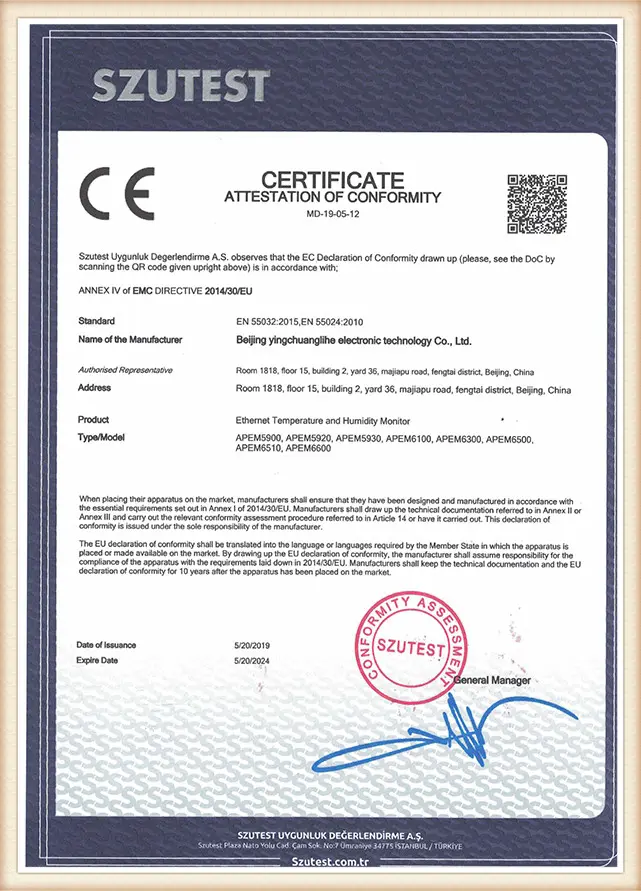
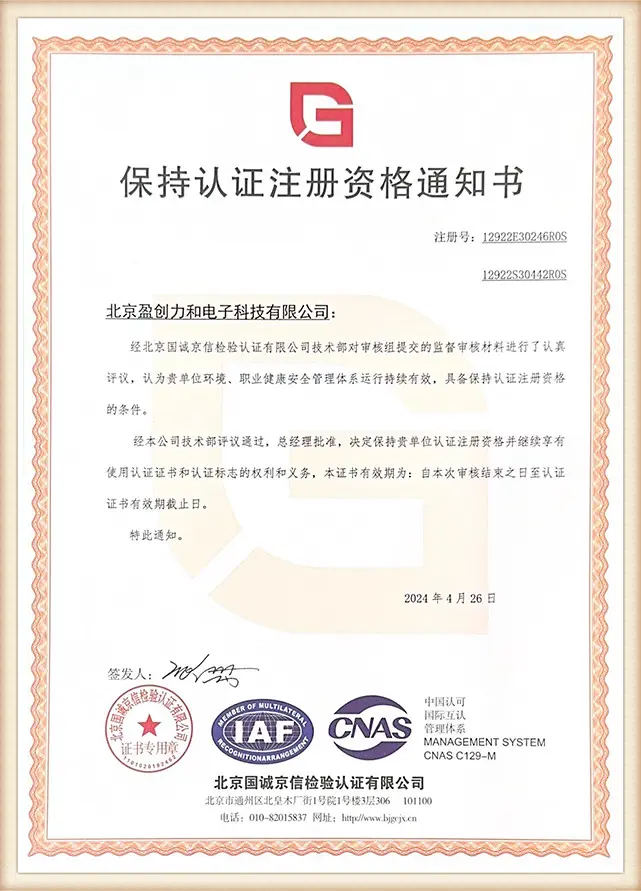
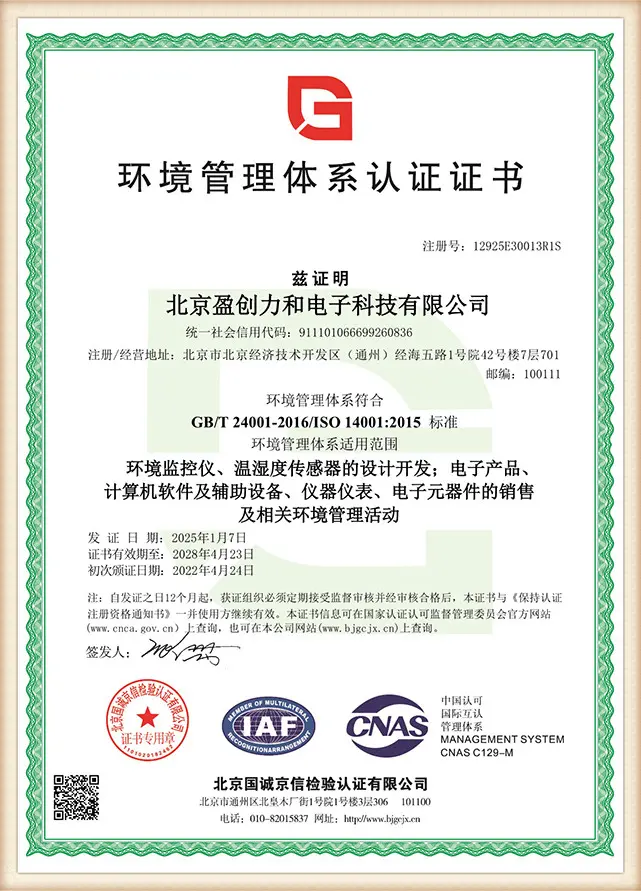
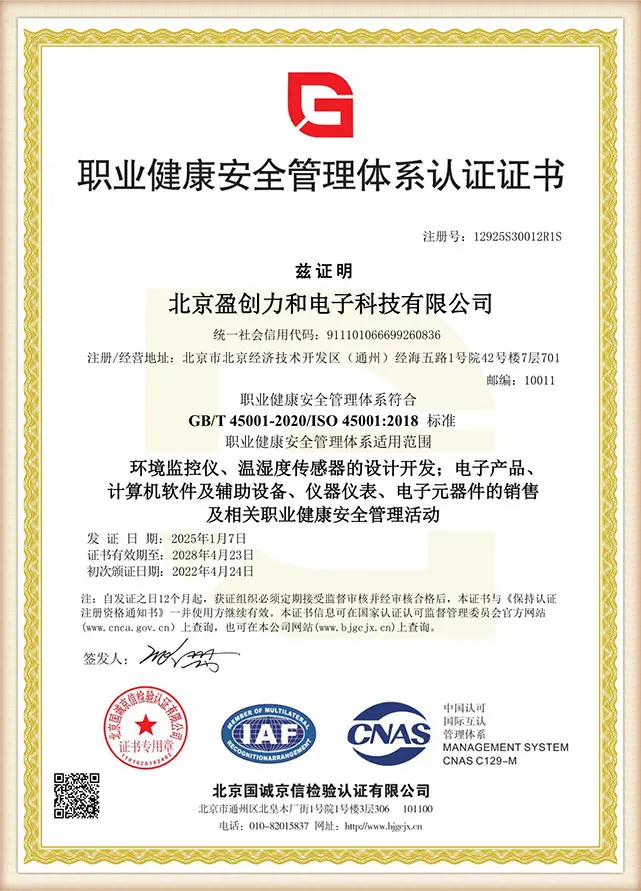
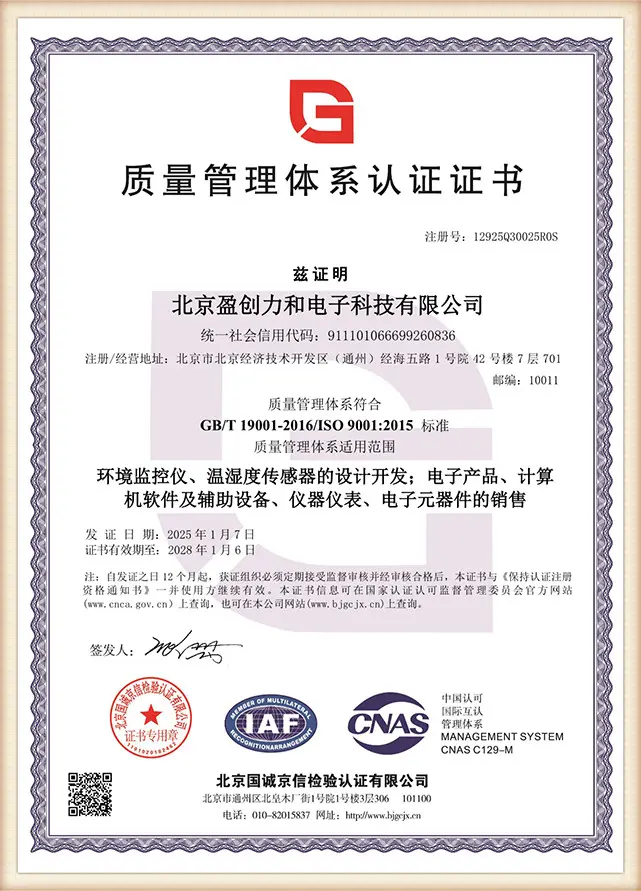
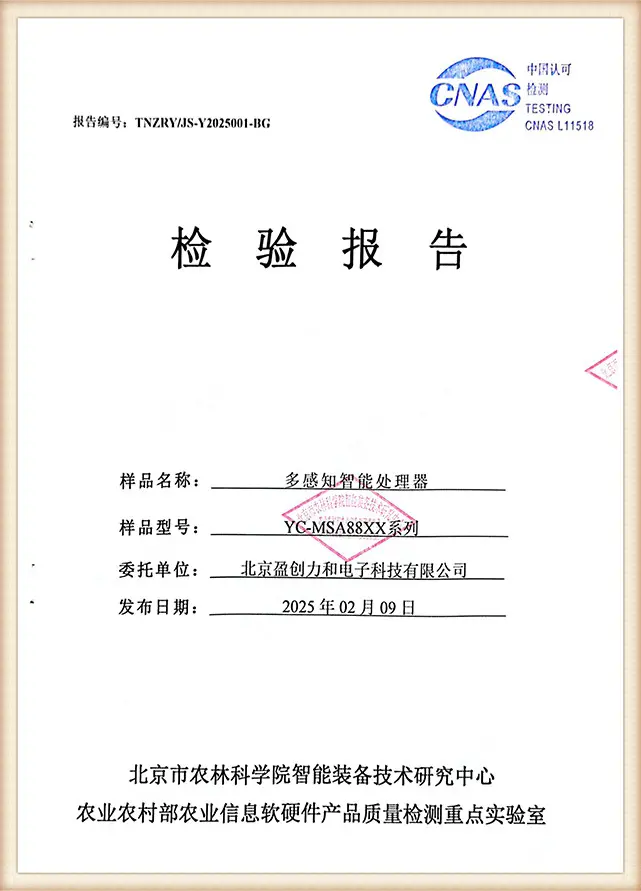
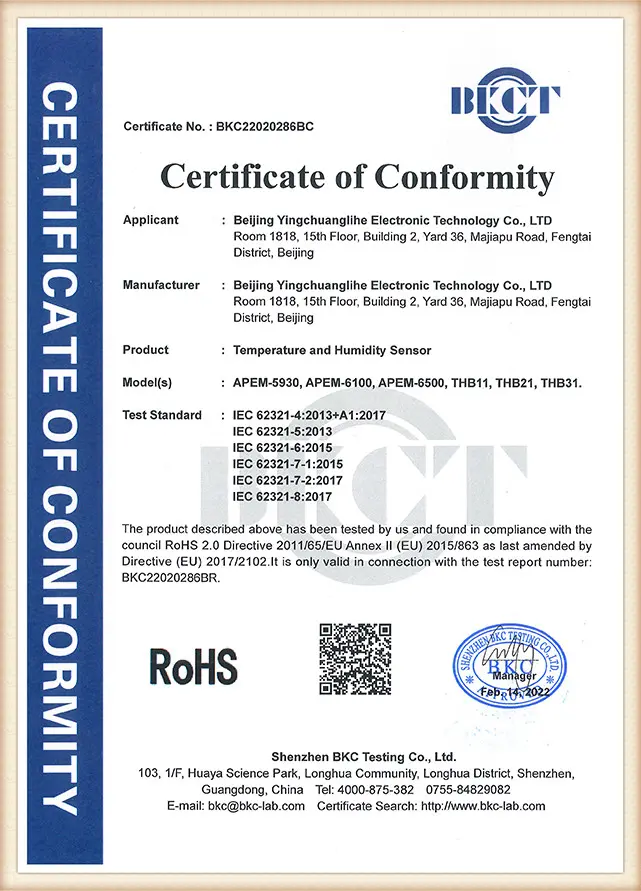
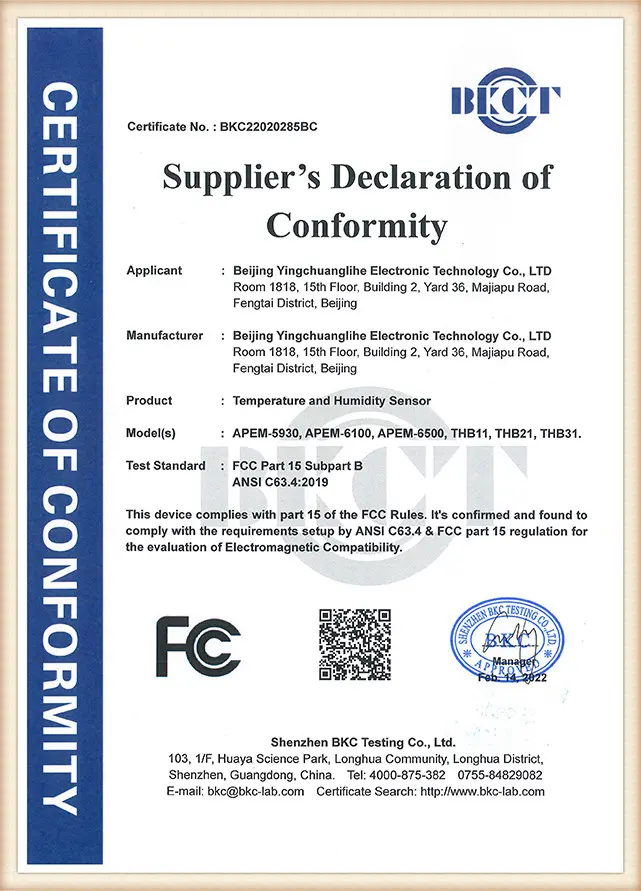
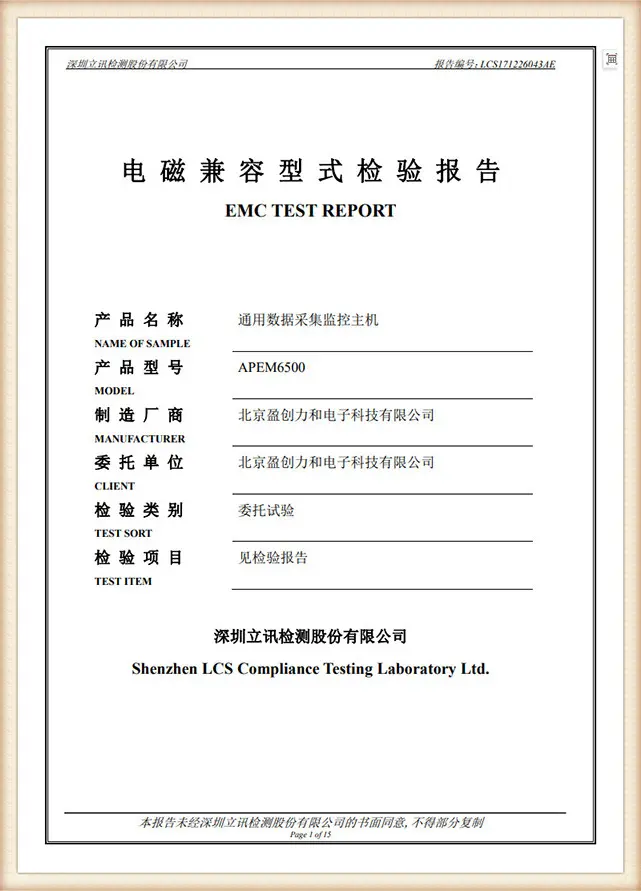
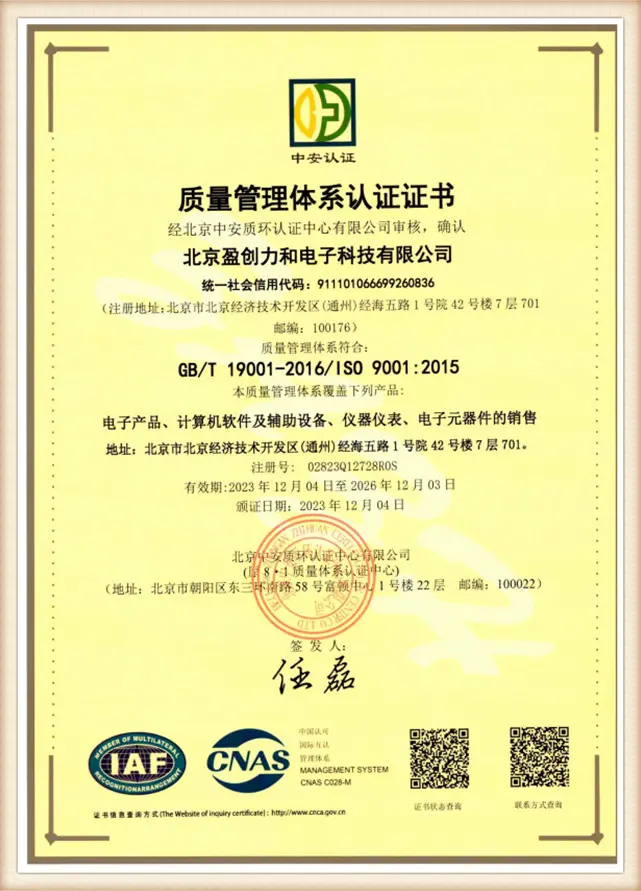
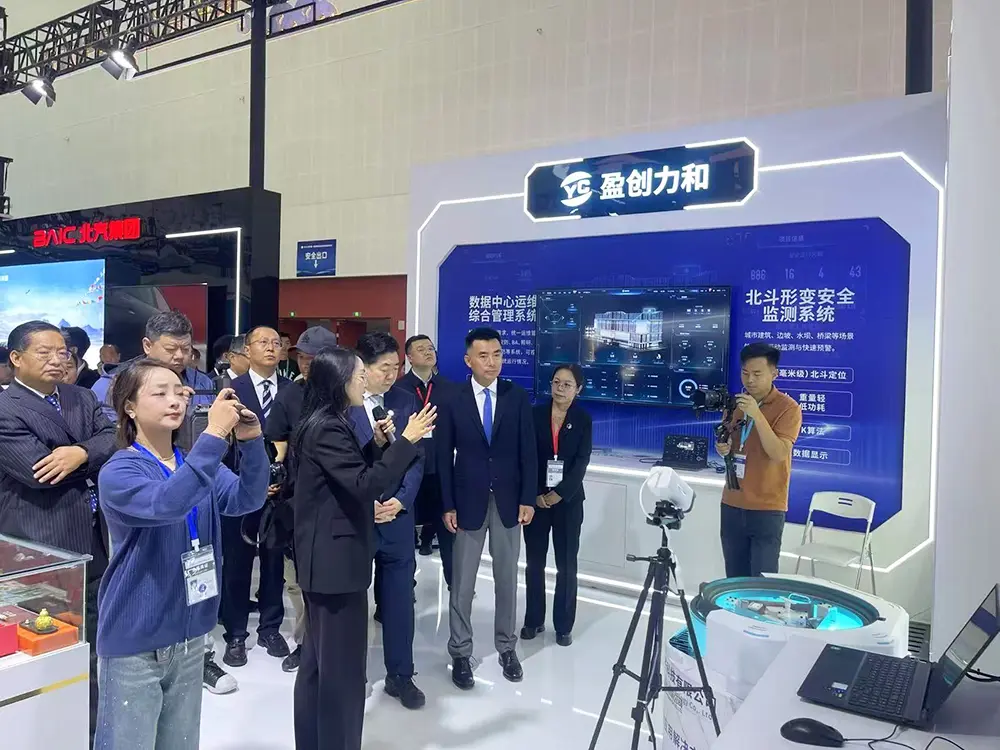
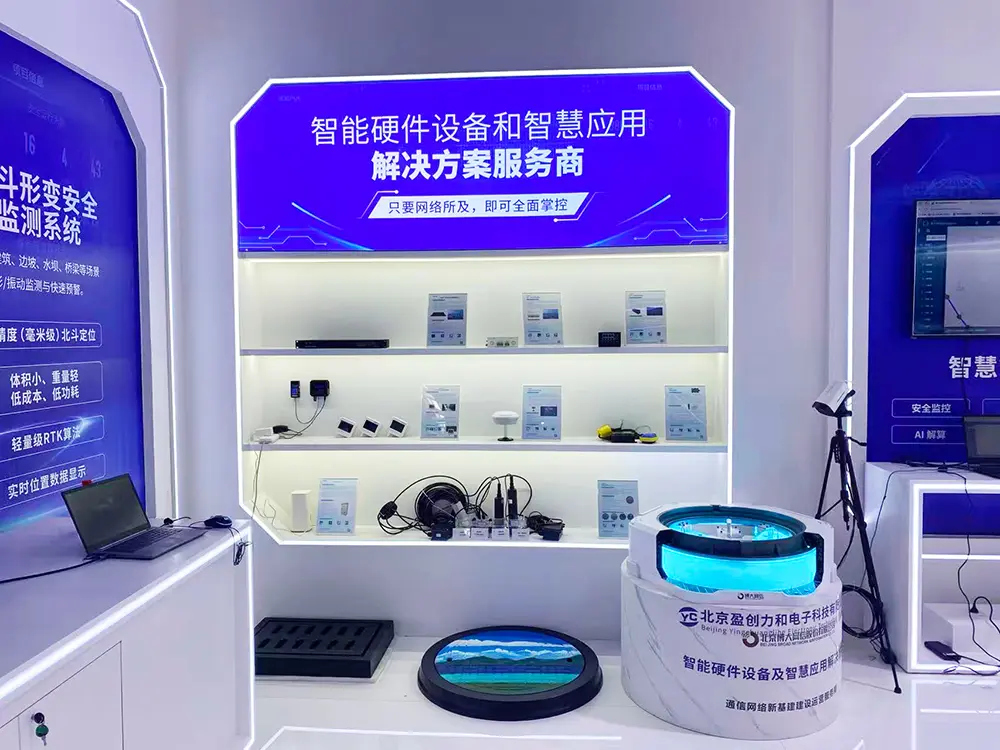
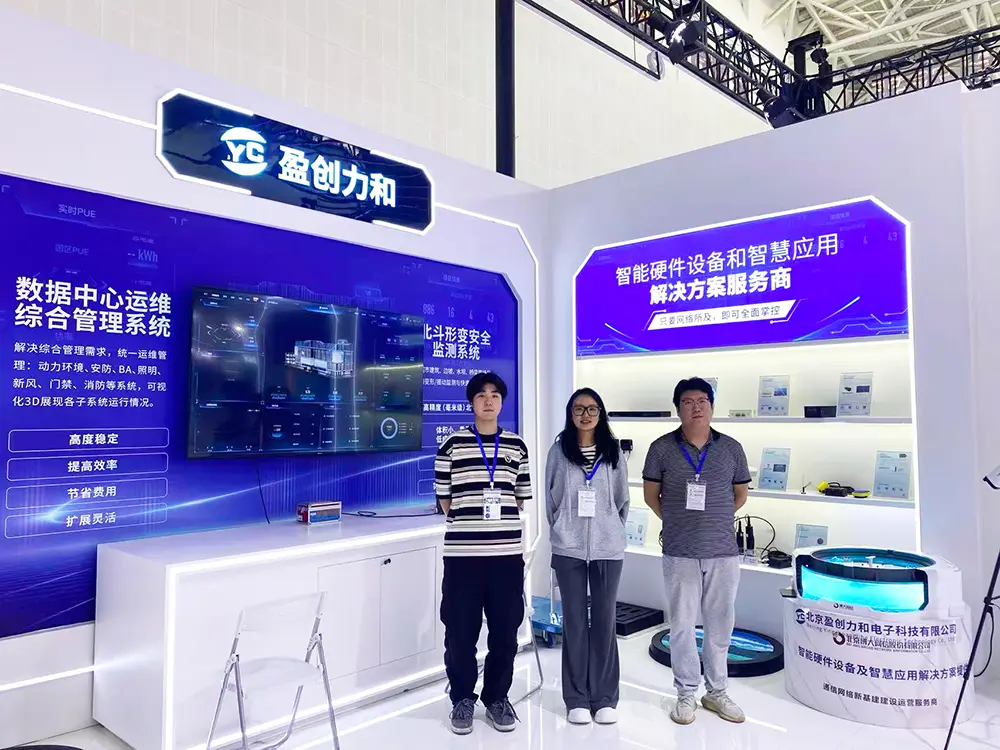
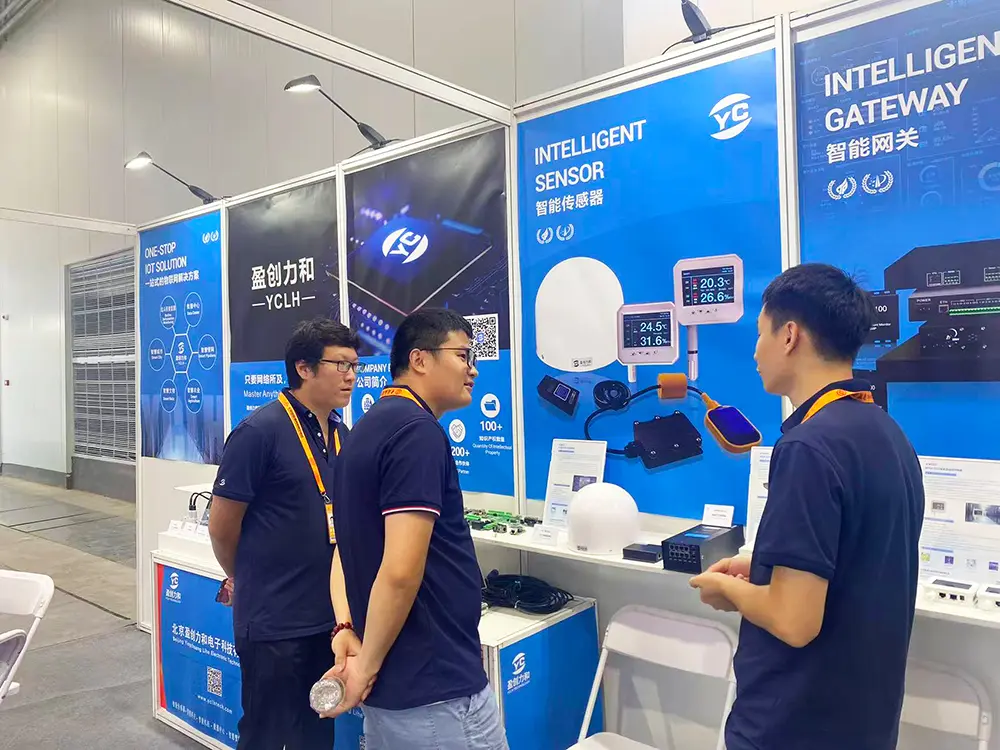
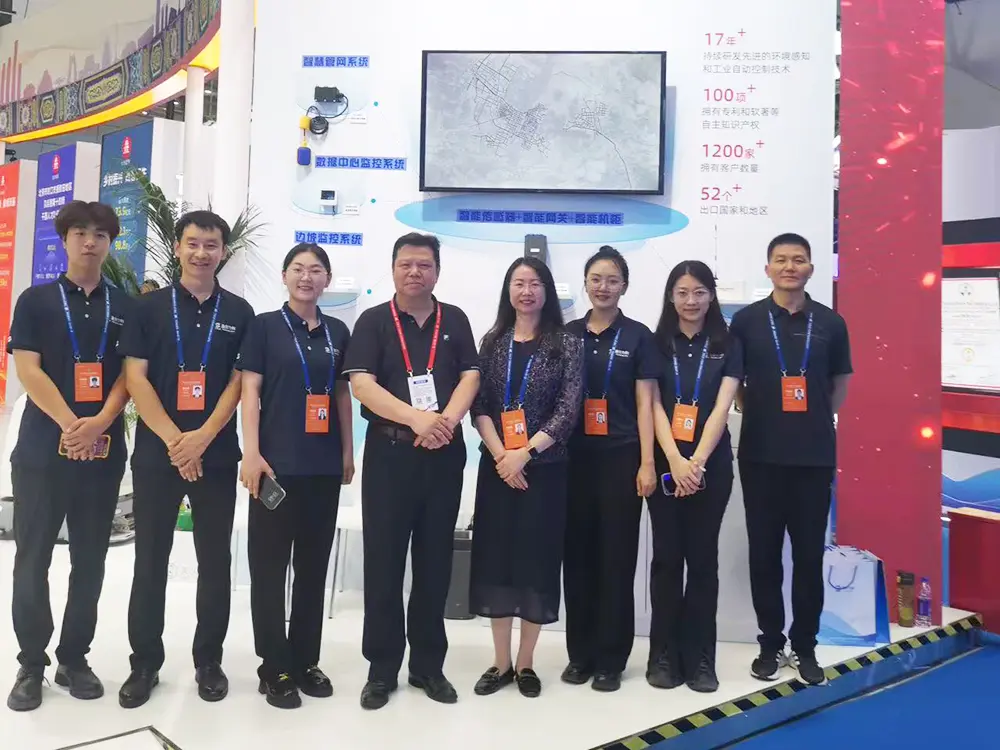
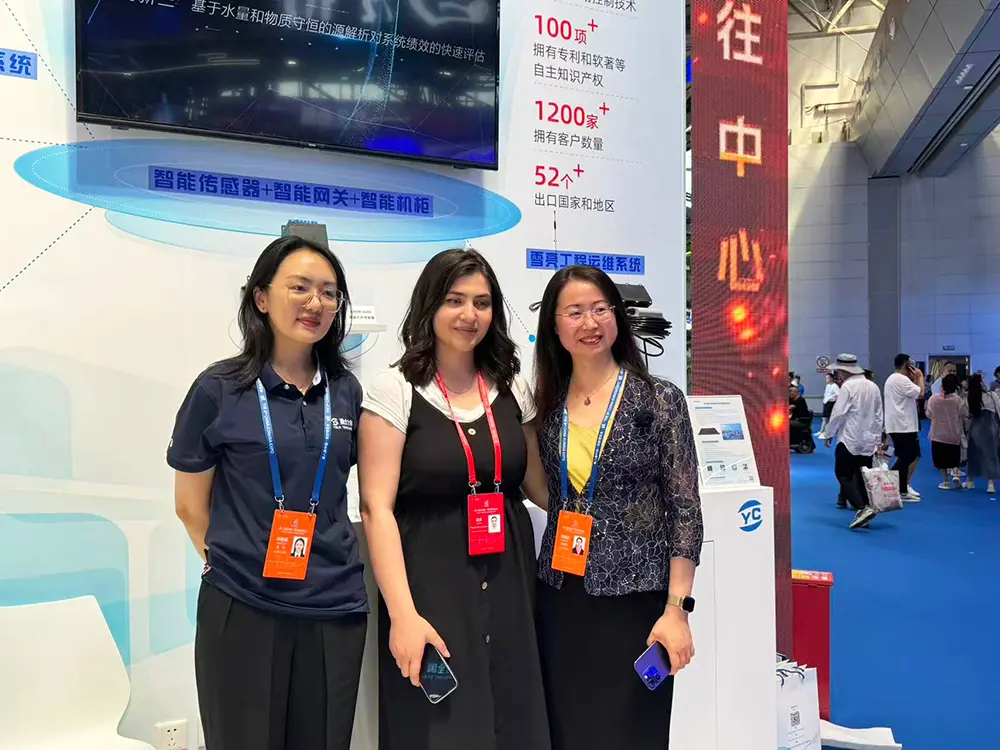
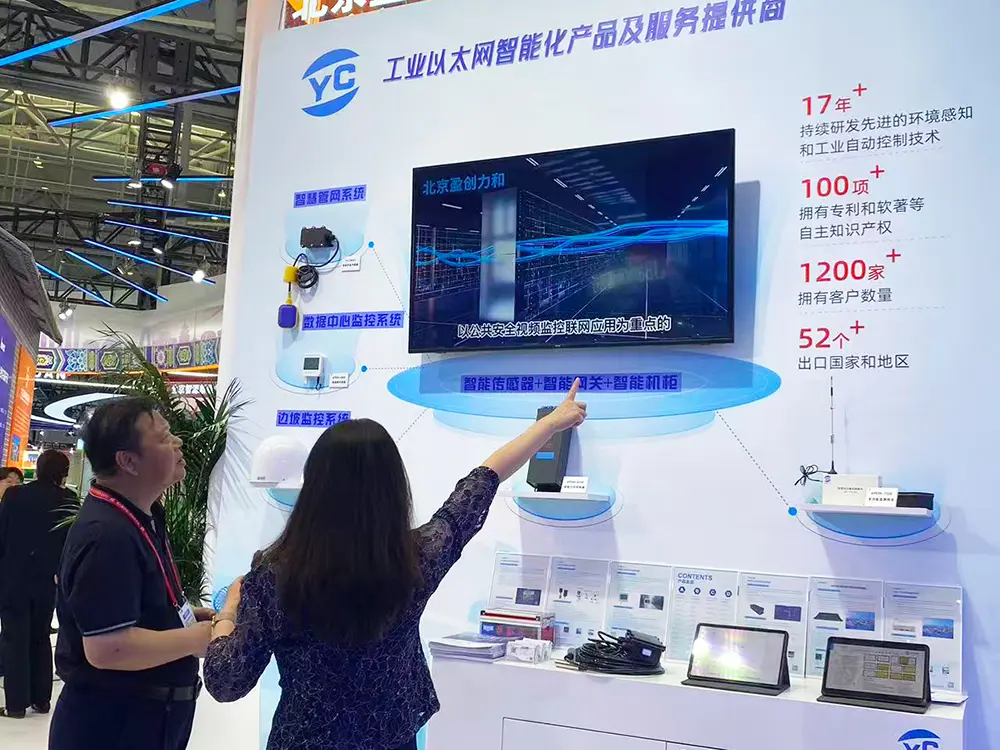
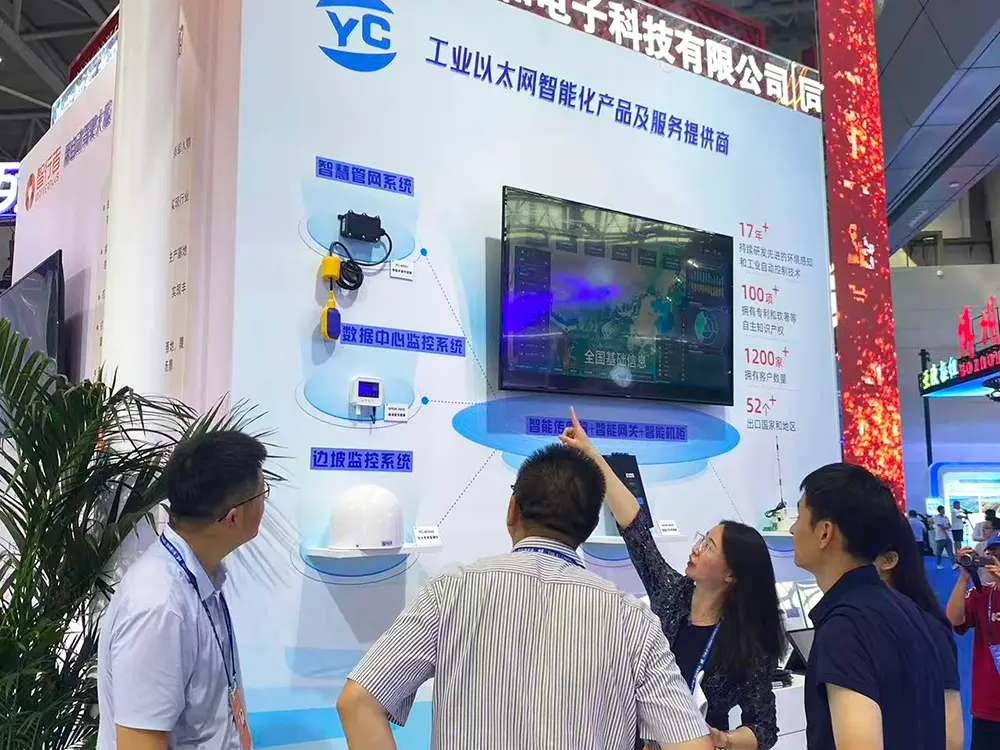
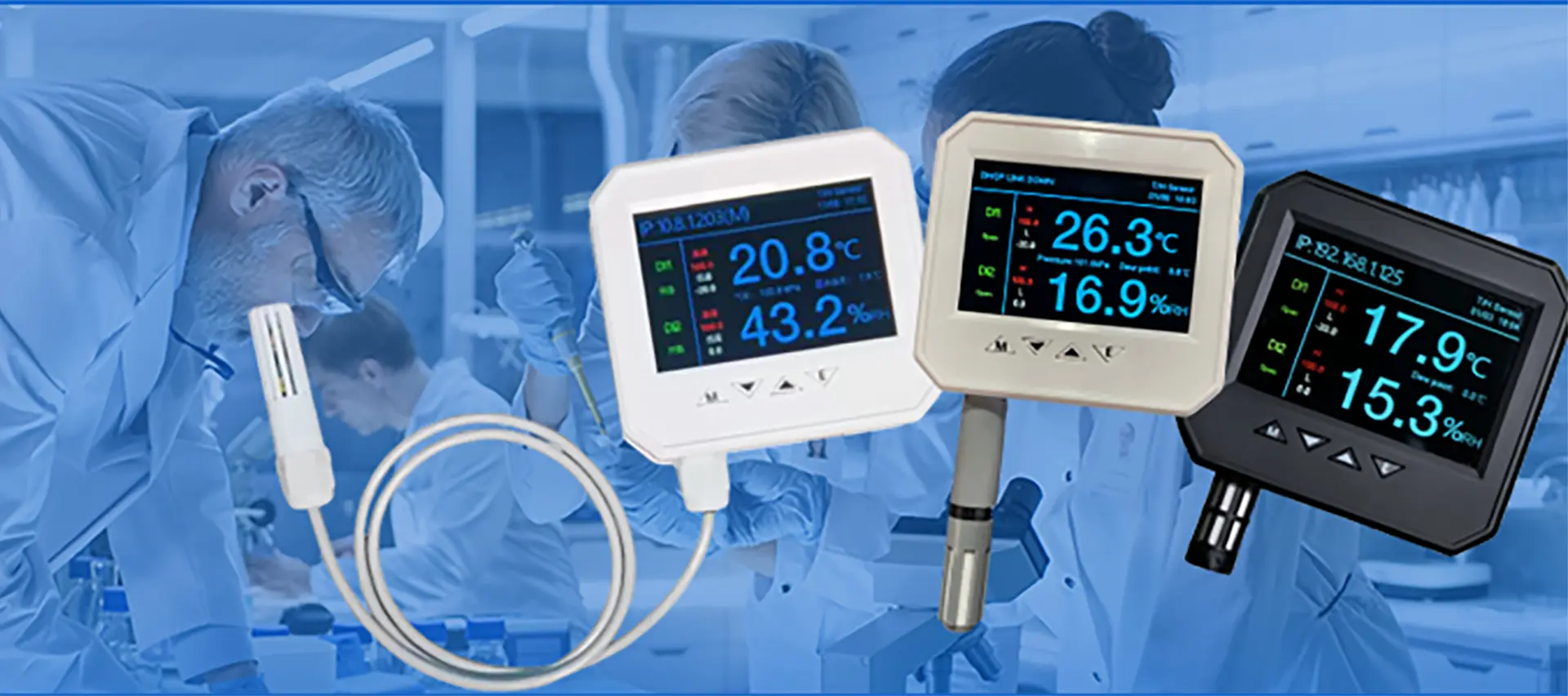
Operating industrial instrumentation in the Seattle metroplex requires alignment with both US federal guidelines and state energy conservation codes. Yingchuanglihe sensors meet these requirements through robust hardware design:
Our ongoing technical roadmap focuses on integrating advanced edge computing capabilities. By embedding light machine learning algorithms directly into the sensor microcontrollers, our next-generation devices will perform local anomaly detection, reducing upstream bandwidth requirements for large-scale deployments.
Below is our full catalog of high-precision environmental transceivers. These products are available with customizable options to suit the requirements of the Seattle municipal and industrial markets:
Partner with Beijing Yingchuanglihe for reliable, industrial-grade sensors. Contact our engineering team to discuss your project requirements, request a quote, or arrange a technical consultation.
Send Inquiry Now YCLH Sensor