Discover our primary environmental instrumentation series designed for mission-critical monitoring applications.
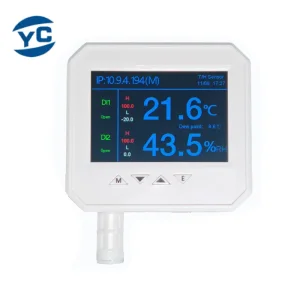
Primary Parameters: Temp, Humidity, Dew Point
Power Supply: DC12-48V + POE
Features: Swiss high-precision chip, SNMP support
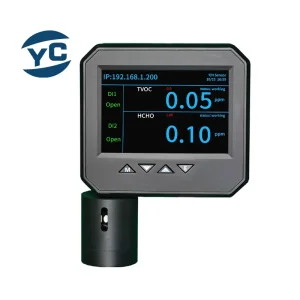
Primary Parameters: TVOC, HCHO, Temp, Humidity
Connectivity: Ethernet TCP/IP, Modbus TCP
Features: Multi-sensor fusion, robust data log
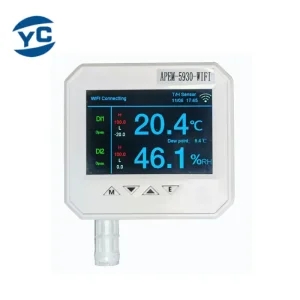
Primary Parameters: Temp, Humidity, Dew Point
Interface: WiFi & RJ45 Ethernet
Features: Dual-link redundancy, flexible deployment
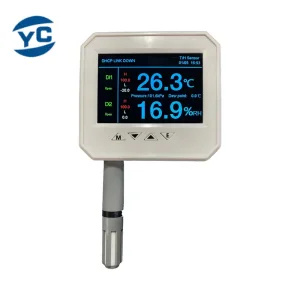
Primary Parameters: Pressure, Temp, RH, Dew Point
Protocol: Modbus TCP, SNMP, HTTP
Features: Precision differential barometric core
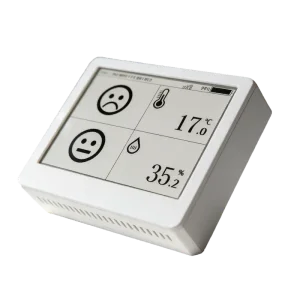
Primary Parameters: Temp, Humidity, Dew Point
Distance: Long-range wireless transmission
Features: Low power consumption, custom design
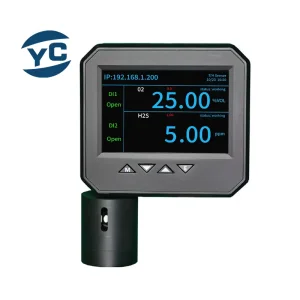
Primary Parameters: Oxygen, Hydrogen Sulfide, T/H
Safety Control: 1-channel relay, 2-channel DI
Features: Toxic gas warning, Modbus-TCP gateway
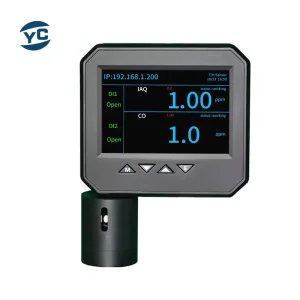
Primary Parameters: CO, IAQ index, Temp, Humidity
Applications: Ventilation automation, building safety
Features: Advanced electrochemical & MOx sensors
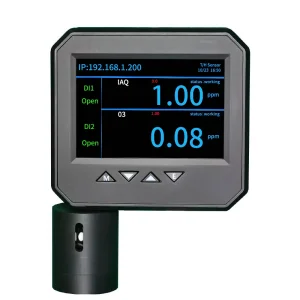
Primary Parameters: Ozone (O₃), IAQ, Temp, Humidity
Standard: CE, FCC, RoHS certified
Features: Disinfection monitoring, cleanroom control
Your Professional Manufacturer of Industrial Environmental Monitoring Sensors & Systems Since 2007
We build our modules using high-performance chips imported from leading manufacturers in Switzerland and Germany. This secures long-term stability and minimizes calibration drift in tough industrial settings.
From proprietary housings and specific PCB dimensions to custom firmware protocols (Modbus, MQTT, SNMP), our experienced R&D department translates your product specifications into market-ready devices.
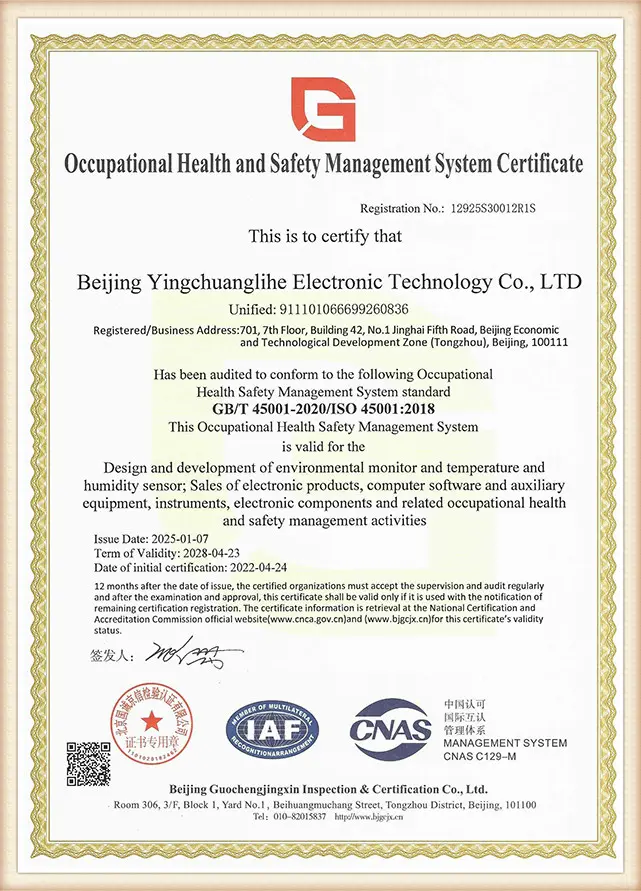
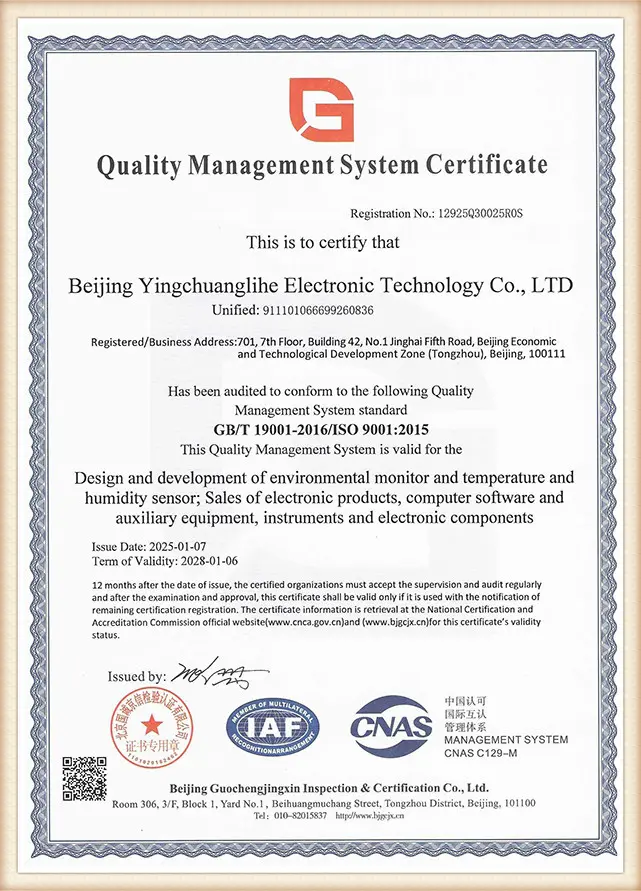
Yingchuanglihe operates under standard quality controls. Our key environmental monitoring products are fully certified with CE, FCC, and RoHS standards, facilitating frictionless global deployment.
An In-Depth Analysis of Semantic Search Intents, Critical Industrial Parameters, and Supply Chain Optimizations
In modern industrial manufacturing and facility management, precise control over atmospheric moisture is not just a safety precaution—it is a critical driver of product yield and process integrity. The demand for combined temperature, humidity, and dew point sensors has surged across several key sectors:
Data Centers and Server Facilities: Under ASHRAE guidelines, data centers must operate within precise environmental envelopes to prevent electrostatic discharge (ESD) on the low-humidity end and condensation or corrosion on the high-humidity end. Real-time dew point measurement is critical here, as relative humidity changes with temperature fluctuations, whereas dew point offers an absolute metric of moisture density in hot-aisle and cold-aisle containment systems.
Lithium Battery Manufacturing & Cleanrooms: Lithium-ion cell assembly requires extremely dry environments, often demanding continuous dew point levels below -40°C to -60°C. Standard relative humidity sensors cannot resolve moisture at these trace levels. Utilizing specialized high-precision dew point transmitters allows facilities to detect trace water vapor and trigger safety interlocks before expensive chemical degradation occurs.
Pharmaceutical and Clinical Storage: Strict GMP/GLP regulations require continuous, audit-ready records of cold storage and dry-room environments. Ethernet and PoE-enabled sensors simplify compliance by transmitting environmental data directly to Centralized Monitoring Systems (CMS) without relying on batteries or local wireless connections.
Industrial sensing has shifted away from isolated, analog-out transmitters. Modern enterprise architectures require digital, networked devices.
Power over Ethernet (PoE) Integration: Standardizing on PoE (IEEE 802.3af) allows companies to deploy sensors using a single RJ45 cable for both power and data. This lowers installation expenses, eliminates the need for mains power lines near ceiling mounts, and permits direct backup via centralized UPS equipment in server rooms.
Multi-Gas Fusion: Cleanroom environments and smart buildings now require consolidated monitoring nodes. Devices like the APEM-5930G series integrate traditional temperature and humidity tracking with electrochemical and metal-oxide sensors to detect TVOCs, Ozone (O₃), Carbon Monoxide (CO), Formaldehyde (HCHO), and Oxygen (O₂). This reduces installation footprints and network node requirements.
Wireless Redundancy (LoRaWAN & Dual-Mode WiFi): For historical archives, sprawling warehouses, or agricultural greenfield sites, wiring is often impractical. Long-Range (LoRa) networks provide multi-kilometer transmission limits through concrete walls, while dual-mode wired/WiFi systems provide fallback options if local networks experience downtime.
When engineering teams evaluate an OEM partner, they focus on long-term performance metrics:
Sensor Drift and Calibration Recovery: Capacitive relative humidity elements exposed to chemical vapors or high condensation can experience sensor drift. Our Swiss and German sensing chips are designed to recover quickly from saturated states, sustaining ±1.5% to ±2% RH accuracy over multi-year periods.
Protocol Versatility: Enterprise automation systems rely on diverse communication standards. A top-tier OEM sensor must simultaneously support IT-friendly protocols like SNMP and HTTP JSON API, along with OT-centric protocols like Modbus TCP/RTU and MQTT for SCADA and cloud platforms.
Modular & Extendable Probes: High-temperature ducts or high-vibration machinery require separating the sensor element from the transmitter housing. Our extendable probe designs (such as the APEM-5930E) protect the core network module from extreme conditions, simplifying calibration and replacement.
Operating out of Beijing, Yingchuanglihe combines domestic industrial infrastructure with local supply chain integration:
Agile Component Sourcing: By co-locating near raw material providers and major logistics corridors, we source high-spec components, machined housings, and custom wire assemblies quickly. This agility keeps lead times consistent, even during global supply line disruptions.
Automated Production Lines: Automated calibration chambers, multi-point temperature ovens, and automatic SMT placement equipment ensure high manufacturing precision. Automated testing guarantees that every sensor leaves our facility with verified accuracy metrics, lowering defect rates to PPM levels.
Customization Flexibility: Western manufacturers often require large minimum order quantities (MOQs) for custom designs. Yingchuanglihe offers flexible MOQ structures for custom cable lengths, specific gas range calibrations, and custom client branding, matching the needs of both mid-sized system integrators and global enterprises.
How Yingchuanglihe has pioneered networked environmental monitoring over the last two decades
Company founded. Developed our first intelligent environmental monitoring terminal based on the TCP/IP network protocol. Released the initial version of our environmental monitoring software suite.
Partnered with Mocha Software to design and launch the TH-5939 series of environmental monitoring products, fully supporting SNMP network management protocols.
Collaborated with COMLAB (Switzerland) to launch the TH-5869 protective Ethernet environmental monitor, deployed across high-speed rail links, including the Beijing-Kowloon and Wuhan-Guangzhou lines.
Partnered with Founder Technology to launch the APEM-6100, one of the earliest environmental monitoring terminals to utilize Power over Ethernet (PoE) tech.
Partnered with Foxconn. Our environmental monitoring platforms became standard components for environment tracking across Foxconn production workshops.
Collaborated with Baidu to launch the next-generation APEM-5900 Ethernet smart monitoring hub, successfully deployed at Baidu's Yangquan Data Center.
Expanded horizontally into smart data centers and modular cabinet systems, securing projects with Huawei and China Merchants Huaruan for expressway monitoring.
Pioneered custom sensors for Beijing's high-level autonomous driving road test boxes and edge computing gateways. Joined the construction of advanced intelligent computing centers.
Established divisions with Beijing Enterprises Water Group and Beijing University of Civil Engineering and Architecture. Achieved breakthroughs in smart pipeline monitoring, Beidou deformation tracking, and secured IDC business qualifications.
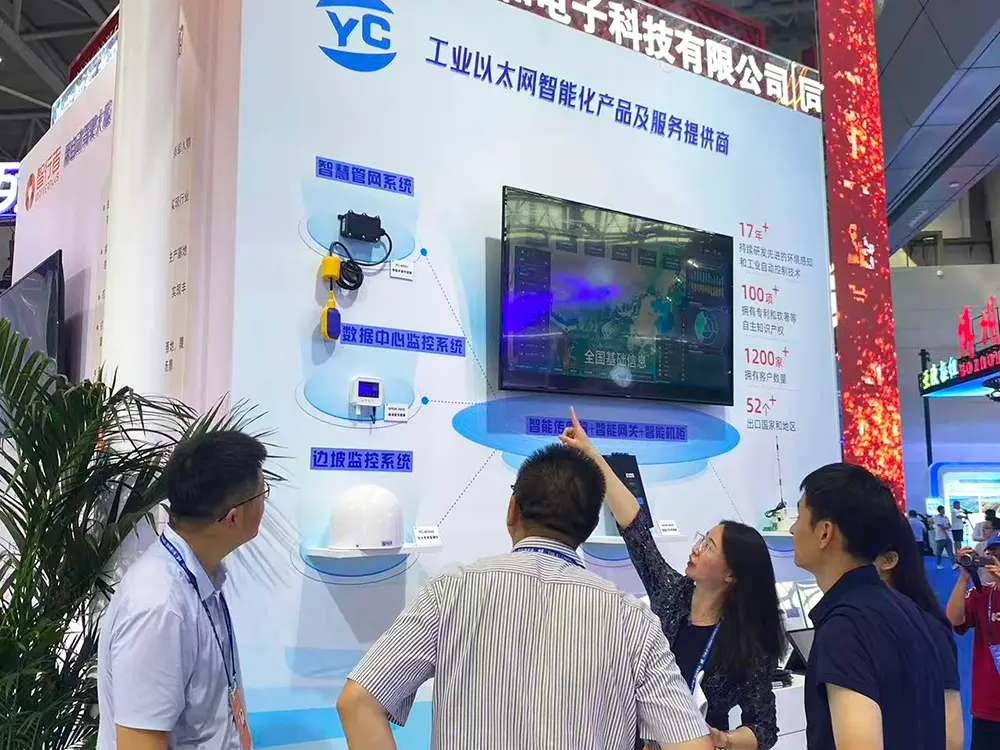
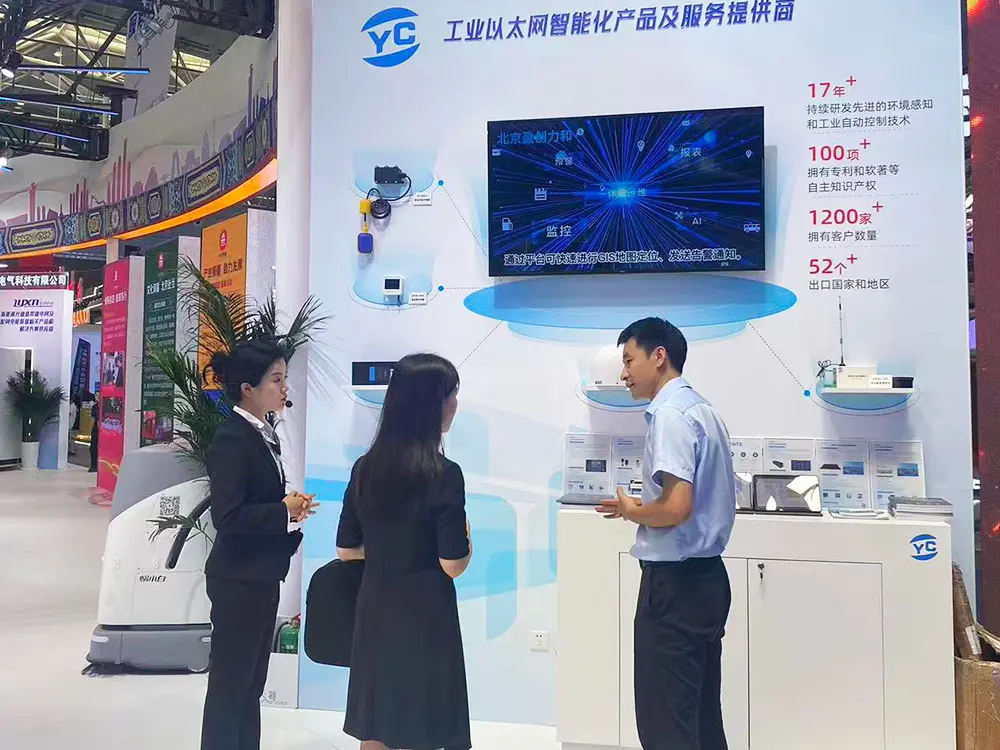
Validating our compliance, quality systems, and presence at industry events
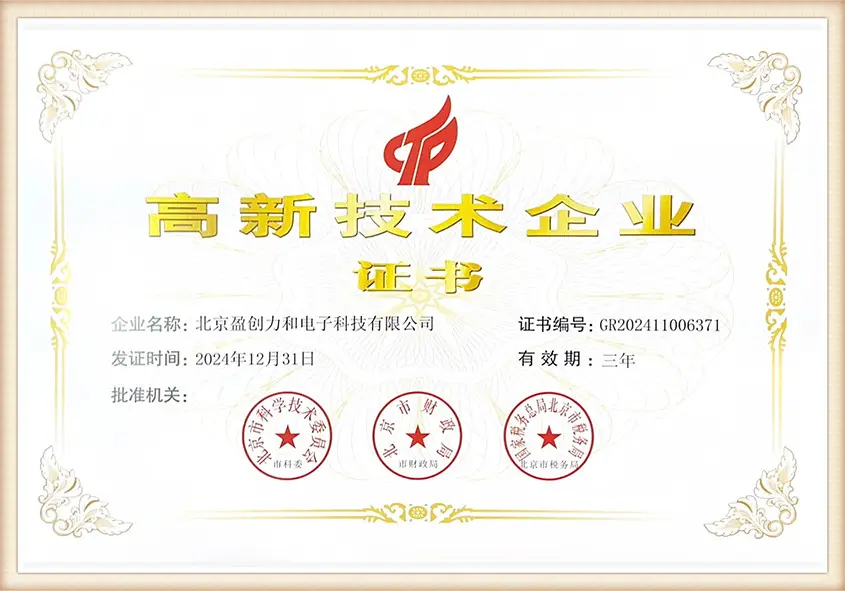
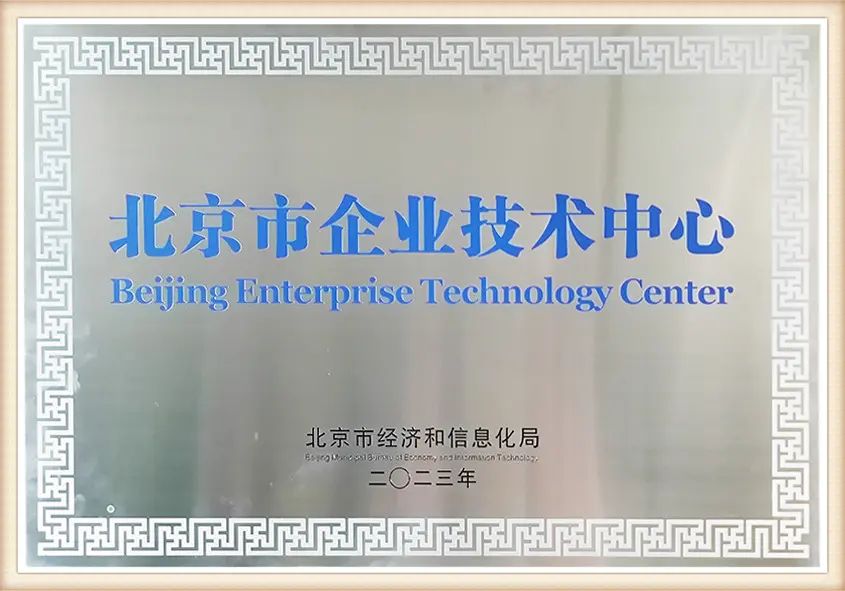
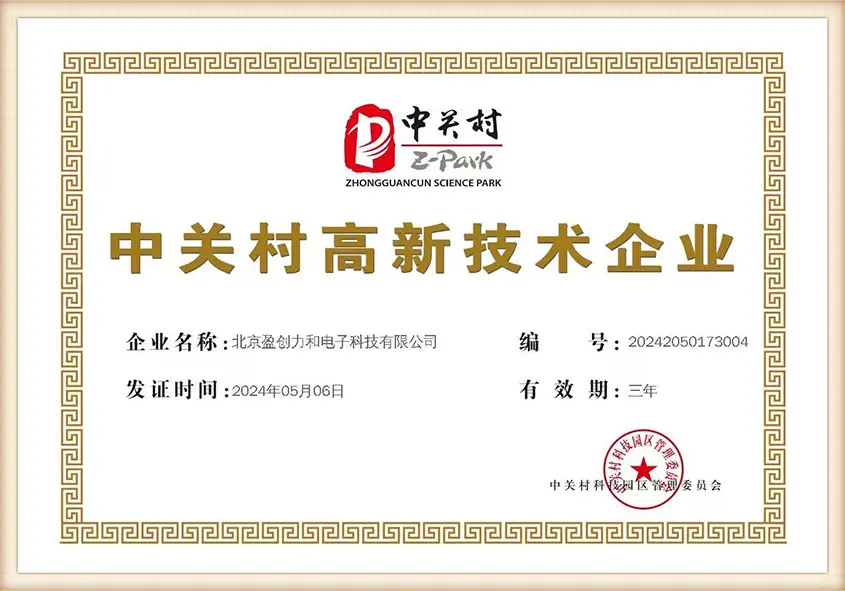
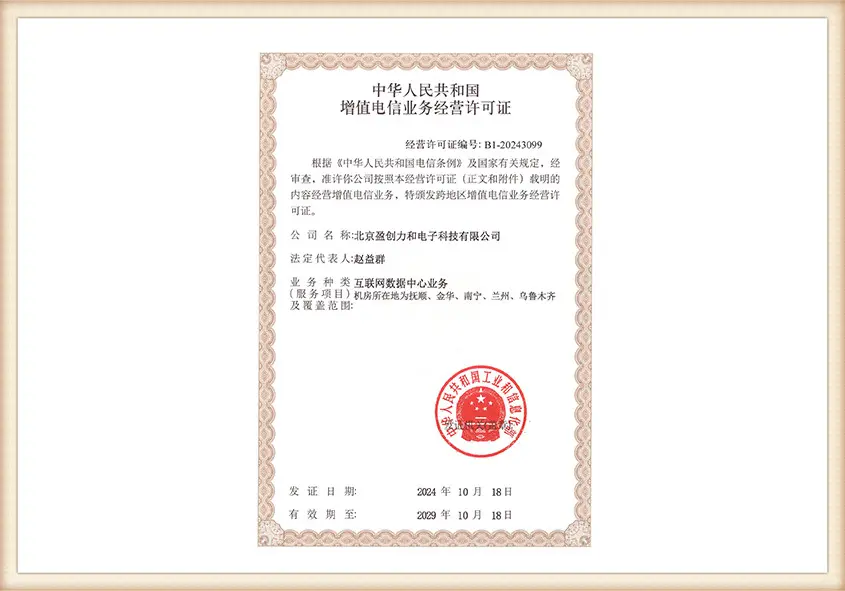
Real-world deployments illustrating the adaptability of Yingchuanglihe sensor networks
Deployed in cold-aisle supply air ducts and hot-aisle containment returns. By calculating real-time dew points, our systems allow facility automation controllers to optimize chillers, preventing structural condensation while reducing unnecessary air conditioning power consumption.
Integrated inside edge computing street cabinets and road test boxes. The compact APEM-5930P tracks atmospheric pressure, temperature, and humidity, helping cooling fans manage CPU temperatures in extreme summer heat and rainy climates.
Installed in cable tunnels and drainage networks, tracking relative humidity alongside hazardous gases like H₂S. High-reliability sensors prevent toxic gas build-up and guide maintenance crews with localized environmental profiles.
E-E-A-T Technical Guidance on Environmental Sensors & OEM Customization
Select from our specialized multi-parameter and custom environmental monitoring range
Primary Parameters: Temp, Humidity, Dew Point
Housing: Custom OEM branding options
Outputs: RJ45 Ethernet, Modbus TCP, SNMP
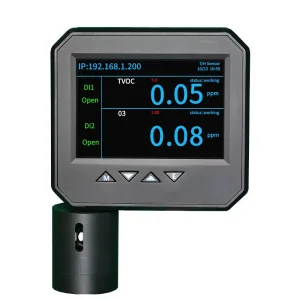
Primary Parameters: TVOC, O₃, Temp, Humidity
Enclosure: Industrial wall-mount ABS
Features: High-selectivity electrochemical core
Primary Parameters: O₂, H₂S, Temp, Humidity
I/O Integration: 2-channel DI, 1-channel Relay
Features: RS485 to Ethernet Modbus pass-through
Primary Parameters: CO, Air Quality Index, T/H
Calibration: High stability electrochemical element
Features: Configurable alarm thresholds via web
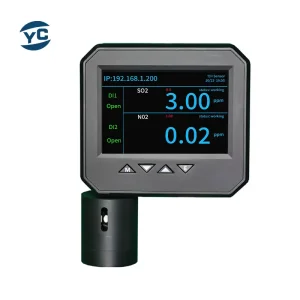
Primary Parameters: SO₂, NO₂, Temp, Humidity
Interface: RJ45 Ethernet, Modbus TCP
Features: Acid gas corrosion protection
Primary Parameters: Pressure, T/H, Dew Point
Testing: Verified barometric accuracy
Features: Direct integration with climate chambers
Primary Parameters: Temp, Humidity, Dew Point
Connectivity: 802.11 b/g/n WiFi + Wired RJ45
Features: Automated failover network link
Primary Parameters: Pressure, Temp, RH, Dew Point
Integrations: SCADA, cleanroom automation
Features: Long-term stability calibration filter
 YCLH Sensor