Deploying advanced, low-drift, and micro-power environmental sensors designed for persistent IoT infrastructure monitoring.
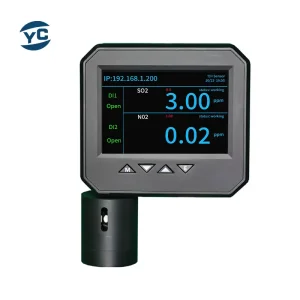
Industrial multi-gas integrated gateway utilizing imported electrochemical sensing elements.
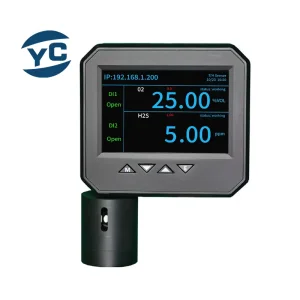
High-sensitivity H₂S and O₂ extraction monitor with localized data-logging support.
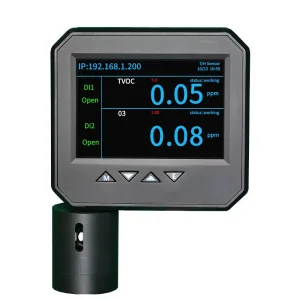
Advanced indoor air quality controller with ozone and chemical volatile diagnostics.
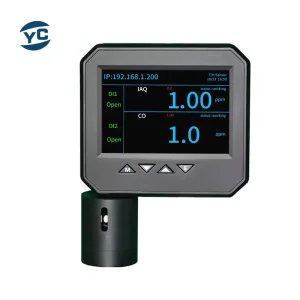
Micro-power carbon monoxide safety sensor with dual network backup interface.
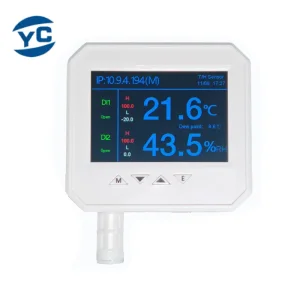
Standard active PoE power support, eliminating dedicated local electrical drops.
Explosion-resistant, highly resilient heavy atmospheric analyzer for remote plants.
Integrated IoT air-quality transducer for smart city infrastructure deployments.
Customizable enterprise module supporting Modbus-TCP and SNMP protocols.
In-depth whitepaper overviewing the technological advancements, critical architecture, and global engineering constraints of modern edge-computing data loggers.
In the current industrial landscaping, the term Low Power Data Logger has evolved from a simple requirement to a foundational mandate for next-generation automated tracking. Historically, environmental sensors consumed continuous, heavy power inputs, requiring permanent line-voltage drops or frequent, expensive battery replacement cycles. This structural design restricted deployment in critical sectors such as high-altitude railway networks, smart municipal water systems, and complex, multi-site automated cold chain logistics.
Today, with the fusion of advanced ultra-low-power microcontrollers (MCUs), sub-gigahertz LPWAN transmission networks (such as LoRaWAN), and smart energy-saving protocols like Power over Ethernet (PoE 802.3af), modern data logging infrastructure functions persistently under tight energy bounds. Power budgets are carefully managed at the hardware-design stage, with integrated chipsets executing deep-sleep duty cycles down to the micro-ampere (µA) tier, waking up instantaneously to sample multi-parameter environmental variations, and then utilizing low-latency bursts to forward data packets back to the host system.
Designing a high-resilience, persistent telemetry logger relies on three core design decisions: high-efficiency energy harvesting, low-quiescent hardware selection, and transmission optimization. Our flagship series, the APEM-5930, embodies these guidelines. Armed with industry-leading digital transducers sourced from Switzerland and Germany (boasting ultra-low latency startup times), these data loggers maintain long-term calibration consistency without relying on constant heater states or continuous high-power gas extraction. They operate cleanly off shared Power-over-Ethernet (PoE) channels or low-current direct supply lines, making them an ideal choice for smart grid projects worldwide.
Beijing Yingchuanglihe Electronic Technology Co., Ltd. (YCLI) is a high-tech pioneer setting standards for environmental monitoring sensors since 2007.
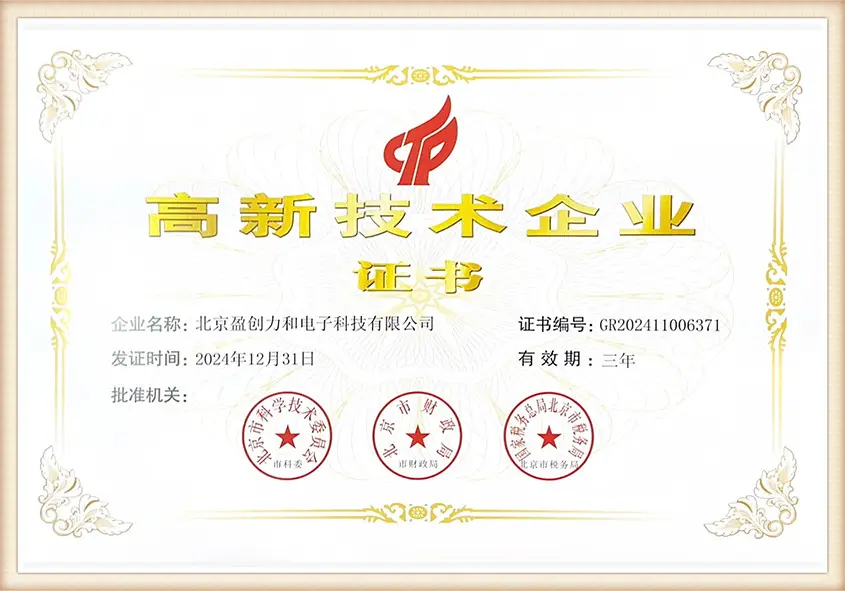
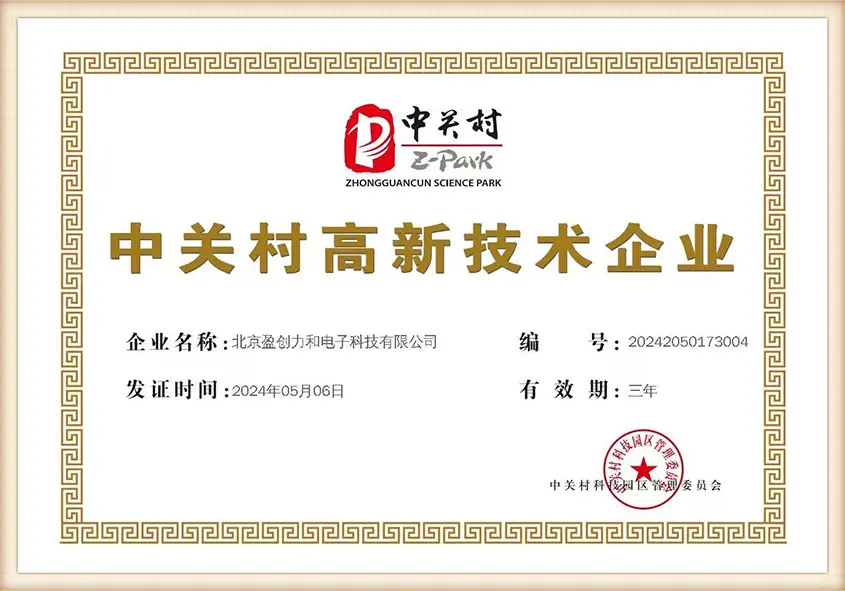
YCLI's modern manufacturing center is equipped to scale high-yield production, maintaining full compliance with CE, FCC, and RoHS certifications. To guarantee persistent field reliability, our devices leverage state-of-the-art sensing arrays imported from premier suppliers in Germany and Switzerland. These precision micro-transducers resist baseline sensor drift, outperforming standard budget models and ensuring reliable, accurate environmental reporting across decades of field operations.
A roadmap of technical innovations, municipal standardizations, and key industry partnerships from 2007 to the present day.
The company was founded in Beijing. Developed our first intelligent environmental monitoring terminal based on TCP/IP, complemented by the initial release of our central management software.
Collaborated with Mocha Software, a leader in domestic network management, to launch the TH-5939 series supporting native SNMP environmental polling.
Partnered with Switzerland's COMLAB to develop the TH-5869 protective ethernet logging terminal, successfully deployed across the Beijing-Kowloon and Beijing-Shanghai high-speed railway networks.
Introduced the APEM-6100 in partnership with Founder Technology, marking one of the earliest industry integrations of Power over Ethernet (PoE) in automated monitoring.
Collaborated with Foxconn to establish our sensors as the standardized environmental diagnostic criteria across their high-precision cleanroom manufacturing plants.
Launched the next-generation APEM-5900 terminal in partnership with Baidu, deploying massive multi-parameter sensor arrays throughout Baidu's state-of-the-art Yangquan Data Center.
Deployed robust integrated outdoor cabinet telemetry units in collaboration with Huawei and China Merchants Huaruan for their extensive nationwide ETC expressway initiatives.
Played an integral role in Beijing's High-Level Autonomous Driving Road Test initiative, engineering smart, weatherized edge road boxes and data gateways.
Co-founded a dedicated Beidou High-Precision business division with the Beijing University of Civil Engineering and Architecture, focusing on smart pipeline deformation telemetry and intelligent water networks.
A comprehensive analysis of what international engineering procurement teams require when vetting high-reliability, low-power logging technology.
Global logistics and facilities networks are scaling rapidly, bringing complex interoperability demands. Procurement directors are shifting away from proprietary ecosystems to avoid supplier lock-in. Instead, modern installations rely on standardized communication protocols such as Modbus TCP/IP, MQTT (Message Queuing Telemetry Transport), and LoRaWAN. This standardization ensures new sensors integrate seamlessly with pre-existing SCADA, DCS, or building automation frameworks.
| Protocol Selection | Typical Power Profile | Ideal Physical Range | Key Strengths | Primary Industrial Use-Case |
|---|---|---|---|---|
| Power over Ethernet (PoE) | Medium (1.5W - 3W continuous) | 100m (Extendable via Switches) | Extremely Stable, Dual Power/Data Line | Cleanrooms, Server Rooms, Data Centers |
| LoRaWAN (Sub-GHz) | Ultra-Low (µA Sleep, mA Burst) | Up to 15km (Line of Sight) | Outstanding Penetration, Decades of Battery Life | Agricultural Fields, Smart Water Pipelines |
| Industrial WiFi (WPA2-Ent) | Medium-Low (Periodic Wake cycles) | 50m - 100m | High Bandwidth, Utilizes Existing WLAN Infrastructure | Flexible Factory Remodeling, Warehousing |
| RS485 (Modbus RTU) | Low (Driven by Host Query) | Up to 1200m | Highly Standardized, Extremely Noise Resistant | Heavy Machine Diagnostics, Cabinet Control |
Uncompromising quality, custom hardware options, and end-to-end technical support designed to protect your operational investments.
Leverage our two decades of dedicated industrial manufacturing. We deliver highly resilient, field-proven telemetry systems engineered on a foundation of long-term stability and deep engineering expertise.
Go beyond rigid off-the-shelf limits. Our robust design group provides full OEM/ODM tailoring, allowing you to optimize enclosure protection, interface layouts, and firmware drivers to win specialized projects.
Your continuous operation is our priority. Every business partner is backed by our direct technical support engineers, with guaranteed, technical-level responses to queries in under 8 hours.
How YCLI sensors integrate into high-complexity national infrastructures, from driverless vehicle pathways to clean laboratory environments.

Deploying real-time temperature, absolute dew point, and micro-differential air pressure tracking arrays prevents high-density hot spots while minimizing excess cooling energy loss.

Continuous environmental profiling with precision VOC, formaldehyde (HCHO), and relative humidity telemetry ensures full compliance with GMP sterile compounding standards.
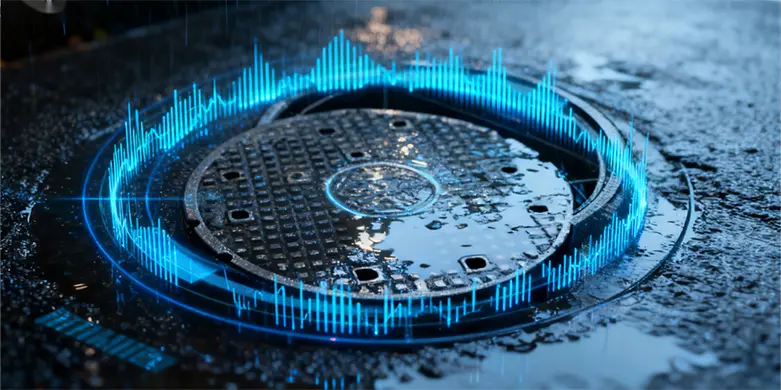
Water intrusion detectors combined with IP67-rated low-power telemetry pods monitor underground utility structures, transmitting system alerts before structural damage occurs.
Driving telemetry innovations forward: where low-power data acquisition is heading over the next decade.
As the industrial Internet of Things continues to mature, environmental data loggers are shifting from simple passive recording devices to dynamic edge-computing analytical partners. The next step in this evolution is the deployment of localized anomaly detection directly on the sensor microcontrollers, processing measurements without relying on continuous cloud validation loops.
By compiling specialized neural network models directly into our next-generation ARM Cortex microcontrollers, our upcoming sensor modules will dynamically identify environmental anomalies locally. This allows the system to remain in its deep-sleep state during normal operations, waking up to transmit data packets only when a verified environmental threat is detected.
We are actively expanding our joint Beidou Satellite High-Precision Positioning business division. This work integrates ultra-precise structural deformation telemetry directly into our outdoor environmental sensor housings, tracking shifts in soil, bridges, or smart highway structures down to the millimeter scale.
The long-term goal for remote data logging is self-sufficient operation. We are exploring specialized solar panels, thermal energy harvesters, and electromagnetic resonance coils to power our next-generation sensors indefinitely on ambient energy, eliminating battery replacement cycles forever.
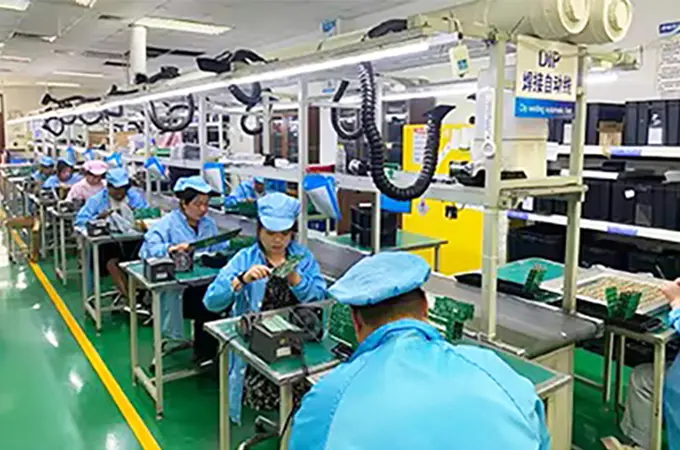
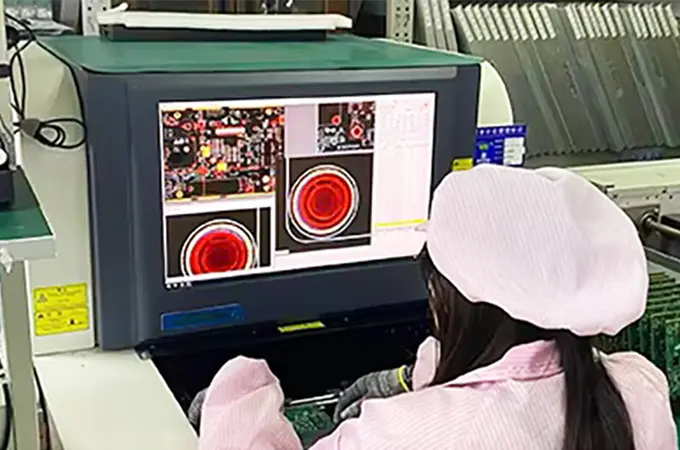
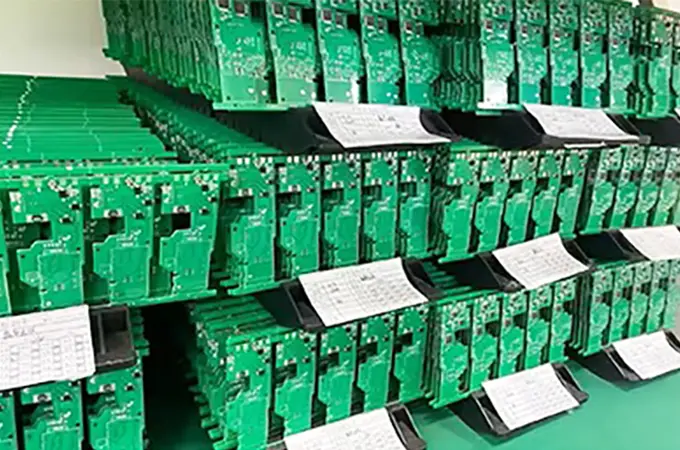
A transparent look at our physical manufacturing workshops, state-of-the-art calibration cleanrooms, and global exhibition engagements.
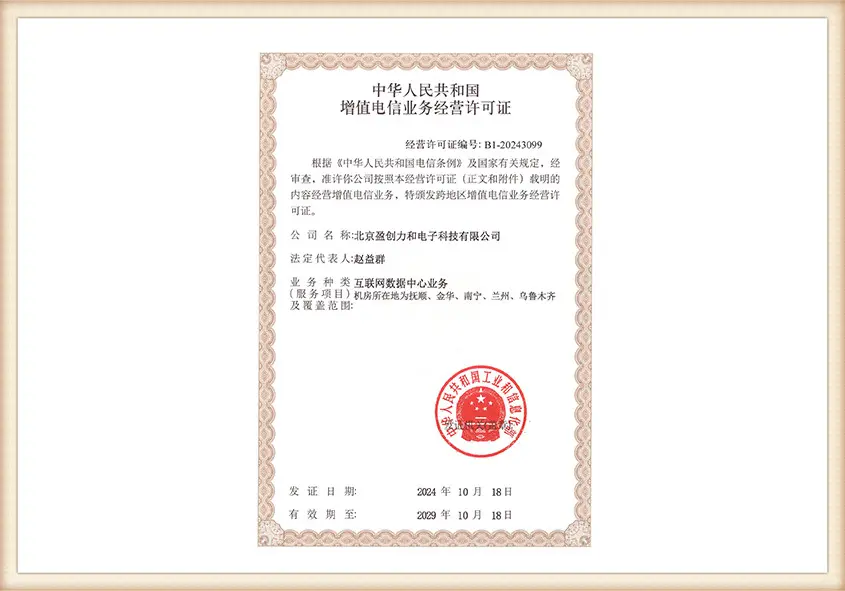
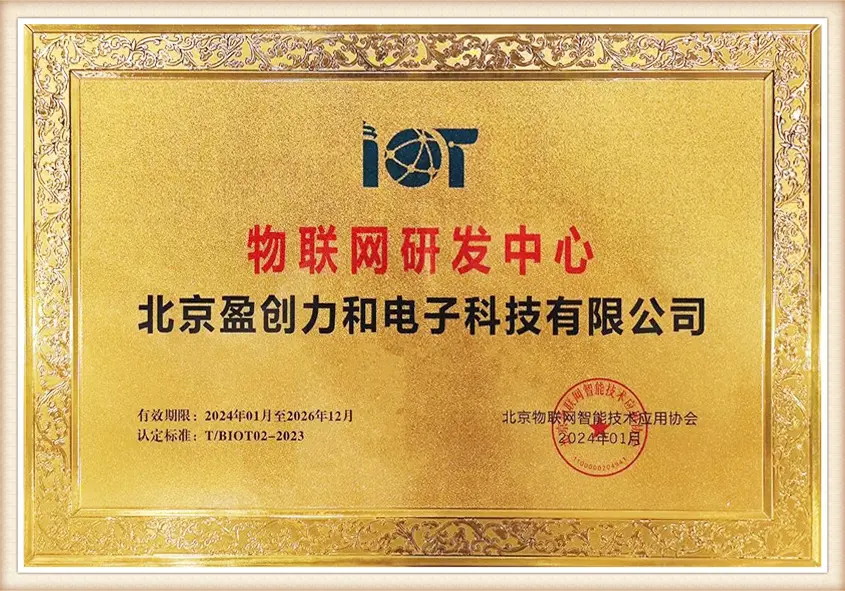
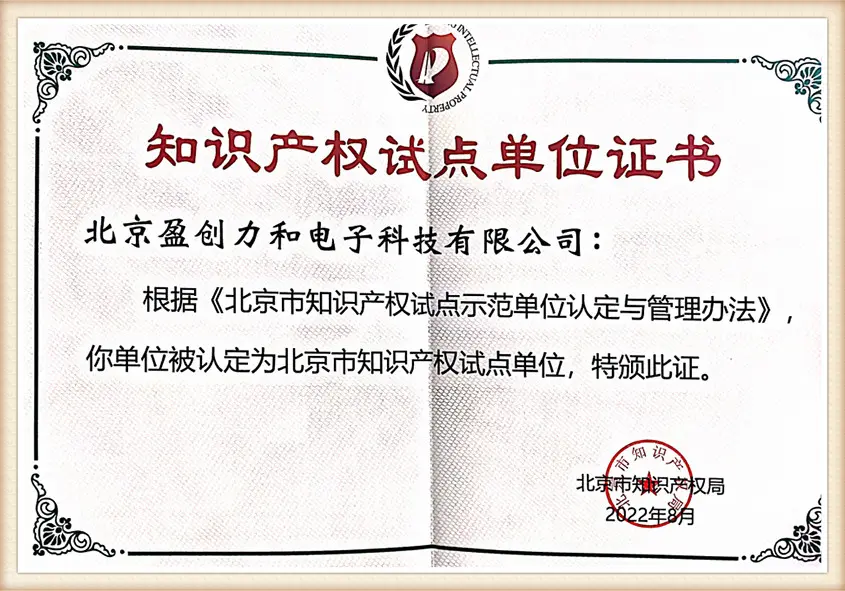
Direct technical answers addressing the core questions raised by systems integrators, procurement managers, and engineering directors.
Our data loggers integrate low-quiescent hardware architectures, using Swiss- and German-designed sensing components that draw minimal current. Additionally, our customizable firmware supports variable wake-sleep cycles, sleeping at micro-ampere levels and waking instantly for high-speed sampling only when needed.
Yes, our flagship devices, including the APEM-5930 and APEM-5930G series, support standard IEEE 802.3af PoE. This design delivers both power and reliable ethernet communication over a single RJ45 cable, simplifying installations and removing the need for local power drops.
Absolutely. Our hardware supports open industrial protocols, including Modbus-TCP, Modbus-RTU (over RS485), and SNMP (v1/v2c/v3). This standard protocol design ensures clean, reliable integration with diverse third-party industrial automation and enterprise SCADA platforms.
By utilizing high-grade imported digital transducers, our temperature and humidity sensors experience minimal baseline drift—typically less than 0.03°C and 0.25% RH per year under standard operations. We recommend checking calibration cycles every two years for high-accuracy applications.
Explore our complete product ecosystem, designed to protect asset integrity with accurate, persistent environmental tracking.
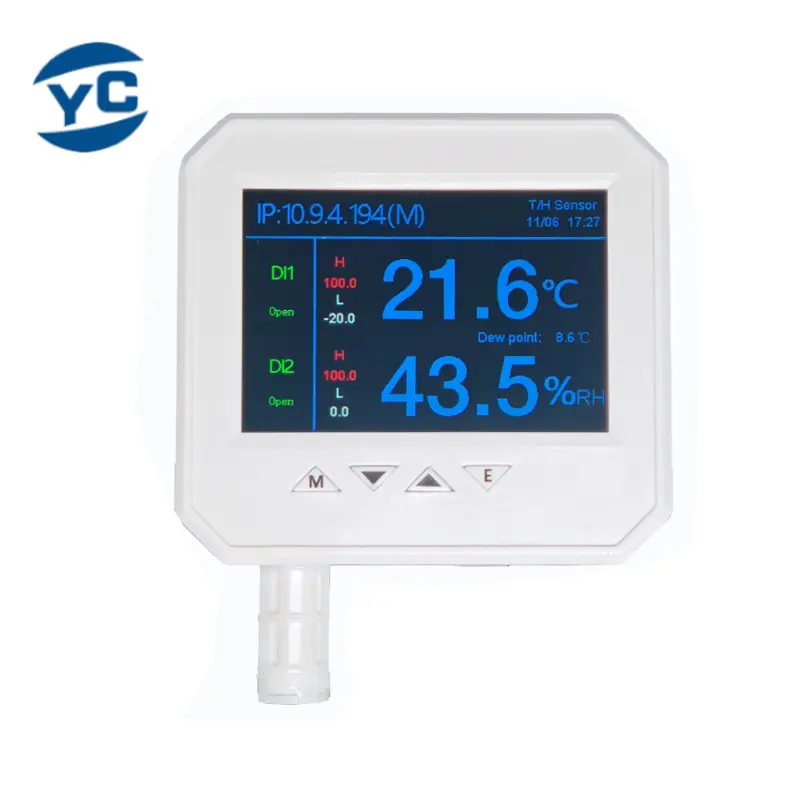
DC12~48V + PoE, integrates dew point calculation directly on the edge.
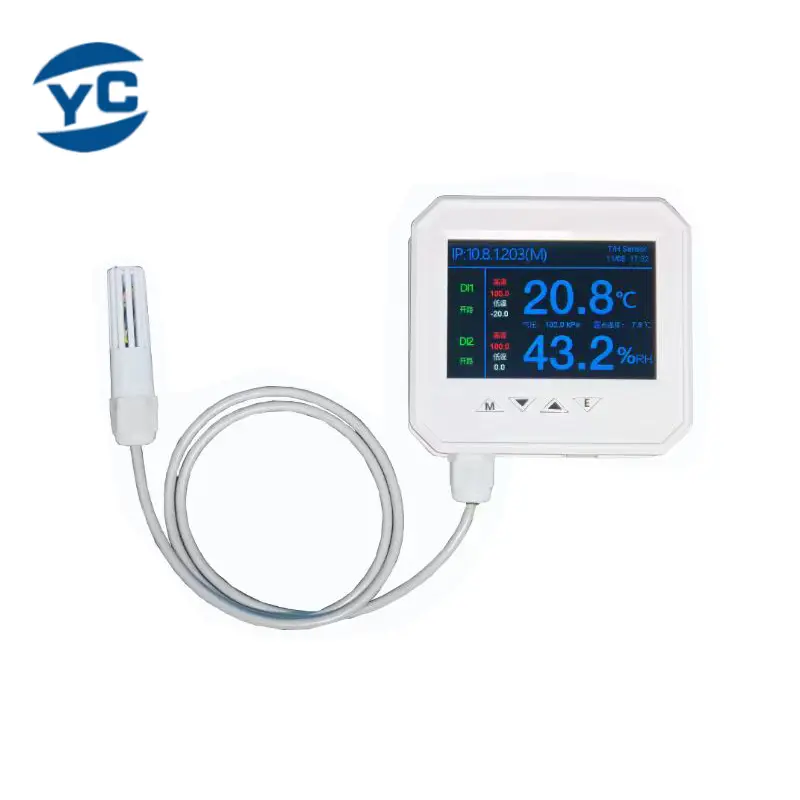
Sensing head separated by a durable, shielded 1-3 meter cable, ideal for duct deployments.
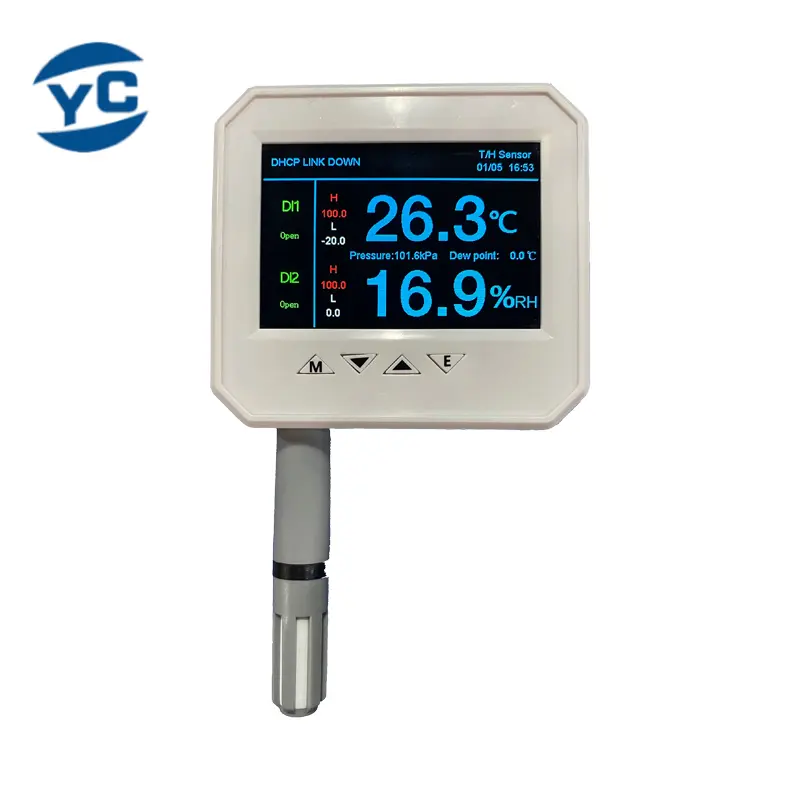
Monitors absolute atmospheric pressure, helping manage cleanroom pressure differentials.
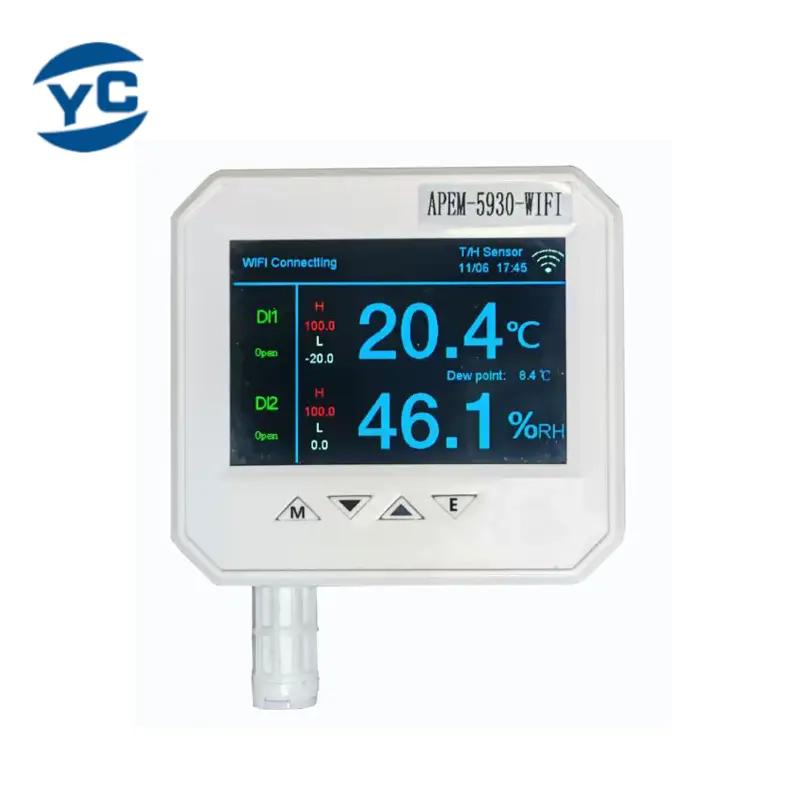
Wired primary connection with automatic wireless failover backup network mapping.
Precision electrochemical sensor clusters engineered for continuous toxic gas diagnostic tracking and facility safety monitoring.
Customized enterprise air-quality sensor with built-in relay alarm triggers.
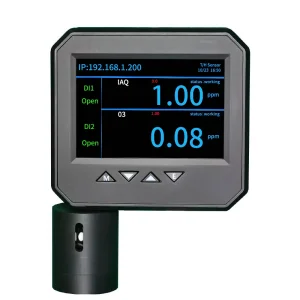
Engineered with high-selectivity electrochemical cells for clean ventilation controls.
Simultaneous CO monitoring with integrated precision temperature and humidity sensors.
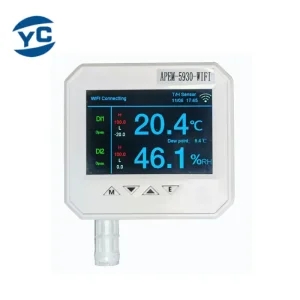
High-flexibility smart terminal with on-board memory to prevent data loss.
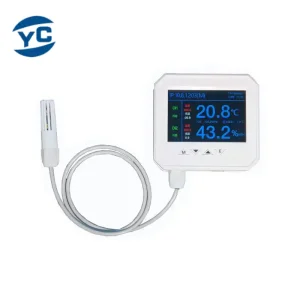
Budget-friendly multi-probe controller, ideal for large warehouse networks.
Fully certified to meet rigorous European industrial installation safety requirements.
Custom brand branding, customized firmware, and private cloud API setups available.
Custom specialized logging intervals with industrial relay signal outputs.
 YCLH Sensor