Premium solutions certified for international standards, engineered by Yingchuanglihe
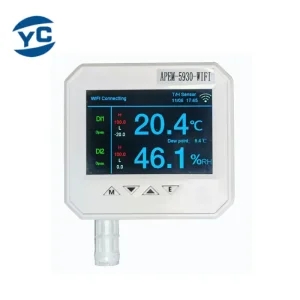
Designed for smart buildings and modern offices, featuring precise environmental tracking.
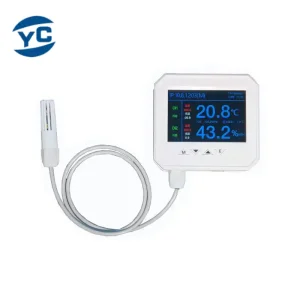
Optimized for advanced monitoring systems, ensuring consistent reliability and compliance.
Flexible integration model customized for high-accuracy remote operations.
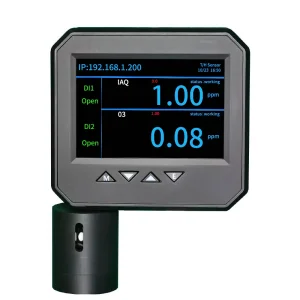
Integrated multi-parameter loggers for tracking ozone, temperature, and humidity.
Advanced industrial-grade atmospheric monitor with comprehensive air data output.
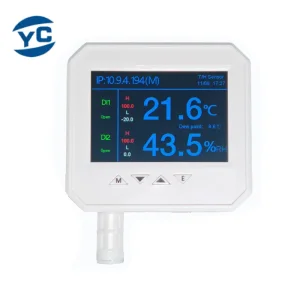
Robust industrial design utilizing single-cable Ethernet power and signal delivery.
Tailored Ethernet solutions customizable for specific industrial deployment sites.
Redundant network options integrating physical Ethernet and wireless pathways.
Within high-availability settings such as Hyperscale Data Centers, biological archives, and semiconductor manufacturing, maintaining strict thermal and moisture ranges is paramount. The selection of physical network layers—primarily comparing RS485 Modbus RTU to Ethernet (Modbus TCP, SNMP, MQTT)—dictates system latency, scalability, cable routing logistics, and total cost of ownership (TCO).
This report compares electrical structures, data protocols, and installation practices. It outlines why CE certified network environmental monitoring equipment provides the reliability required for modern industrial setups.
Ethernet topologies deliver 10/100 Mbps data rates, easily handling complex readings like VOCs, O₃, CO, and dew point measurements alongside standard temperature and humidity telemetry.
Using Power over Ethernet (PoE - IEEE 802.3af), setups can merge signal routing and 48V power into a single Cat5e/Cat6 line, streamlining installation relative to typical 4-wire RS485 runs.
A balanced evaluation of legacy serial buses versus modern networked topologies.
| Feature Parameter | RS485 Serial Interface (Modbus RTU) | Ethernet / PoE Network (Modbus TCP / SNMP / MQTT) |
|---|---|---|
| Cabling Topology | Linear Daisy-Chain (Requires termination resistors) | Star Network (Direct point-to-point links via switches) |
| Power Delivery | Separate line required (Typically DC 12V-24V) | Single cable power via PoE (IEEE 802.3af, DC 48V) |
| Bandwidth & Speed | 9.6 kbps to 115.2 kbps | 10 Mbps / 100 Mbps standard auto-negotiating |
| Deployment Range | Up to 1200 meters (Extended distances with repeaters) | 100 meters (Extensible using PoE switches/media converters) |
| Standard Protocols | Modbus RTU, BACnet MS/TP | Modbus TCP, SNMP v1/v2c/v3, MQTT, HTTP, JSON |
| Fault Isolation | Low; line failures can affect the entire bus chain | High; isolated drops prevent single-node outages |
| CE EMC Compliance | Moderate shielding required to limit EMI on long runs | High noise immunity via isolated internal magnetics |
Industrial settings contain electromagnetic interference (EMI) from motors and heavy relays. RS485 employs differential signaling across shielded twisted pairs to reject common-mode noise. Ethernet sensors feature built-in isolation transformers, providing 1.5kV isolation to prevent ground loop damage.
Ethernet sensors support direct SNMP and MQTT communication. This allows systems to send environmental data straight to SCADA software, building management systems (BMS), or cloud platforms without requiring gateways.
Yingchuanglihe sensors, such as the APEM-5930W, include dual-mode connection features. These devices run on primary wired Ethernet connections and can automatically switch to backup WiFi paths to preserve data continuity.
CE marking confirms that environmental sensors comply with European Union directives regarding health, safety, and environmental protection. For industrial facilities, certified hardware is necessary to verify electrical protection and compatibility with other control systems.
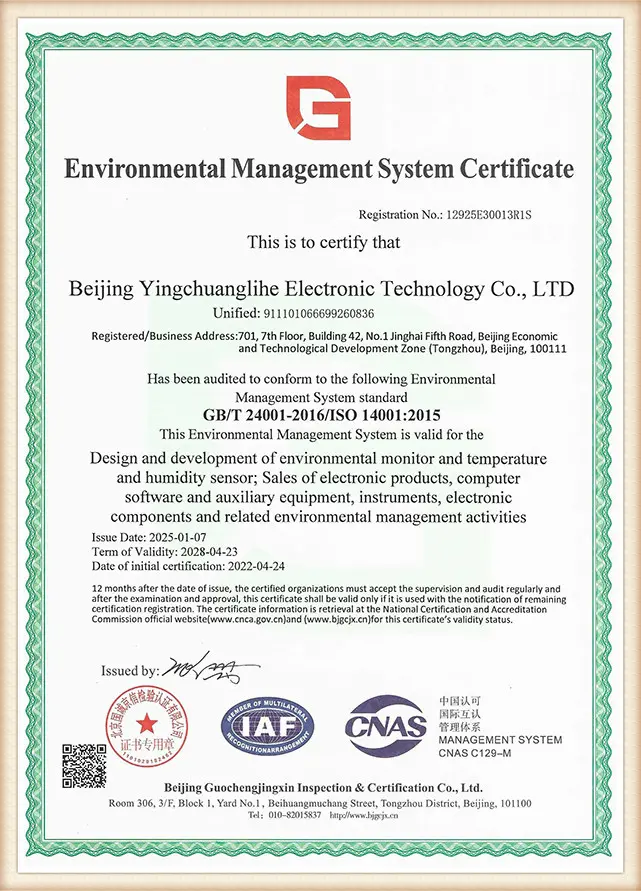
Beijing Yingchuanglihe Electronic Technology Co., Ltd. (YCLI) is a manufacturer of environmental monitoring sensors. Established in 2007, the company provides multi-parameter sensors that supply accurate data for smart monitoring systems across various industries. Operating from a 1,500+ square meter facility in Beijing with over 100 staff, YCLI manages R&D, manufacturing, and distribution in-house.
We design and manufacture a broad range of monitoring solutions to meet industrial requirements:
Temperature + Humidity + Dew Point + Gas parameters.
Industrial Modbus RTU transmitters with robust shielding.
Long-range, low-power wireless modules for infrastructure monitoring.
Cabinet locking systems and leak detectors.
A history of engineering reliable environmental sensor networks
Company founded; launched an intelligent environmental monitoring terminal using TCP/IP network protocols alongside its first tracking software.
Partnered with Mocha Software to introduce the TH-5939 series of environmental monitors supporting SNMP protocols.
Collaborated with Switzerland's COMLAB to produce the TH-5869 protective Ethernet monitor, used in Beijing-Kowloon and Wuhan-Guangzhou railway projects.
Cooperated with Founder Technology to release the APEM-6100 environmental monitoring device, incorporating Power over Ethernet (PoE) technology.
Partnered with Foxconn to establish our sensor solutions as standard environmental checks for production facilities.
Collaborated with Baidu to install the APEM-5900 Ethernet smart monitoring terminals in Baidu's Yangquan Data Center.
Introduced cabinet monitoring systems; deployed sensor arrays in Huawei and China Merchants Huaruan ETC expressway projects.
Developed integrated boxes and edge computing gateways for autonomous driving road tests and intelligent computing center builds.
Established business divisions with Beijing Enterprises Water Group and co-founded a Beidou division with BUCEA for pipe network tracking.
YCLI environmental monitoring systems are deployed in various settings requiring precise climate controls.
PoE sensors monitor temperature and humidity variations across server cabinets to optimize air handling units, reduce energy use, and prevent condensation damage.
Sensors monitor temperature, relative humidity, and atmospheric pressure parameters. This helps prevent cross-contamination and maintains chemical stability in test areas.
YCLI sensors are used in autonomous driving road boxes and smart municipal water pipelines. They deliver real-time data under varied outdoor environmental conditions.
YCLI environmental equipment has been presented at international technology fairs and industrial exhibitions, confirming standard compliance across international markets.
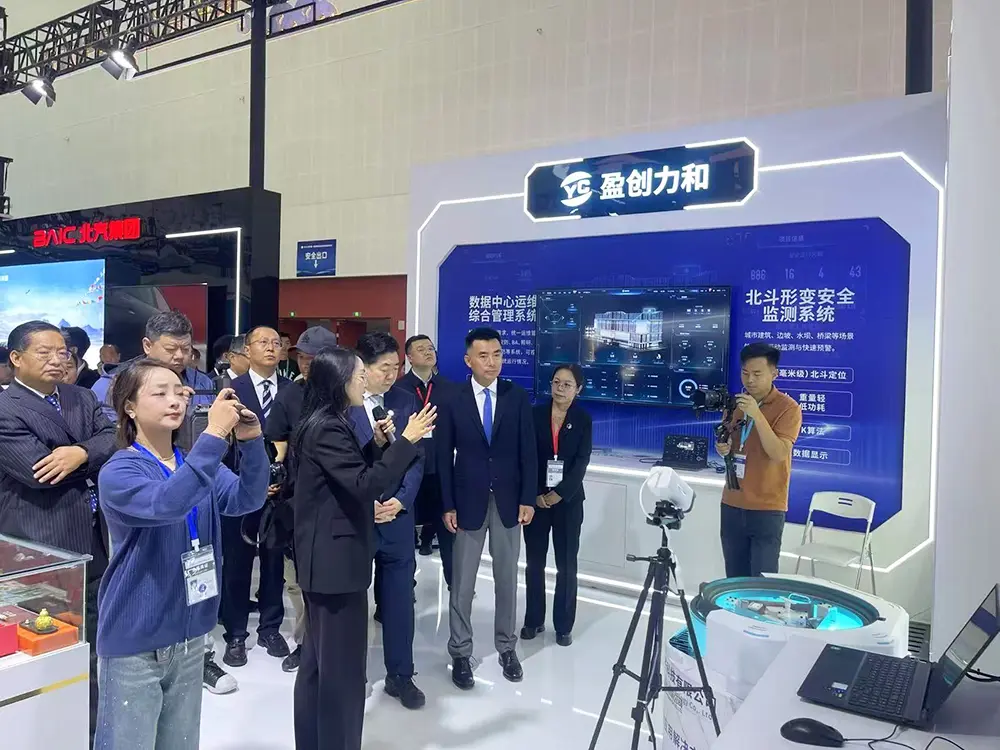
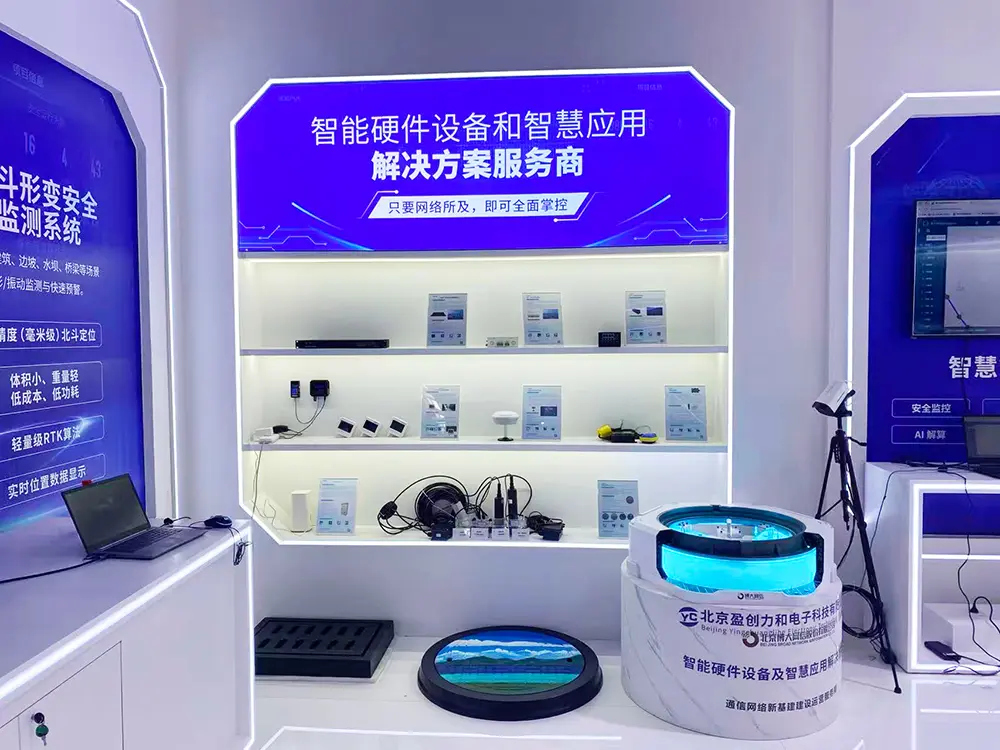
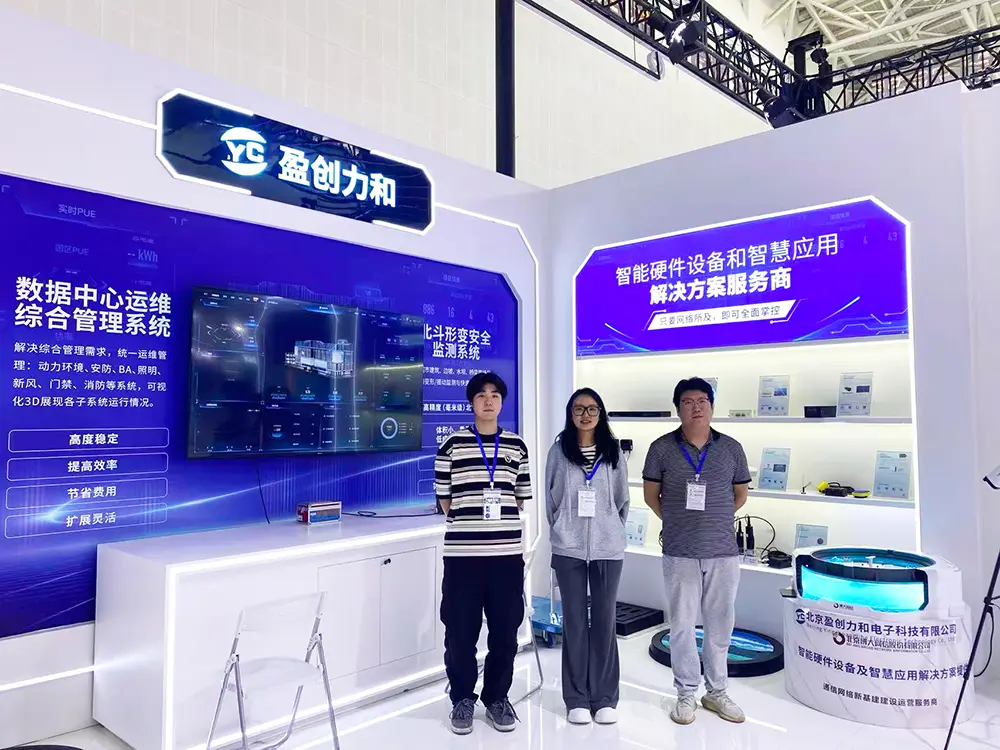
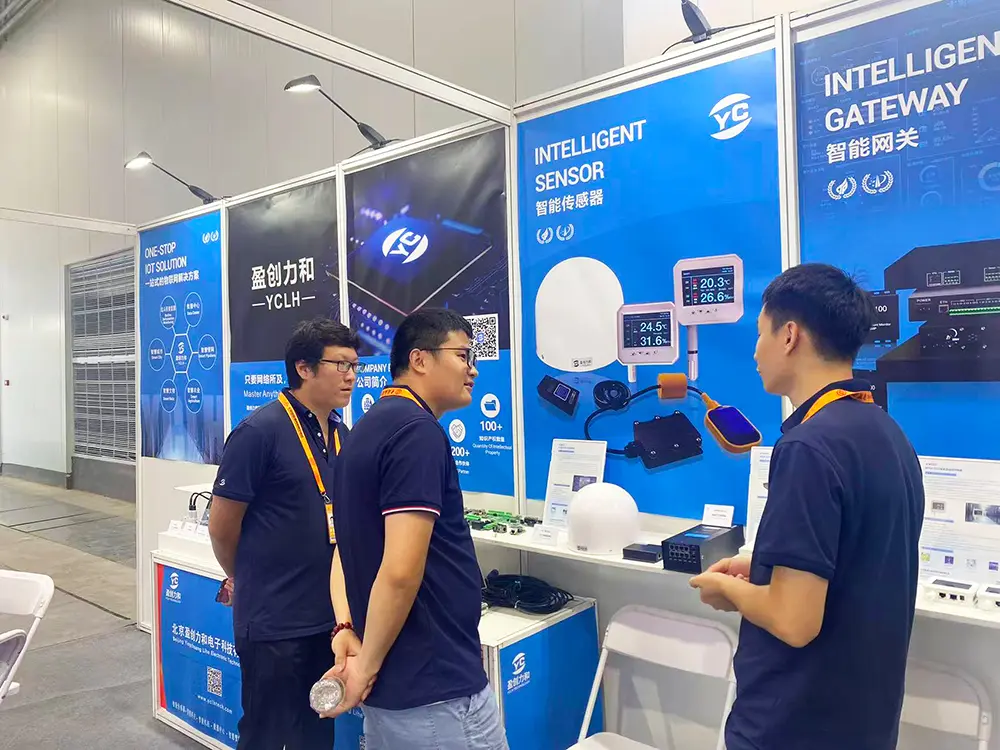
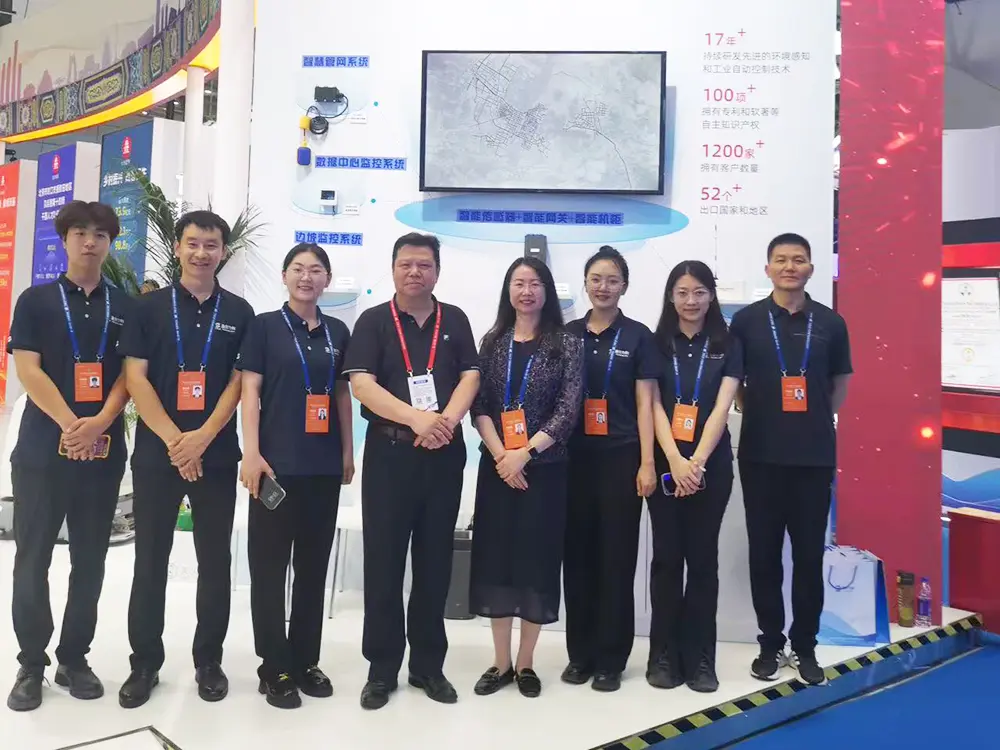
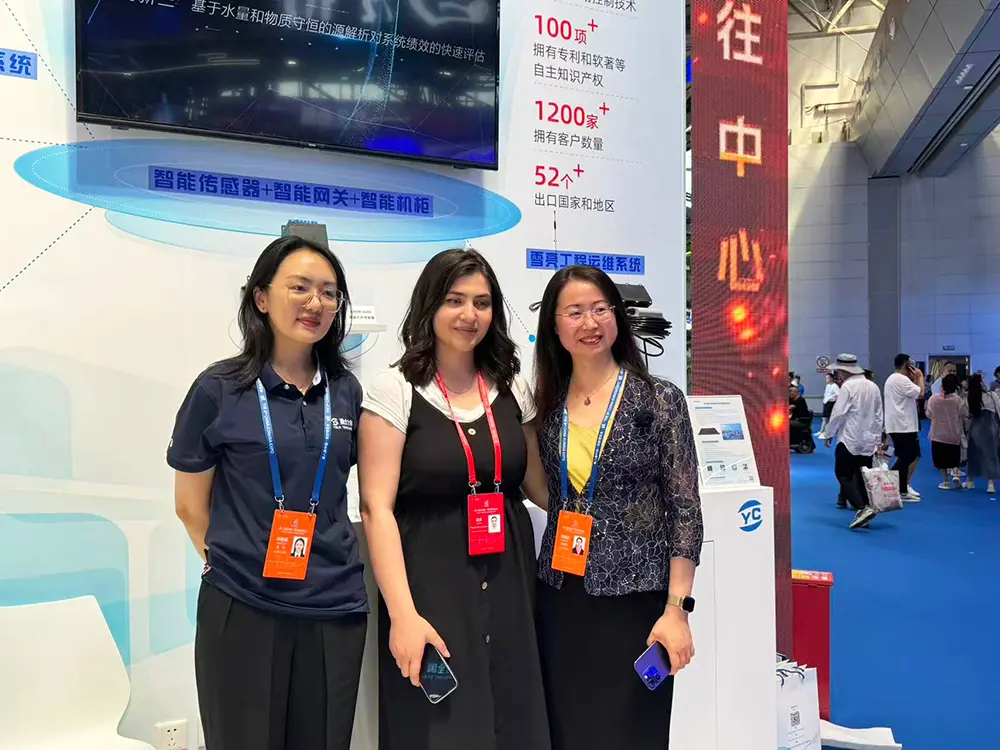
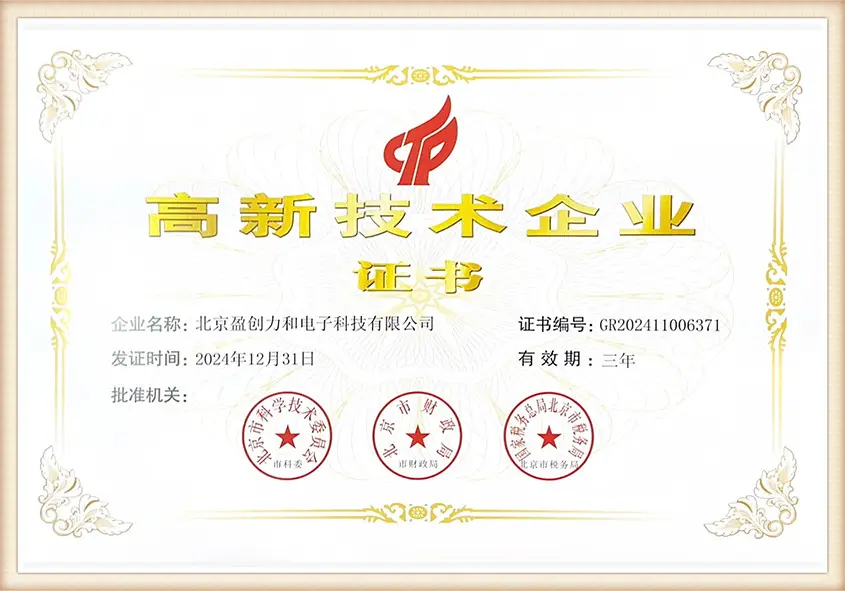
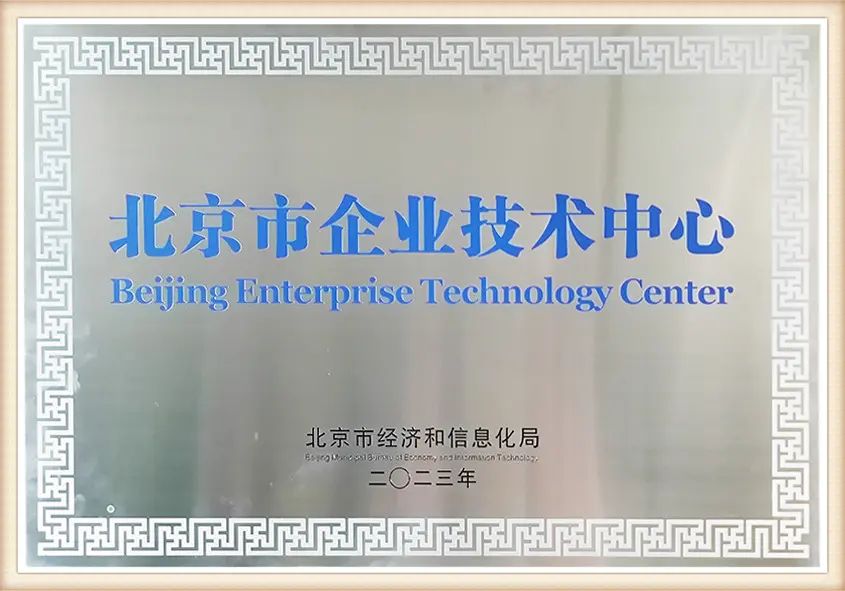
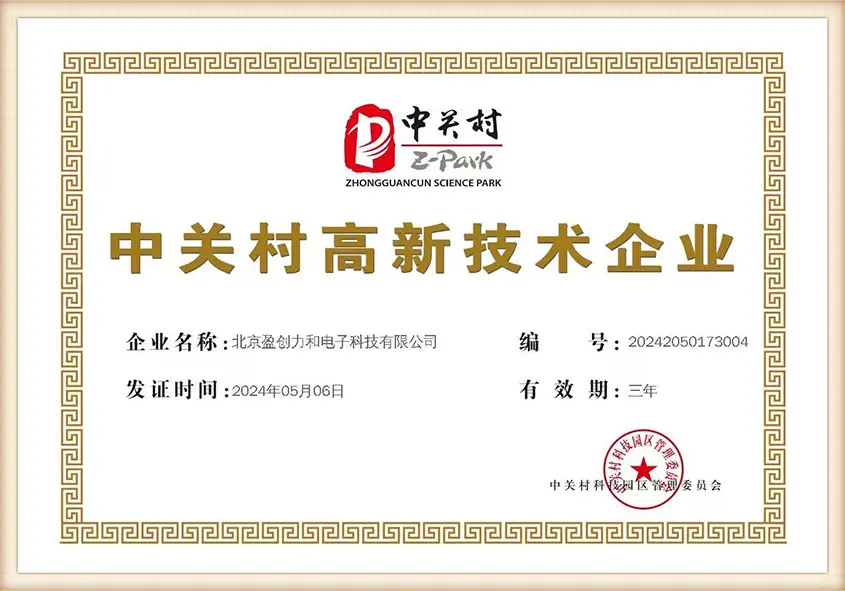
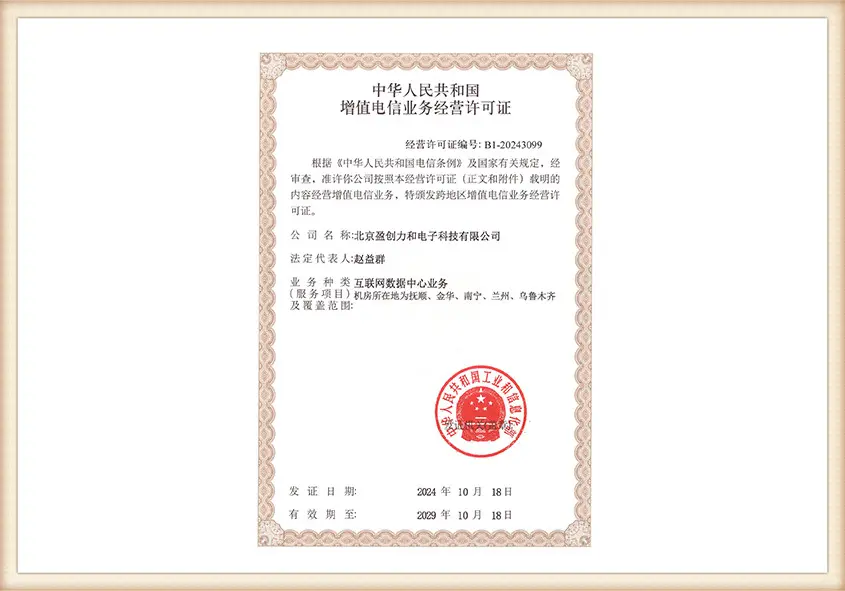
Our factory operations and product lines are certified to meet international criteria, ensuring reliability for critical systems.
Specialized gas probes, air quality sensors, and long-range LoRaWAN equipment
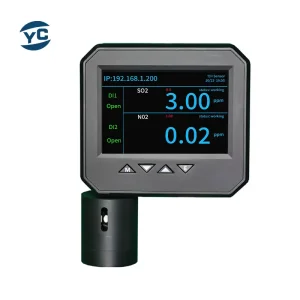
Tracks toxic sulfur dioxide and nitrogen dioxide levels, featuring built-in humidity logs.
Combines ozone (O₃), indoor air quality indices, temperature, and dew point.
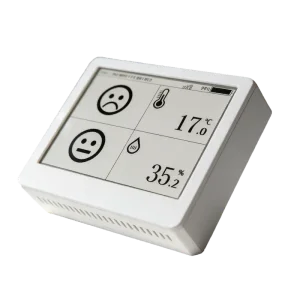
Long-range, battery-optimized wireless sensor for remote industrial monitoring.
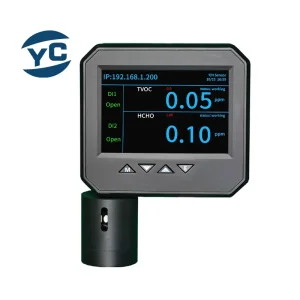
Measures total volatile organic compounds, formaldehyde, temperature, and humidity.
Features external probes on flexible cables, designed for chambers and ducts.
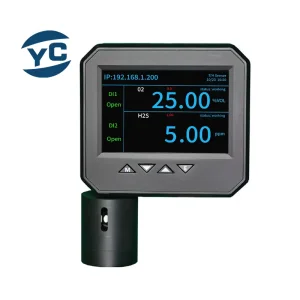
Combines safety tracking for oxygen and hydrogen sulfide with environmental logging.
Designed for building ventilation control and workplace health monitoring.
CE-certified multi-channel data logger for tracking airborne pollutants.
YCLI is focused on integrating environmental sensors with advanced telemetry protocols to meet changing industry demands.
Our upcoming generation of Ethernet sensors will perform local thermal-trend analysis at the device level, helping to reduce data load on parent servers and systems.
We are introducing native support for OPC UA and MQTT Sparkplug B across our Ethernet and WiFi sensor lines. This helps simplify connection setups for industrial software systems.
We are expanding our multi-parameter sensor arrays. In addition to CO, O₃, SO₂, and H₂S, we are adding NH₃ and CO₂ options to serve smart agriculture and chemical process control needs.
Key technical considerations when selecting RS485 and Ethernet sensor hardware for your project.
 YCLH Sensor