Select, high-stability sensor equipment customized for cleanroom validation, historical building environmental monitoring, and FDA compliant cold storage facilities throughout Boston.
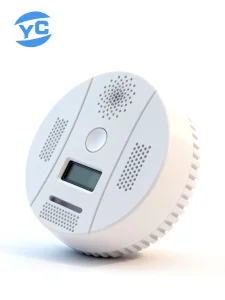
Ultra-low power indoor environmental monitoring node designed for dense architectural interference typical in Boston historical properties.
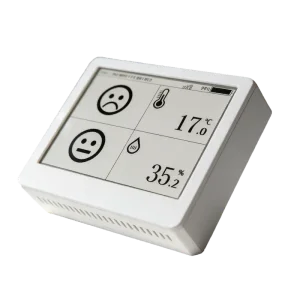
Highly customizable long-range wireless sensor ideal for Cambridge biotech incubators and cold storage validation monitoring.
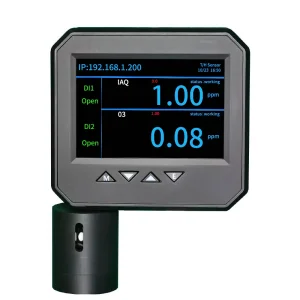
Ethernet-based air safety monitor tracking ozone, temperature, and humidity with dual logging capabilities for cleanroom compliance.
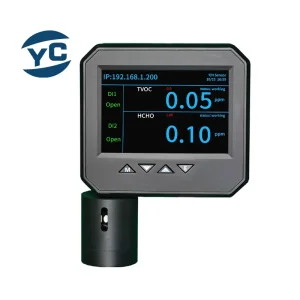
Comprehensive chemical exposure tracking unit deployed across modern Boston warehouse storage facilities and laboratories.
The Greater Boston area—including Cambridge, Waltham, and the Seaport district—represents the world's dense concentration of biotech R&D centers, cleanroom ecosystems, and Ivy League research academic campuses. Operating in New England requires compliance with strict building codes, energy standards (like Boston's BERDO), and regulatory requirements for sensitive materials storage (such as FDA 21 CFR Part 11). For laboratories maintaining cryogenic and climate-controlled rooms, standard consumer sensors are inadequate. Precision-guided LORA (Long Range) series devices serve as the optimal wireless networking protocols for these applications. The long-wavelength 915 MHz RF band enables transmissions to penetrate thick concrete structures, masonry basements, and multi-story historic university buildings, circumventing the range limitations of traditional 2.4 GHz WiFi networks.
Globally, industrial automation is rapidly shifting toward low-power, long-range decentralized networks (LPWAN). Environmental sustainability and strict ESG metrics require factories, warehousing providers, and facility managers to continuously audit environmental variables. The APEM series sensors provide high measurement precision, utilising Swiss and German imported chips to deliver sub-0.3°C temperature accuracy and stable humidity measurements over multi-year cycles. Through integrated Modbus-RTU, Power over Ethernet (PoE), and LoRaWAN gateways, our industrial systems integrate directly with standard SCADA and Building Management Systems (BMS), driving global supply chains to reduce operational carbon footprints.
Yingchuanglihe's technical development path centers on sensor fusion, edge computing, and enhanced security layers. Over the next decade, all sensing units are scheduled for upgrade to support native TLS encryption at the device level, mitigating cybersecurity risks on industrial networks. We are also integrating multi-gas electrochemical cells into our standard Ethernet housings, facilitating the parallel logging of volatile VOC compounds, carbon monoxide, oxygen levels, and atmospheric pressures in a single terminal. This structural integration minimizes installation costs while maximizing data resolution for advanced industrial ventilation control systems.
Beijing Yingchuanglihe Electronic Technology Co., Ltd. is a professional developer and manufacturer of industrial-grade environmental monitoring sensors. Since our founding in 2007, we have focused on providing high-precision temperature, humidity, and multi-parameter sensing nodes that deliver stable, reliable environmental data across a range of industries.
We source critical sensing elements directly from industry leading suppliers in Switzerland and Germany to guarantee low calibration drift and high resolution.
Our hardware lines are certified to meet CE, FCC, and RoHS criteria, assuring suitability for deployment in strict regulatory markets like the EU and US.
We offer native compatibility with widely used industrial communication standards including Modbus-TCP, Modbus-RTU, TCP/IP, LoRaWAN, SNMP, and MQTT.
Leverage our dedicated research and design team to tailor sensor packages, enclosure ratings (IP65/IP67/IP68), and measurement ranges to your requirements.
Tracing the development of our commercial IoT technologies over nearly two decades of engineering and partnership growth.
Established the corporation and introduced our first generation TCP/IP environmental monitoring terminal along with our proprietary central data logging utility.
Partnered with Mocha Software to co-develop and launch the TH-5939 environmental monitoring node, integrating native SNMP network management support.
Collaborated with Switzerland's COMLAB to supply protective TH-5869 Ethernet sensor systems for regional high-speed rail projects including the Beijing-Kowloon and Wuhan-Guangzhou lines.
Partnered with Founder Technology to launch the APEM-6100 environmental monitoring hub, representing one of the earliest designs incorporating Power over Ethernet (PoE) functionality.
Partnered with Foxconn to establish our precision sensors as standard environmental monitoring equipment across their high-density electronics production facilities.
Cooperated with Baidu to deploy the next-generation APEM-5900 Ethernet smart monitoring terminals throughout their Yangquan Data Center facility.
Expanded our product suite with targeted smart solutions, deploying custom sensor networks to monitor conditions in advanced data centers and smart properties.
Introduced our integrated outdoor cabinet monitoring system, deployed in key infrastructure projects including Huawei and China Merchants Huaruan ETC expressway facilities.
Designed and manufactured integrated road-test enclosures and ruggedized edge computing gateways to support autonomous driving pilot tests in municipal zones.
Expanded support for high-performance computing centers, delivering hardware monitoring platforms tailored to the environmental tolerances of GPU clusters.
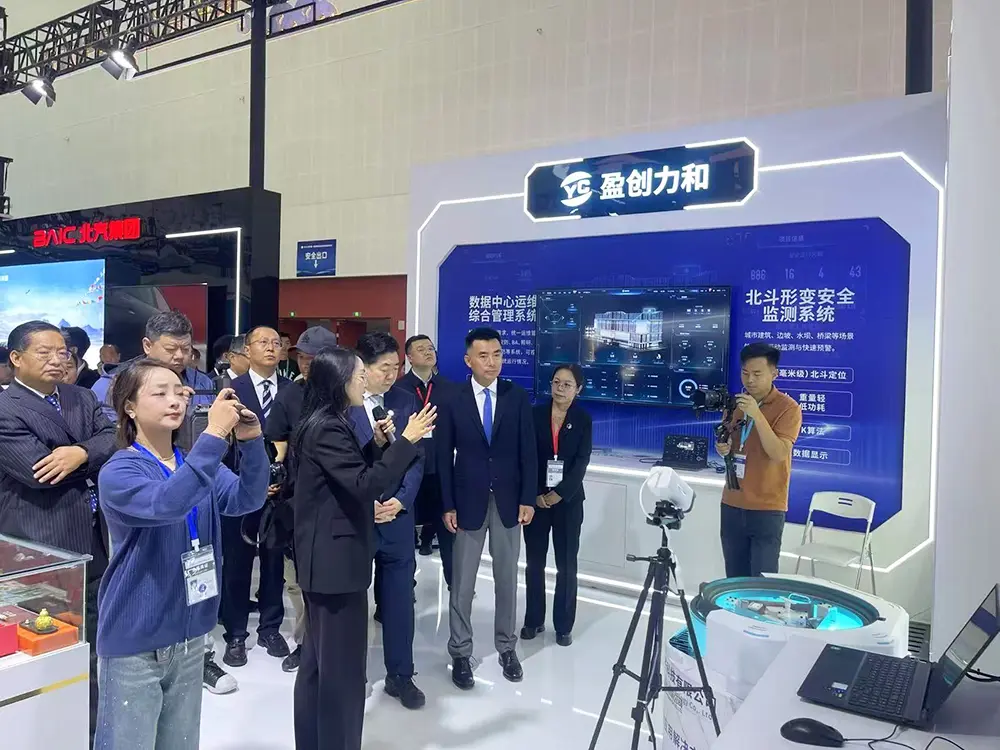
Established joint operating divisions with Beijing Enterprises Water Group and co-founded a high-precision deformation monitoring division utilizing Beidou satellite connectivity.
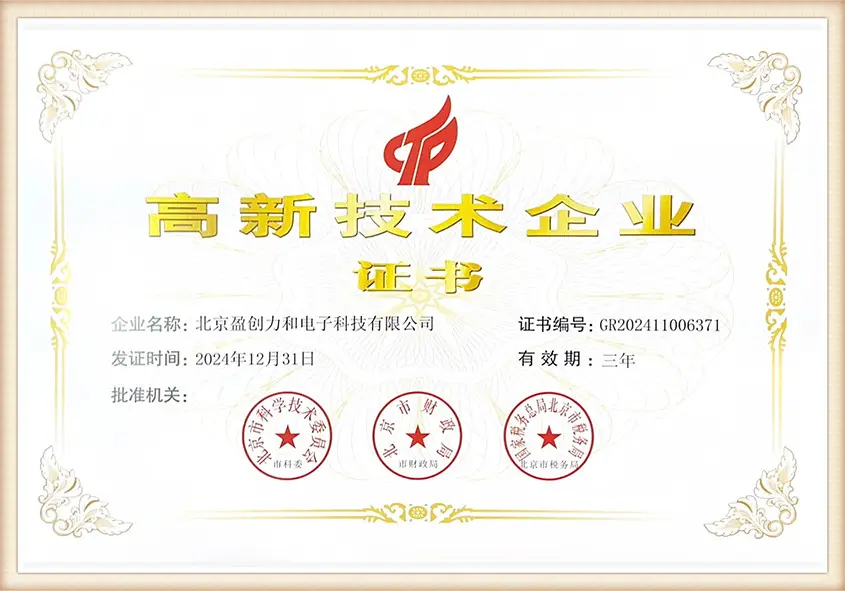
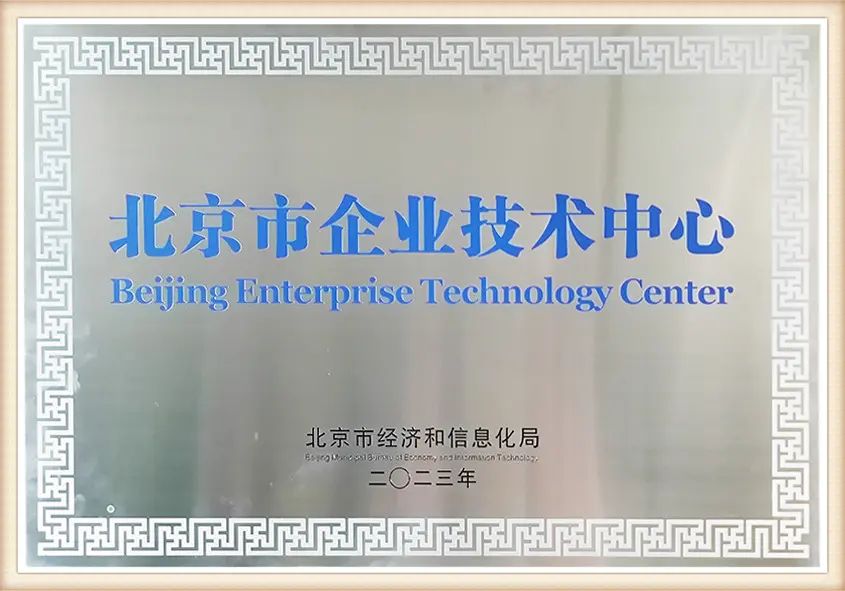
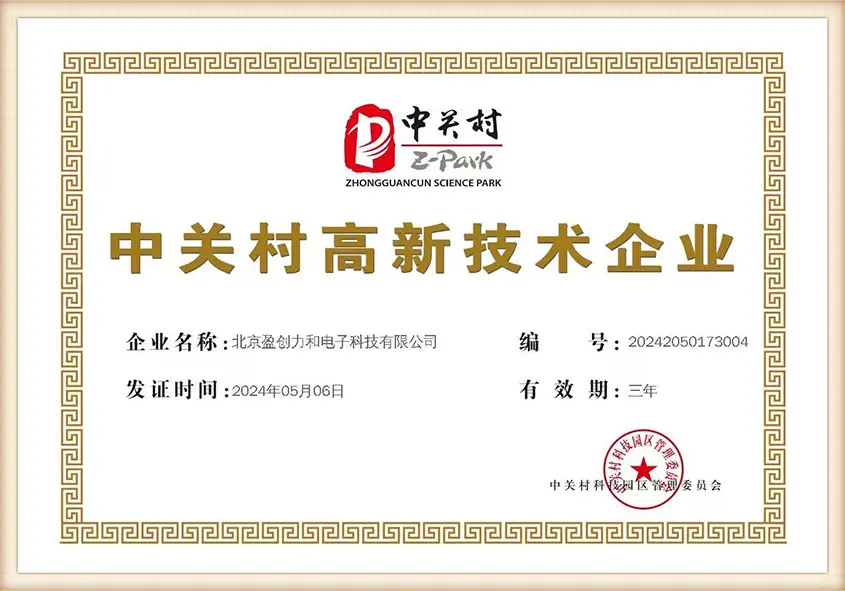
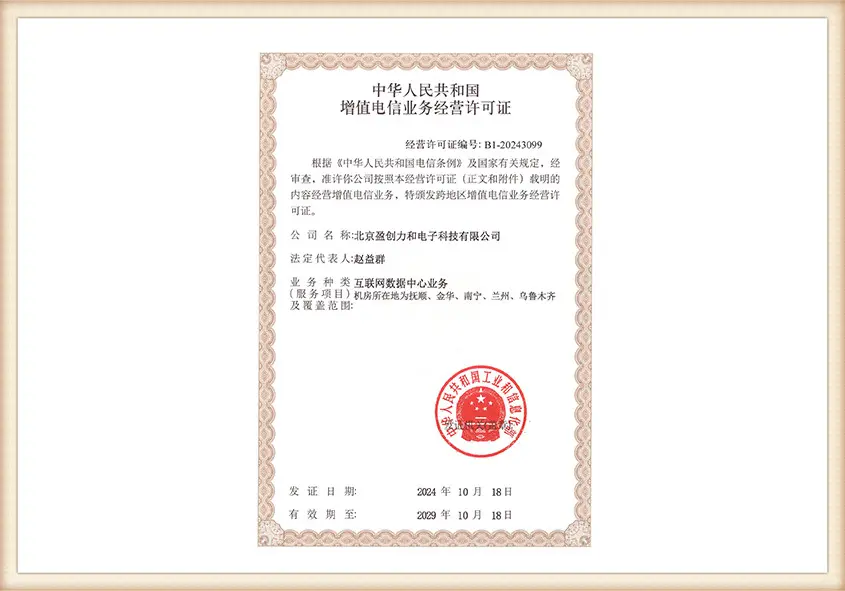
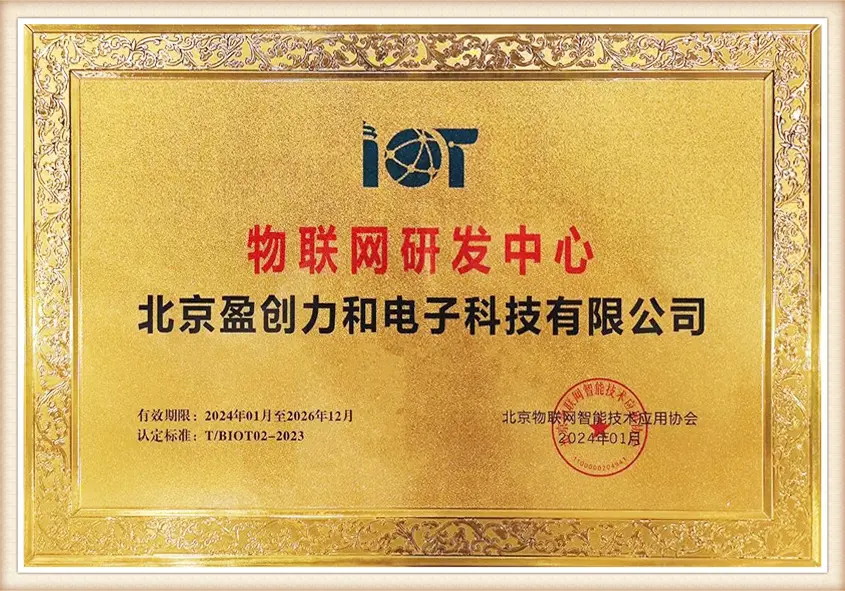
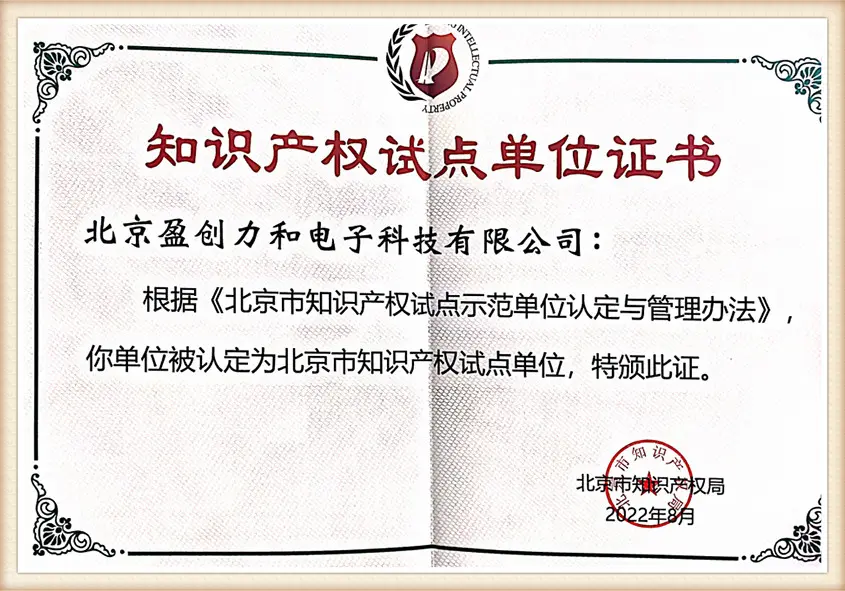
Our facilities and products undergo ongoing external audits to maintain validation against global technical and safety criteria.
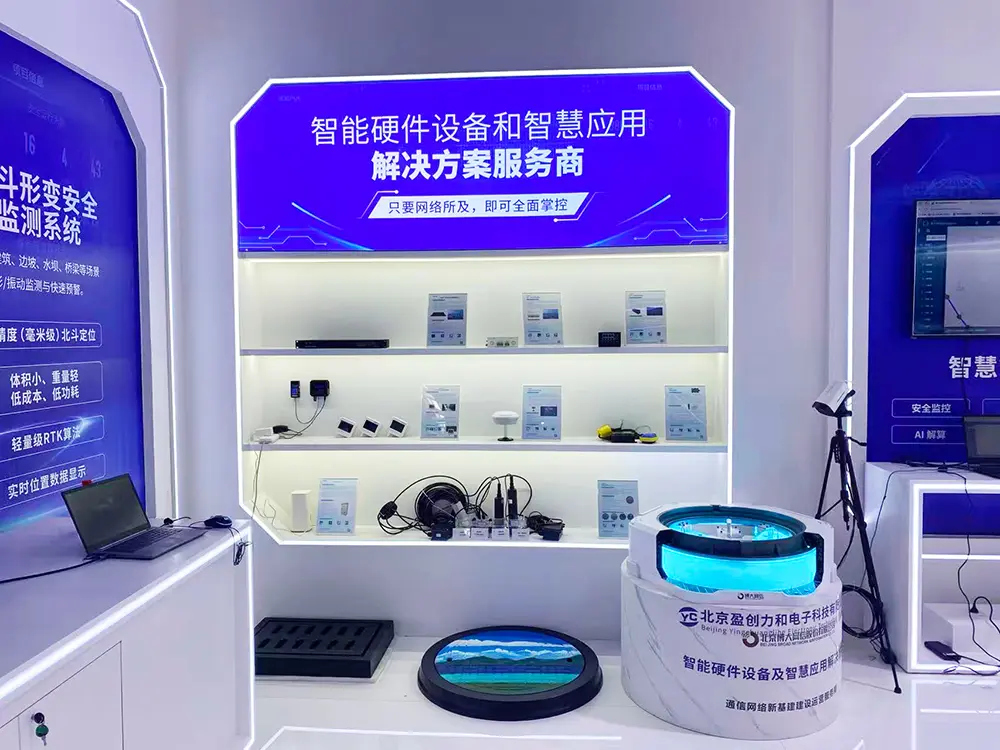
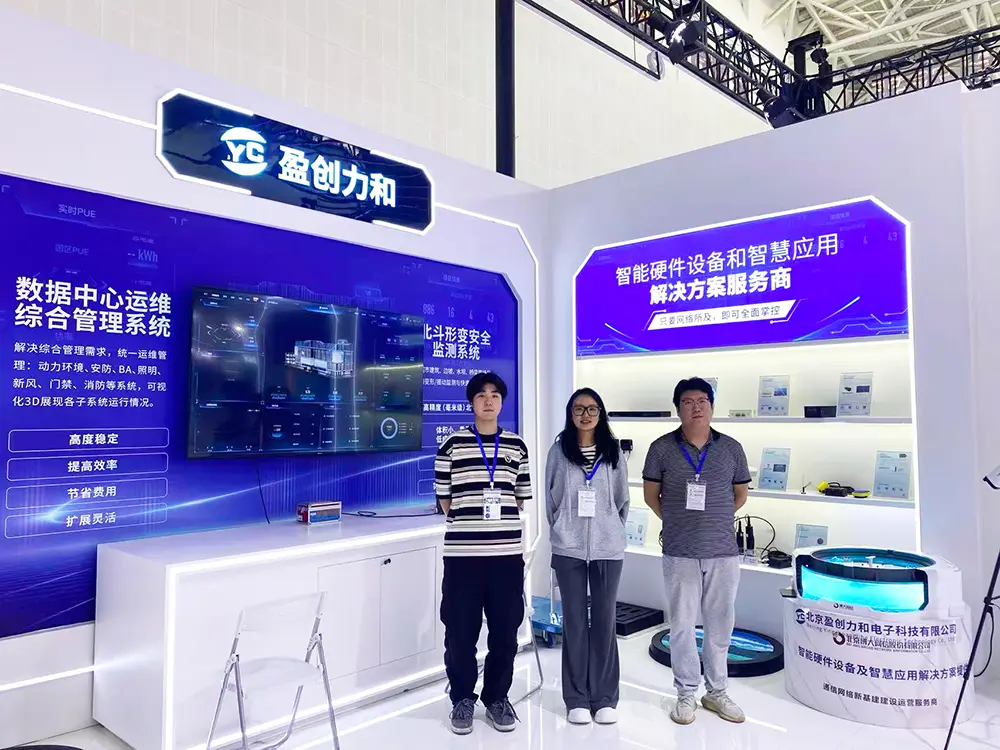
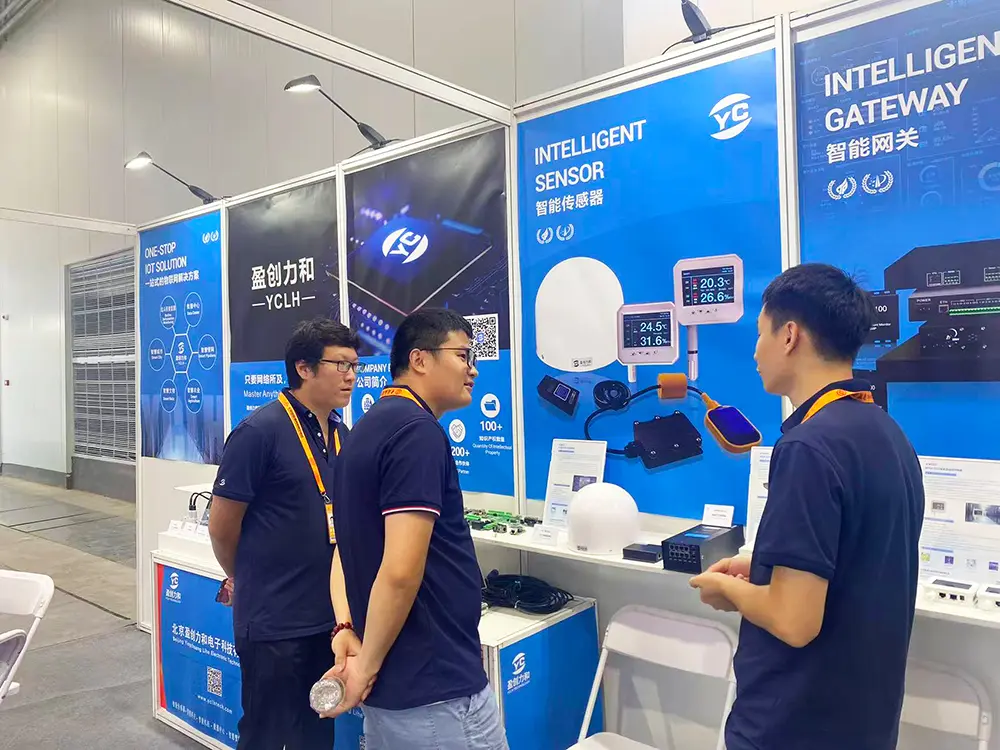
Review our selection of industrial sensors. These units support standard protocols to facilitate direct integration with corporate SCADA systems and building management controllers.
A long-range wireless sensor node designed for real-time monitoring of temperature and humidity across municipal and educational campuses.
An Ethernet-connected gas logging unit designed to monitor total volatile organic compounds (TVOC) and formaldehyde (HCHO) levels.
A low-power wireless sensor developed to maintain thermal stability in cold-chain logistics hubs throughout Massachusetts.
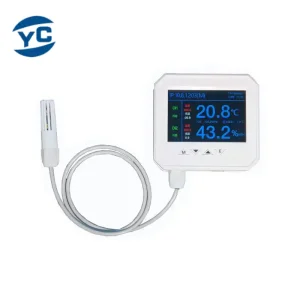
An Ethernet-based sensor with optional physical probes, designed for installation in high-density server racks and electrical cabinets.
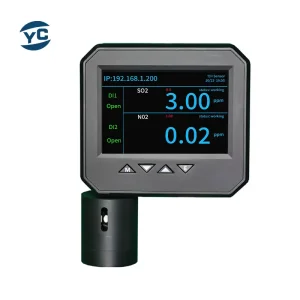
A specialized gas monitor designed for manufacturing environments to track sulfur dioxide, nitrogen dioxide, and temperature parameters.
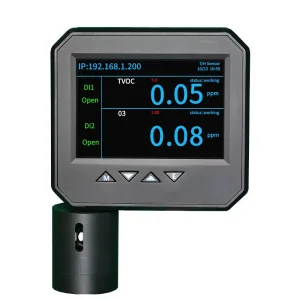
An integrated air quality sensor that monitors TVOC, Ozone, ambient temperature, and relative humidity.
A rack-mountable Ethernet data logger developed for commercial office settings to monitor air quality variables and ozone levels.
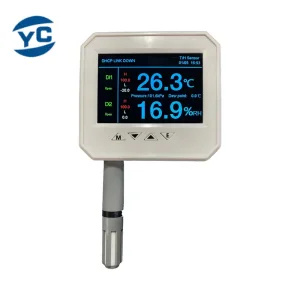
A precision sensor developed to monitor differential pressure, helping to prevent contamination in cleanroom environments.
How our multi-protocol environmental sensing networks integrate into typical industrial architectures.
For facilities prioritizing transmission speed and direct wiring, our Ethernet series sensors support Power over Ethernet (PoE). This technology simplifies deployments by carrying both power and diagnostic data over a single Cat6 network cable. The sensors communicate using Modbus-TCP and SNMP protocols, allowing direct integration with programmable logic controllers (PLCs) and standard SCADA systems without requiring signal conversion hardware.
For installations where physical cabling is impractical, our LoRaWAN network layout provides wireless range using minimal power. The sensor nodes transmit encrypted telemetry over the 915 MHz frequency band to a local gateway. The gateway converts the LoRa data packets to MQTT or HTTPS protocols, forwarding the information to cloud management platforms or on-premise storage databases.
Find answers to common technical questions regarding the deployment and configuration of our sensors in the Boston market.
Seeking detailed technical specifications, a commercial quotation, or custom configuration advice for a project in the Boston market? Contact our engineering team today to review your application requirements.
Send Inquiry Now YCLH Sensor