1. The Evolution of Industrial Smart Wifi & IoT Sensor Architectures
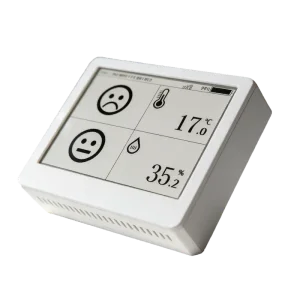
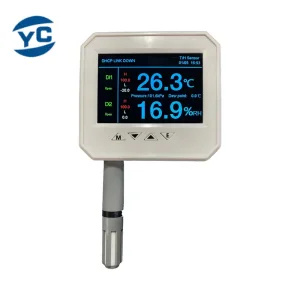
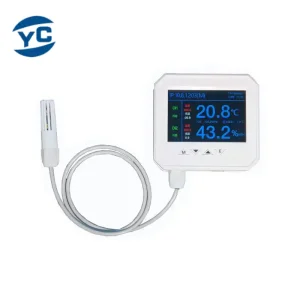
In the modern era of industrial automation and smart building infrastructure, environmental telemetry has transitioned from static, localized logging systems to real-time, dynamic sensor networks. The integration of Smart Wifi Temperature And Humidity Sensors represents a paradigm shift in how facility engineers, warehouse managers, and IT directors manage physical infrastructure. Today's commercial requirements extend far beyond basic tracking; they demand instant access, cloud connectivity, multi-protocol integration, and deep analytical intelligence at the network's edge.
Traditional analog sensors relied heavily on proprietary protocols and complex wiring, leading to high maintenance costs and limited scalability. The introduction of Wi-Fi-enabled sensors, operating under standardized IEEE 802.11 b/g/n and Wi-Fi 6 (802.11ax) configurations, has eliminated physical infrastructure limitations. By leveraging existing enterprise wireless networks, these devices enable rapid deployment across vast commercial premises. This evolution allows organizations to capture high-resolution environmental data, ensuring compliance with strict storage rules, enhancing equipment lifespan, and reducing operational overhead.
"The convergence of IT and OT (Operational Technology) demands environmental sensing systems that communicate directly with existing enterprise network backbones. Wireless WiFi and PoE Ethernet sensors bridge this gap seamlessly, rendering real-time data directly to cloud platforms or on-premise SCADA systems."
To achieve reliable, reproducible measurements, a sensor must be constructed with premium components and undergo thorough calibration. Beijing Yingchuanglihe Electronic Technology Co., Ltd. incorporates high-precision sensor chips imported directly from Switzerland (Sensirion) and Germany (Bosch). These advanced silicon chips incorporate capacitive humidity sensors and bandgap temperature sensors on a single microchip, ensuring rapid response times, low power consumption, and minimal long-term drift.
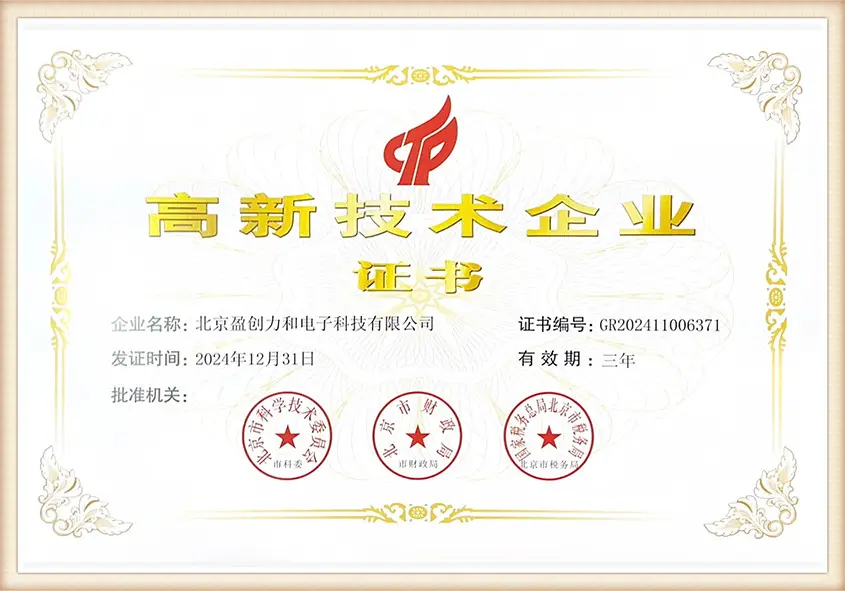
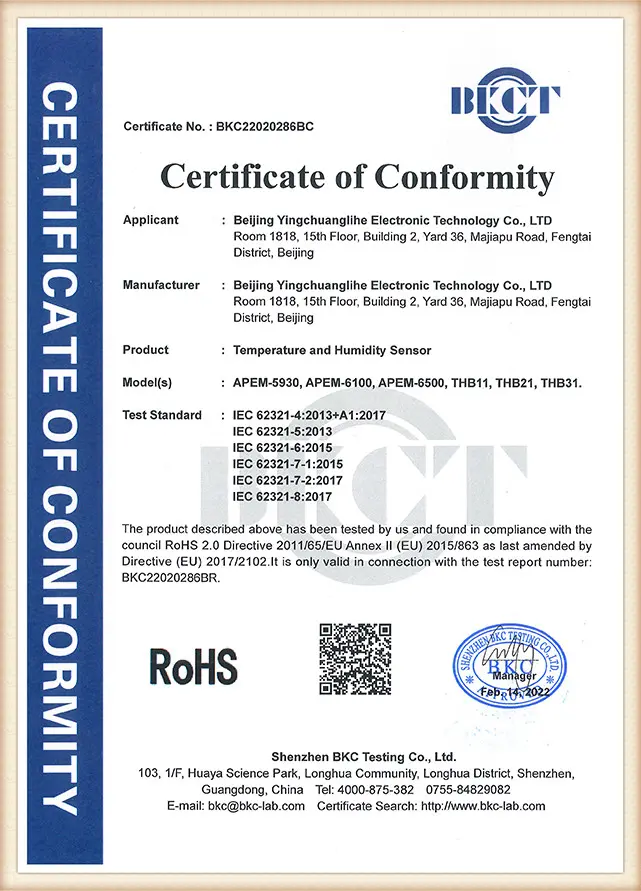
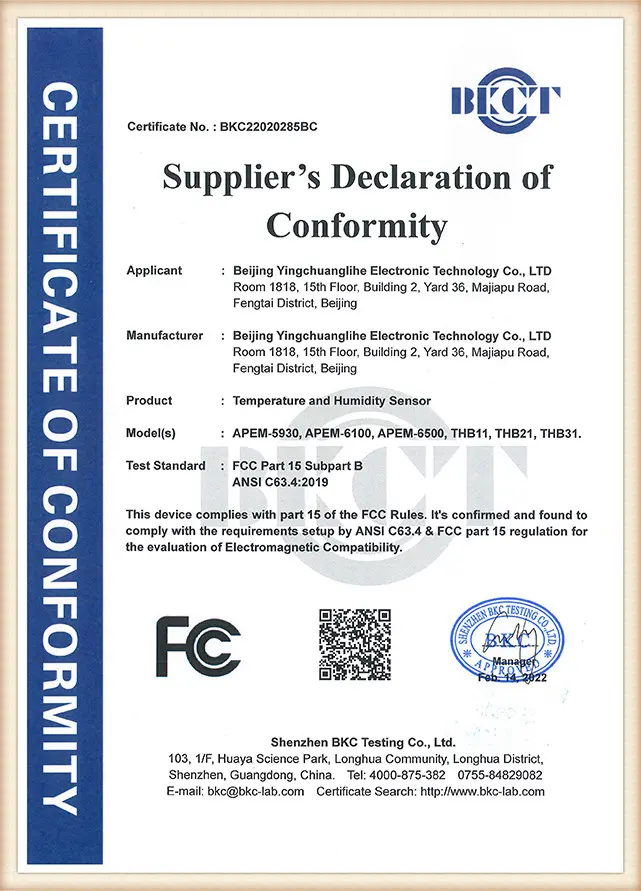
Long-term stability is crucial for commercial setups like pharmaceutical warehouses, laboratories, and high-density computing centers. Even minor deviations in temperature or relative humidity can lead to regulatory non-compliance or equipment failure. By utilizing Swiss and German sensing elements, our devices maintain an accuracy of up to ±0.1°C for temperature and ±1.5% for relative humidity. Our production process features a multi-stage calibration routine in controlled environmental chambers, ensuring every unit complies with CE, FCC, and RoHS standards before shipment.
3. Global Procurement Dynamics & Strategic Sourcing Checklist
Procurement teams within global logistics, pharmaceutical, and technology sectors face strict criteria when choosing environmental monitoring suppliers. Sourcing wholesale Smart Wifi Temperature and Humidity Sensors requires balancing upfront manufacturing costs against the Total Cost of Ownership (TCO). High-quality hardware must be supported by software adaptability, integration capabilities, and reliable technical support.
Key integration considerations include the support of open communication protocols. Proprietary APIs lock buyers into restricted eco-systems, whereas open integrations through Modbus TCP, MQTT, SNMP, and HTTP RESTful APIs allow the sensors to interface with existing Building Management Systems (BMS), SCADA software, and IoT cloud databases. Additionally, buyers should prioritize suppliers offering dual-mode connectivity options (such as WiFi combined with physical Ethernet PoE backups) to guarantee uninterrupted data streaming during network outages.
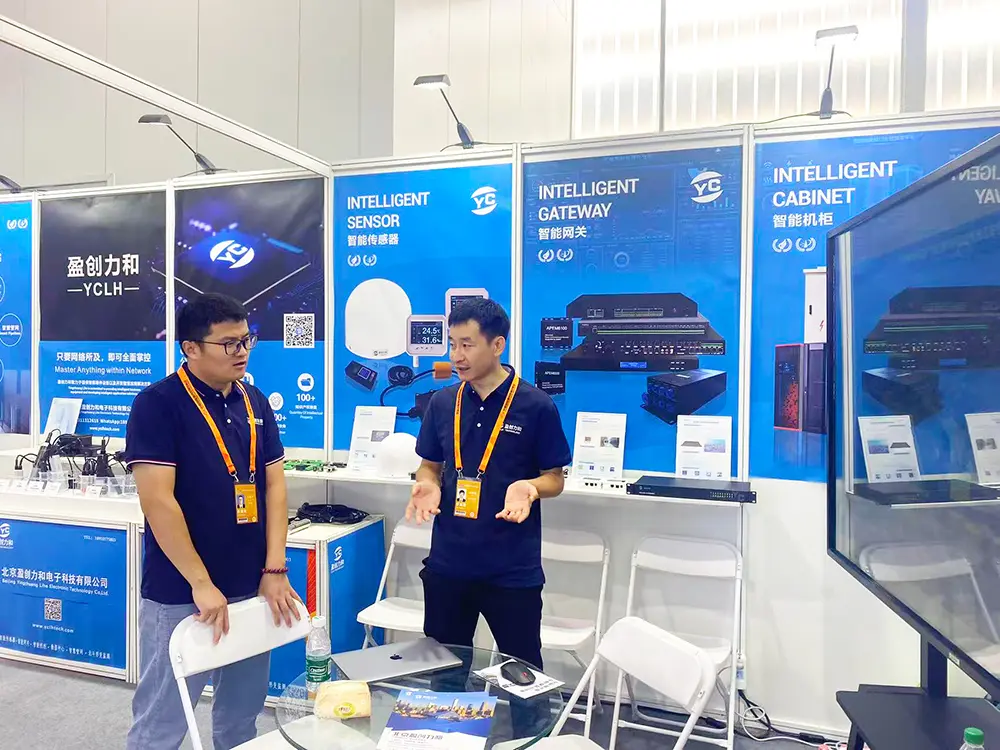
The production landscape for high-tech sensing equipment has evolved significantly. Beijing Yingchuanglihe Electronic Technology Co., Ltd. represents China's Factory 4.0 standard, combining specialized engineering with scalable manufacturing processes. Operating a modernized facility covering over 1,500 square meters in Beijing, Yingchuanglihe integrates advanced Surface Mount Technology (SMT) lines, automated optical inspection (AOI) stations, and precise thermal calibration chambers.
This integrated supply chain model provides clients with high stability. By sourcing raw components in large volumes and utilizing automated assembly, we maintain competitive wholesale pricing without compromising on quality. Furthermore, our dedicated R&D division supports rapid OEM/ODM customization—allowing international buyers to modify enclosures, adjust firmware protocols, or integrate multi-gas capabilities (such as TVOC, Ozone, Formaldehyde, CO2) onto a single sensor platform. This combination of supply chain control and engineering expertise makes Yingchuanglihe a reliable partner for global enterprises.
5. Cross-Industry Applications & Case Studies
Real-world deployments demonstrate the reliability and utility of Yingchuanglihe's environmental sensors. Our hardware is used across various commercial sectors:
High-Density Data Centers: Deployed in partner projects like Baidu's Yangquan Data Center, our Ethernet and WiFi sensors provide constant tracking of hot/cold aisle thermal layouts, preventing server overheating and optimizing cooling energy consumption.
High-Speed Rail Infrastructure: Working alongside Switzerland's COMLAB, our protective Ethernet environmental monitoring devices were integrated into key railway lines (including the Beijing-Kowloon and Wuhan-Guangzhou lines) to ensure electronic equipment cabinets operate safely under varying environmental conditions.
Smart Water and Municipal Networks: Collaborating with Beijing Enterprises Water Group, our sensors track humidity levels in underground pipeline enclosures, preventing condensation build-up and preserving electronic equipment.
Autonomous Driving Infrastructure: Integrated into road-side edge computing gateways in Beijing's autonomous driving zones, our sensors provide weather telemetry crucial for autonomous navigation systems.
Our Core Engineering Strengths
Providing high-precision hardware and comprehensive OEM/ODM customization services since 2007.
20 Years of Sensor Expertise
Leverage our two decades of experience. We manufacture stable, field-proven sensing technologies.
Tailored OEM/ODM Service
Create custom sensor systems, integrate your brand logo, adjust interfaces, and program protocols.
Imported High-Precision Chips
We use premium Swiss and German sensing elements to guarantee accuracy and drift-free operation.
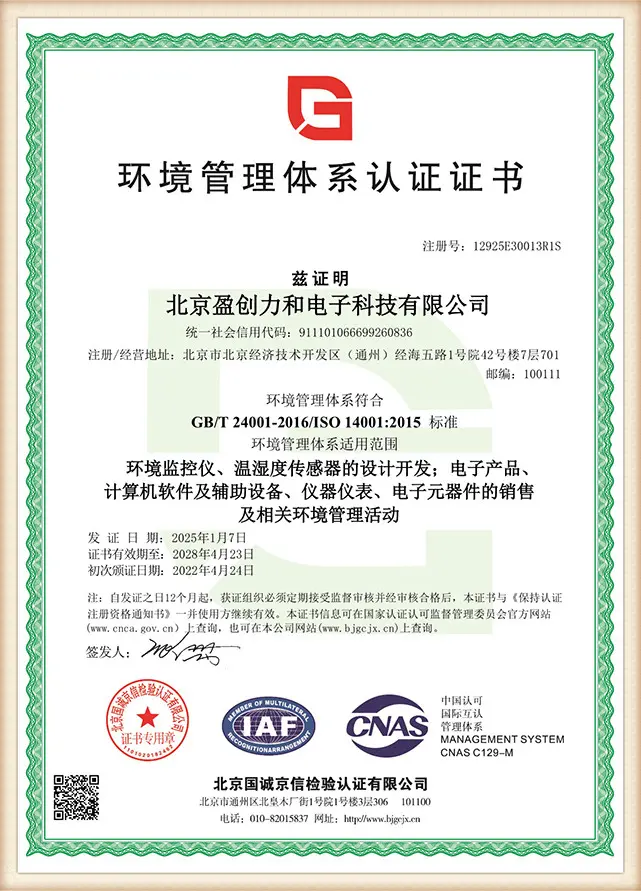
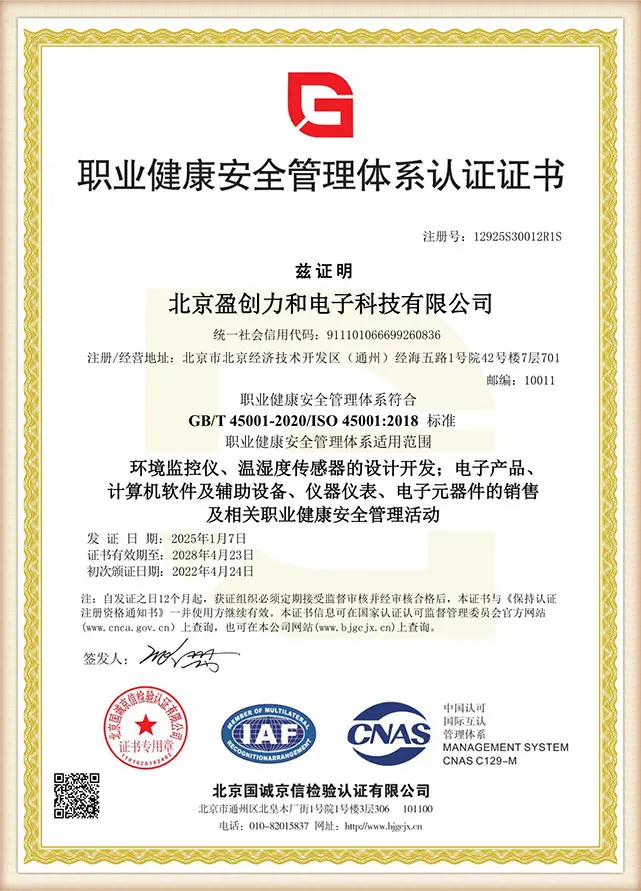
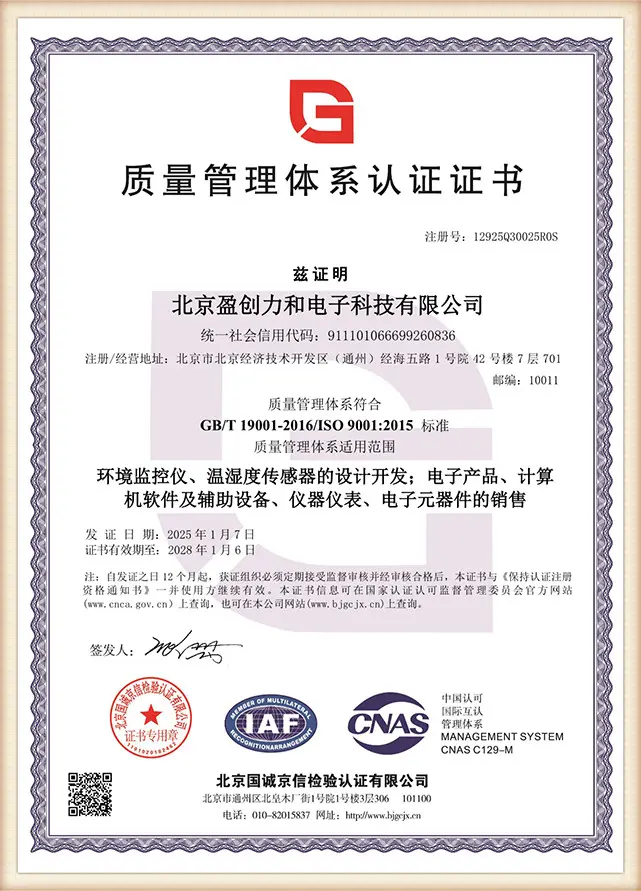
Complete Certifications
Fully certified to CE, FCC, and RoHS standards, meeting strict global procurement regulations.
Our Strategic Development History
Over a decade of milestones in high-precision environmental tracking technology.
2007
Company founded. Developed our first intelligent environmental monitoring terminal based on the TCP/IP network protocol alongside environmental management software.
2008
Collaborated with Mocha Software to launch the TH-5939 series of environmental monitoring products supporting the SNMP protocol.
2009
Partnered with Switzerland's COMLAB to introduce the TH-5869 protective Ethernet device, deployed across high-speed rail lines including Beijing-Kowloon and Beijing-Shanghai.
2010
Collaborated with Founder Technology to launch the APEM-6100, one of the earliest environmental monitoring devices using Power over Ethernet (PoE) technology.
2012
Formed a partnership with Foxconn, establishing our sensors as a benchmark standard for cleanroom and production workshop environmental control.
2015
Collaborated with Baidu to deploy the next-generation APEM-5900 Ethernet smart monitoring terminals in Baidu's Yangquan Data Center. Upgraded software to support multi-parameter environmental monitoring.
2018
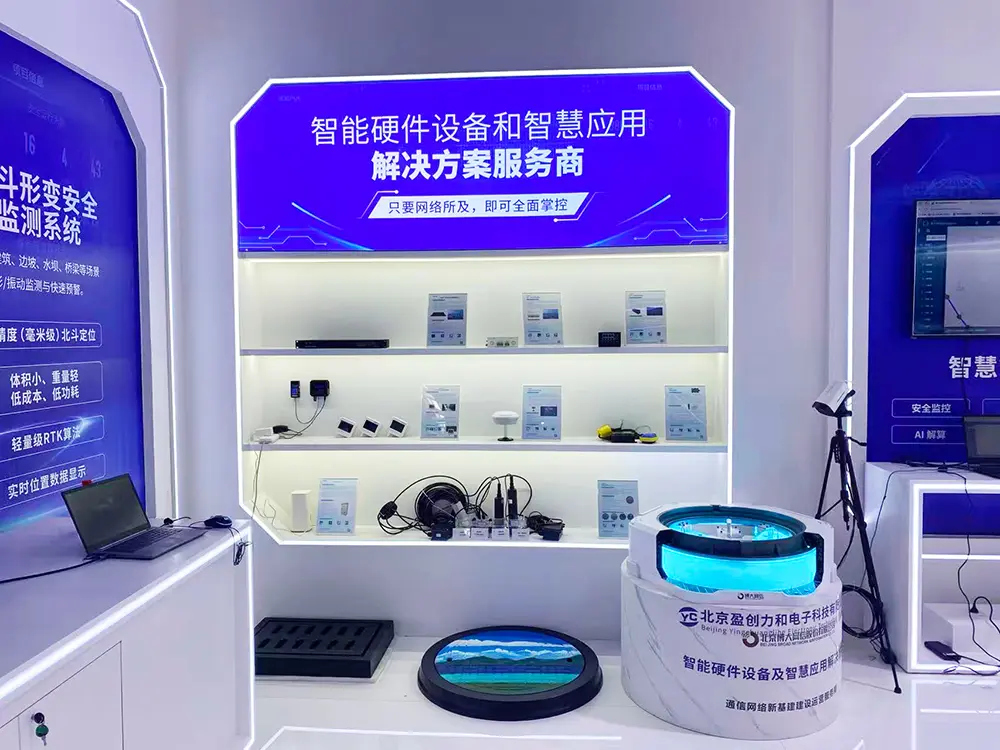
Introduced integrated smart solutions across multi-scenario operations, expanding our system horizontal scale beyond datacenters into smart parks.
2019
Launched integrated outdoor cabinet monitoring solutions, applied in expressway initiatives for Huawei and China Merchants Huaruan ETC projects.
2021
Conducted research and design for road test boxes and edge computing gateways used in Beijing's autonomous driving zones.
2023
Assisted in the deployment of intelligent computing center projects, providing hardware in core infrastructure locations.
2024
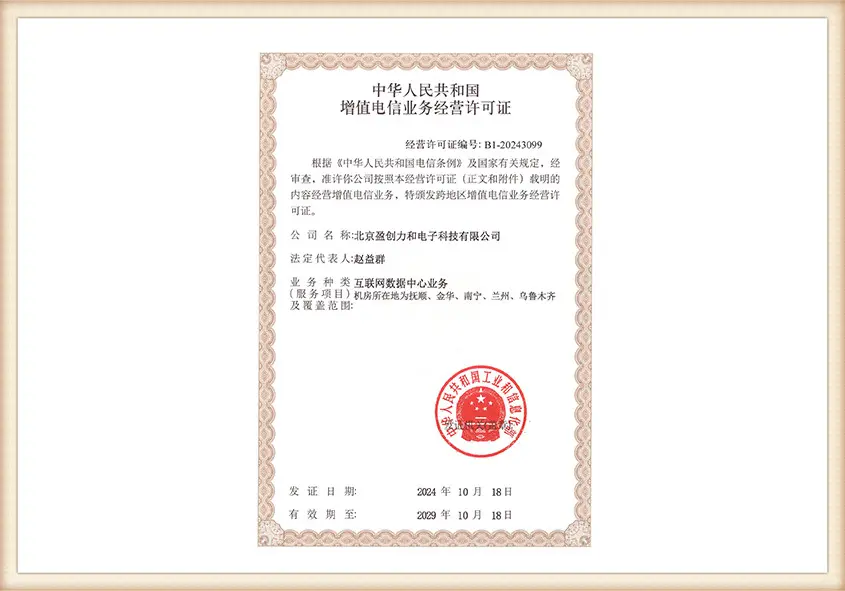
Established divisions with Beijing Enterprises Water Group and co-founded a Beidou division with Beijing University of Civil Engineering and Architecture. Obtained IDC business qualifications.
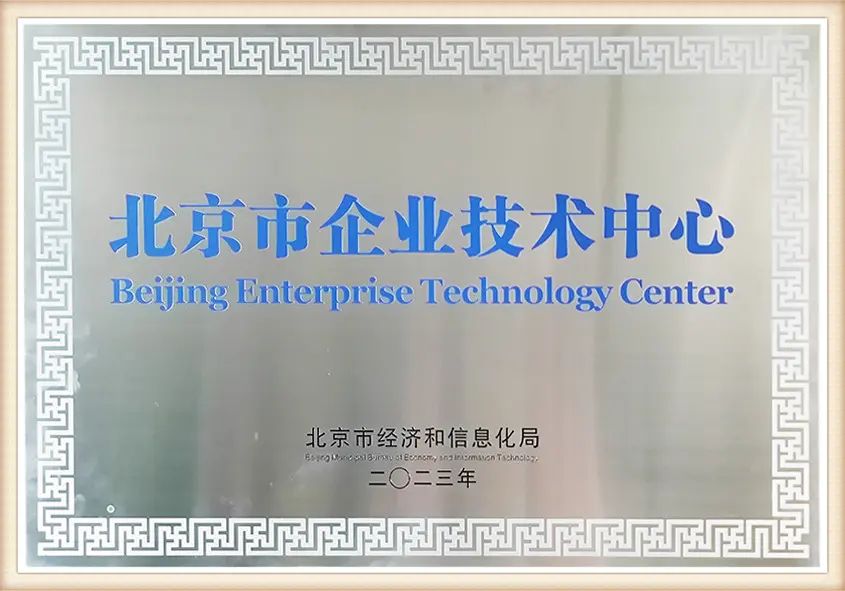
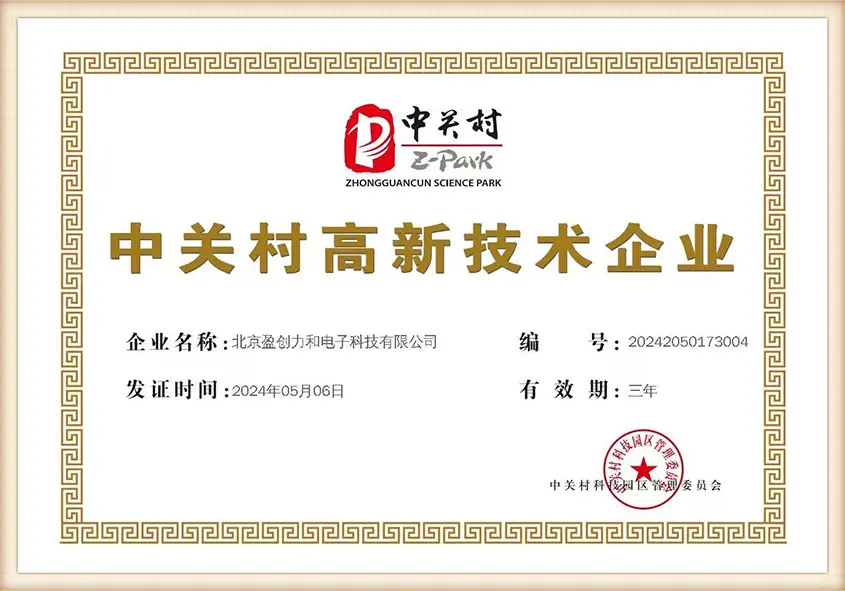
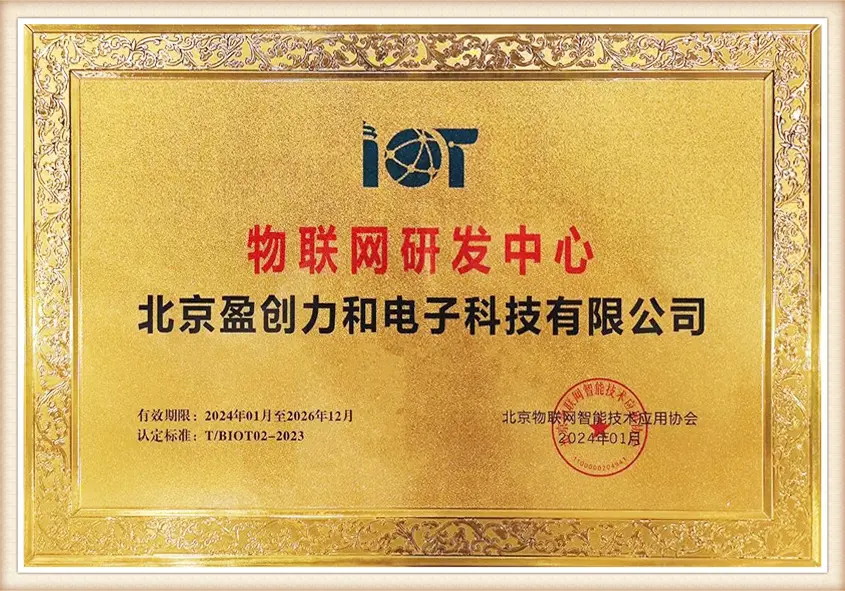
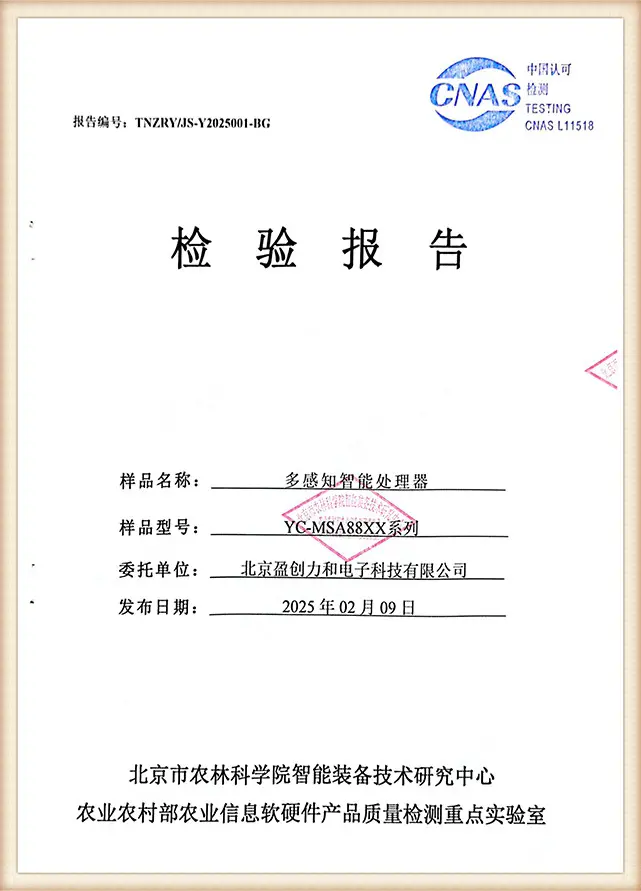
Manufacturing Standards & Global Certifications
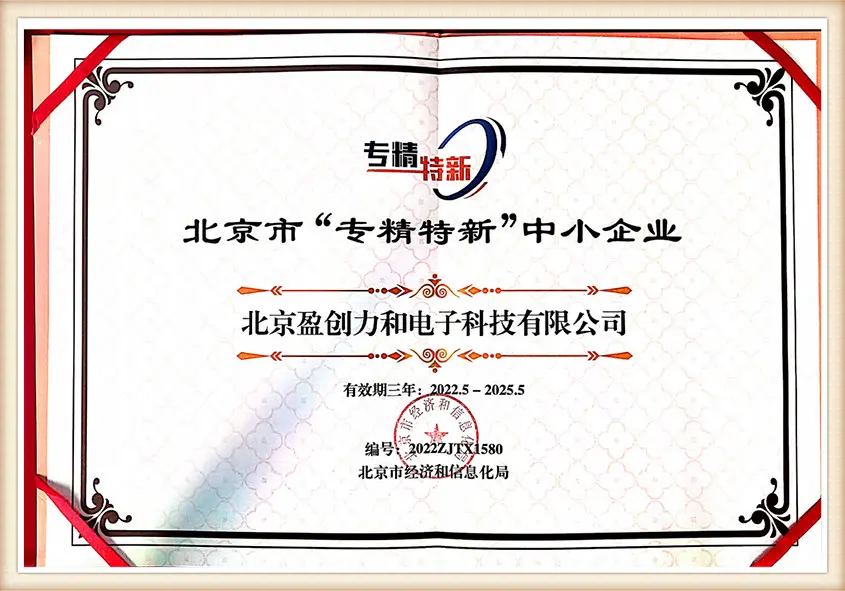
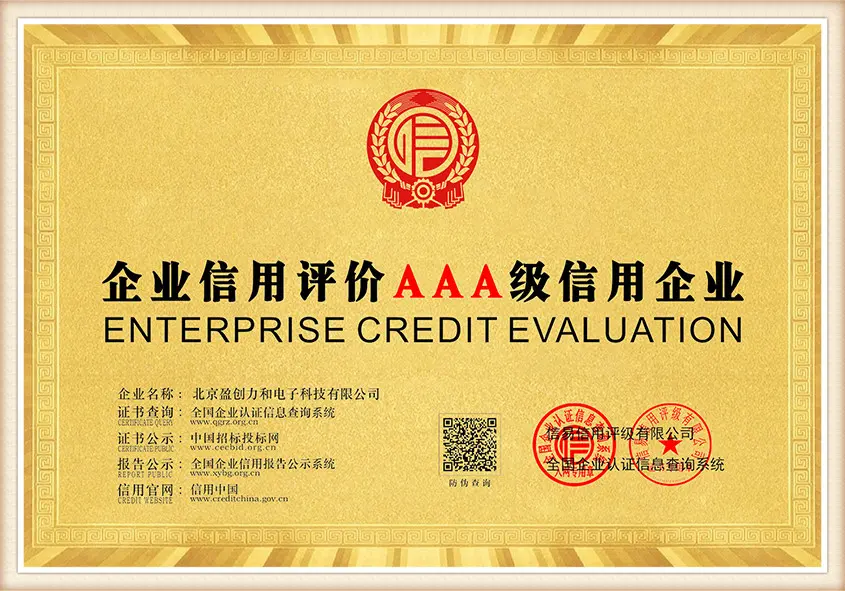
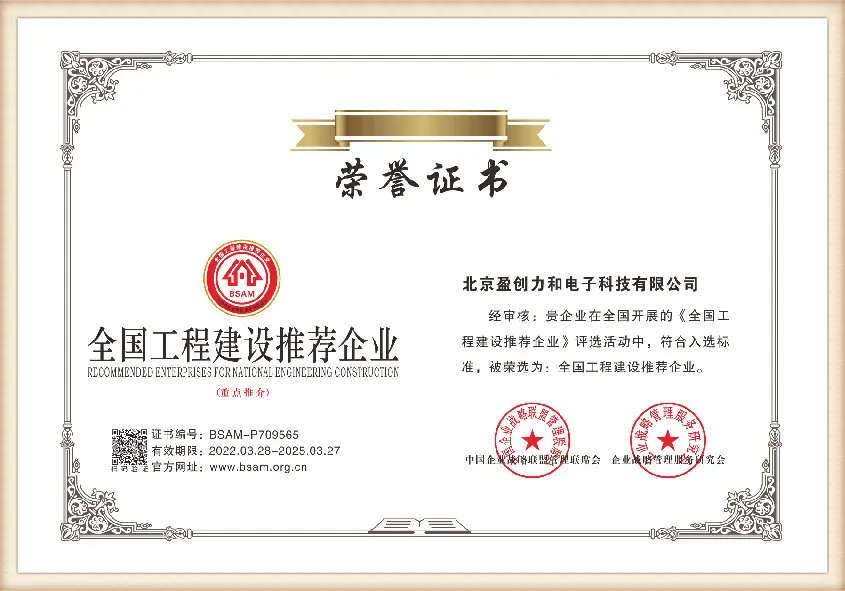
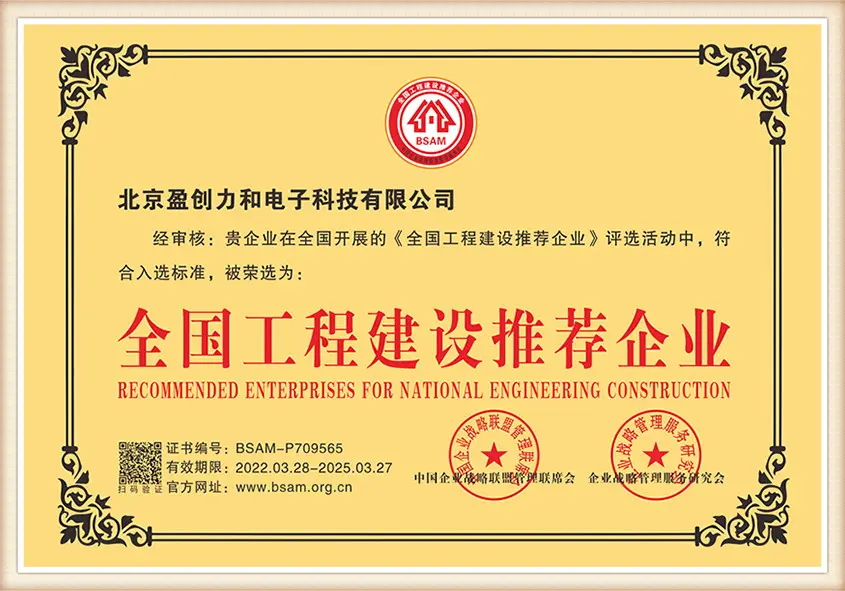
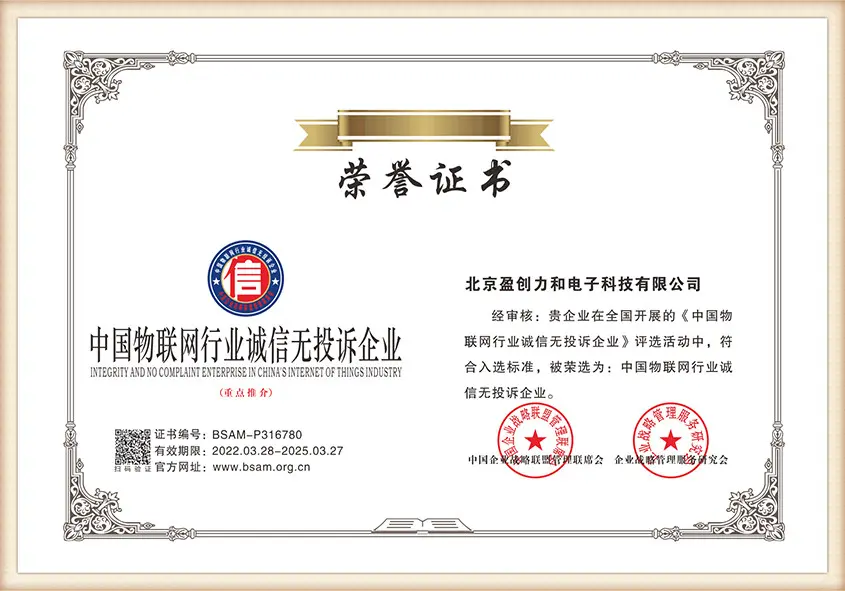
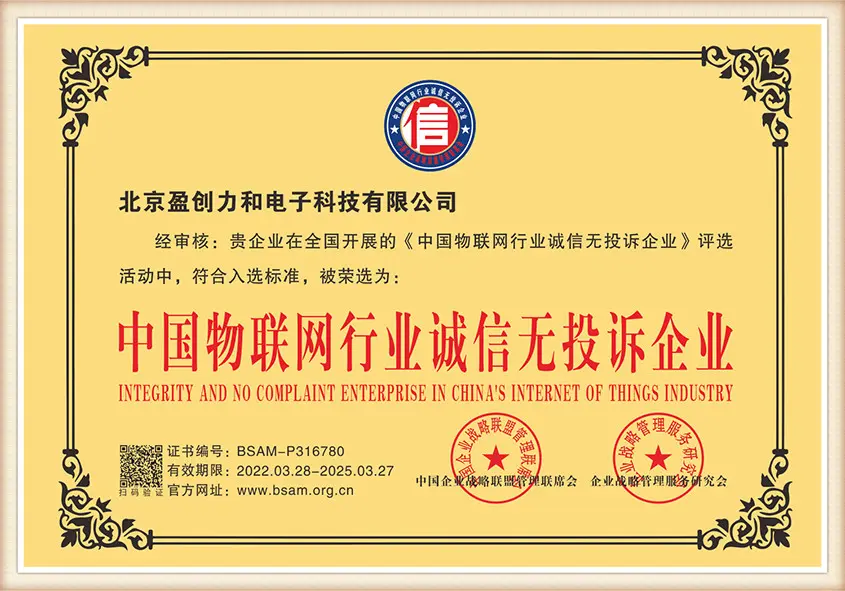
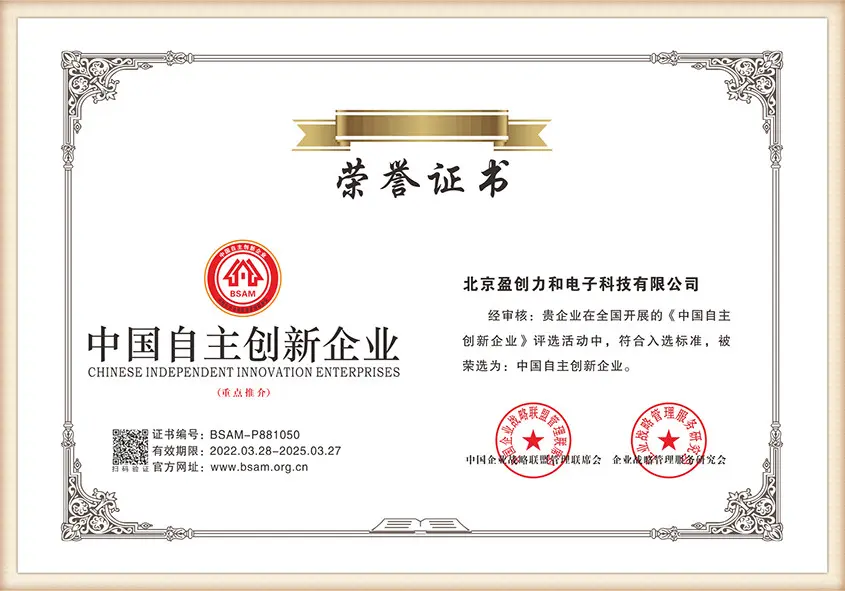
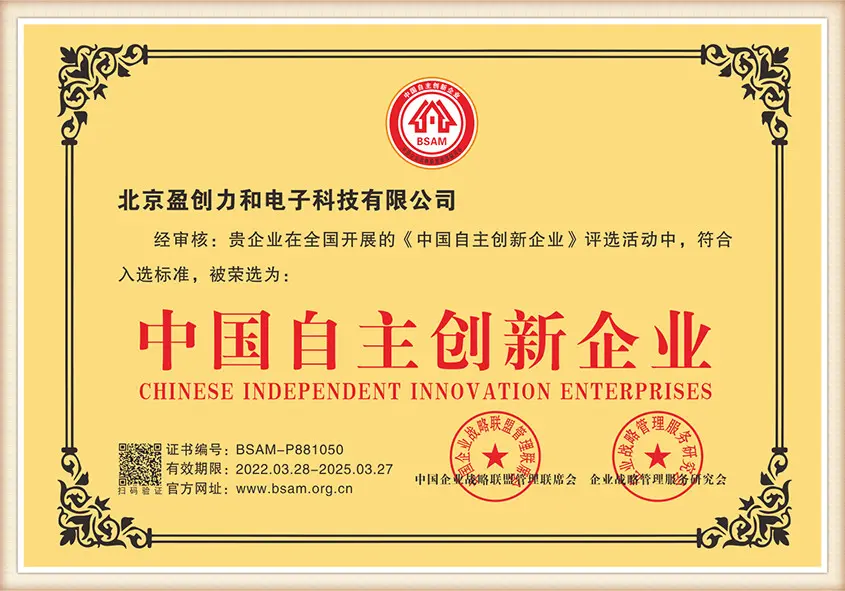
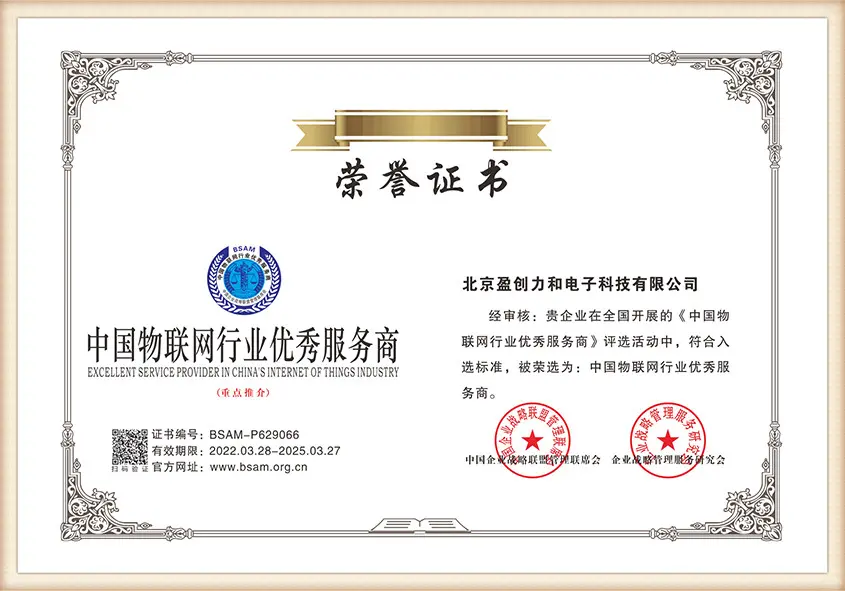
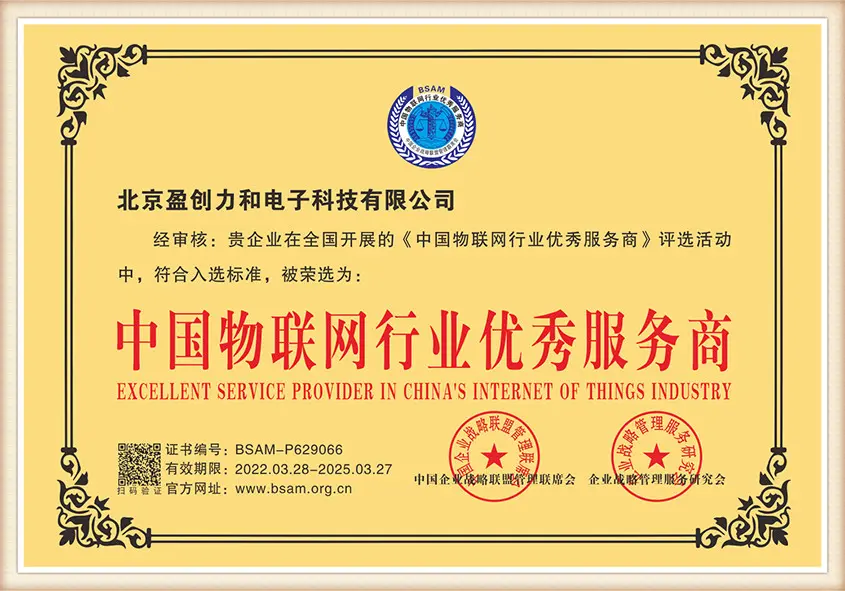
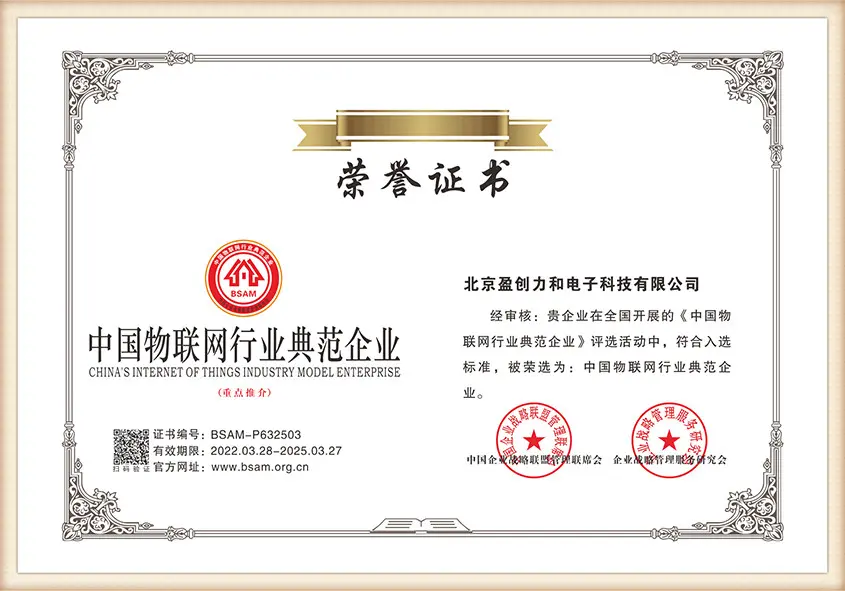
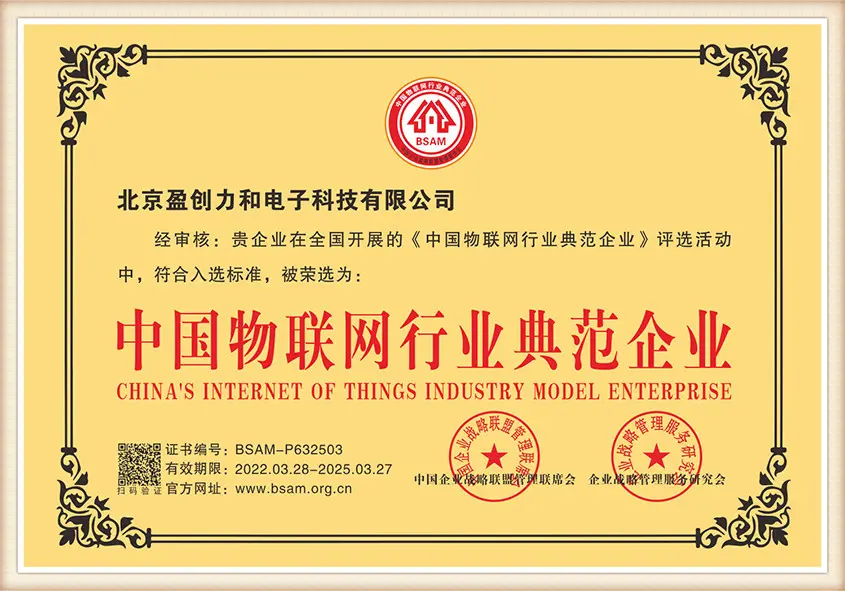
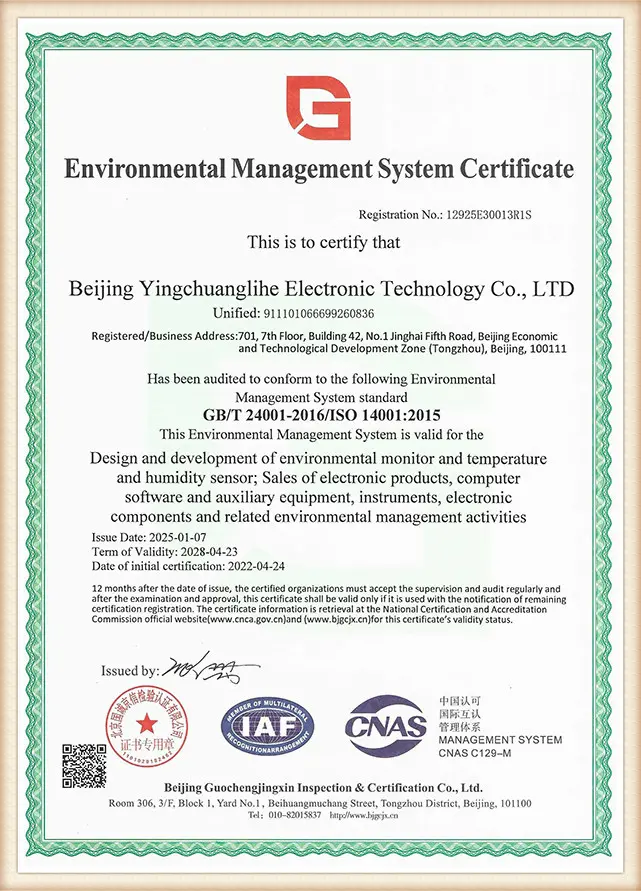
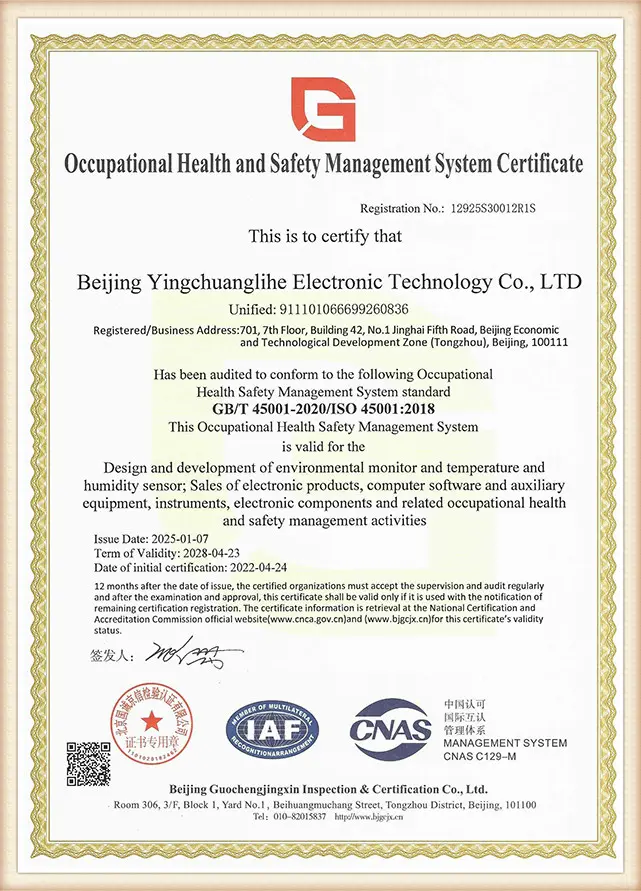
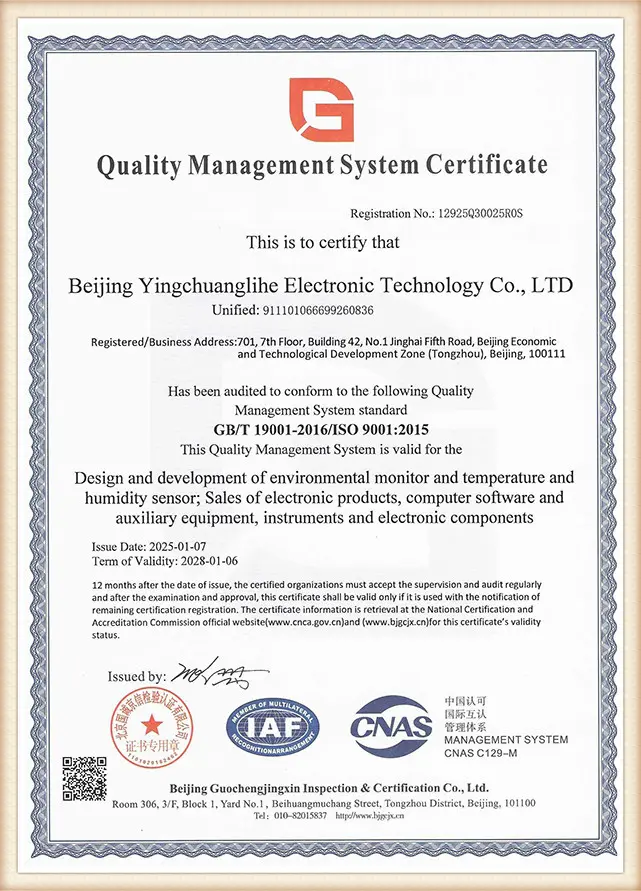
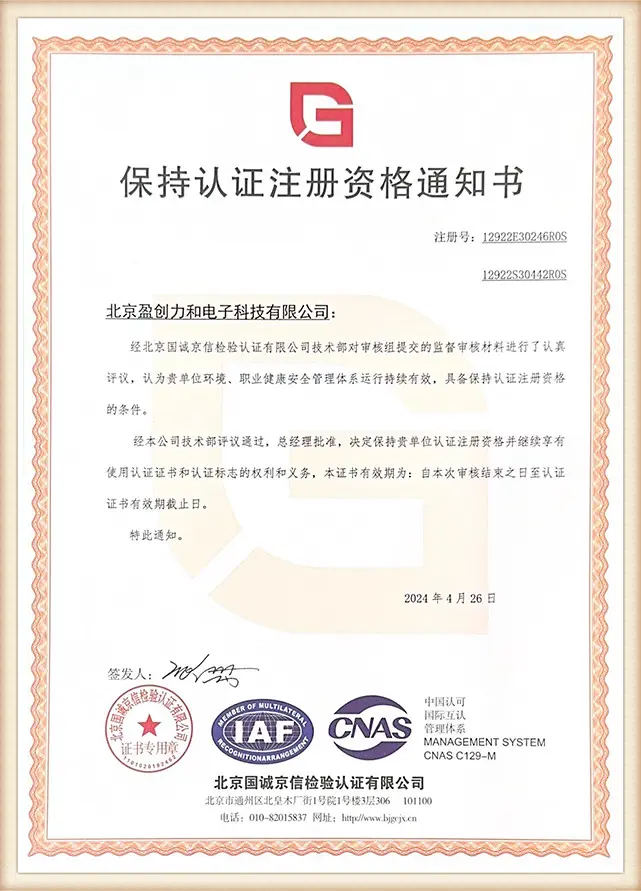
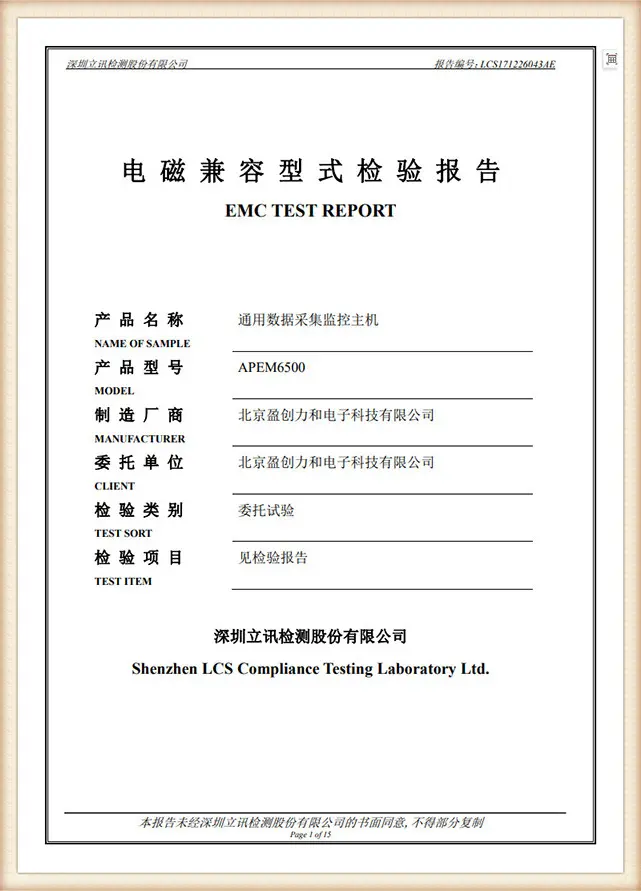
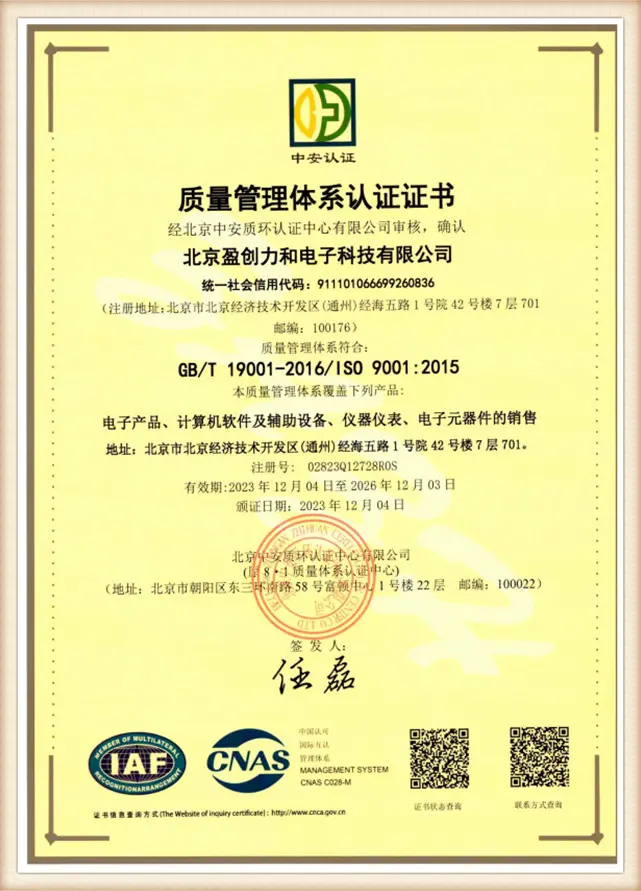
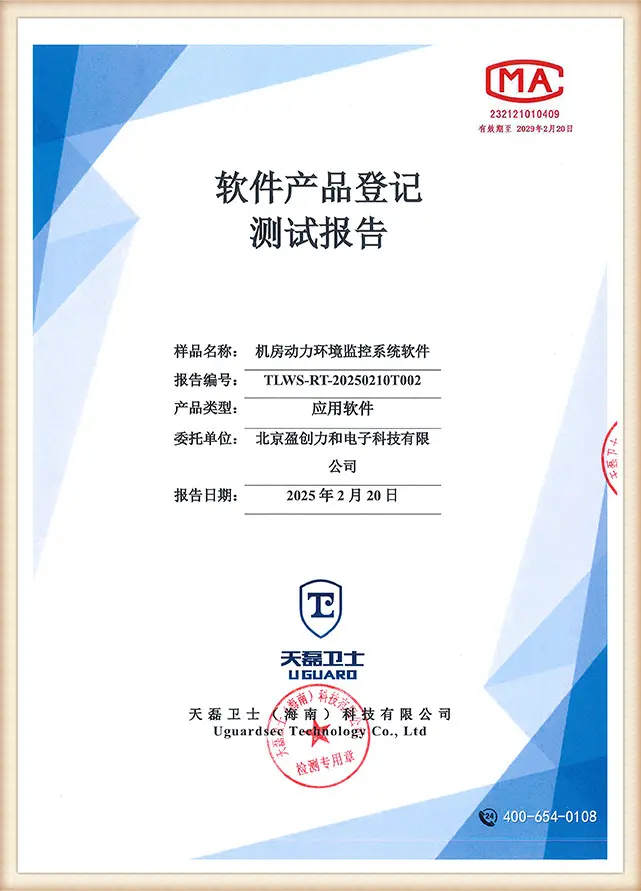
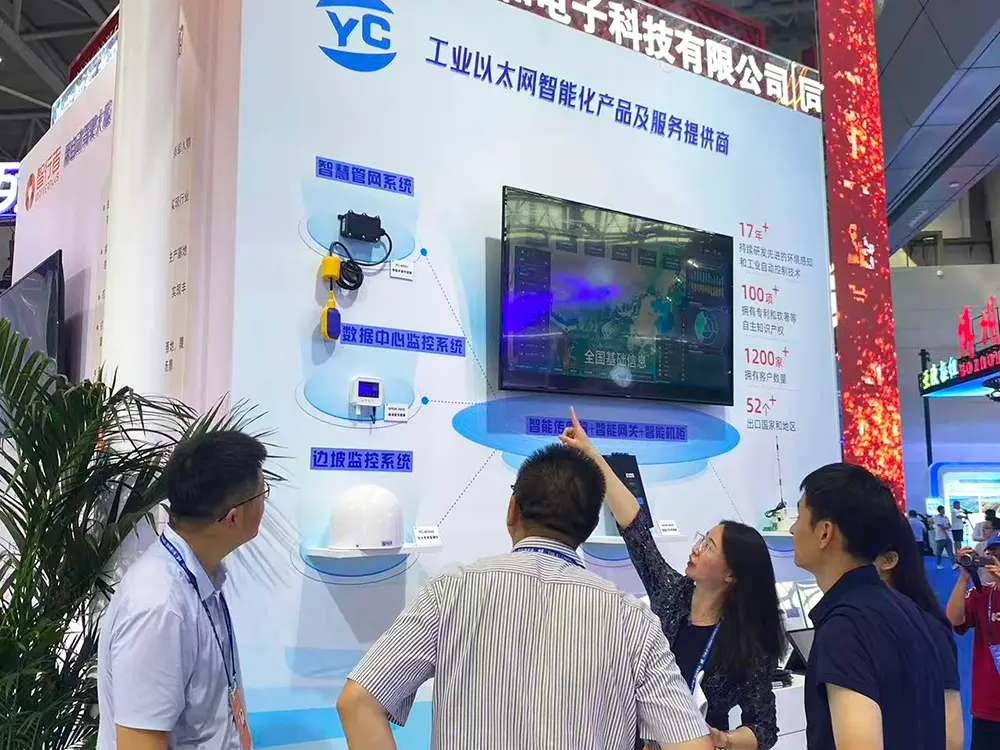
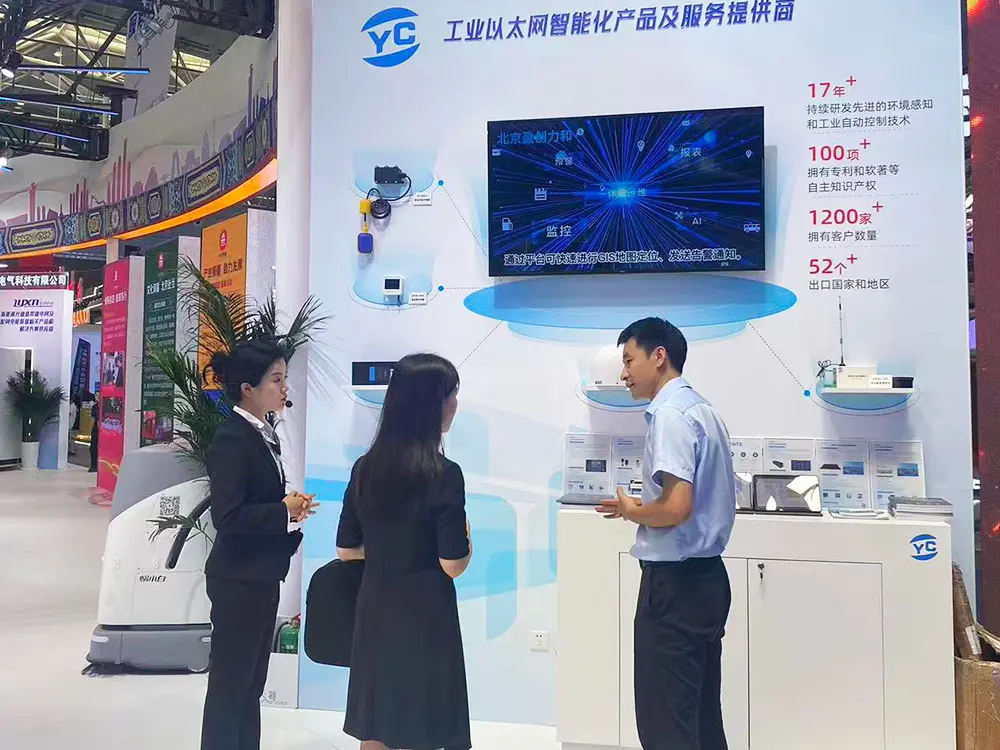
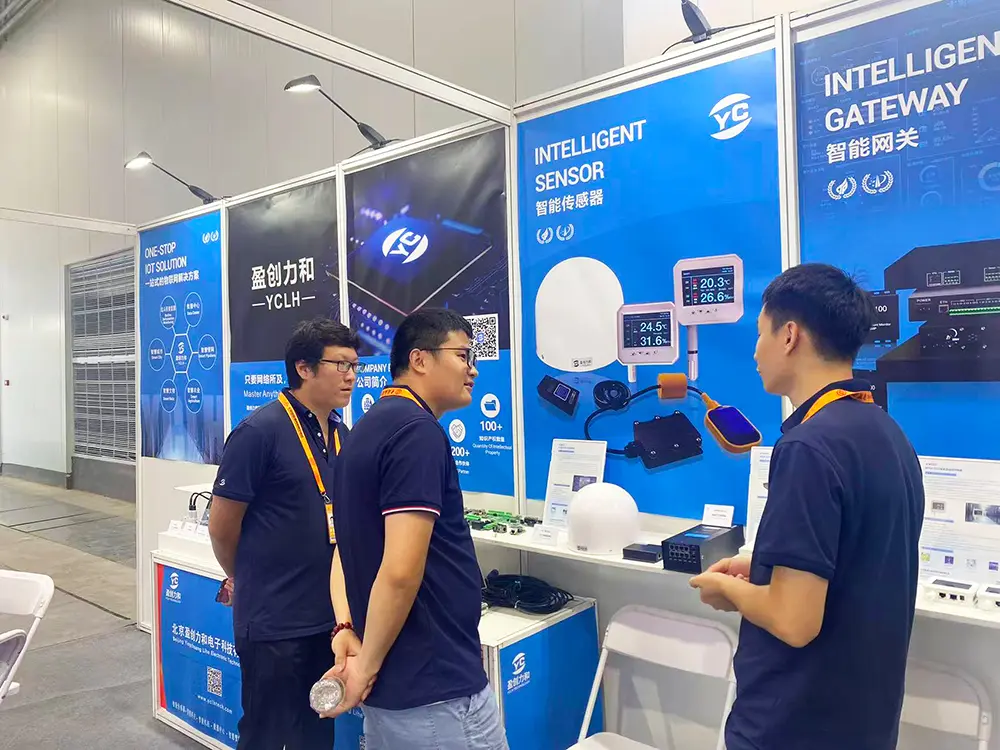
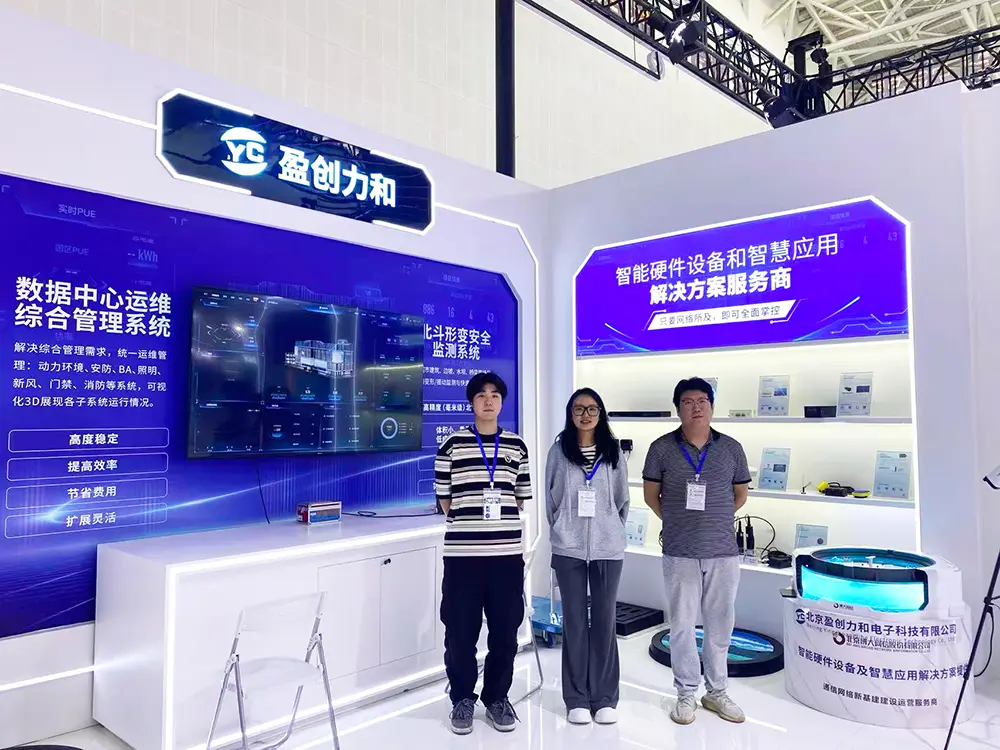
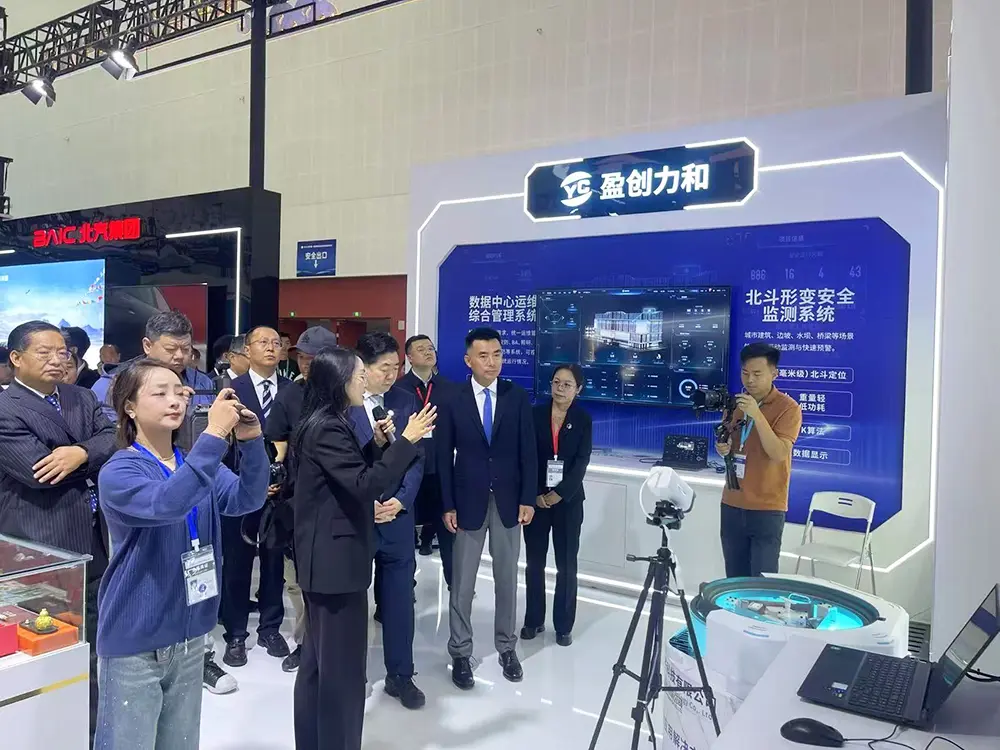
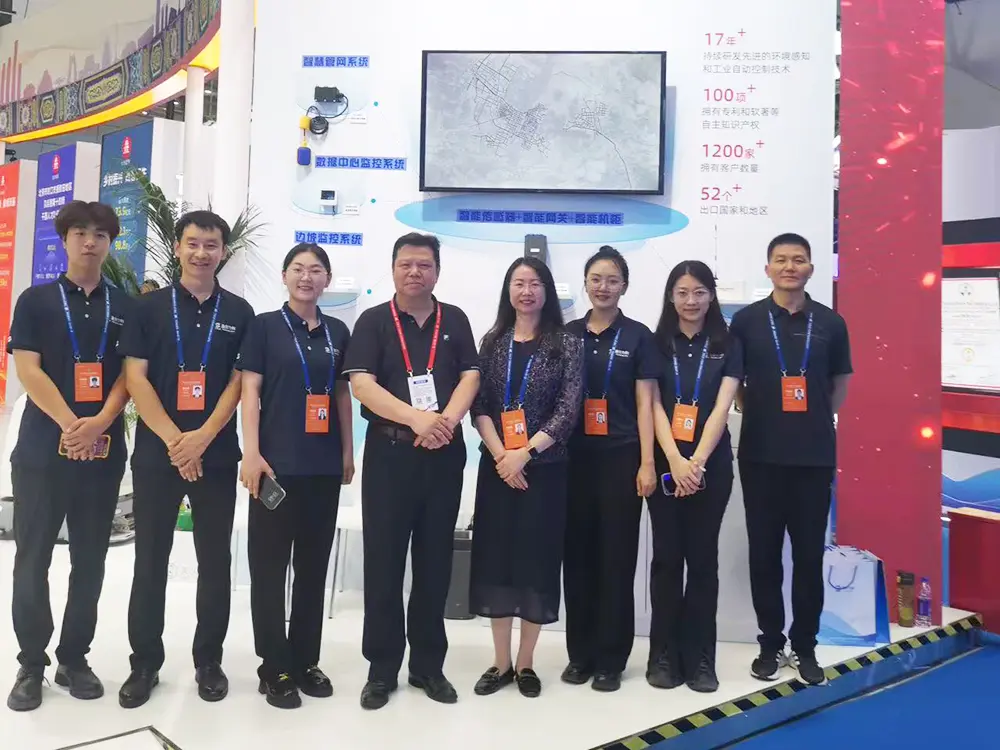
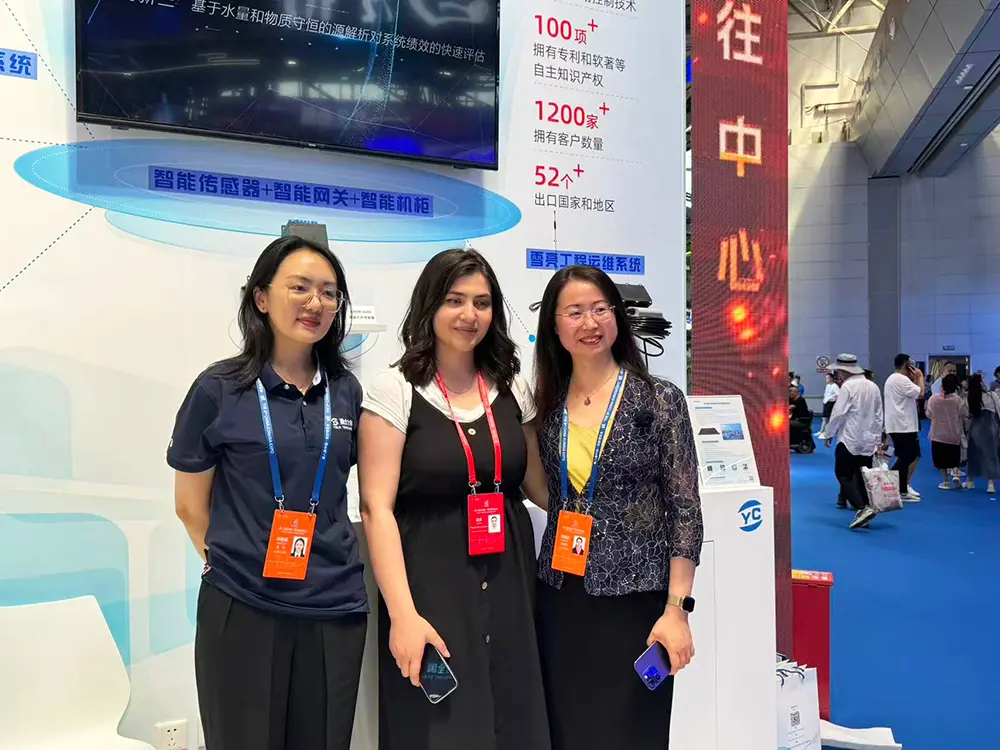
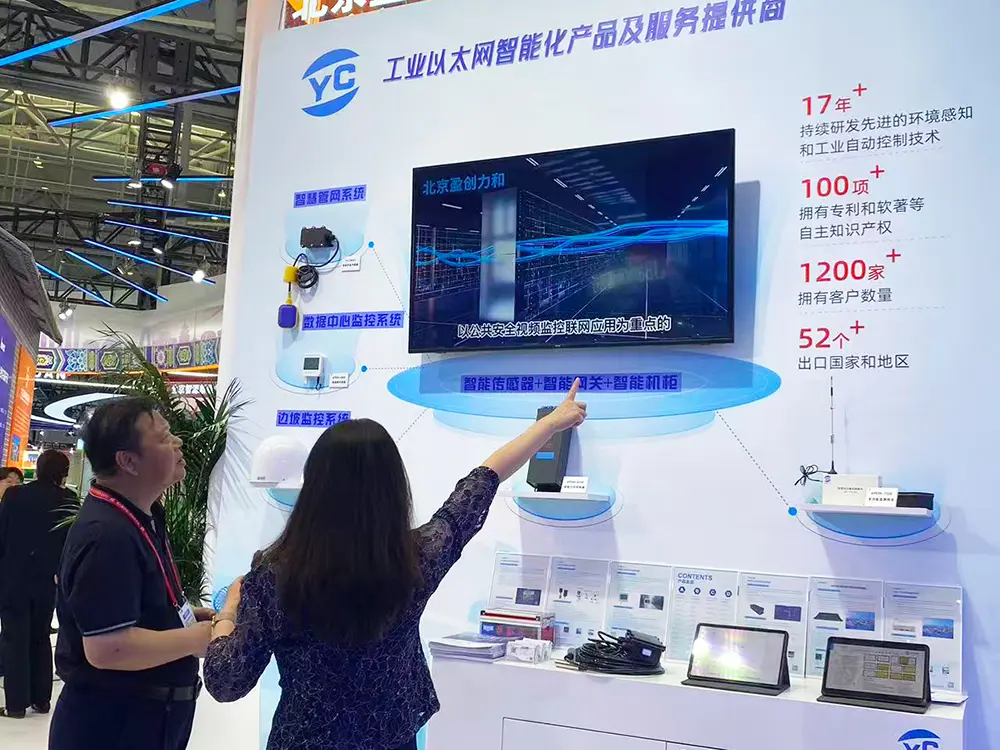
Our commitment to quality is backed by international certifications and regular participation in industry exhibitions.
Technical guidance on sensor integration, network topologies, and calibration requirements for system integrators and procurement leads.
What are the advantages of using Swiss and German sensor chips in industrial settings?
Sensing elements from manufacturers like Swiss Sensirion (SHT series) and German Bosch (BME series) provide high accuracy, fast thermal response times, and minimal sensor drift. Unlike low-cost generic chips, these high-end options undergo strict factory calibration, offering stability of ±0.1°C for temperature and ±1.5% for relative humidity. This helps prevent gradual measurement drift and ensures reliable data for years under continuous use.
How does the dual-mode WiFi/wired connection work, and why is it important?
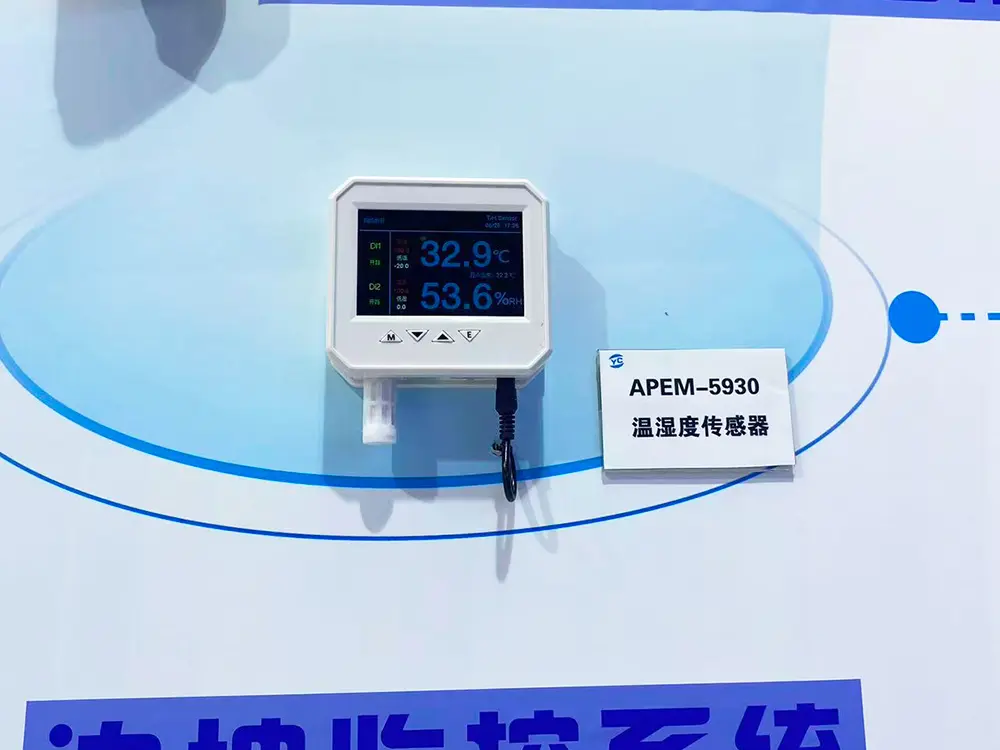
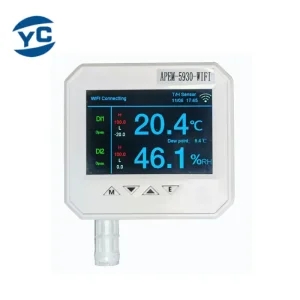
Devices like the APEM-5930W integrate both wireless Wi-Fi (IEEE 802.11 b/g/n) and wired Ethernet interfaces. Under normal operation, the system can use Wi-Fi for quick, wire-free deployment. If the wireless network is interrupted, the wired link (or internal data logging memory) acts as a backup, storing measurements locally or routing them through a backup LAN. This prevents data loss in mission-critical applications like vaccine cold-chains or server data rooms.
Which communication protocols are supported for integrating these sensors with third-party software?
Our devices support open, industry-standard communication protocols including Modbus TCP, MQTT (with SSL/TLS encryption for cloud systems), SNMP (v1, v2c, and v3 for IT monitoring systems), and HTTP RESTful APIs. This broad compatibility allows system integrators to feed data directly into Building Management Systems (BMS), SCADA software, and cloud databases (like AWS IoT Core or Microsoft Azure) without requiring custom gateway translation.
What is the standard calibration process, and how often should these devices be recalibrated?
During production, every sensor undergoes calibration in multi-point environmental test chambers. For standard commercial environments, we recommend recalibration every 12 to 24 months to ensure accuracy. For critical environments, such as GMP-compliant pharmaceutical production or ISO cleanrooms, annual calibration is recommended. Our modular designs include optional external probes (like the APEM-5930E), allowing users to swap probes for calibration without having to remove the entire transmitter device.
How does Power over Ethernet (PoE) benefit facility managers in warehouse settings?
Power over Ethernet (PoE) allows a single Cat5e or Cat6 cable to carry both data and power (DC 12~48V) to the sensor. This eliminates the need for separate electrical wiring, outlets, and power adapters at each sensor location. In large warehouses, this significantly reduces installation costs and allows the sensors to be powered directly from central network racks backed up by Uninterruptible Power Supplies (UPS).
Can these devices monitor other environmental factors besides temperature and humidity?
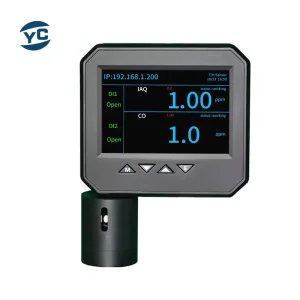
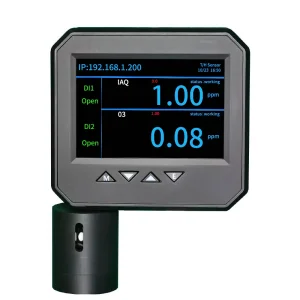
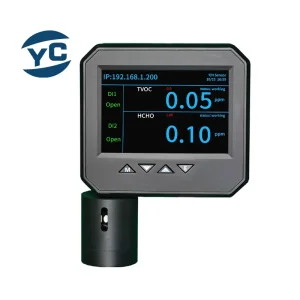
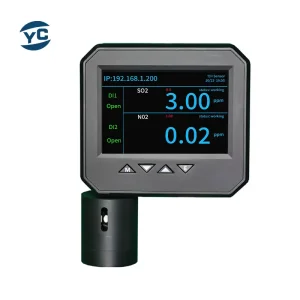
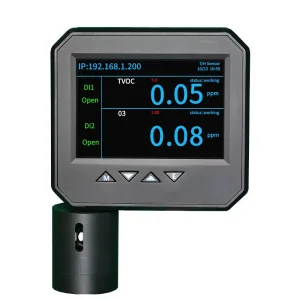
Yes, our APEM-5930G series is designed as a multi-parameter sensor platform. Depending on the model, it can integrate monitoring for Indoor Air Quality (IAQ), Carbon Monoxide (CO), Ozone (O₃), Sulfur Dioxide (SO₂), Nitrogen Dioxide (NO₂), Total Volatile Organic Compounds (TVOC), Formaldehyde (HCHO), and Atmospheric Pressure. This allows organizations to track air quality and environmental safety using a single network connection.
What OEM/ODM customization services are available for wholesale buyers?
We offer hardware, firmware, and branding customization services. This includes printing custom logos on enclosures, modifying default communication protocols (e.g., configuring custom Modbus register maps or MQTT payload structures), adapting cable lengths for remote probes, and integrating specialized electrochemical gas modules. Our engineers work directly with buyers to design and certify products that meet their specific market requirements.
 YCLH Sensor