Streamlined deployments with combined power and reliable high-speed data delivery over standard Cat5e/Cat6 networking infrastructure.
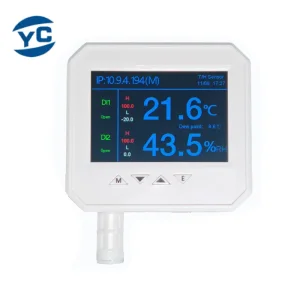
Customizable PoE Temperature & Humidity Sensor optimized for industrial workshops. Highly reliable direct network transmission.
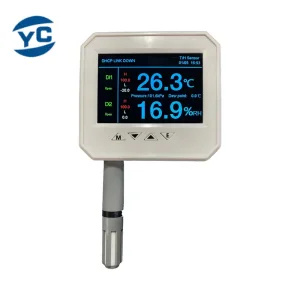
Integrated multi-variable atmosphere pressure transducer combined with high-precision relative humidity and dry bulb temperature nodes.
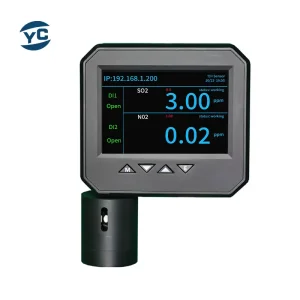
Multi-parameter atmospheric emission profiling sensor with integrated high-sensitivity trace level gas sensors for critical environments.
High-reliability customizable multi-variable micro-environmental transmitter with real-time dew point psychrometric algorithm processing.
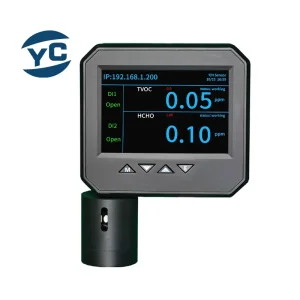
Targeted organic vapor tracking sensor combining rapid PID sensing technologies with stable ethernet transport for high-end facilities.
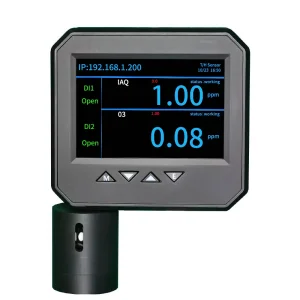
Full compliance safety sensor featuring advanced ozone sensor modules coupled with precise ambient relative humidity nodes.
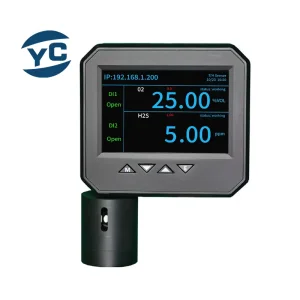
Designed for industrial environmental safety. Continuous monitoring of heavy industrial zones, pipeline shafts, and chemical storage areas.
A customized industrial environmental station. Multi-parameter sensor platform providing real-time data integration with Modbus TCP/IP.
Why Mission-Critical Systems are Migrating from Legacy Serial RS-485 to Power over Ethernet (PoE) Sensor Architectures
In modern high-density data centers, cleanrooms, smart laboratories, and heavy manufacturing facilities, the traditional methods of physical asset environmental telemetry face compounding failures. Legacy Modbus RTU topologies over RS-485 require discrete power distributions, expensive low-capacitance shielded twisting wire, and intricate point-to-point physical layout constraints. These setups are highly susceptible to electromagnetic interference (EMI), ground loops, and bandwidth congestion.
Power over Ethernet (PoE) monitoring systems, conforming to the standardized IEEE 802.3af/at protocols, systematically resolve these issues. By routing both low-voltage DC power and high-speed bidirectional Ethernet communication through a single Cat5e or Cat6 copper structured cable, systems engineers can reduce installation capital expenditure by up to 45% while drastically improving structural reliability. Built-in network isolation protects sensitive sensor cores from high-voltage transient spikes, eliminating local ground potential differentials across massive manufacturing lines.
At the center of Yingchuanglihe's engineering philosophy is the optimization of the physical layer (PHY) and logical transport stacks. Our sensors isolate heat-generating power conversion electronics from the primary sensing element by employing specialized air-gap thermal chambers. This isolates the internal digital signal processor (DSP) heat footprint, maintaining a stable temperature field around the sensor nozzle and ensuring the high precision necessary for continuous manufacturing monitoring.
Beijing Yingchuanglihe Electronic Technology Co., Ltd. is a global standard manufacturer of high-precision environmental monitoring sensors and IoT interfaces, serving industries worldwide since 2007.
Deep technical expertise in digital transducers & industrial hardware designs.
ISO 9001 certified modern production and calibration base in Beijing.
Precision calibration wind tunnels and multi-axis SMT machines.
Dedicated research engineers, quality technicians, and global specialists.
Utilizes imported chips from Switzerland (Sensirion SHT series) and Germany (Bosch BMP series) for long-term drift-free stability and accuracy.
Comprehensive customization capability. Tailor proprietary enclosure aesthetics, cable extensions, remote sensor probes, specialized ranges, and software protocols.
Native integration options for Modbus TCP/RTU, SNMP (v1/v2c/v3), MQTT, JSON over HTTP, and API libraries for fast third-party monitoring engine setups.
Operating from Beijing with structured high-precision automated workflows designed to assure rapid deliveries, strict traceability, and robust economies of scale.
Yingchuanglihe’s advanced Beijing production center utilizes automated Surface Mount Technology (SMT) and multi-level laser inspection stations. Environmental sensors suffer from early lifetime drift if they are not exposed to exhaustive aging stress profiles. To mitigate this risk, every batch of sensors undergoes a minimum of 72 hours of environmental dynamic stress chamber testing prior to microcode assembly calibration.
Our calibration facility utilizes precision laminar wind tunnels and specialized fluid calibration tanks, maintaining absolute traceability against primary laboratory references. This enables us to maintain an accuracy of ±0.1°C in temperature and ±1.5% RH in relative humidity across standard ambient operational zones.
We work in close design partnership with global semiconductor leaders, such as Sensirion (Switzerland) and Bosch (Germany). This guarantees a direct pipeline of authenticated primary chip supplies, bypassing volatile spot markets to ensure consistent product supply and price stability for our wholesale clients.
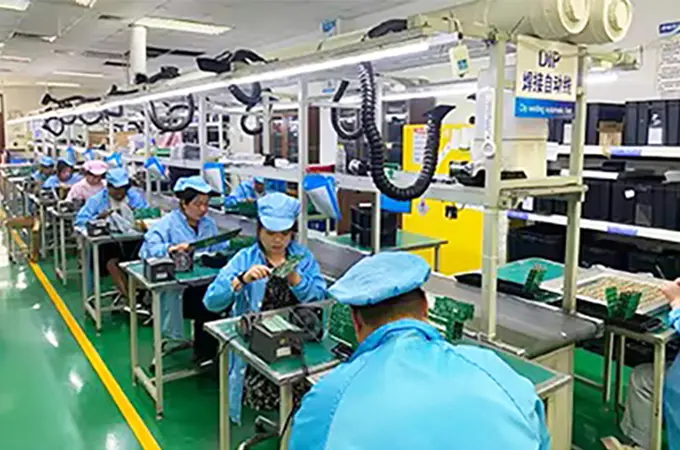
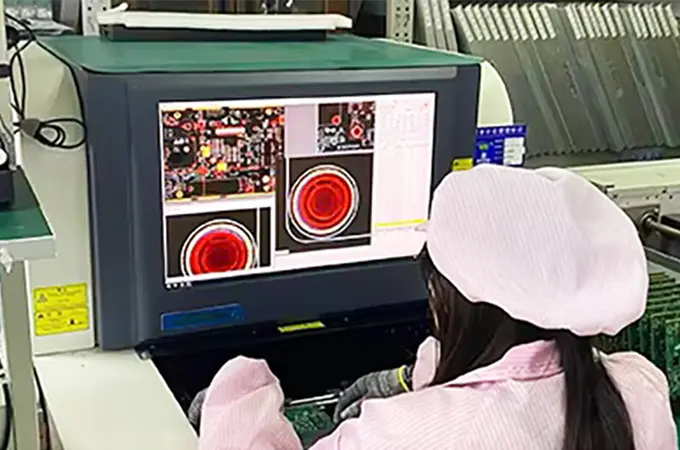
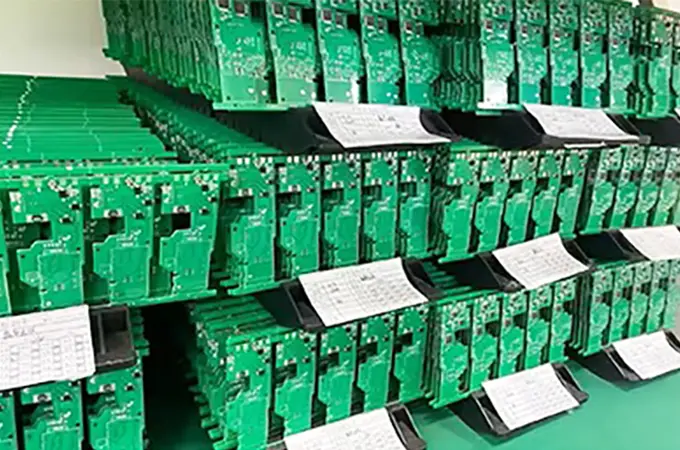
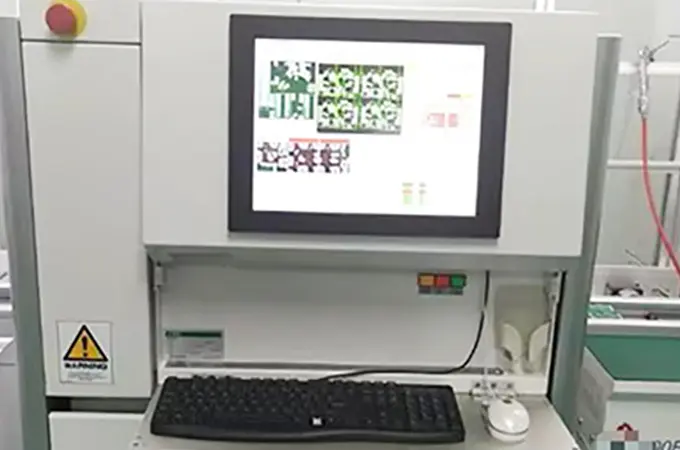
Over 18 years of continuous R&D, deploying environmental monitoring systems in global high-speed railways, enterprise cloud datacenters, and smart utility installations.
The company was founded and developed an intelligent environmental monitoring terminal based on the TCP/IP network protocol. In the same year, the initial version of environmental monitoring software was developed.
In collaboration with Mocha Software, a leading domestic network management software company, a series of SNMP protocol-supported environmental monitoring products, TH-5939, were launched.
In partnership with Switzerland's COMLAB, the TH-5869 protective Ethernet environmental monitoring device was introduced, successfully applied in high-speed rail projects such as the Beijing-Kowloon Line, Beijing-Shanghai Line, and Wuhan-Guangzhou Line.
Cooperating with Founder Technology, the APEM-6100 Ethernet environmental monitoring device was launched. This product was among the early environmental monitoring devices to adopt Power over Ethernet (PoE) technology.
Collaboration with Taiwan's Foxconn, combined with the influence of clients in the industry, established the company's products as one of the industry standards for environmental monitoring in production workshops.
In partnership with Baidu, the next-generation APEM-5900 Ethernet intelligent environmental monitoring terminal was launched, successfully deployed at Baidu's Yangquan Data Center. The environmental monitoring software was also upgraded that year to support a multi-parameter environmental monitoring system, further expanding its functional range.
A smart solutions system was introduced, adopting and implementing multi-scenario project cases. The monitoring system expanded horizontally, starting with smart data centers.
An integrated outdoor cabinet monitoring system was launched, successfully applied in projects such as Huawei and China Merchants Huaruan ETC expressway initiatives.
Deep involvement in the research, design, and development of Beijing's high-level autonomous driving road test integrated boxes and edge computing gateways, providing highly reliable road test equipment solutions.
Participation in the construction of intelligent computing center projects, providing key technical support in core areas such as the establishment of intelligent computing infrastructure.
The company established joint business divisions with Beijing Enterprises Water Group and co-founded a Beidou business division with Beijing University of Civil Engineering and Architecture. Technological breakthroughs were achieved in the fields of smart pipeline network monitoring and Beidou high-precision deformation monitoring. Additionally, the company obtained Internet Data Center (IDC) business qualifications in the same year.
Deploying advanced PoE sensor infrastructure across diverse operating environments requiring absolute compliance and precision data delivery.






Engineering sensors certified for global markets, backed by responsive engineering support and rapid firmware customization.
Deploying environmental equipment globally requires compliance with regional safety, electromagnetic compatibility, and chemical composition standards. Yingchuanglihe’s entire hardware portfolio is fully verified by accredited third-party labs, securing CE, FCC, and RoHS compliance. These certificates guarantee low electromagnetic emissions, minimal susceptibility to high frequency interference, and construction free of hazardous substances.
Our commitment to continuous operation is supported by an in-house hardware engineering team. We guarantee response times within 8 hours for firmware queries, custom protocol mapping, or software driver modifications, ensuring smooth system deployments worldwide.
Conforms to European health, safety, and environmental protection standards.
Verified low RF emissions, optimal for hospital cleanrooms and clean industrial zones.
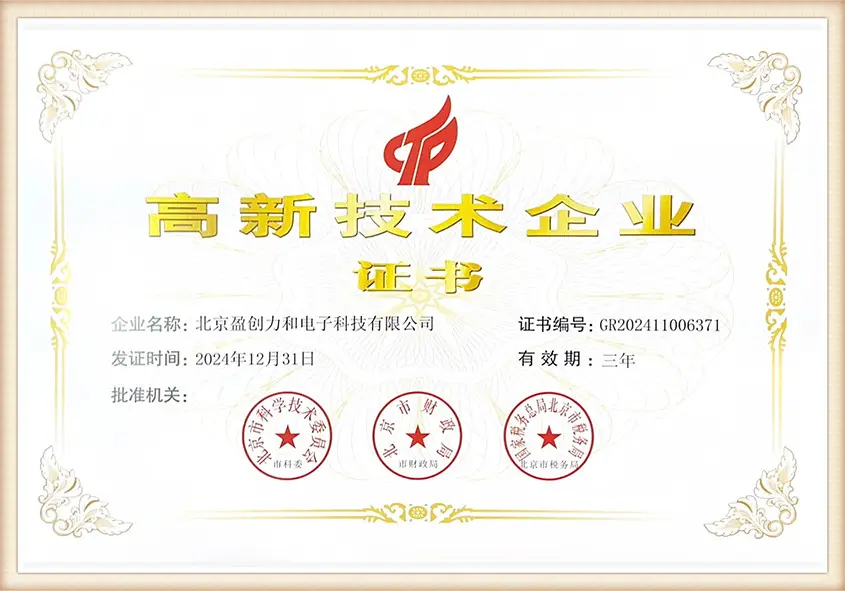
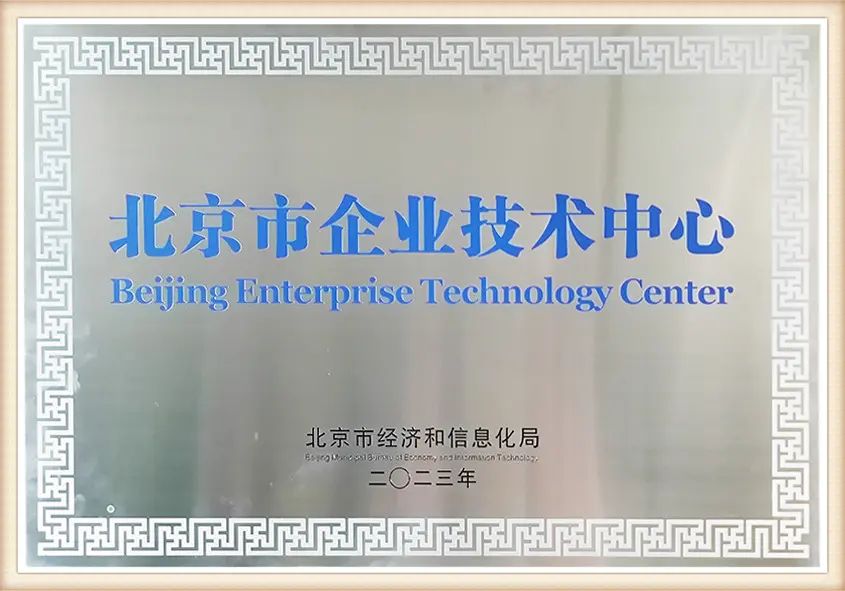
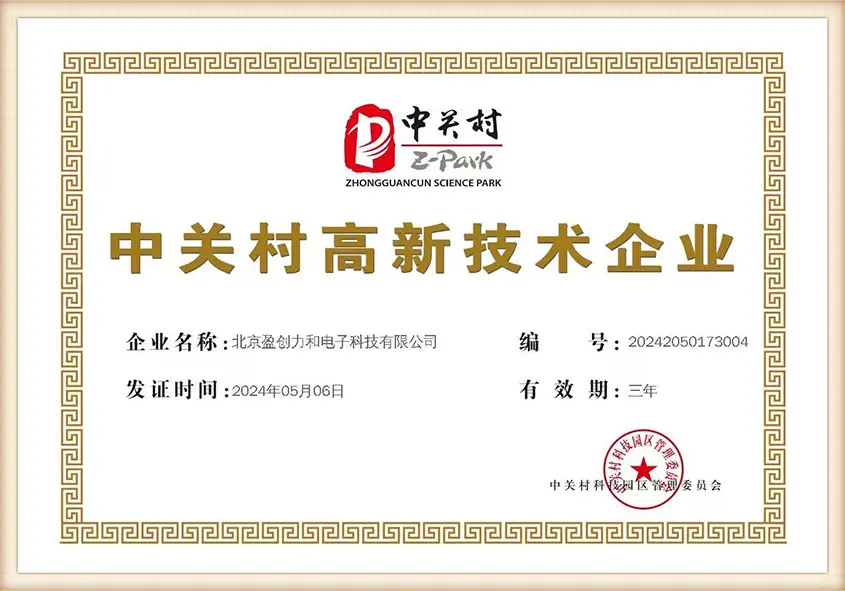
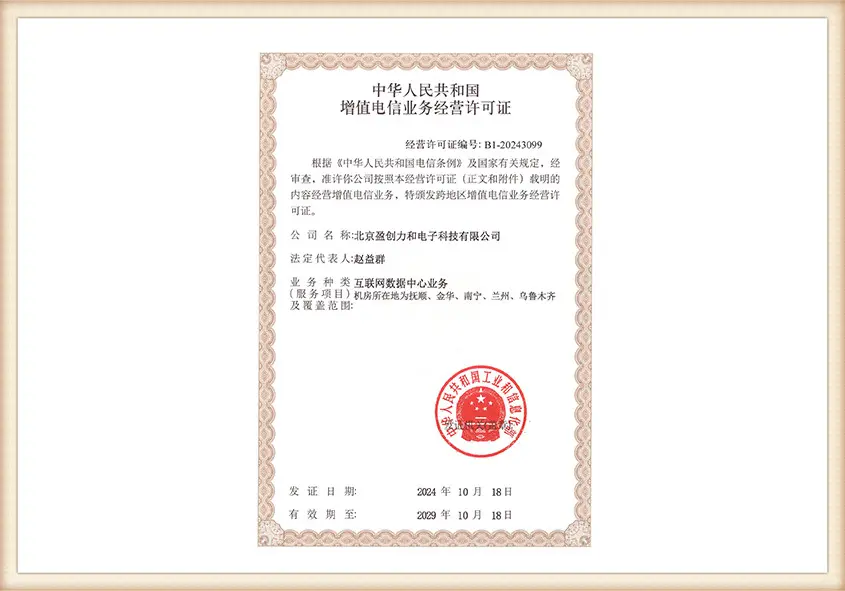
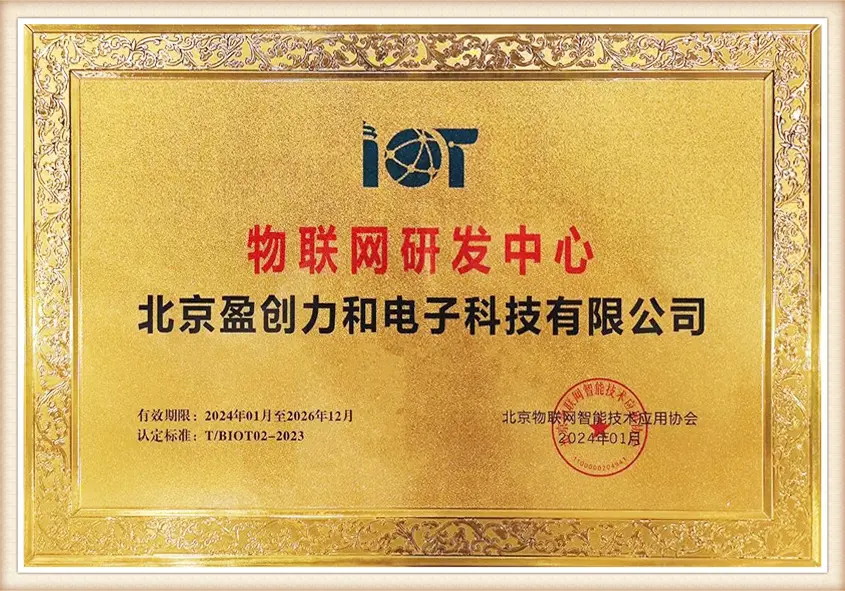
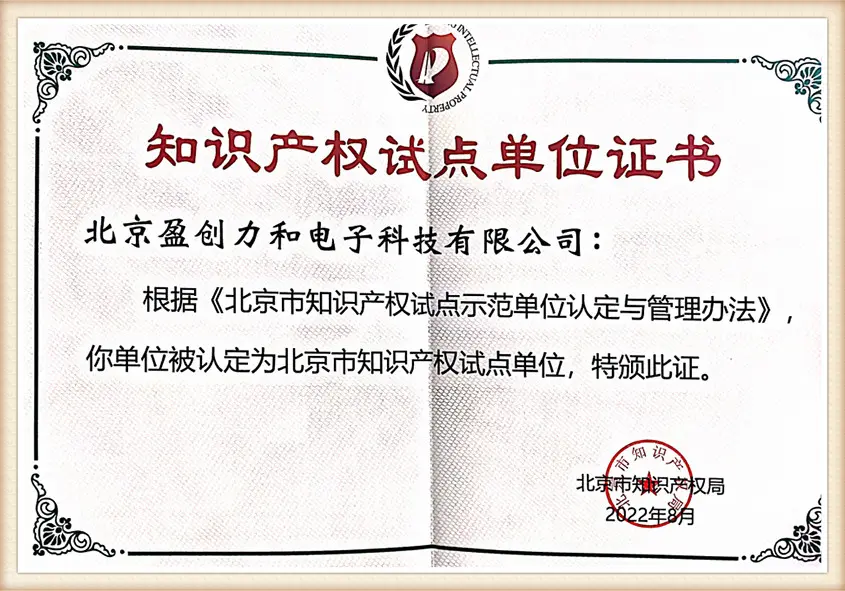
Leading the development of advanced multi-parameter environmental telemetry technologies.
Industrial IoT is shifting toward decentralized edge computing, real-time diagnostic reporting, and low-energy networking. Yingchuanglihe’s research and development agenda is focused on three primary areas:
While standard PoE configurations provide high-speed connections up to 100 meters, large-scale industrial layouts require longer reaches. By incorporating 10Base-T1L Single Pair Ethernet into our upcoming sensor families, we can extend wired data links up to 1,000 meters over a single twisted pair cable, delivering power and communication directly to remote sensors on expansive facility grounds.
To reduce human intervention and maintenance costs, we are developing microcode layers featuring localized machine learning models. By analyzing historical environmental dynamics, these on-sensor algorithms detect subtle sensor drift patterns, automatically compensating for age-related baseline shifts in high-humidity applications.
Traditional electrochemical gas sensors require periodic replacement. We are engineering integrated solid-state metal-oxide multi-gas sensors designed to monitor TVOC, ozone, and CO₂ for over ten years without active maintenance, setting new standards for industrial performance.
Detailed physical and electrical performance data across the APEM family of Ethernet and PoE-enabled sensors.
| Telemetry Parameter | Operational Range | Primary Transducer Accuracy | Resolution Output |
|---|---|---|---|
| Dry Bulb Temperature | -40°C to +85°C (standard sensor nozzle limits) | ±0.1°C to ±0.3°C typical limits | 0.01°C |
| Relative Humidity | 0% to 100% Non-Condensing state | ±1.5% to ±3.0% RH variation limits | 0.04% RH |
| Dew Point | -40°C to +80°C (mathematically calculated via internal DSP) | ±0.5°C (calculated from primary variables) | 0.1°C |
| Atmospheric Pressure | 300 hPa to 1100 hPa | ±0.12 hPa (equivalent to ±1 meter elevation) | 0.01 hPa |
| Input Operating Power | Power over Ethernet (PoE 48V IEEE 802.3af) or auxiliary DC 12-48V input | Voltage tolerance isolation up to 1.5kV | Continuous monitoring |
When selecting a wholesale PoE temperature and humidity sensor manufacturer, evaluate your suppliers against these critical operational requirements:
Detailed technical and engineering insights from our senior product specialists.
Ethernet microcontrollers and PoE transceiver chipsets generate heat during operation. If the sensor probe is placed on the same PCB as the processor without isolation, this heat will skew measurements, causing lower relative humidity and higher temperature readings.
Yingchuanglihe solves this with our dual-chamber design. The sensitive Swiss Sensirion chip is placed in a separate, isolated physical chamber, connected to the main board via a thin, insulated thermal bridge. We also offer remote probe extensions (as seen on the APEM-5930E) that separate the sensor nozzle from the main communication module by up to three meters, completely isolating thermal noise.
Yes, the APEM-5930W features a dual-mode communication stack. The sensor can be configured to use wired Ethernet as the primary link and Wi-Fi as a secondary backup. If the main network switch goes offline, the sensor automatically connects to your backup Wi-Fi network, ensuring continuous data logging to your server.
Yes. Our sensors are designed for broad interoperability. They do not require proprietary software and support industry-standard protocols, including:
Under standard operating conditions, our high-precision Swiss sensor chips exhibit a drift rate of less than <0.03°C per year for temperature and <0.25% RH per year for relative humidity.
For high-accuracy applications, such as pharmaceutical cleanrooms or calibration laboratories, we recommend verifying calibration every 12 to 24 months. Users can easily adjust offset coefficients in the firmware configuration portal without needing specialized software.
The APEM-5930G uses modular sensor bay slots. It houses specialized electrochemical, NDIR, and semiconductor sensor modules, allowing you to customize combinations like O₂ & H₂S, TVOC & HCHO, or SO₂ & NO₂.
The internal processor automatically identifies the installed sensor modules, adjusts the communication interfaces, applies cross-sensitivity algorithms, and outputs calibrated gas concentration values alongside temperature, humidity, and dew point measurements.
As an end-to-end manufacturer with over 18 years of experience, we offer comprehensive OEM and ODM customization services, including:
Explore our specialized sensor solutions, featuring ultra-low-power LoRaWAN options, multi-gas analytical sensors, and high-performance industrial transmitters.
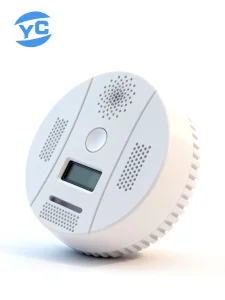
An ultra-low power wireless sensor for long-range building automation and smart office deployments.
Continuous toxic gas monitoring and integrated environmental logging for industrial facility safety.
Designed for smart ventilation control systems, providing stable ozone monitoring in industrial settings.
High-sensitivity monitoring for environmental quality assessments and factory emission zones.
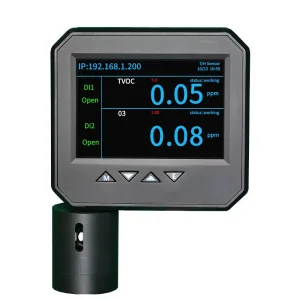
A fully customizable multi-parameter sensor for monitoring indoor chemical pollutants and clean air compliance.
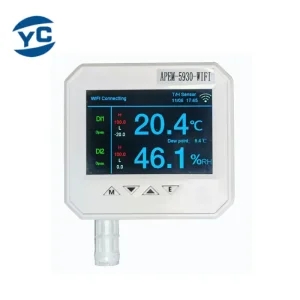
Dual-mode design with wired Ethernet and backup Wi-Fi to ensure continuous, worry-free environmental monitoring.
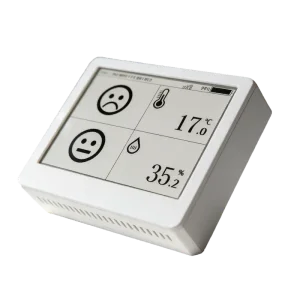
Equipped with a long-range E-Ink display, providing local visibility and robust wireless telemetry over long distances.
Simultaneous tracking of volatile organic compounds, ozone, and ambient temperature/humidity for indoor safety.
 YCLH Sensor