 YCLH Sensor
The Paradigm Shift in Multi-Parameter Environmental Logging
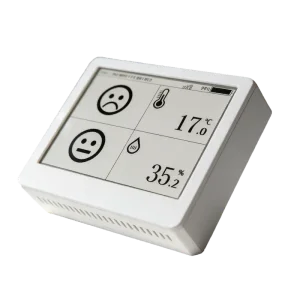
In the era of Industrial Internet of Things (IIoT), environmental monitoring has evolved from simple standalone thermometers to highly integrated, multi-parameter environmental logging nodes. Today’s industrial landscapes require real-time correlation between temperature, relative humidity, atmospheric pressure, and trace gases to ensure both procedural compliance and human safety.
Traditional data loggers required manual data harvesting via USB or serial cables, which led to lag times in risk analysis and compliance gaps. By integrating TCP/IP Ethernet (including Power over Ethernet - PoE) and wireless long-range protocols like LoRaWAN, modern multi-parameter loggers act as autonomous edge nodes. They collect, analyze, and transmit environmental metrics to localized SCADA systems or centralized cloud databases simultaneously.
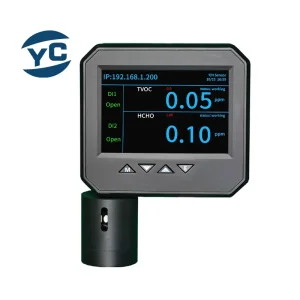
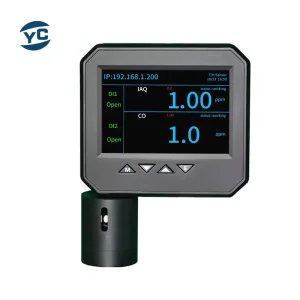
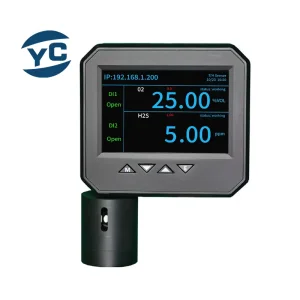
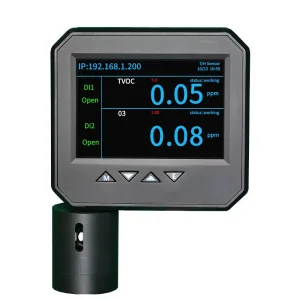
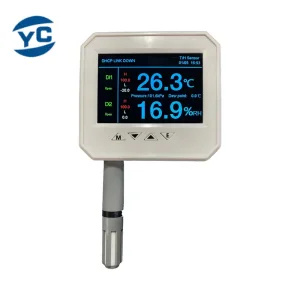
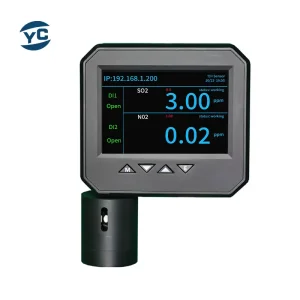
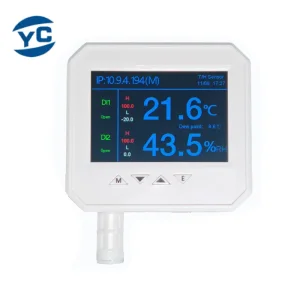
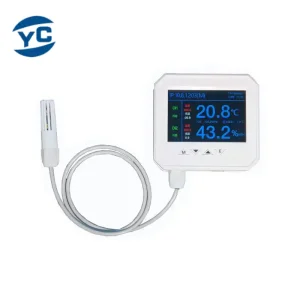
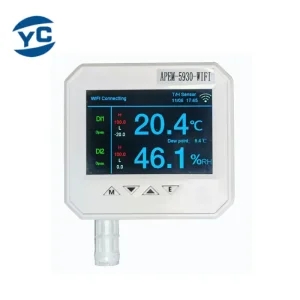
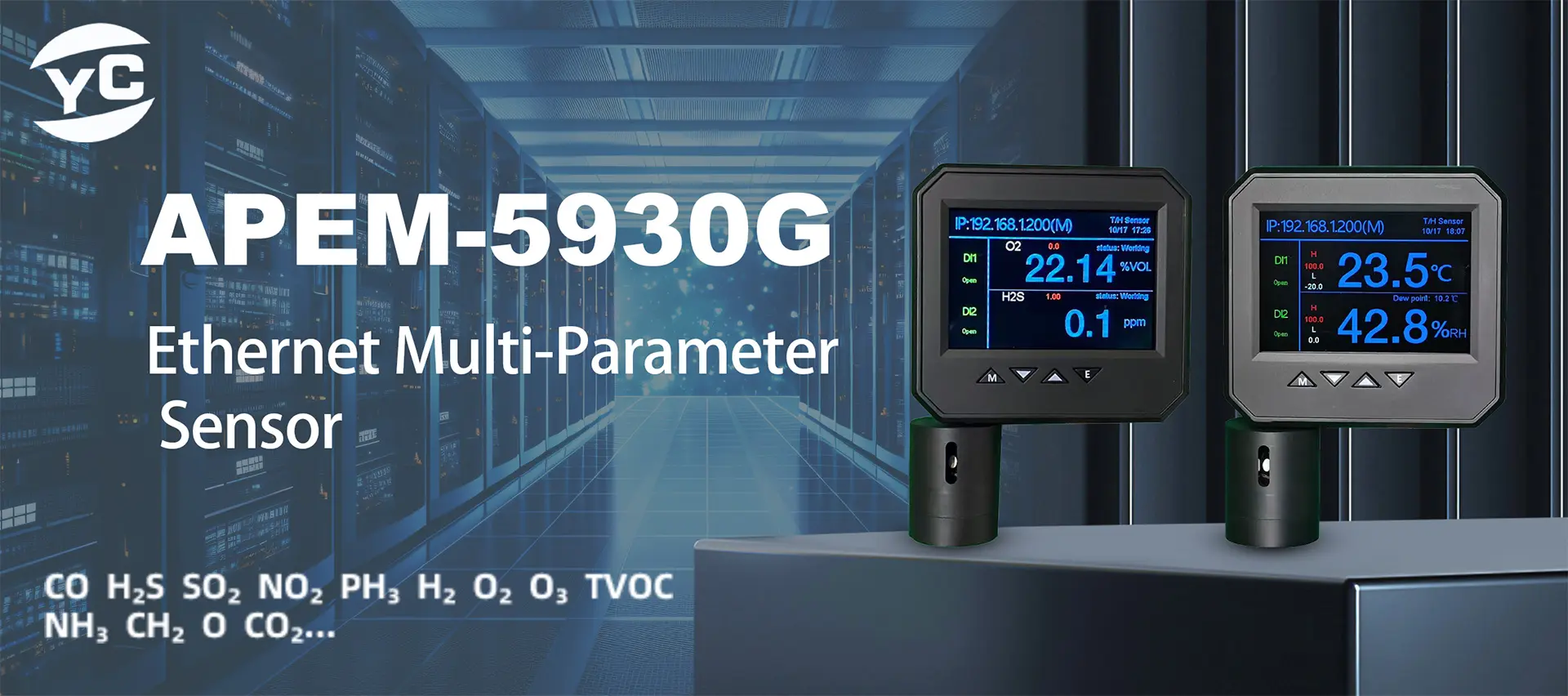
At Yingchuanglihe, our data logging nodes utilize imported core microchips from Switzerland and Germany, providing rapid response times and high calibration stability. These multi-parameter loggers measure critical parameters like temperature, relative humidity, dew point, air pressure, TVOCs, ozone, oxygen, and toxic gases like H₂S, NO₂, and SO₂ in a single unit. This integration reduces deployment costs while increasing data depth for process analysis.
Key Architectural Trends in Modern Data Loggers
- Unified Sensor Hubs: Combining chemical, gas, and thermodynamic parameters into single digital communication interfaces to simplify physical wiring.
- Low-Power Edge Processing: Running localized calculations on-board (e.g., calculating dew point from ambient temperature and humidity variables) to reduce cloud bandwidth requirements.
- Self-Diagnostics and Calibrations: Using active drift-compensation algorithms to maintain high measurement fidelity over long maintenance cycles.