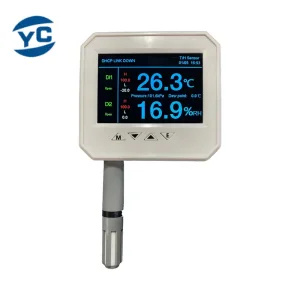
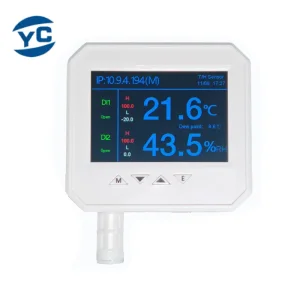
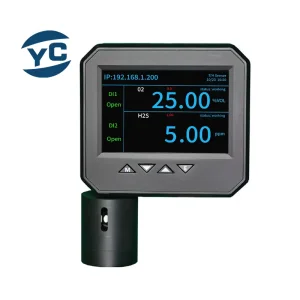
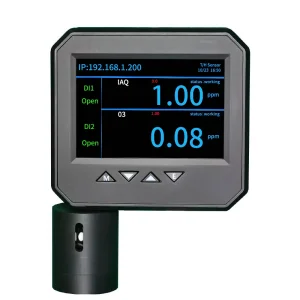
Explore our premium grade PoE temperature, humidity, and atmospheric pressure monitoring solutions designed for mission-critical deployments.
In modern industrial facilities, precise control of temperature and relative humidity (RH) is no longer a secondary operations concern; it is a critical metric that impacts yield, product quality, regulatory compliance, and equipment reliability. Legacy monitoring architectures relied heavily on point-to-point analog loops (such as 4-20mA or 0-10V) or RS-485 Modbus RTU daisy chains. However, as factories transform into fully digitalized "Smart Manufacturing" hubs under the Industry 4.0 paradigm, these systems present clear limitations—specifically, high wiring complexity, vulnerability to electromagnetic interference, and lack of direct communication with cloud analytics databases.
Ethernet-based environmental sensors, particularly those employing Power over Ethernet (PoE) technology, have emerged as the industry standard. By utilizing standard Cat5e or Cat6 networking cables, these devices carry both high-speed data transmission and low-voltage power over a single connection. The integration of advanced IP-based protocols like Modbus TCP, SNMP (Simple Network Management Protocol), and MQTT allows for seamless vertical communication—directly connecting a physical factory floor sensor to enterprise IT systems, Data Center Infrastructure Management (DCIM) tools, and cloud-based analytics engines. Yingchuanglihe is at the absolute forefront of this technological shift, manufacturing sensors that are both metrologically superior and easily integrable.
At the core of every Yingchuanglihe environmental transmitter is a high-performance, factory-calibrated digital sensor chip imported directly from leading Swiss and German chip manufacturers. Capacitive relative humidity measurement relies on a polymer dielectric material that absorbs or releases water vapor according to the ambient atmospheric moisture. This absorption changes the physical capacitance of the integrated micro-element, which is then digitized on a CMOSens® microchip.
The choice of using Swiss-engineered chips guarantees:
1. Long-term Drift Resistance: Relative humidity drift is maintained below <0.25% RH per year, ensuring the device remains in calibration for years.
2. High Relative Humidity Accuracy: Typical precision values reach ±1.5% RH to ±2.0% RH across the wide spectrum of 0% to 100% condensation-free environments.
3. Dew Point Calculation: Onboard mathematical engines dynamically calculate the dew point, absolute humidity, and mixing ratios in real-time, removing processing loads from the main server.
Our engineering team designs special sintered metal covers and Teflon (PTFE) membrane filters to wrap these delicate microchips. These protective measures prevent particulate contamination, liquid water exposure, and corrosive chemical deposition while maintaining rapid response times of under 8 seconds. This metrological foundation makes our sensors ideal for demanding environments, including cleanrooms and autonomous driving road-test cabinets.
A high-tech pioneer integrating R&D, manufacturing, and distribution of state-of-the-art environmental sensors since 2007.
Beijing Yingchuanglihe Electronic Technology Co., Ltd. is a premier global manufacturer of environmental monitoring sensors. Since our foundation in 2007, we have dedicated our R&D efforts to providing global customers with a complete family of temperature, humidity, atmospheric pressure, and multi-parameter air quality transmitters. Our objective is simple: to offer highly accurate, traceable, and ultra-reliable environmental data for intelligent operations across all industries.
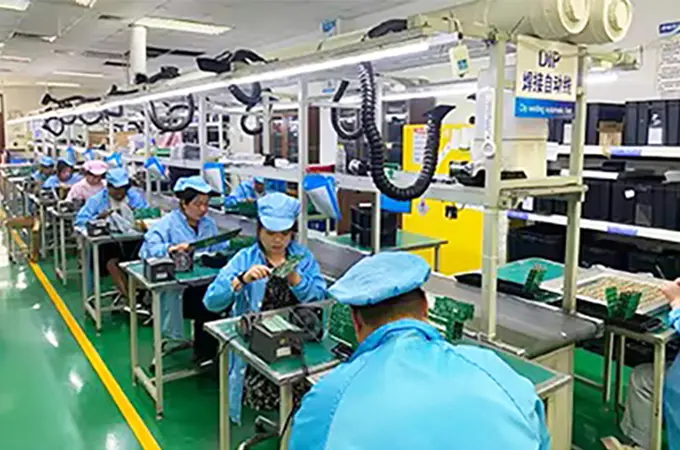
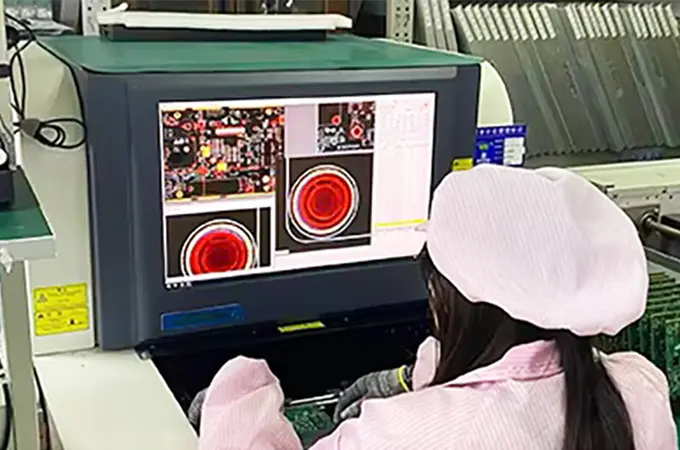
Strategically headquartered in Beijing, China, our advanced facility spans over 1,500 square meters of modern manufacturing and cleanroom testing space. Powered by more than 100 dedicated technical and operations professionals, we run five state-of-the-art production lines capable of scaling rapidly to meet both standard wholesale orders and tailored OEM/ODM requests. With a response time of under 8 hours and certifications spanning CE, FCC, and RoHS, we guarantee seamless integration, high performance, and reliable delivery cycles.
How Yingchuanglihe Ethernet sensors solve real-world environmental challenges in specific geographic and operational contexts.
Within high-density computing rooms and hyperscale data centers, maintaining proper relative humidity is critical. If humidity is too low, static electricity (ESD) builds up, risking hardware damage. If it is too high, condensation can occur, leading to trace corrosion. Yingchuanglihe sensors calculate real-time dew point temperatures, allowing facilities managers to run optimal free cooling cycles without risking condensation, aligning with ASHRAE Class A1/A2 guidelines.
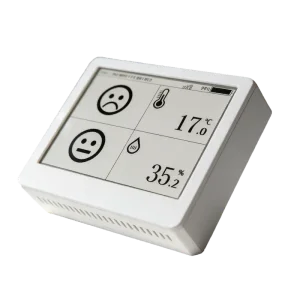
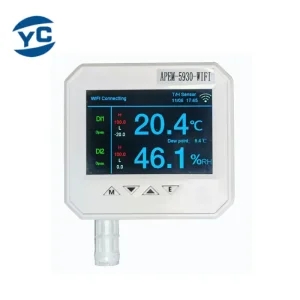
Compliance with FDA 21 CFR Part 11 and GMP (Good Manufacturing Practices) mandates precise environmental tracking. The APEM-5930P monitors temperature, humidity, and differential atmospheric pressure. Maintaining positive room pressure prevents outside contaminants from leaking into sterile production bays, while the Ethernet backbone logs real-time, non-editable records straight to database logs for audit readiness.
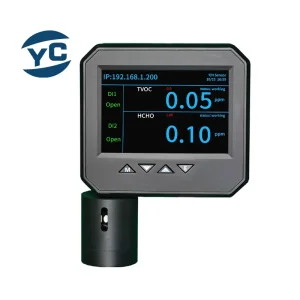
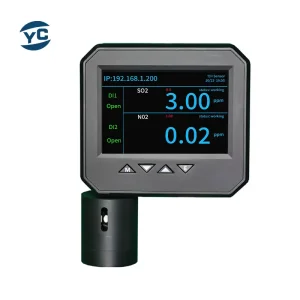
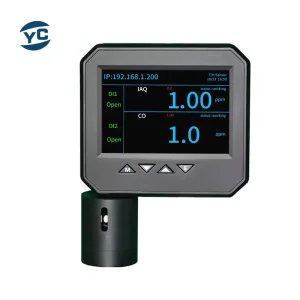
Manufacturing facilities that process toxic gases require multi-gas integration. The APEM-5930G platform can be configured to monitor SO2, NO2, H2S, O2, and TVOC alongside standard temperature and humidity. These models prevent sensor poisoning through custom electrochemical configurations, providing a crucial safety early-warning system while operating reliably on a standard factory Ethernet loop.
Smart transport hubs, ETC tollway cabinets, and edge computing boxes are exposed to extreme outdoor ambient fluctuations. In collaboration with Huawei and China Merchants Huaruan, Yingchuanglihe engineered protective integrated enclosures. These systems withstand heavy vibration, high-frequency humidity condensation cycles, and temperature swings from -40°C up to +85°C, ensuring uninterrupted telecom traffic flow.
Precision agriculture depends on micro-climate tracking. To monitor crop transpiration, humidity must be kept within precise bands. Saturated air inside greenhouses can trigger sensor condensation and inaccurate readings. Our sensors feature quick-recovery elements that handle 100% humidity spikes without losing calibration, transmitting data over WiFi or LoRaWAN networks to conserve water and control automated ventilation.
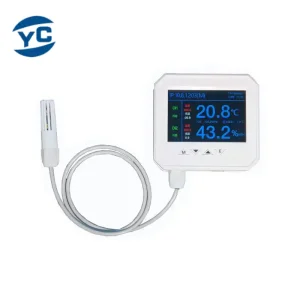
Preserving paper-based artifacts and paintings requires stable temperature and relative humidity levels to prevent fungal growth or paper degradation. The APEM-5930 series provides museum registrars with continuous data monitoring, raising real-time alerts if local micro-climates inside display cases drift, protecting priceless heritage assets.
Over a decade and a half of constant innovation, scaling from local design projects to global infrastructure standards.
Company founded in Beijing. Developed our first intelligent environmental monitoring terminal based on TCP/IP protocol. Launched version 1.0 of our environmental monitoring software suite.
Collaborated with Mocha Software to co-design and launch the TH-5939, a specialized series of environmental sensors natively supporting SNMP protocol.
Partnered with Swiss rail technology pioneer COMLAB to develop the TH-5869 protective Ethernet monitoring system, deployed in key high-speed rail lines like Beijing-Kowloon and Wuhan-Guangzhou.
Cooperated with Founder Technology to deploy the APEM-6100, one of the earliest environmental sensors to integrate Power over Ethernet (PoE) technology.
Formed production partnerships with Foxconn. Our environmental standards were subsequently adopted as benchmark systems for factory floor monitoring.
Collaborated with Baidu to deploy the next-generation APEM-5900 intelligent terminal in the Yangquan Data Center. Upgraded software architecture to support multi-parameter monitoring systems.
Introduced a multi-scenario smart solutions framework, enabling horizontal system integration starting from smart data center rooms.
Launched the integrated outdoor cabinet monitoring system, deployed in Huawei and China Merchants Huaruan ETC expressway initiatives.
Supported Beijing's smart transport initiatives, contributing R&D for autonomous driving road-test integrated boxes and edge compute gateways.
Expanded into intelligent computing center infrastructures, providing baseline technical support for next-gen GPU server cooling monitoring.
Established joint business divisions with Beijing Enterprises Water Group and co-founded the Beidou division with BUCEA. Achieved milestones in smart pipeline monitoring and Beidou deformation tracking. Obtained IDC qualifications.
The manufacturing ecosystem in China, particularly in high-tech industrial corridors like Beijing, offers unmatched supply chain resilience and cost efficiencies. For global B2B buyers and wholesale clients, sourcing directly from Yingchuanglihe delivers critical business advantages:
1. Vertically Integrated Raw Material Sourcing: By manufacturing within a dense electronic supply cluster, we source robust PCB substrates, custom-molded housings, protection caps, and microchips with short lead times. This proximity shields our clients from global supply chain disruptions.
2. Multi-Point Calibration Standards: Our factory runs high-volume climate calibration chambers that match international metrology standards. Each sensor undergoes automated testing across a range of temperature and humidity configurations. This rigorous verification prevents out-of-box failures and guarantees sensor accuracy.
3. Streamlined OEM/ODM Cycles: Our local R&D team can modify sensor chassis designs, adjust firmware protocols, and configure tailored multi-parameter gas sensor combinations within weeks, compared to the multi-month turnaround times of Western suppliers.
As the IoT sector progresses, environmental telemetry is moving toward edge intelligence and self-diagnosing hardware. Yingchuanglihe's R&D roadmap focuses on three key technological areas:
- Advanced Edge Computing Gateways: Future iterations of the APEM series will feature local machine learning algorithms to predict environmental anomalies. By analyzing temperature and humidity trends on-device, these sensors will predict AC failure or leakage risks before they happen, reducing network bandwidth usage.
- Beidou High-Precision Spatial Integration: Building on our 2024 partnership, we are integrating environmental telemetry with Beidou spatial coordinates. This combination is ideal for expansive infrastructure projects like structural deformation tracking, smart water networks, and geological monitoring.
- Self-Calibration Algorithms: To lower field maintenance costs, our R&D team is developing automated self-calibration technology. By using dual-element reference configurations, sensors can detect drift automatically and adjust calibration curves internally, extending intervals between manual calibrations.
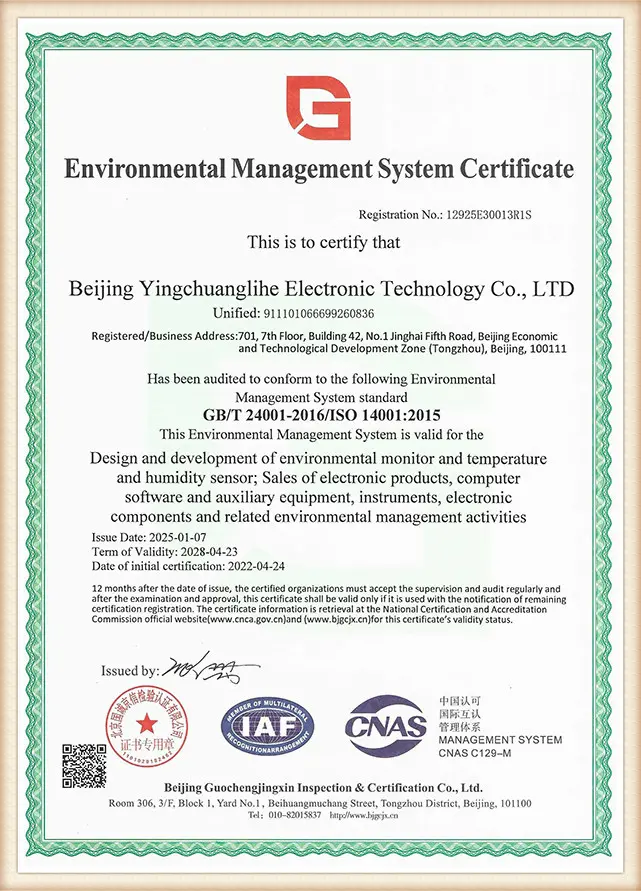
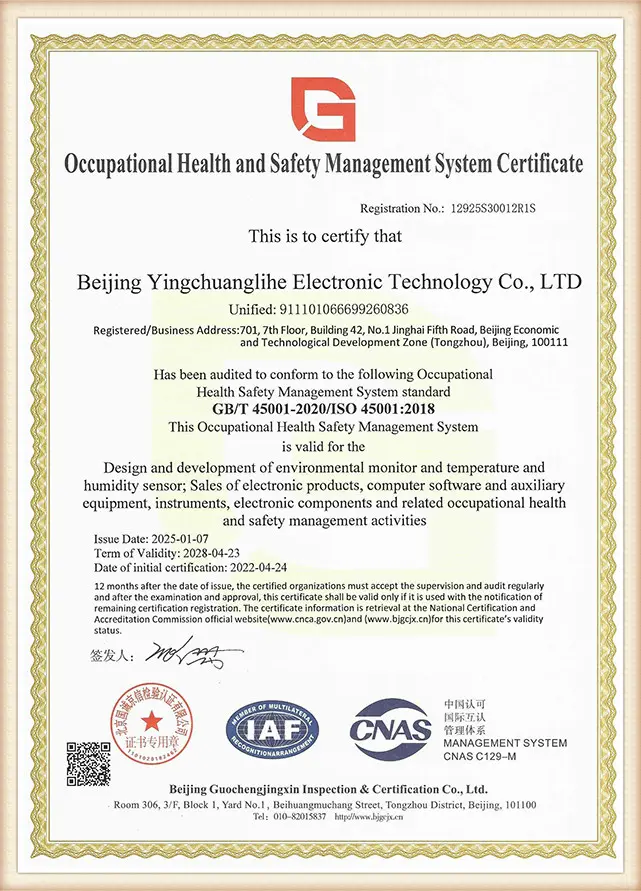
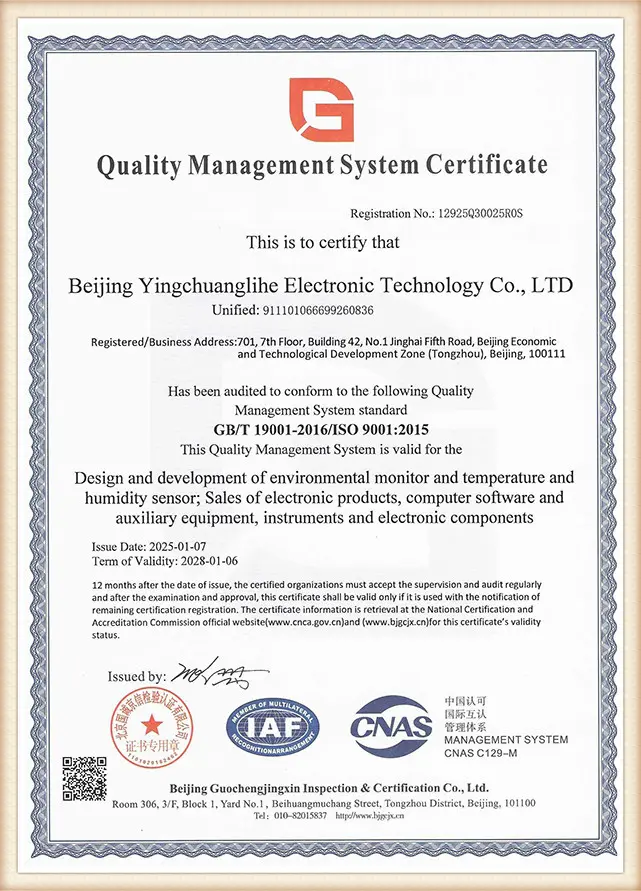
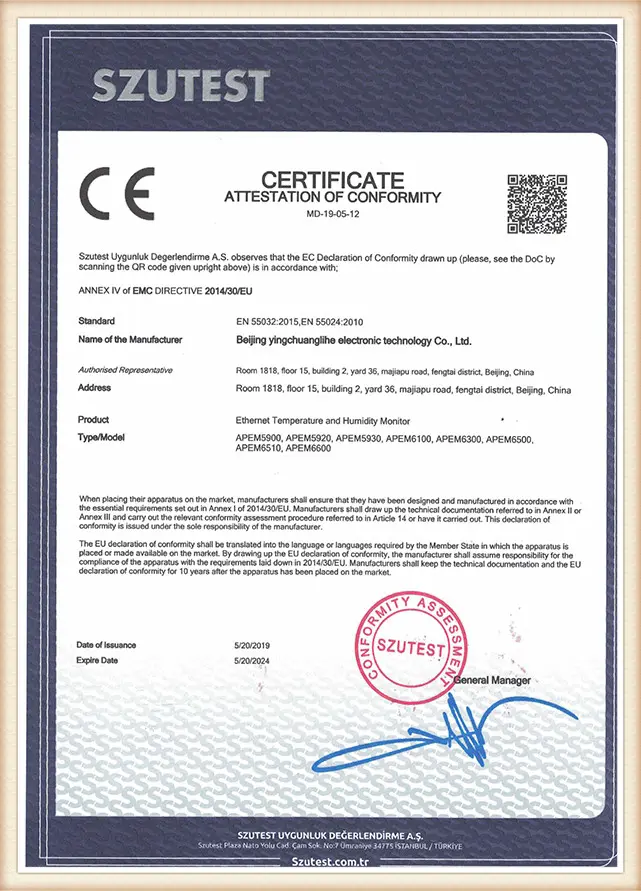
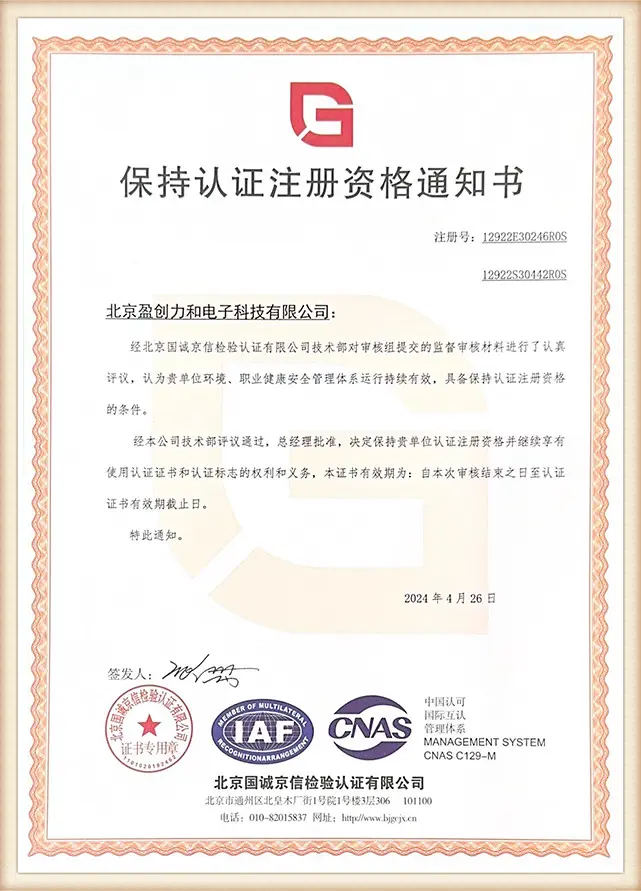
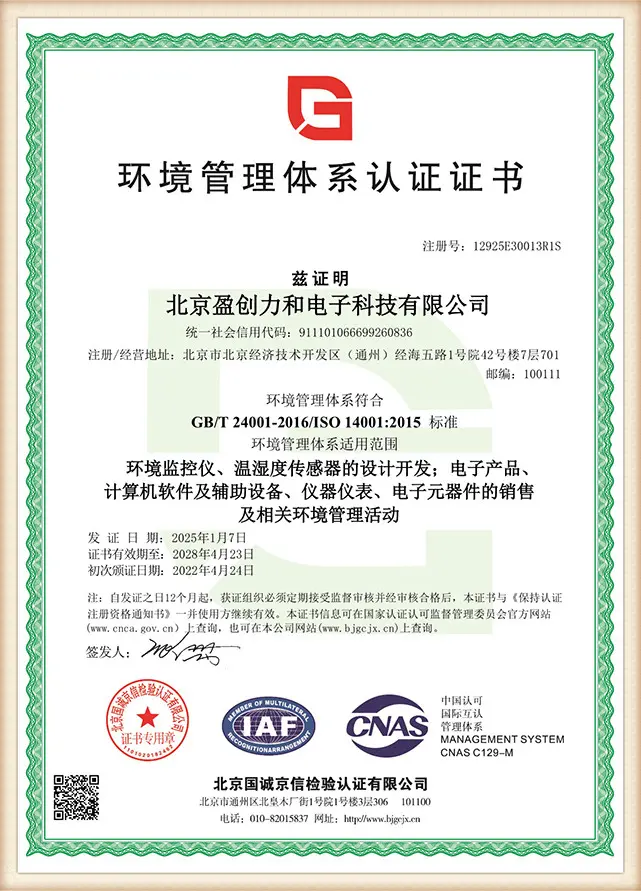
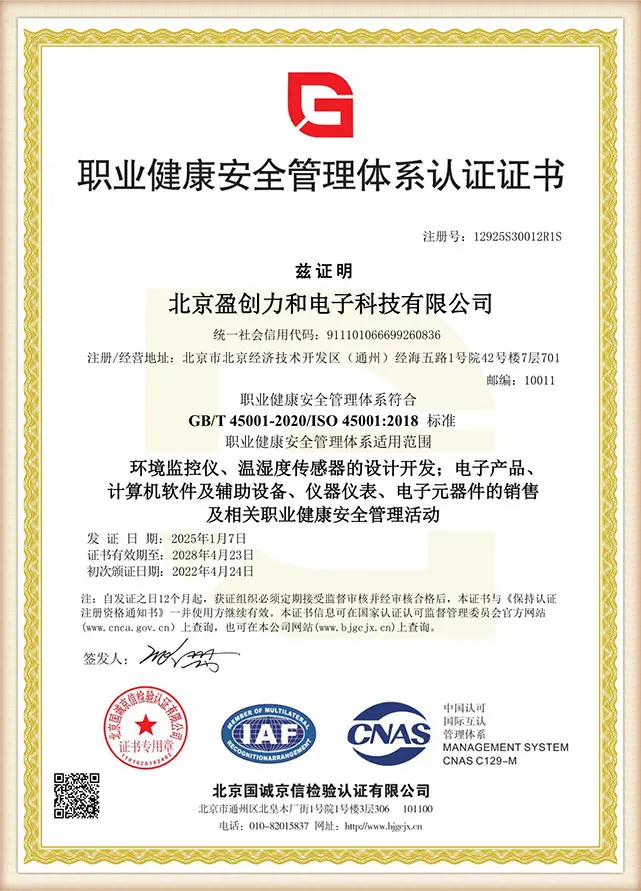
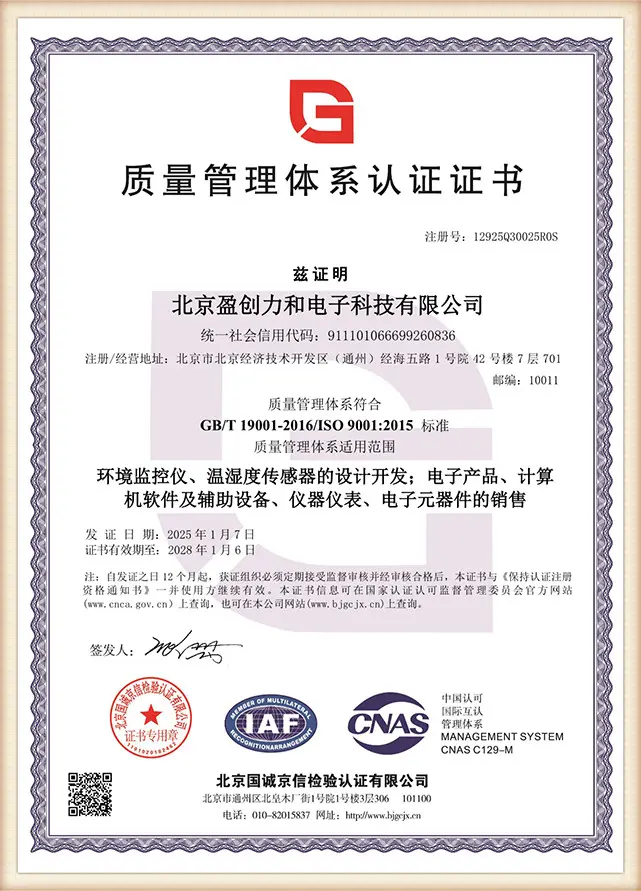
Verifiable credentials showing our commitment to manufacturing standards and global trade compliance.
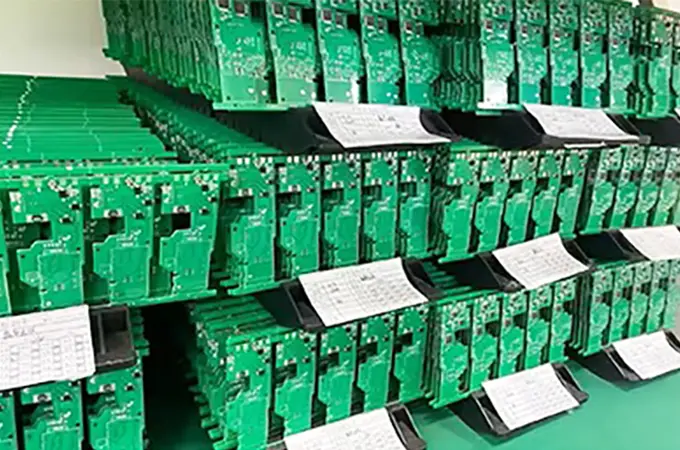
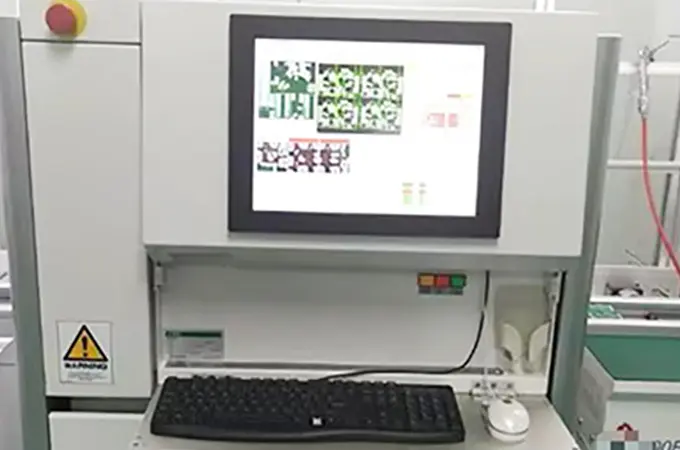
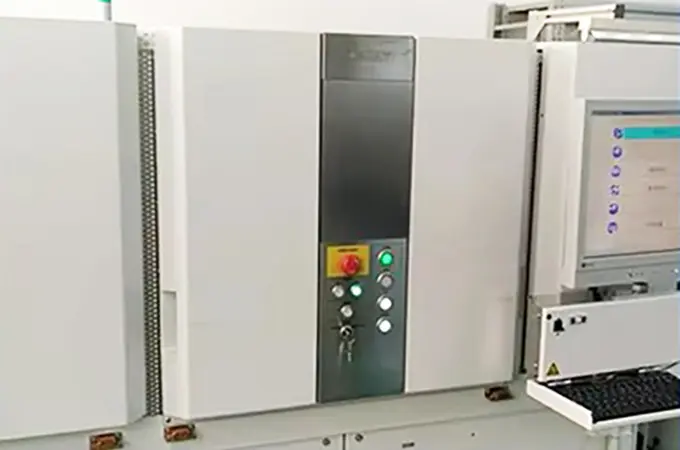
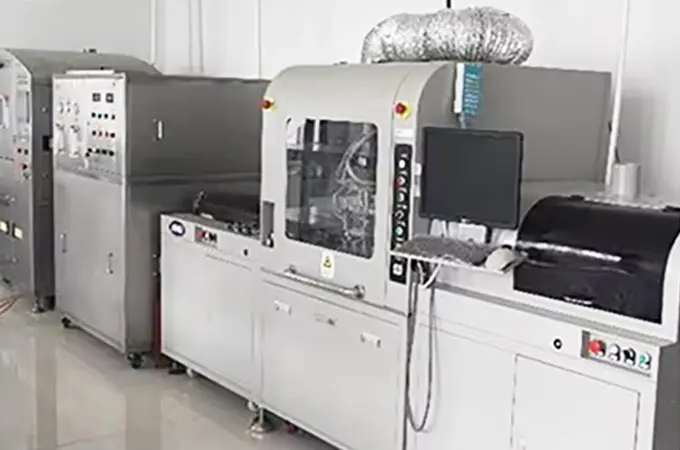
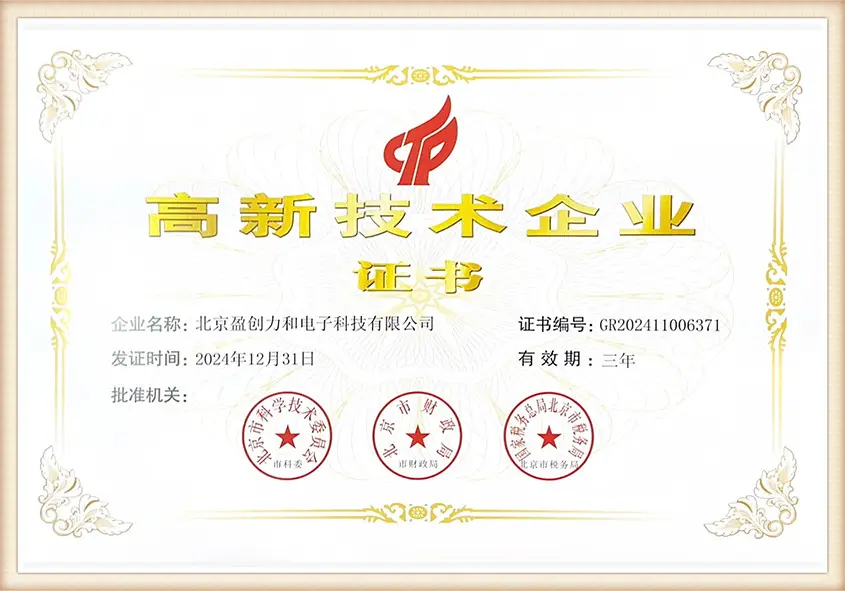
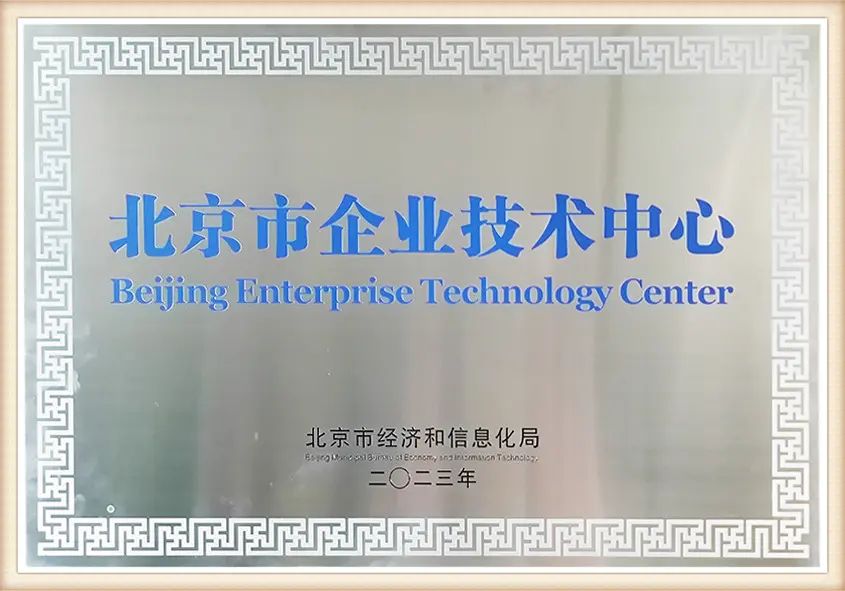
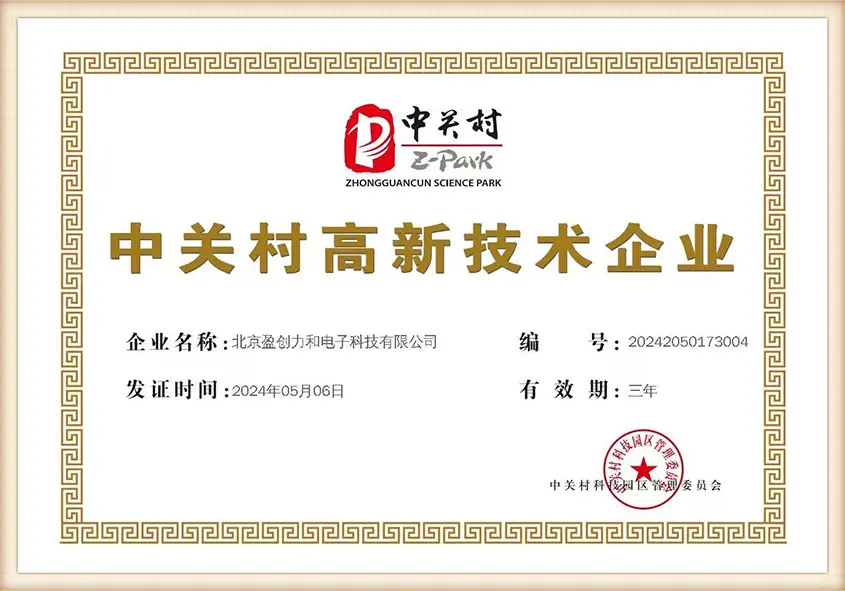
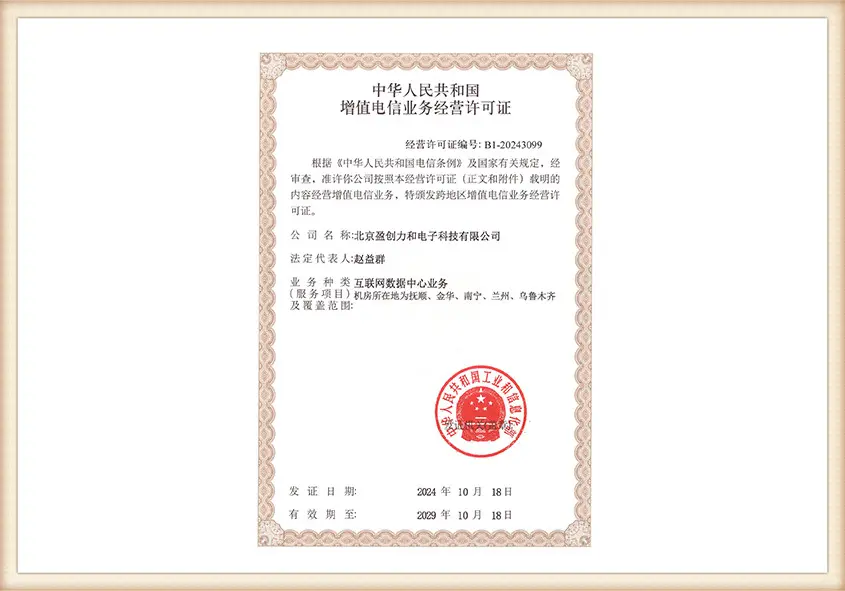
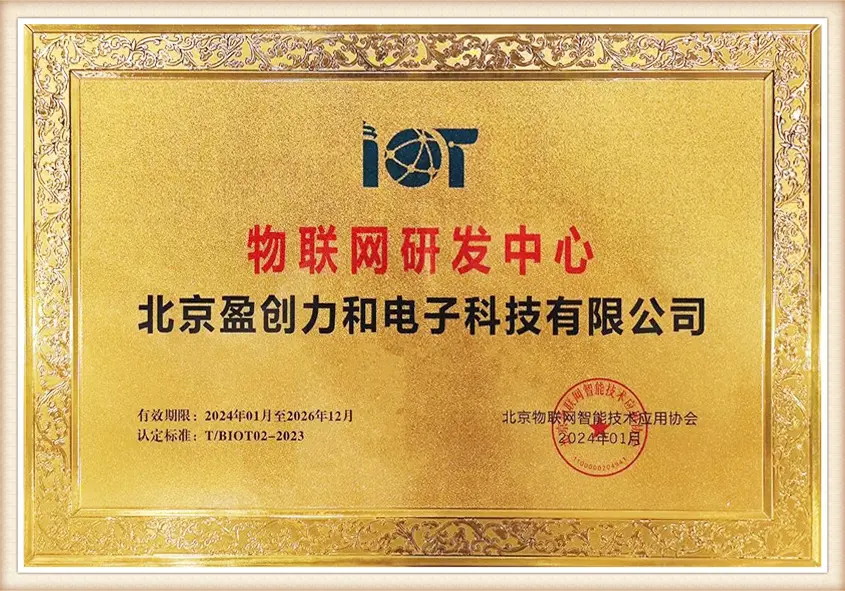
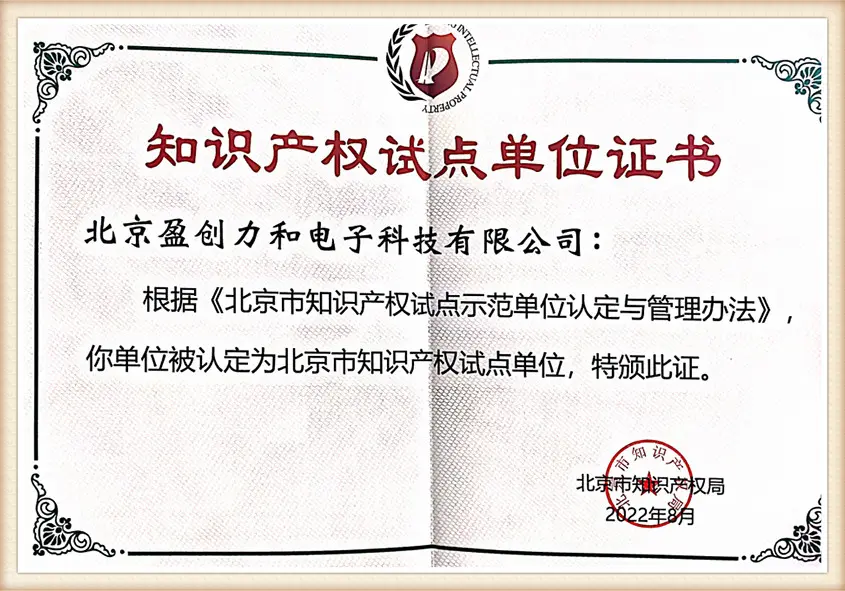
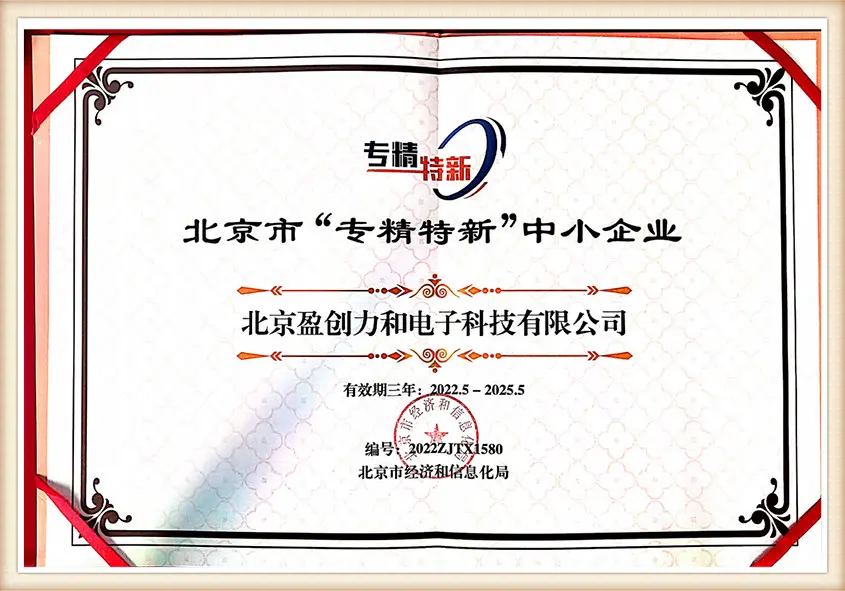
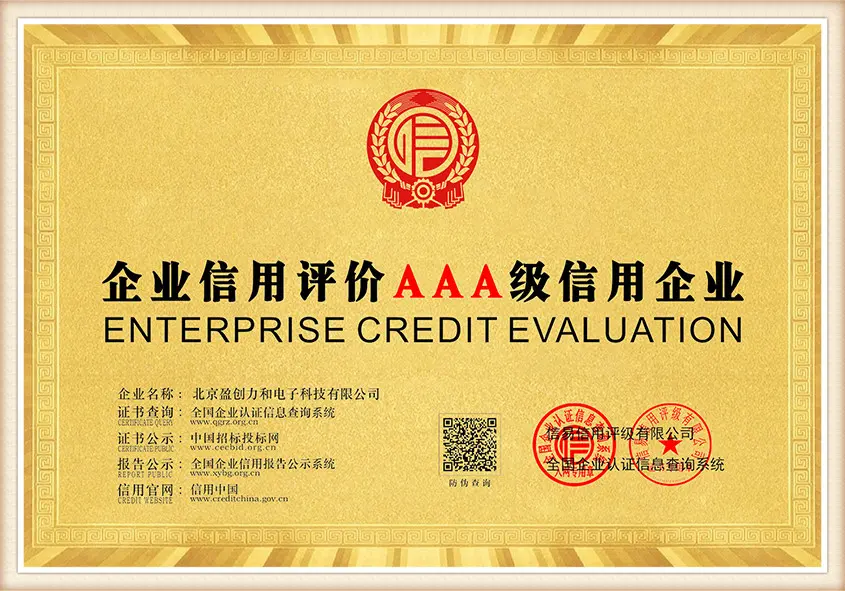
Our complete collection of industrial-grade telemetry solutions, categorized by data communication standards.
Designed for low-power, wide-area network coverage across expansive agricultural fields, multi-level warehouses, and historic buildings.
Dual-power capable (12-48V DC or PoE 802.3af) environmental transmitters that interface directly with Ethernet routers.
All-in-one safety loggers that combine temperature and humidity sensing with gas monitoring sensors.
Advanced gas monitoring, indoor air quality transmitters, and long-range environmental loggers.
Find technical answers to common integration questions regarding our Ethernet-based humidity sensors.
 YCLH Sensor