Explore our high-accuracy, network-ready temperature, humidity, and gas monitoring terminals, designed for seamless integration.
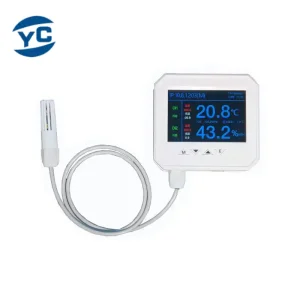
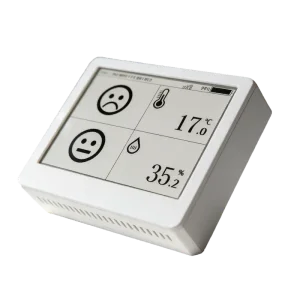
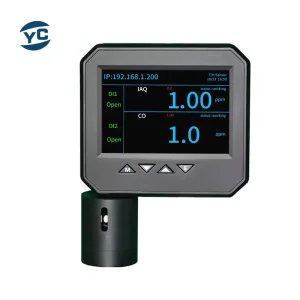
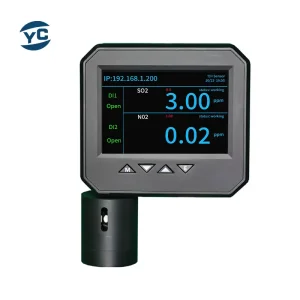
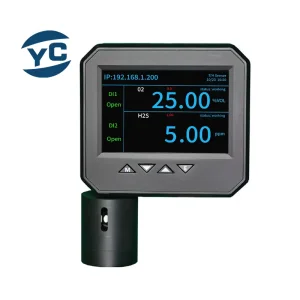
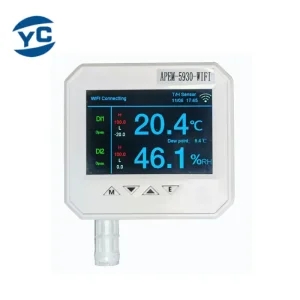
In the modern industrial landscape, environmental control is no longer a simple operational checklist—it is a critical driver of efficiency, quality assurance, and high-performance system reliability. The convergence of IoT networks, smart factory initiatives, and automated cloud computing has shifted the environmental telemetry paradigm. Today, industries demands real-time, highly granular, and zero-latency data reporting for temperature, relative humidity, dew point, barometric pressure, and complex gaseous mixtures.
As hyperscale data centers expand to support AI workloads and machine learning training modules, cooling architectures face unprecedented pressure. A variance of even two degrees Celsius can significantly impact Power Usage Effectiveness (PUE) metrics and risk micro-processor performance deterioration. Similarly, in pharmaceutical manufacturing, strict adherence to Good Manufacturing Practices (GMP) and Food and Drug Administration (FDA) Title 21 CFR Part 11 mandates absolute, non-reputable logging of environmental parameters. This global pressure has transformed environmental sensors from standalone indicators into integrated, intelligent network nodes capable of predictive analysis, edge computing, and automatic recovery protocols.
"The integration of environmental sensors directly into Ethernet and LoRa networks represents a paradigm shift. Deploying multi-parameter sensors with Swiss and German chip cores ensures long-term calibration stability and virtually eliminates data latency, forming the backbone of modern industrial automation."
Processing sensor readings locally to support rapid response systems, trigger physical alarms, and optimize localized airflow controls.
Integrating wired Ethernet (PoE) and wireless WiFi/LoRa structures in a single device to protect telemetry against transport channel failures.
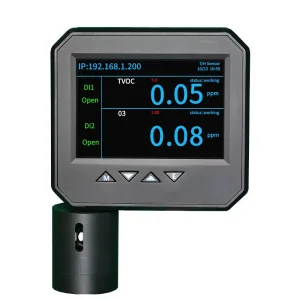
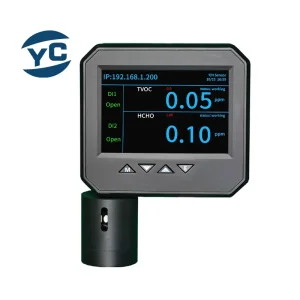
Consolidating TVOC, Ozone (O₃), Carbon Monoxide (CO), SO₂, and NO₂ detection into standard temperature and humidity matrices.
Procurement teams for multinational corporations, municipal departments, and infrastructure projects evaluate environmental monitoring devices using strict reliability matrices. Unlike consumer-grade alternatives, industrial sensors must operate under harsh conditions for extended periods without manual calibration. Key criteria evaluated during selection include:
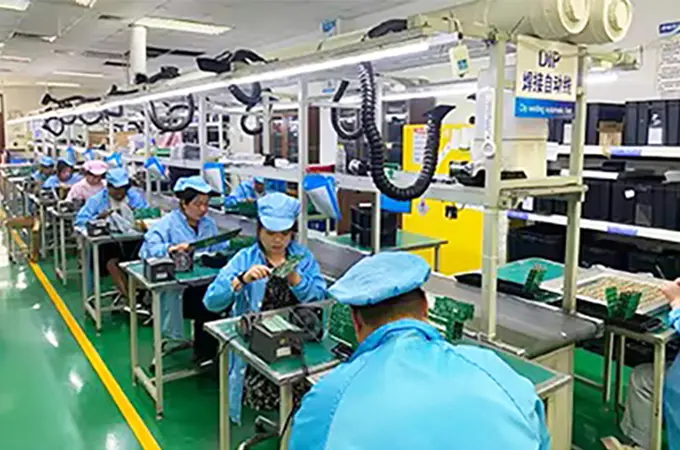
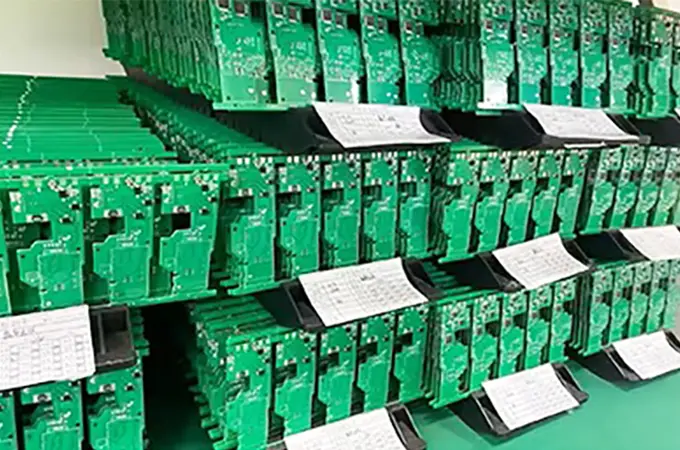
At our manufacturing center in Beijing, Yingchuanglihe leverages advanced China Factory 4.0 methodologies to provide high-quality environmental sensors with optimized lead times. Our production model balances automated assembly with strict quality control checkpoints.
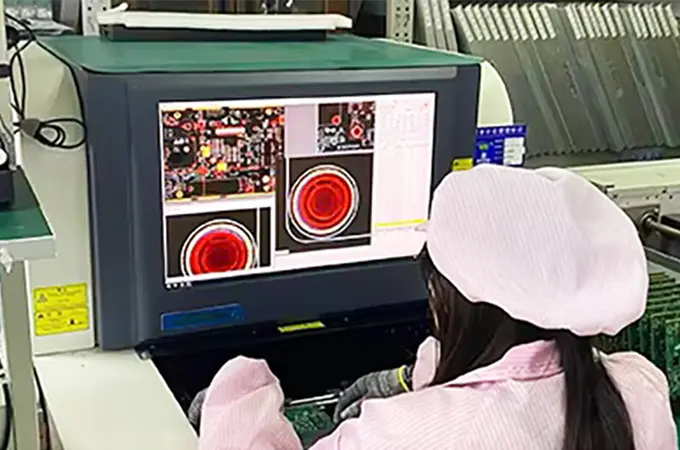
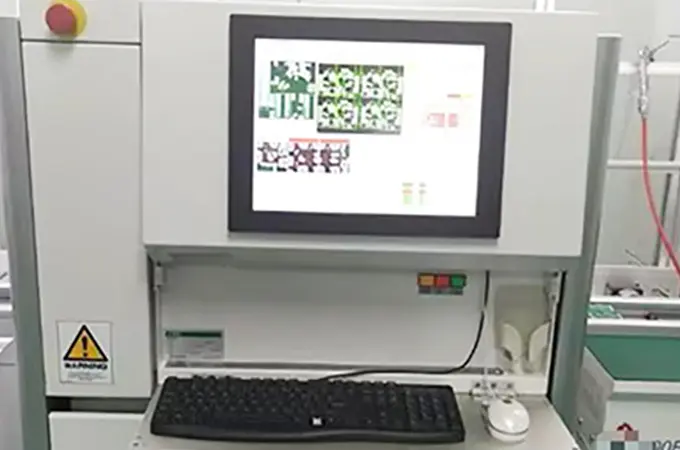
By maintaining strategic component reserves—including critical microcontrollers, analog-to-digital converters, and imported sensor chips—we protect our production schedules from global supply chain disruptions. Our five automated assembly lines handle high-precision surface mounting (SMT), reflow soldering, and automated optical inspections.
Every unit undergoes environmental chamber stress testing and automated calibration sweeps. This approach ensures that custom-engineered orders can transition from schematic verification to volume manufacturing and shipment in as little as 10 working days.
Our environmental monitoring systems are designed to operate reliably across a wide range of challenging real-world applications:
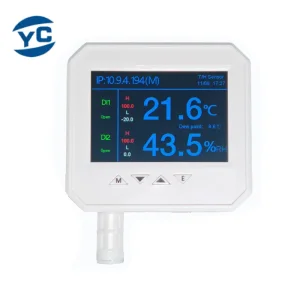
Modern data centers utilize cold-aisle/hot-aisle containment strategies. Yingchuanglihe PoE sensors (like the APEM-5930) are mounted at the top, middle, and bottom of server racks to monitor intake air temperatures in real-time. This dynamic telemetry helps operators adjust cooling output, identify hot spots, and lower cooling energy consumption.
Maintaining specific pressure differentials and monitoring air quality is critical to preventing contamination. Our APEM-5930P measures temperature, humidity, and barometric pressure variations down to the Pascal level. In chemical processing plants, specialized gas logging modules monitor SO₂, NO₂, H₂S, and TVOC levels to protect personnel and satisfy environmental safety regulations.
As smart cities expand, environmental monitoring systems must interface directly with municipal hardware. Yingchuanglihe works with regional partners to integrate monitoring electronics into roadway control boxes, edge computing cabinets, and smart utility systems. Our sensors help manage autonomous driving test corridors, detect drainage pipeline leakage, and monitor municipal infrastructure.
A history of innovation in environmental sensing technology, municipal utility projects, and high-precision monitoring solutions.
Company founded in Beijing. Developed our first intelligent environmental monitoring terminal using the TCP/IP protocol, alongside initial monitoring software.
Partnered with Mocha Software to launch the TH-5939 series of environmental sensors, introducing native support for the SNMP protocol.
Collaborated with Switzerland's COMLAB to develop the TH-5869 protected Ethernet monitoring unit, deployed along the Beijing-Kowloon and Beijing-Shanghai high-speed rail lines.
Released the APEM-6100 in partnership with Founder Technology, marking one of our earliest integrations of Power over Ethernet (PoE) technology.
Collaborated with Foxconn to establish our sensors as a key standard for monitoring ambient environments in manufacturing and assembly facilities.
Partnered with Baidu to deploy the next-generation APEM-5900 series at the Yangquan Data Center. Upgraded software to support multi-parameter environmental monitoring.
Introduced our integrated smart solutions suite, expanding our system architecture to handle multi-scenario monitoring projects beyond data centers.
Launched specialized outdoor cabinet monitoring systems, deployed in highway ETC cabinet projects with Huawei and China Merchants Huaruan.
Designed and supplied edge computing gateways and autonomous driving roadside test boxes for municipal trial zones in Beijing.
Supplied high-density temperature and humidity sensor networks to support heat management inside intelligent computing and AI training centers.
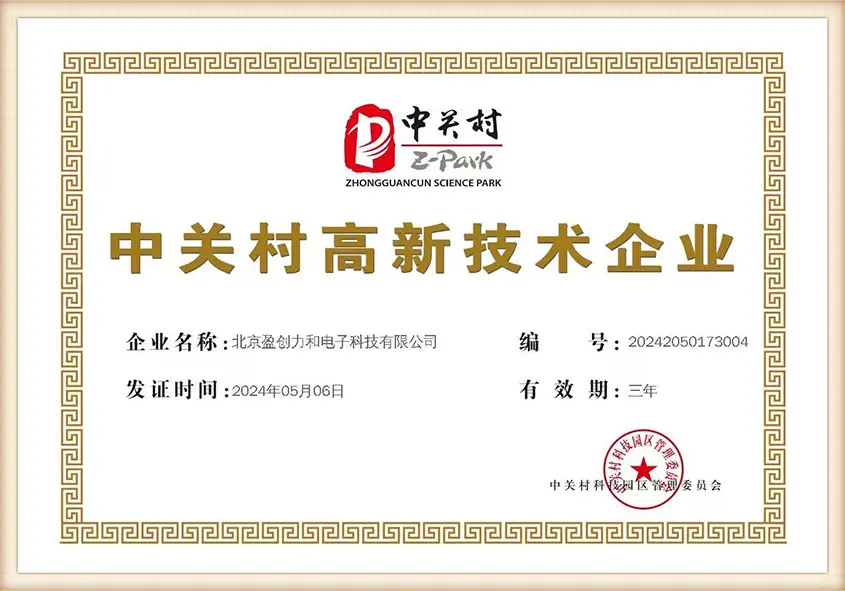
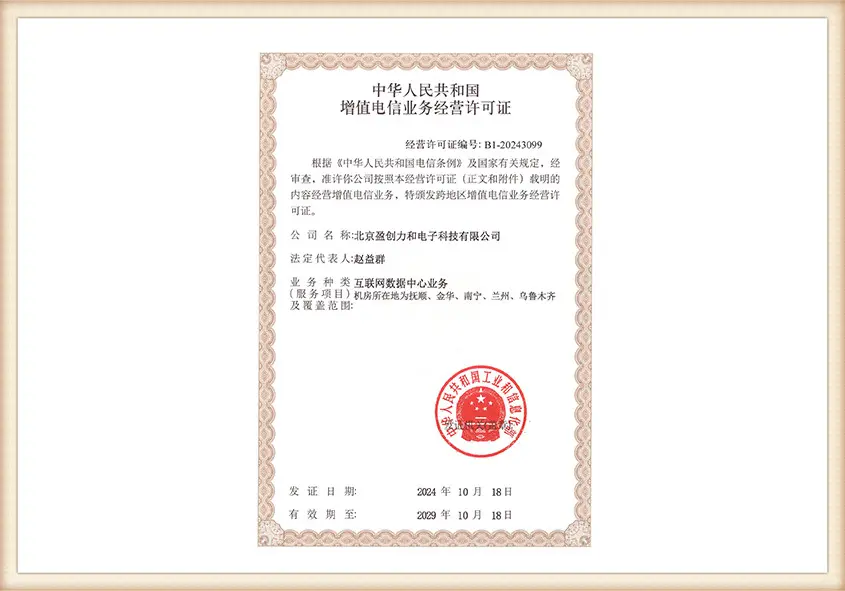
Established joint business divisions with Beijing Enterprises Water Group and co-founded a Beidou division with BUCEA. Secured Internet Data Center (IDC) operating qualifications.
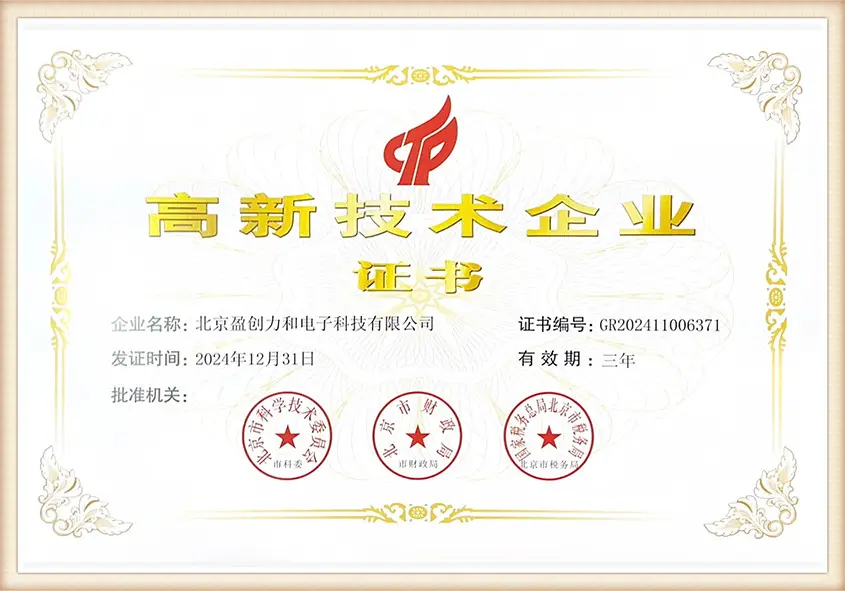
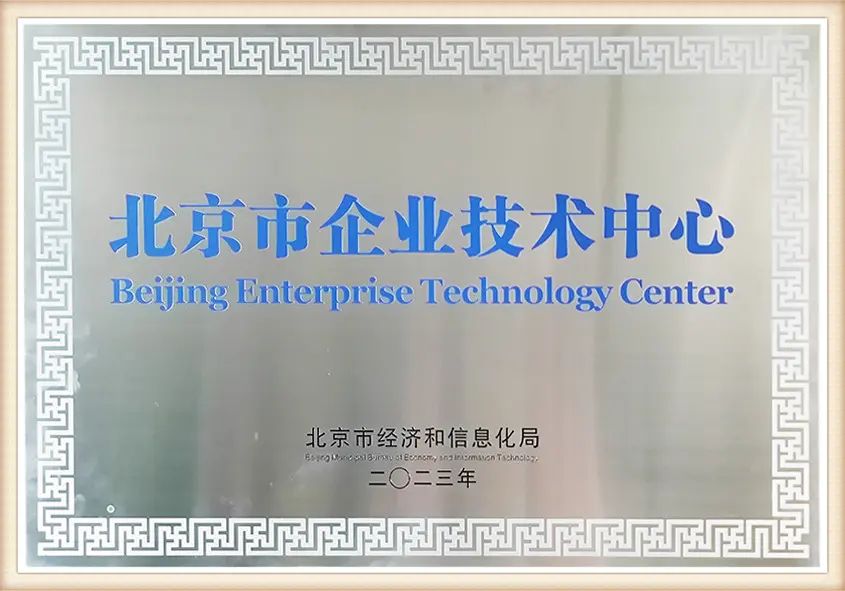
Our commitment to international quality standards is backed by strict certifications and regular participation in industry trade events.
Explore our specialized monitoring units featuring long-range wireless connectivity, Power over Ethernet (PoE), and custom multi-gas sensing configurations.
Common questions answered by our engineering and technical support team.
 YCLH Sensor