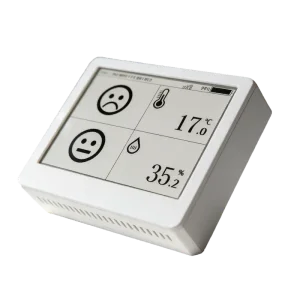
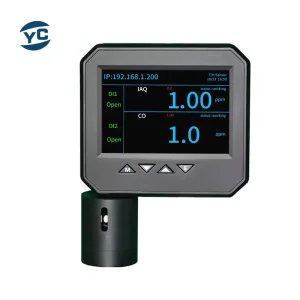
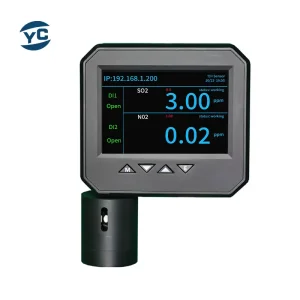
Explore our state-of-the-art Ethernet, WiFi, and LoRaWAN multi-parameter sensors engineered for demanding industrial ecosystems.
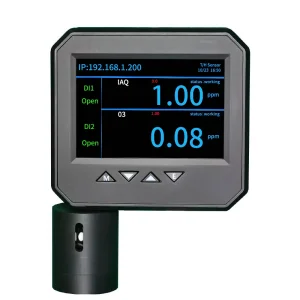
Ethylene Oxide ($C_2H_4O$) is widely regarded as one of the most effective sterilization agents globally, particularly for heat-sensitive medical devices, single-use surgical instruments, and polymer packaging. However, this chemically highly reactive, volatile organic compound poses severe toxicity and carcinogenicity risks. Regulatory agencies like OSHA (Occupational Safety and Health Administration) set strict permissible exposure limits (PEL) of 1 ppm as an 8-hour time-weighted average (TWA), and an action level of 0.5 ppm.
Developing dynamic detection devices capable of reliable ppb (parts-per-billion) and lower ppm accuracy requires precision engineering. Industrial environments face rapid temperature and humidity swings that can disrupt sensor baselines, leading to false alarms or missed detection events. Under harsh chemical conditions, standard sensors degrade quickly, demanding frequent calibration cycles that increase operational overhead.
As a leading developer of environmental monitoring sensors, Yingchuanglihe addresses these technical challenges by integrating premium imported electrochemical sensing cells, robust compensation algorithms, and multi-protocol networking into our hardware platforms.
| Metric | Standard Sensors | Our OEM Spec |
|---|---|---|
| Detection Range | 0 - 100 ppm | 0 - 10.00 ppm (ppb Res.) |
| Cross-Sensitivity | High to CO & H₂ | Optimized Catalyst Filter |
| Response Time (T90) | < 120 seconds | < 30 seconds |
| Cal. Interval | 3 - 6 Months | 12 Months Guarantee |
We leverage high-precision sensor chips imported from leading manufacturers in Switzerland and Germany. These elements deliver unmatched baseline stability and linear gas response curves over years of continuous deployment.
Our sensors incorporate dual-mode algorithms to compensate for micro-environmental shifts, protecting against humidity spikes that can skew electrochemical readings and cause baseline drift.
Every sensor platform supports rich digital interfaces. Connect seamlessly via RJ45 Power-over-Ethernet (PoE) or industrial RS-485 interfaces to route real-time telemetry into modern SCADA and MES systems.
Engineered for hazardous environments, our industrial housings are certified to resist explosive atmospheres and survive the volatile cycles common in industrial EtO sterilizer chambers.
Beijing Yingchuanglihe Electronic Technology Co., Ltd. is a pioneer in the design and production of environmental monitoring instruments. Since 2007, we have delivered rugged, highly reliable sensors to industrial, agricultural, and commercial clients globally.
Founded in Beijing, developed our first intelligent environmental monitoring terminal based on TCP/IP protocols alongside the foundational build of our environmental monitoring software suite.
Cooperated with Mocha Software to launch SNMP-supported TH-5939 devices. Partnered with Founder Technology to launch the early Power-over-Ethernet (PoE) enabled APEM-6100 series.
Collaborated with Foxconn to establish our sensors as standard components in electronics workshop environments. Teamed with Baidu to deploy APEM-5900 smart Ethernet loggers at Baidu's Yangquan Data Center.
Scaled horizontally into IoT integrations. Engineered high-level autonomous driving road test integrated boxes and rugged edge computing gateways for Beijing's test routes.
Co-founded the Beidou High-Precision division alongside the Beijing University of Civil Engineering and Architecture, bringing deformation monitoring to smart pipeline networks while acquiring official IDC licensing.
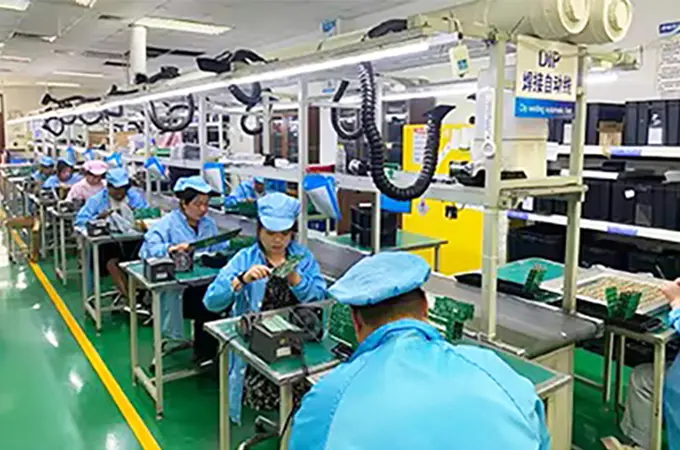
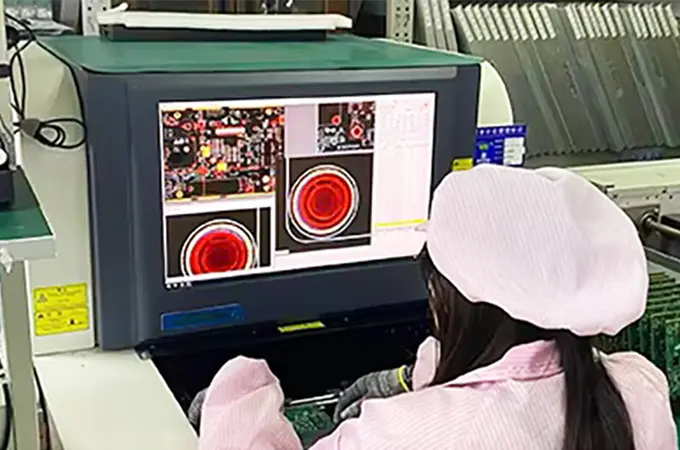
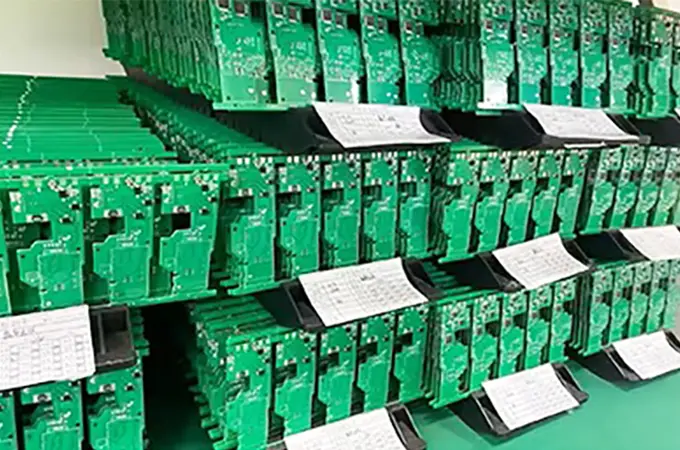
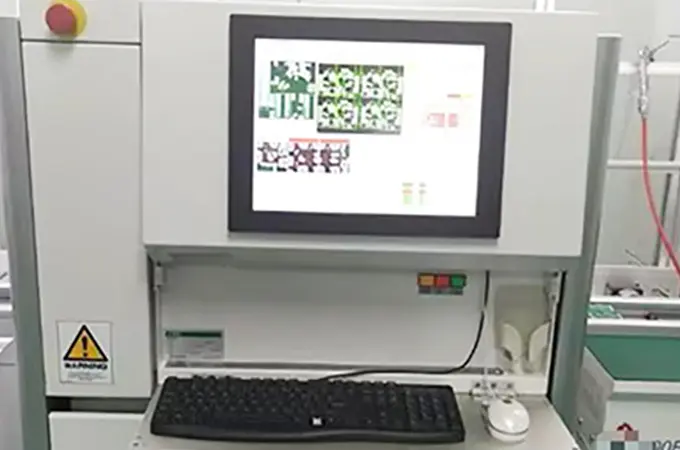
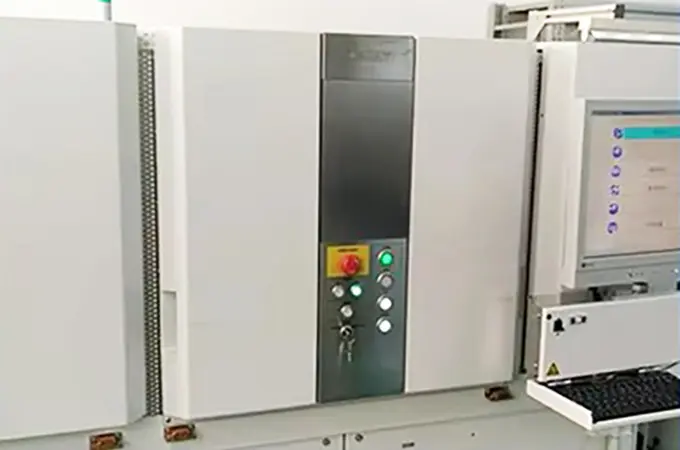
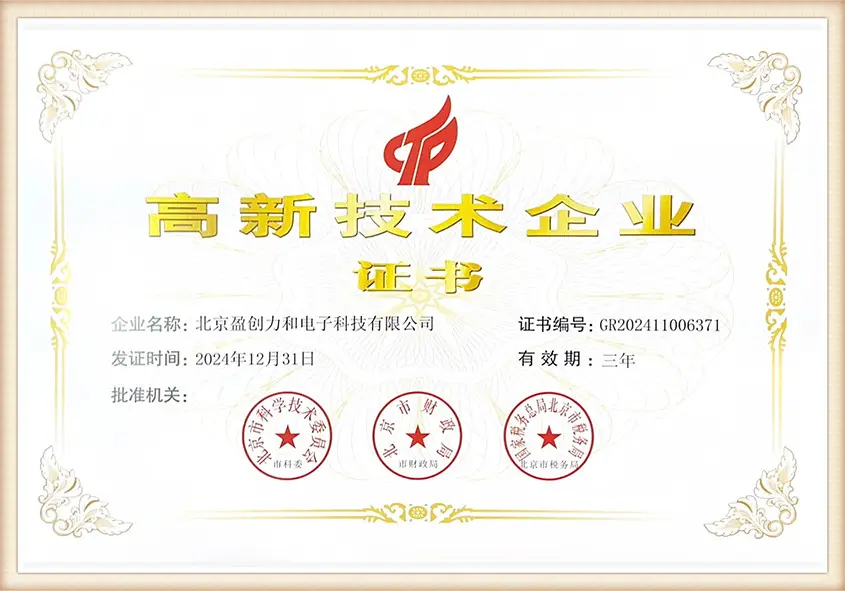
Industrial deployment of gas detection equipment requires compliance with occupational health and safety laws. For healthcare sterilization, equipment must align with ISO 13485 (Medical devices — Quality management systems) and meet FDA safety mandates. Our factory is fully certified under CE, FCC, and RoHS, ensuring our hardware integrates smoothly into certified systems globally.
We work closely with global engineering contractors to provide full documentation, batch test reports, and factory calibration certificates traceable to international standards, accelerating your on-site validation processes.
Transitioning from procurement to field setup requires strong engineering support. We provide localized integration toolkits, detailed API references, and direct connection maps for major software environments.
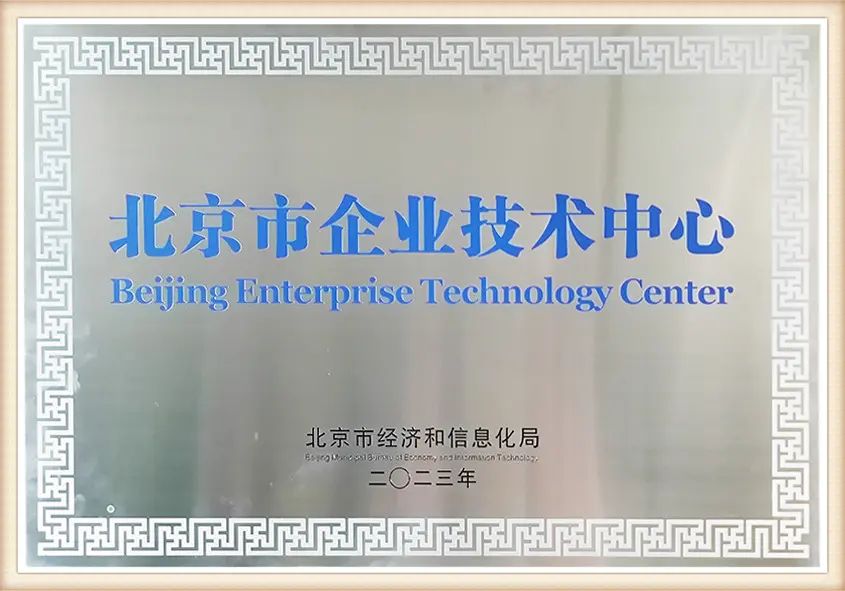
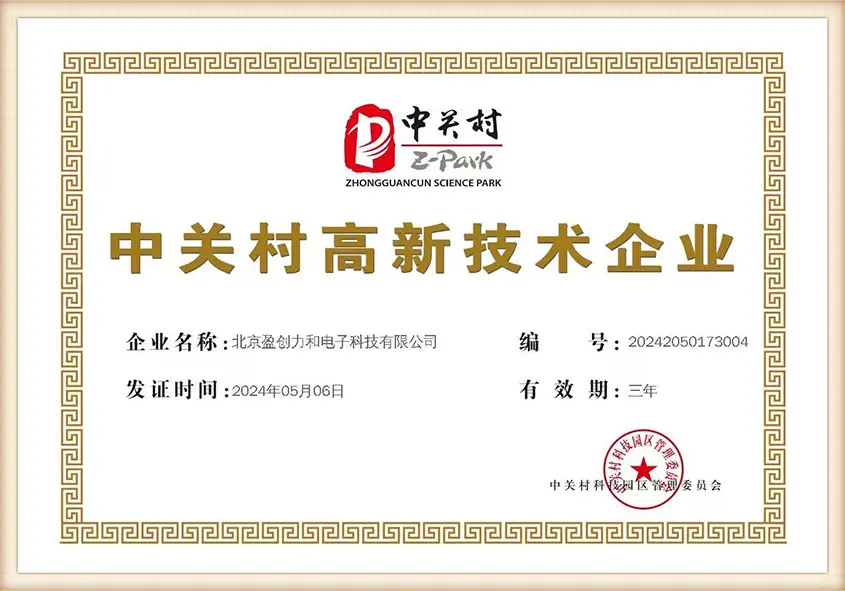
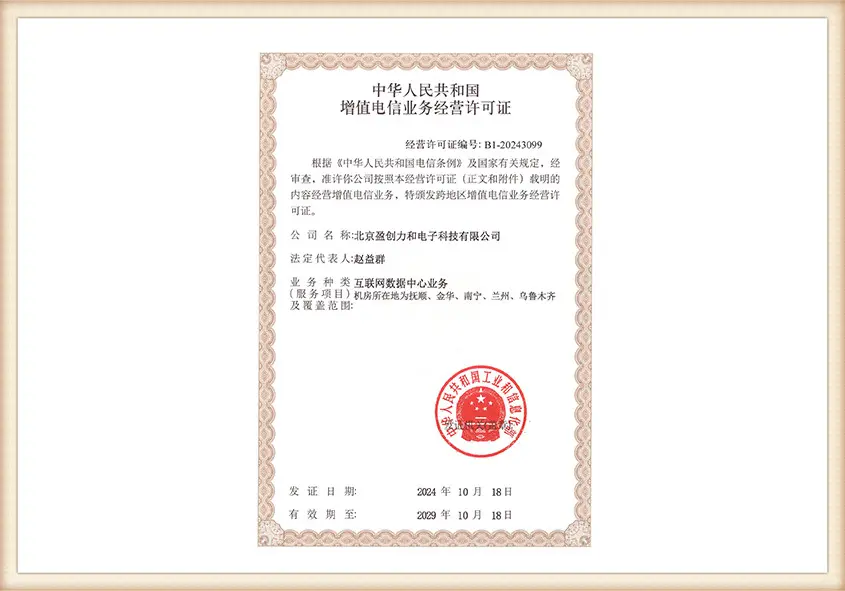
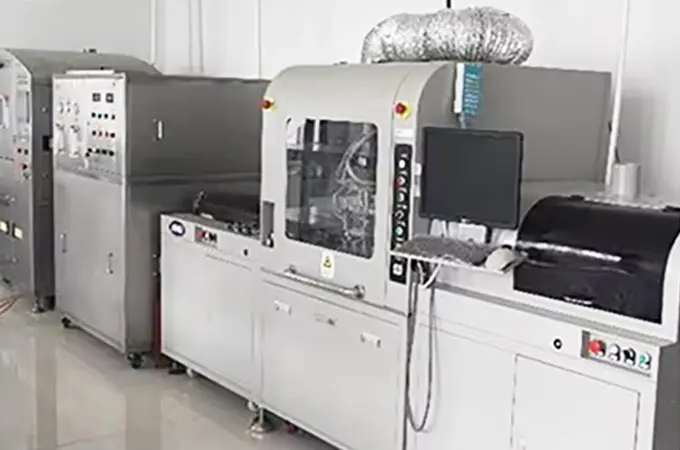
Operating our 1,500+ square meter facility in Beijing allows us to combine robust industrial infrastructure with agile engineering capabilities. Our supply network guarantees short lead times and stable component pricing, even during global material shifts.
By using automated SMT, professional calibration setups, and environmental chambers, we maintain high yield rates. This keeps our production cost-effective and ensures every unit shipped matches our stringent quality standards.
Additionally, our close location to major shipping hubs allows us to manage global logistics efficiently. We offer flexible sea, air, and express options, backed by customized customs clearance documentation.
Purchasing gas sensing systems for global deployment requires careful attention to system compatibility. For large-scale plants, sensors must communicate seamlessly with existing machinery and control protocols. We configure our hardware to support standard protocols like Modbus RTU, BACnet/IP, and MQTT, facilitating clean connections without custom middleware.
Additionally, hardware must stand up to challenging environments. Industrial sterilization processes expose sensors to strong vacuums, extreme relative humidity changes, and chemical sterilants. Our gas sensing modules feature specialized gas diffusion membranes and chemically inert housings to ensure reliable operation under these conditions.
We work closely with your engineering teams, providing 3D CAD files, electrical schematics, and prototype units to help keep your integration projects on schedule.
Modern sensors do more than read gas levels; they actively track their own health. Embedded self-diagnostic systems check catalyst status, monitor baseline drift, and alert teams before maintenance issues occur.
We are developing hybrid sensors that pair electrochemical detection with optical infrared (NDIR) technology. This hybrid approach delivers excellent accuracy for lower ppm ranges alongside robust long-term reliability.
Wireless setups continue to gain traction in large facilities. Our LoRaWAN-enabled sensors, like the APEM-5616 Pro, transmit stable data over several kilometers, cutting cabling costs and simplifying complex installations.
Our ultra-low-power sensing designs allow remote nodes to run on battery power for years, bringing reliable monitoring to off-grid utility areas and transport logistics networks.




Complete your monitoring network with our versatile telemetry instruments designed for industrial safety and regulatory compliance.
 YCLH Sensor