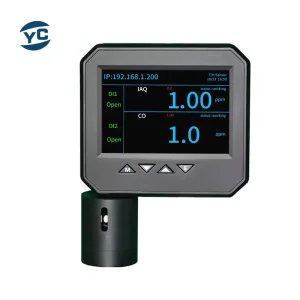
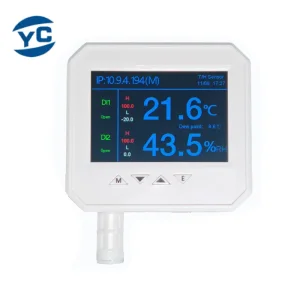
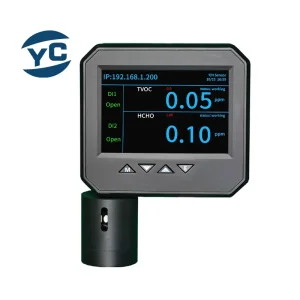
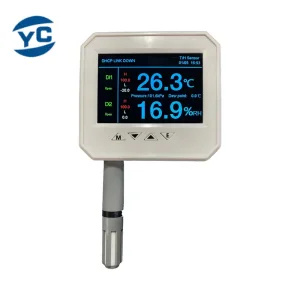
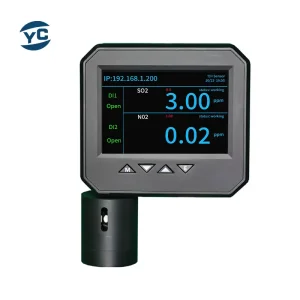
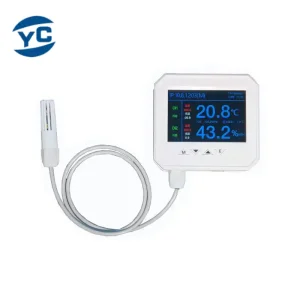
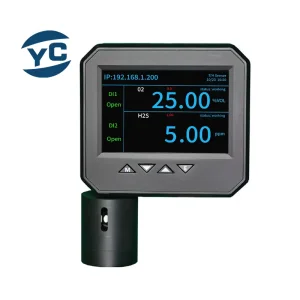
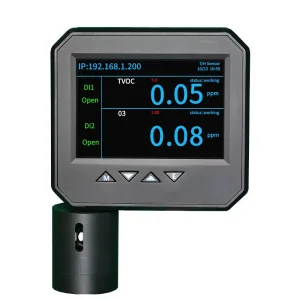
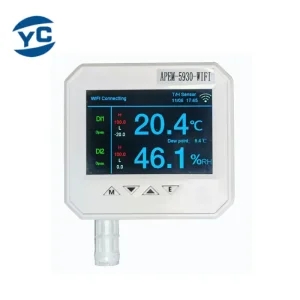
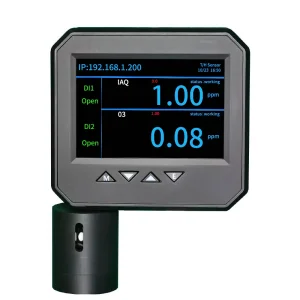
Explore our flagship industrial telemetry devices, integrating high-precision sensors with PoE, Wi-Fi, and LoRaWAN architectures.
An authoritative analysis of industrial gas telemetry, localization mechanics, and high-integrity supply chain dynamics.
Executive Summary: As global industrial automation, smart city infrastructure, and critical environmental monitoring demand higher reliability, understanding the specific engineering parameters of oxygen and gas sensors is paramount. Customization of sensor specifications—ranging from electrochemical response profiles to POE-enabled data logging—is no longer a luxury, but a core component of system design. This whitepaper details the engineering realities, localized deployment scenarios, and production frameworks necessary for implementing high-performance gas sensors.
Oxygen sensors, specifically those designed for industrial gas telemetry, operate under strict electrochemical, zirconia-electrolyte, or optical (luminescence quenching) principles. In electrochemical cells, oxygen diffuses through a membrane and undergoes a reduction reaction at the working electrode, generating a current directly proportional to the gas concentration. When drafting custom oxygen sensor specifications, engineers must define critical variables such as response time (T90), baseline drift, cross-sensitivity to trace gases (like H₂S, CO, and SO₂), and the expected operational lifespan (typically 2 to 5 years depending on the cell chemistry).
Additionally, the integration of ambient temperature and relative humidity metrics is vital. Oxygen sensor electrolytes are sensitive to humidity drops, which can lead to dehydration and subsequent signal loss. Conversely, high-humidity environments run the risk of water condensation blocking the capillary diffusion barriers. Thus, implementing an onboard high-precision sensor chip—such as those imported from leading German or Swiss semiconductor manufacturers—enables real-time temperature and humidity compensation algorithms, maintaining baseline stability across a broad spectrum of ambient configurations (-40°C to +85°C).
Industrial sensors do not operate in a vacuum; they must perform consistently across diverse environmental realities. By examining real-world deployment data, we can classify localized application needs:
Oxygen deprivation and ambient safety monitoring are critical to protect onsite technicians during nitrogen-based gaseous fire suppression events. Sensors also monitor humidity and atmospheric pressure to prevent electrostatic discharge or micro-condensation on PCB boards.
In deep wells, smart drainage shafts, and water pipeline networks, oxygen concentration must be measured alongside toxic hydrogen sulfide (H₂S) and carbon monoxide (CO) levels. Multi-parameter telemetry prevents fatal occupational exposure.
Preservation of historical artifacts and sensitive biological samples requires precise dew point and atmospheric pressure parameters to prevent degradation. Custom Ethernet gas logs ensure continuous cloud recording with minimal drift.
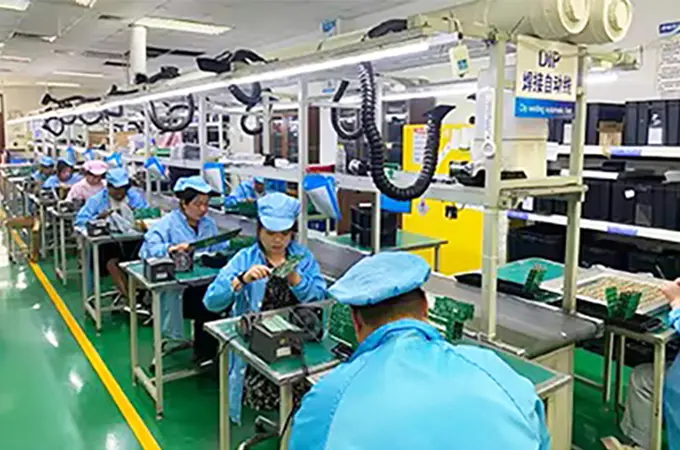
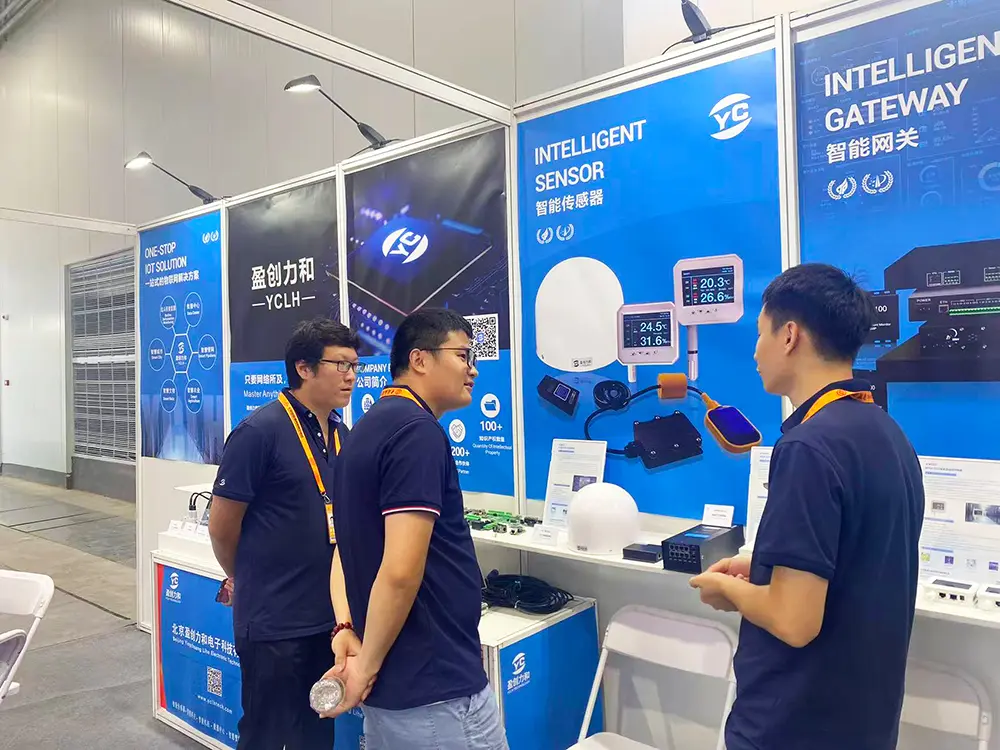
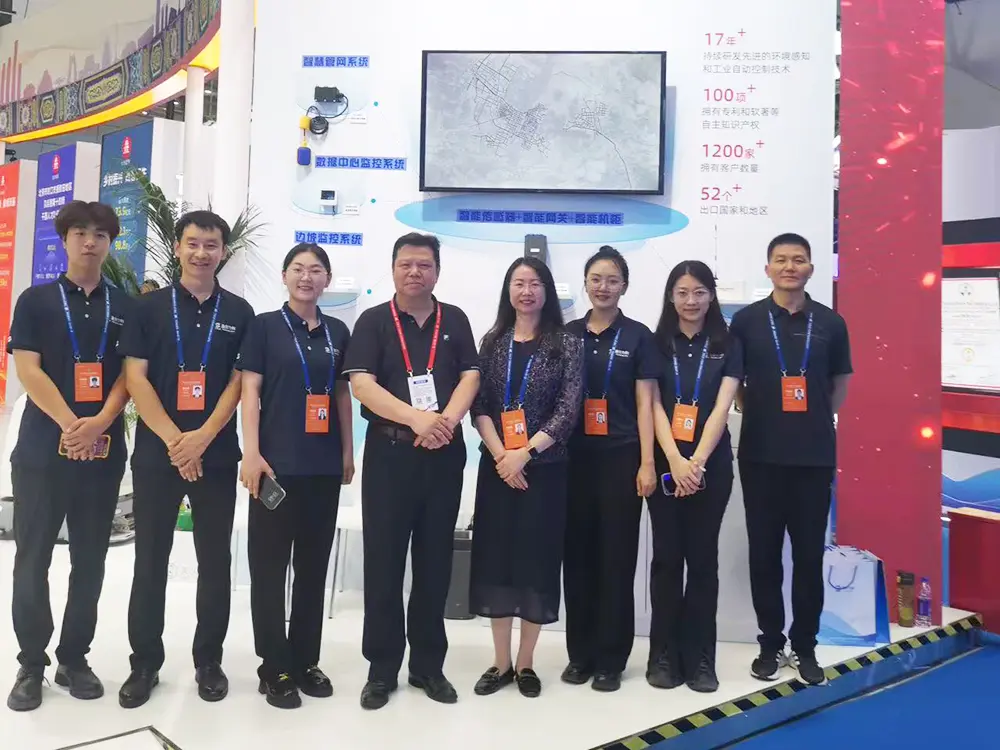
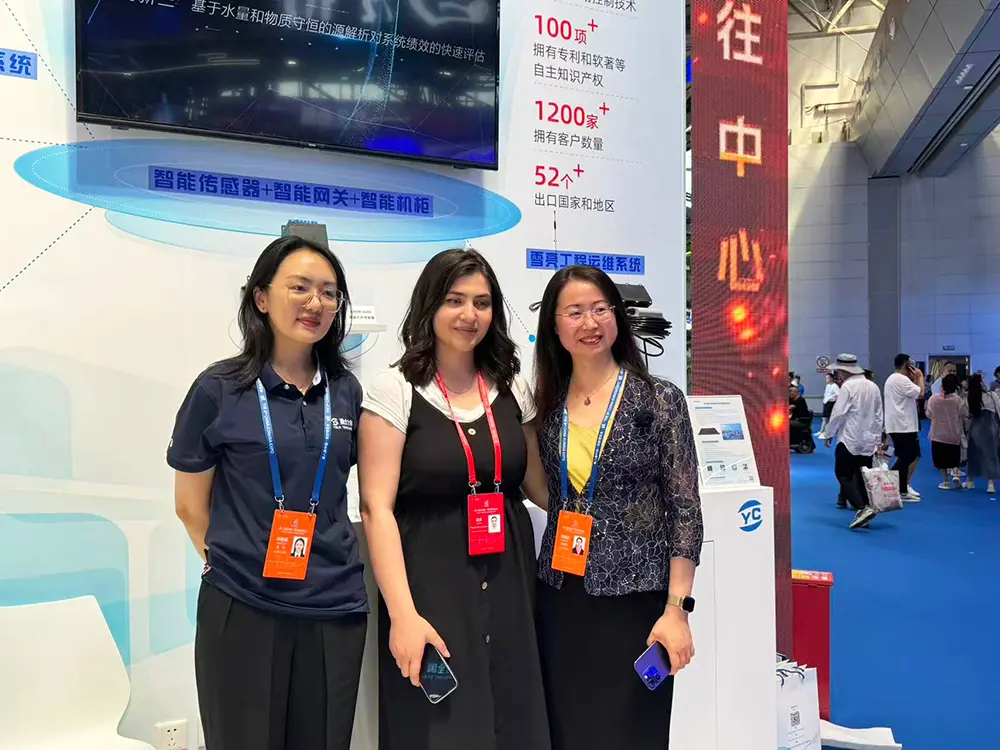
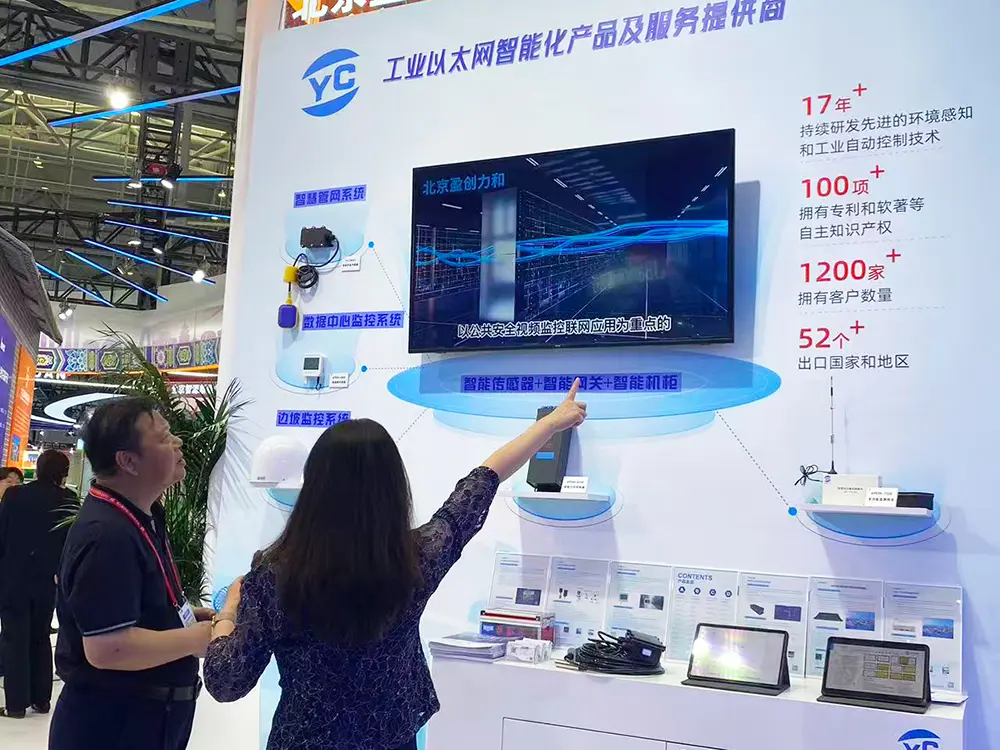
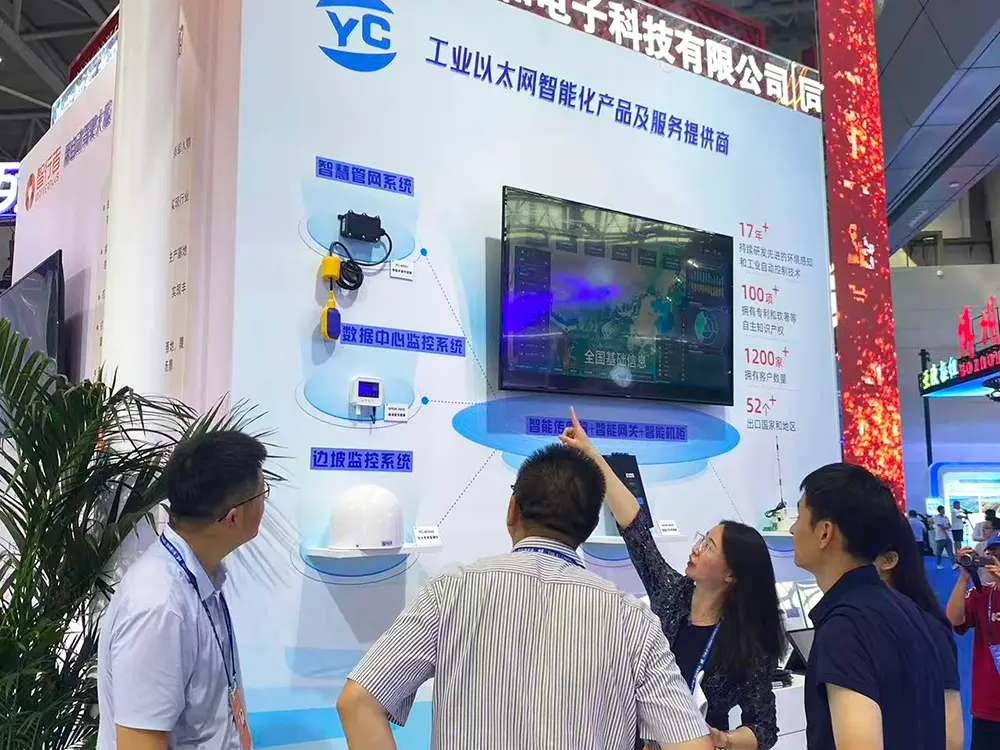
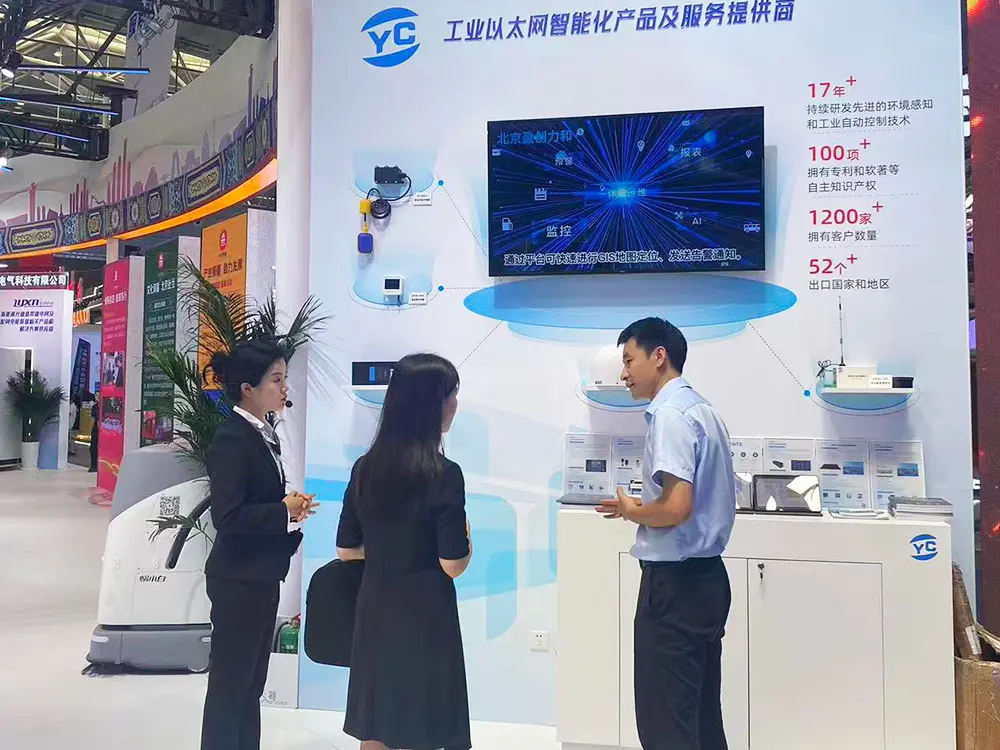
Established in 2007, Beijing Yingchuanglihe Electronic Technology Co., Ltd. has developed into a premium environmental sensor manufacturer. From initial TCP/IP terminals to complex multi-parameter networks, our 1,500+ square meter facility in Beijing operates five automated assembly lines. Our primary competitive advantage lies in utilizing imported Swiss and German sensor components, backed by strict CE, FCC, and RoHS certifications. Responsive global support and OEM/ODM engineering allow us to deliver bespoke architectures for high-speed rail, telecom infrastructure, and water utility networks.
The sensor landscape is shifting from standalone telemetry transmitters to networked intelligent edge gateways. Early industrial standards relied primarily on legacy RS-485 Modbus RTU communication loops. While reliable, serial wiring introduces complexity and limits scalability. Our product design roadmap integrates Power over Ethernet (PoE) and wireless protocols (Wi-Fi, LoRaWAN) directly into the sensor node.
This convergence enables dual-mode transmission: wired Ethernet acts as the primary data pipe, and local Wi-Fi bridges any unexpected link disruption. For remote settings or infrastructure lacking physical cable routes, low-power long-range LoRaWAN architectures send data up to 10 kilometers. By embedding edge computing capabilities inside the APEM series, the unit processes signal filtration, performs self-calibration protocols, and outputs clean environmental metadata directly to cloud management platforms without requiring external intermediate compute modules.
Global supply chains are increasingly vulnerable to geo-economic shifts, raw material scarcity, and transportation bottlenecks. Ensuring reliable delivery cycles demands local vertical integration. By centering our production facilities in Beijing, China, Yingchuanglihe leverages the country's comprehensive electronic component ecosystems, advanced manufacturing pipelines, and transport networks.
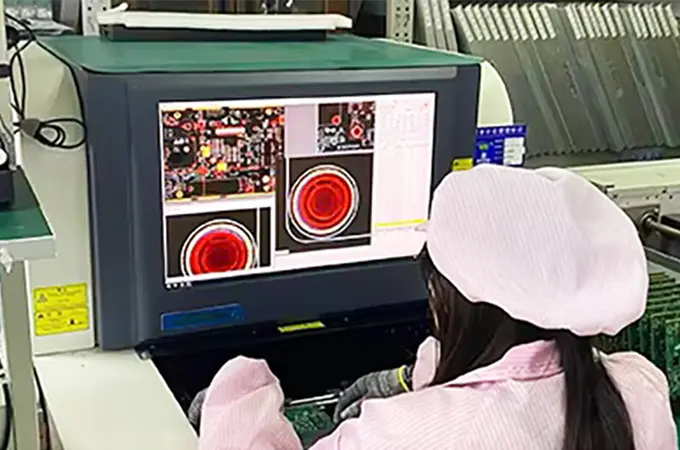
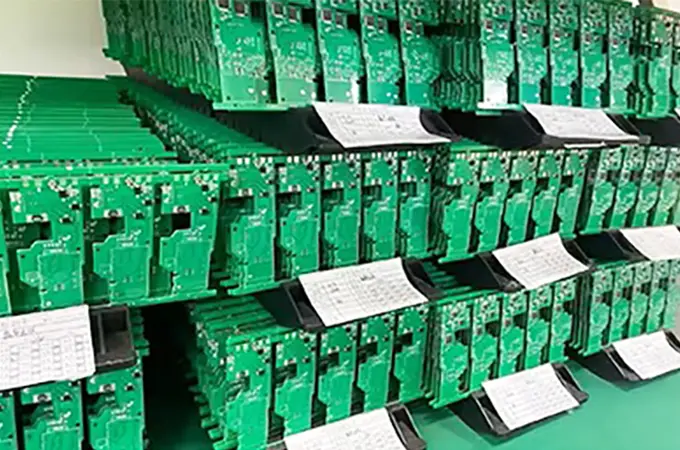
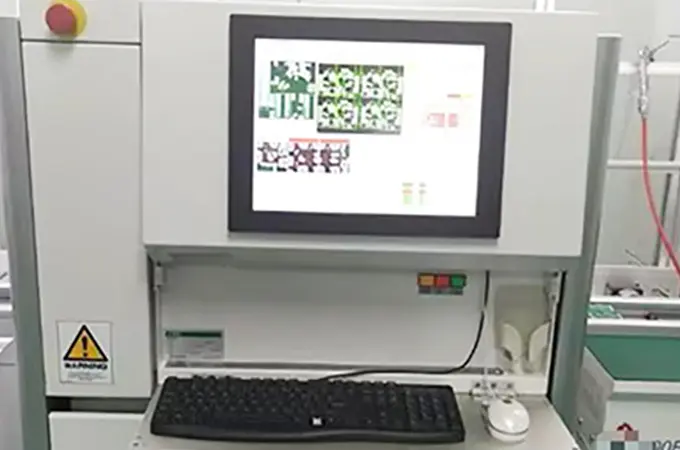
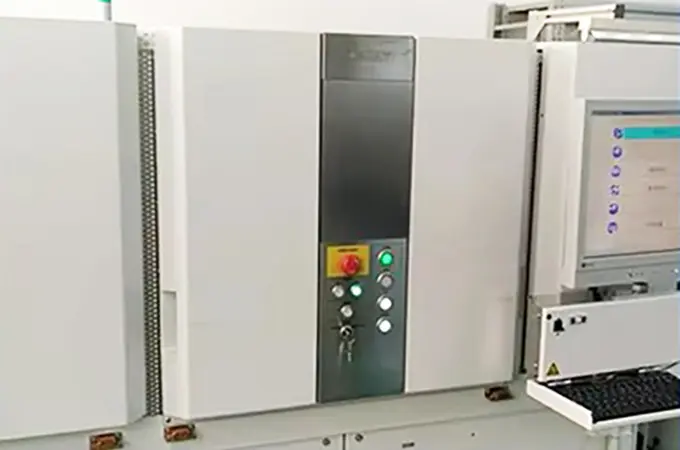
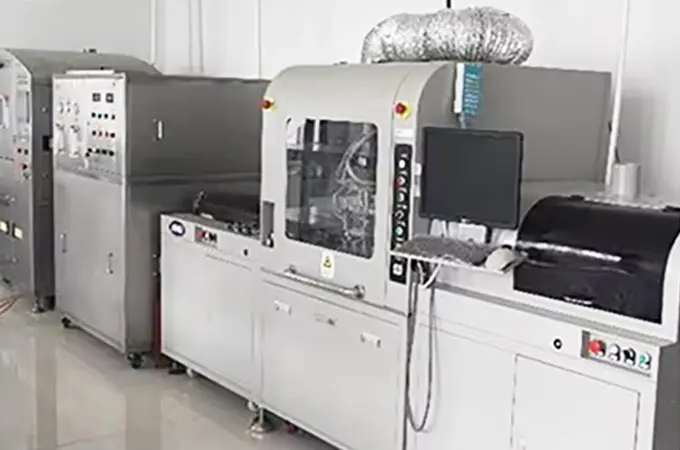
Our automated production runs on a five-line schedule, reducing lead times to 5-15 business days for standard and customized runs. Our close partnerships with semiconductor distributors in Europe and Asia guarantee component availability, preventing project delays for international telemetry integrations. Every sensor batch goes through rigorous environmental chamber testing, high-temperature aging, and multi-point calibration to meet global quality standards.
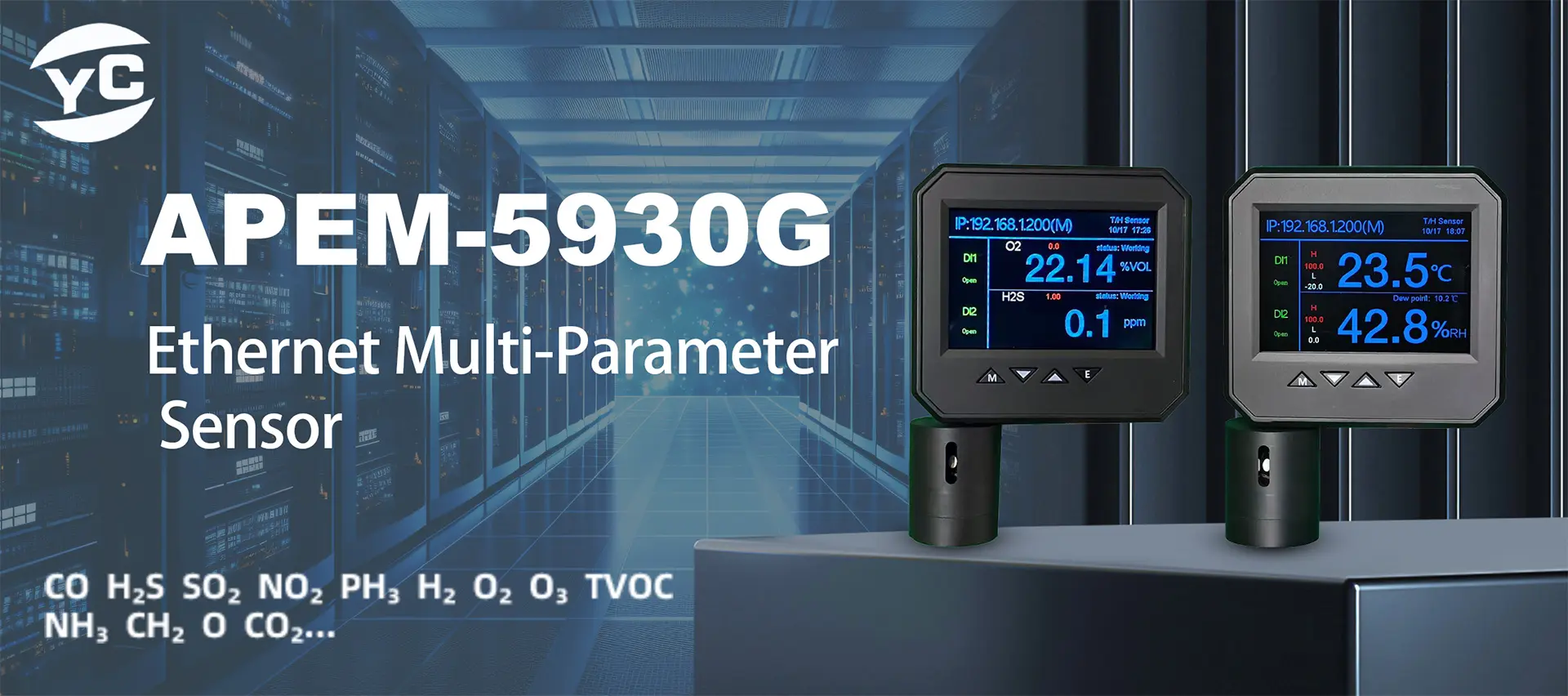
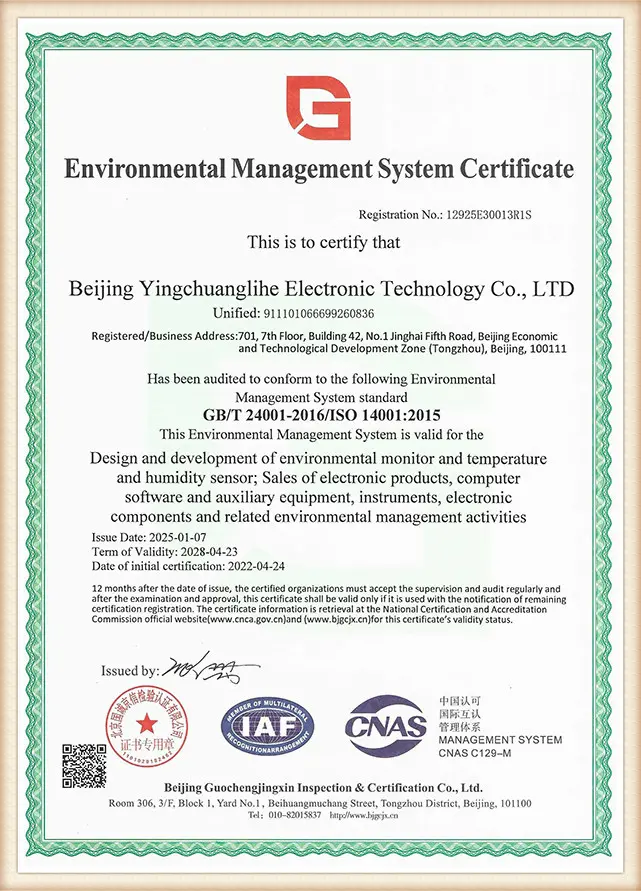
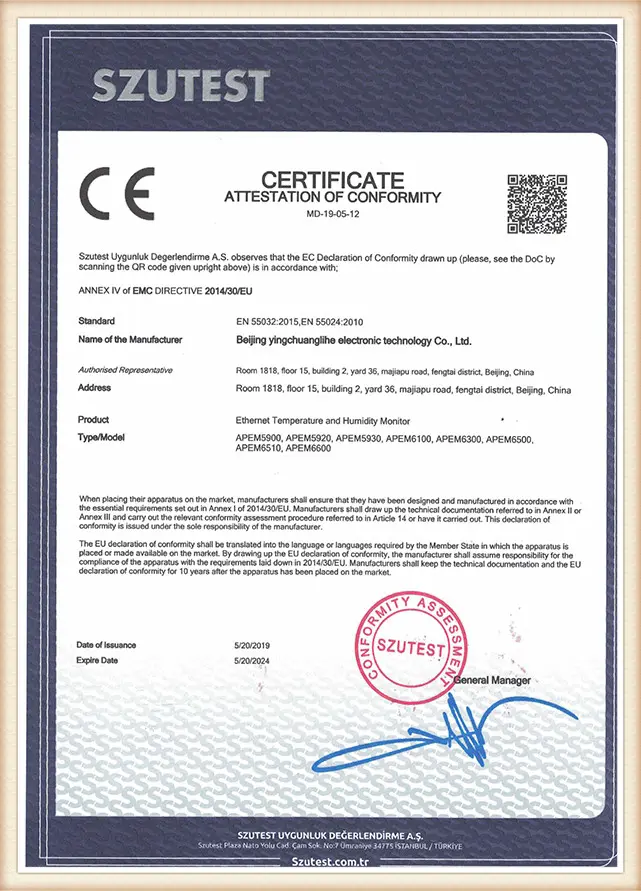
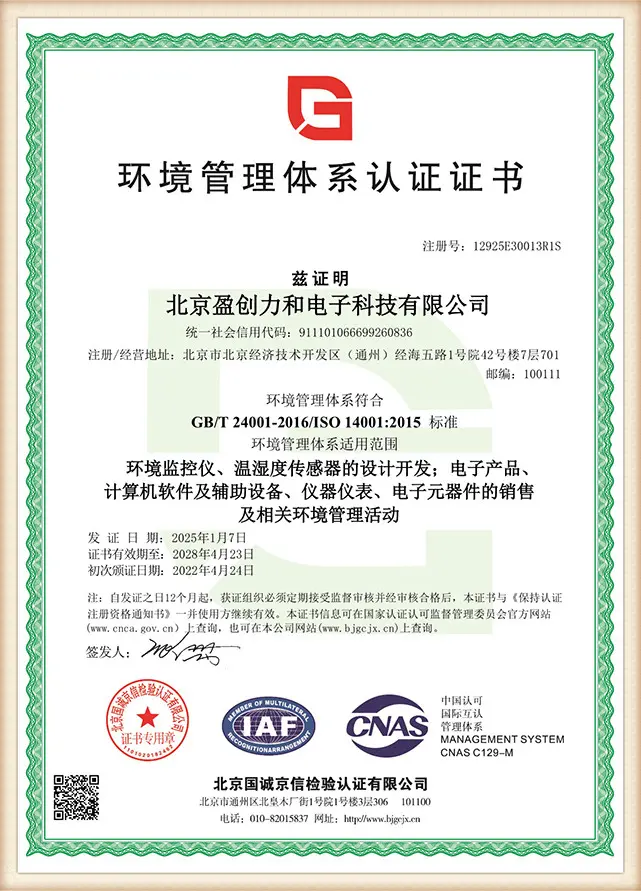
Navigating regulatory compliance is essential for industrial hardware deployment. Our core telemetry configurations conform to European CE standards, US FCC mandates, and the RoHS directive limiting hazardous substances. Our product lines also support standard APIs and open protocols, ensuring easy integration with legacy SCADA systems, industrial PLCs, and third-party IoT monitoring platforms.
To support our global customers, we maintain a dedicated technical team that responds to inquiries within eight hours, offering assistance from initial specification design through layout configuration and final field commissioning.
A history of pioneering breakthroughs in environmental telemetry and integrated industrial sensing solutions since 2007.
Founded and developed an intelligent environmental monitoring terminal based on the TCP/IP network protocol. Developed the first version of our dedicated software.
Partnered with Mocha Software to launch the TH-5939 series of environmental monitoring devices, supporting standard SNMP network protocol integrations.
In partnership with Switzerland's COMLAB, launched the TH-5869 protective Ethernet monitor, deployed on key high-speed rail lines like Beijing-Kowloon and Beijing-Shanghai.
Collaborated with Founder Technology to launch the APEM-6100, one of the earliest environmental monitoring units to integrate Power over Ethernet (PoE).
Collaborated with Foxconn, establishing the company's products as a standard for environmental monitoring in production workshops.
Launched the next-generation APEM-5900 with Baidu, deployed at their Yangquan Data Center. Upgraded software to support multi-parameter monitoring systems.
Introduced a smart solutions system for diverse environmental monitoring, expanding horizontally beyond smart data centers.
Launched an integrated outdoor cabinet monitoring system, deployed in Huawei and China Merchants Huaruan ETC expressway projects.
Developed road test integrated boxes and edge computing gateways for Beijing's high-level autonomous driving initiatives.
Provided critical technology support for environmental monitoring in intelligent computing centers and infrastructure.
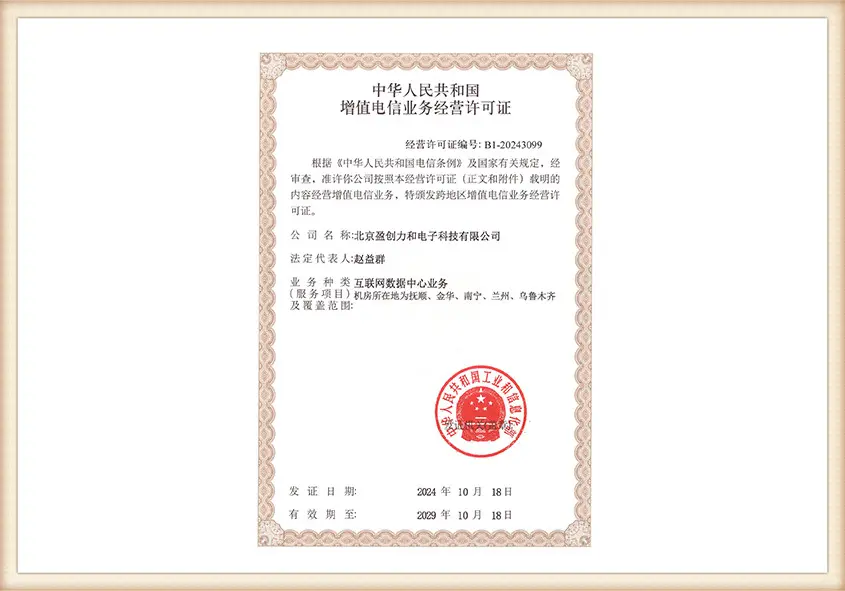
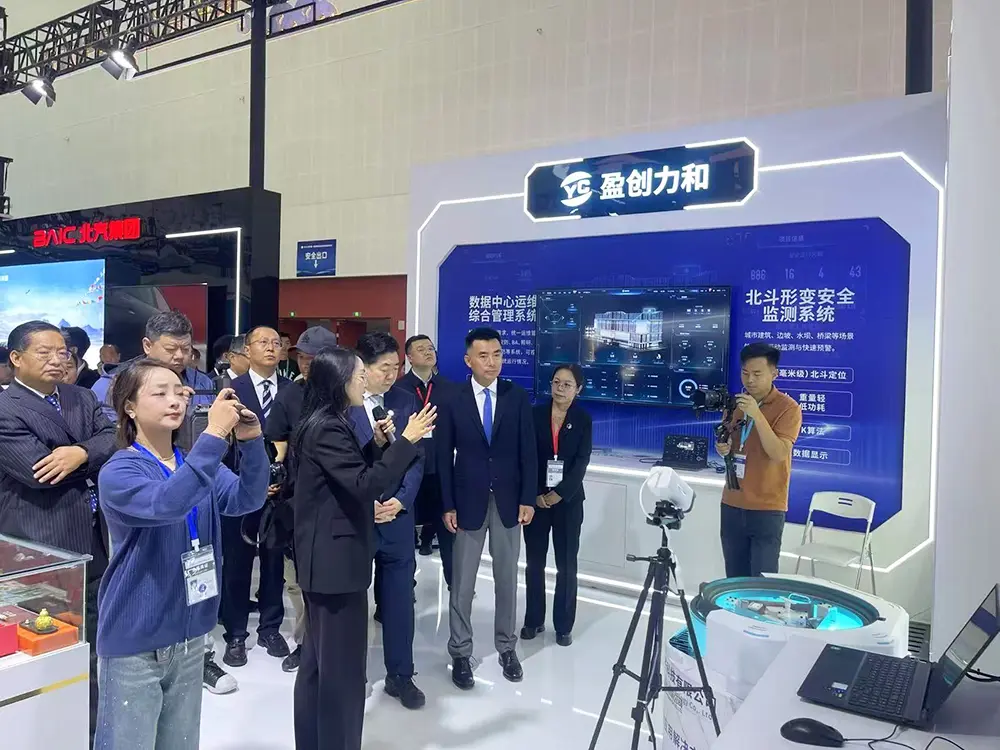
Established joint business divisions with Beijing Enterprises Water Group and co-founded a Beidou division with Beijing University of Civil Engineering and Architecture. Achieved breakthroughs in smart pipeline and high-precision deformation monitoring, and secured IDC business qualifications.
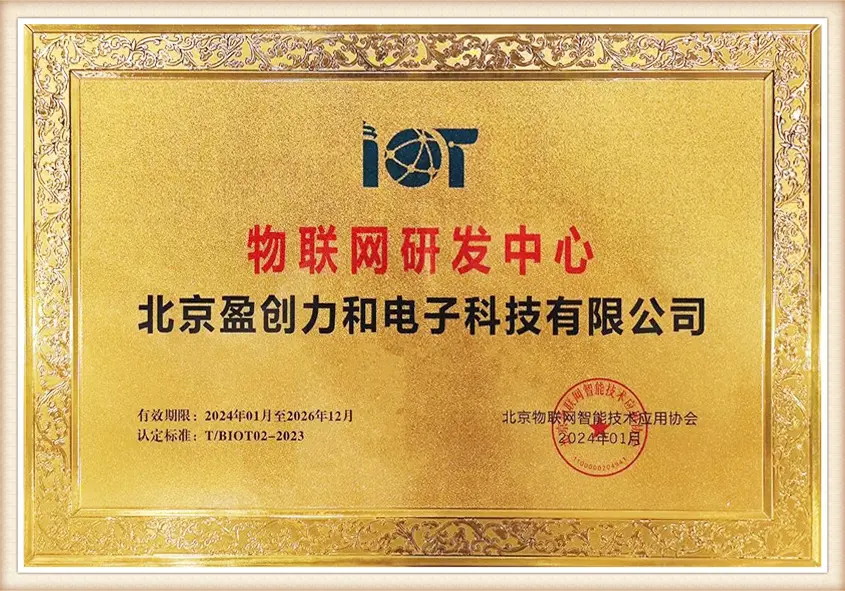
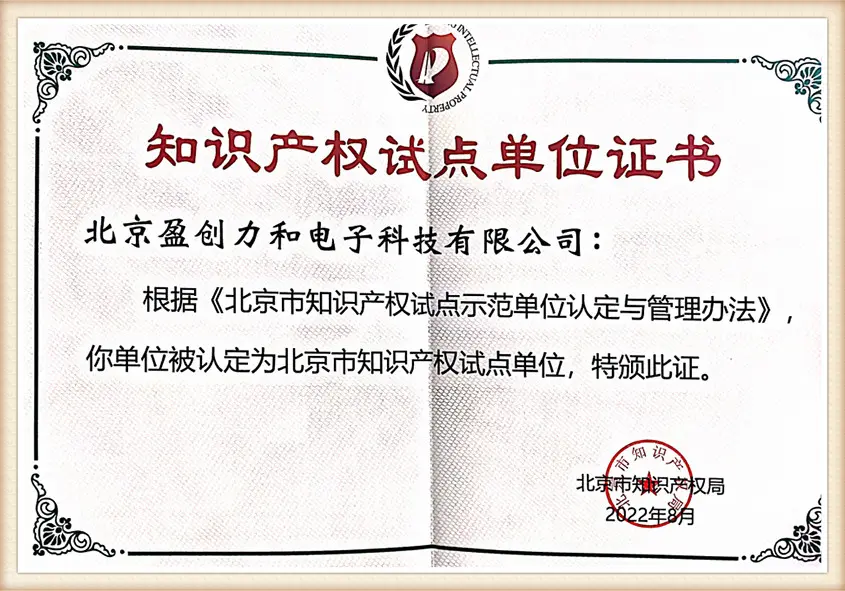
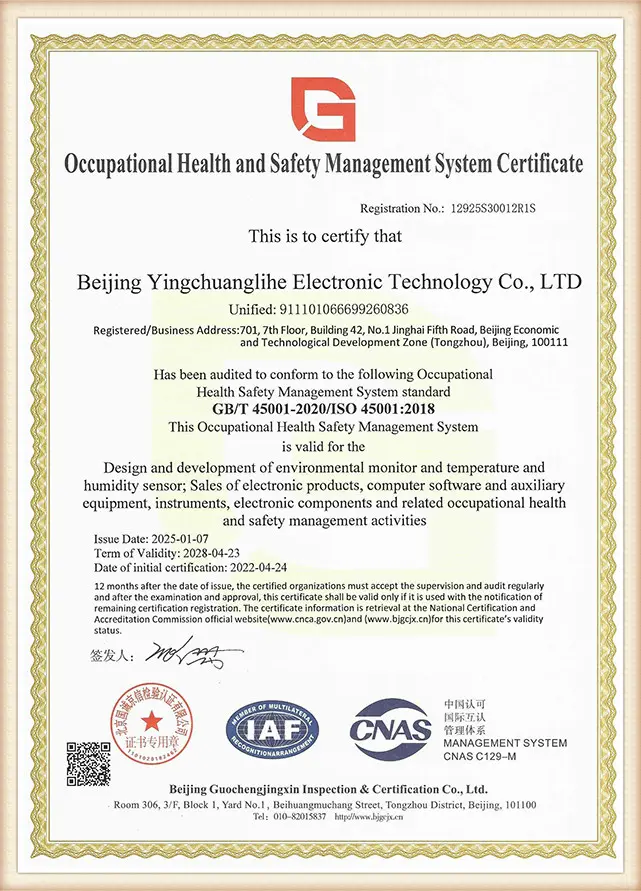
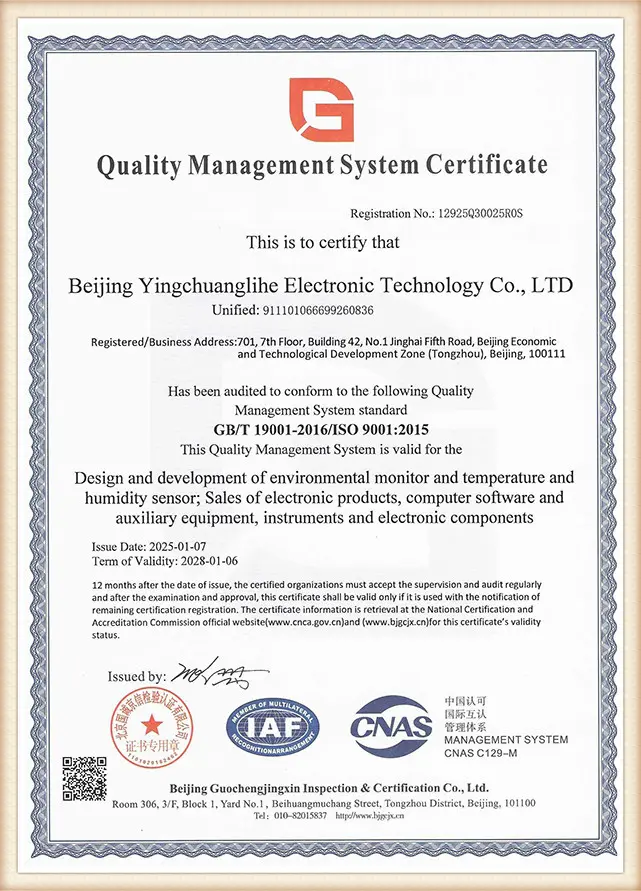
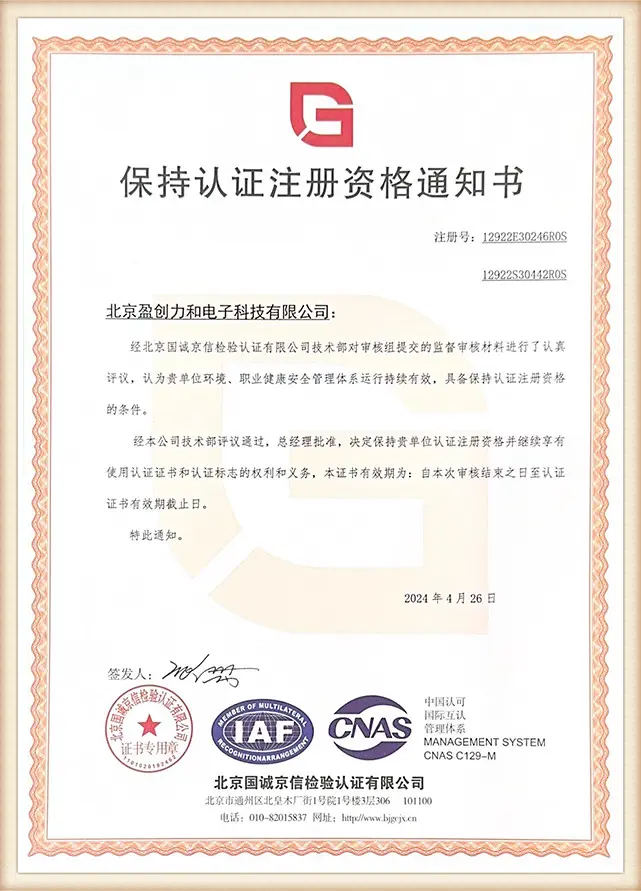
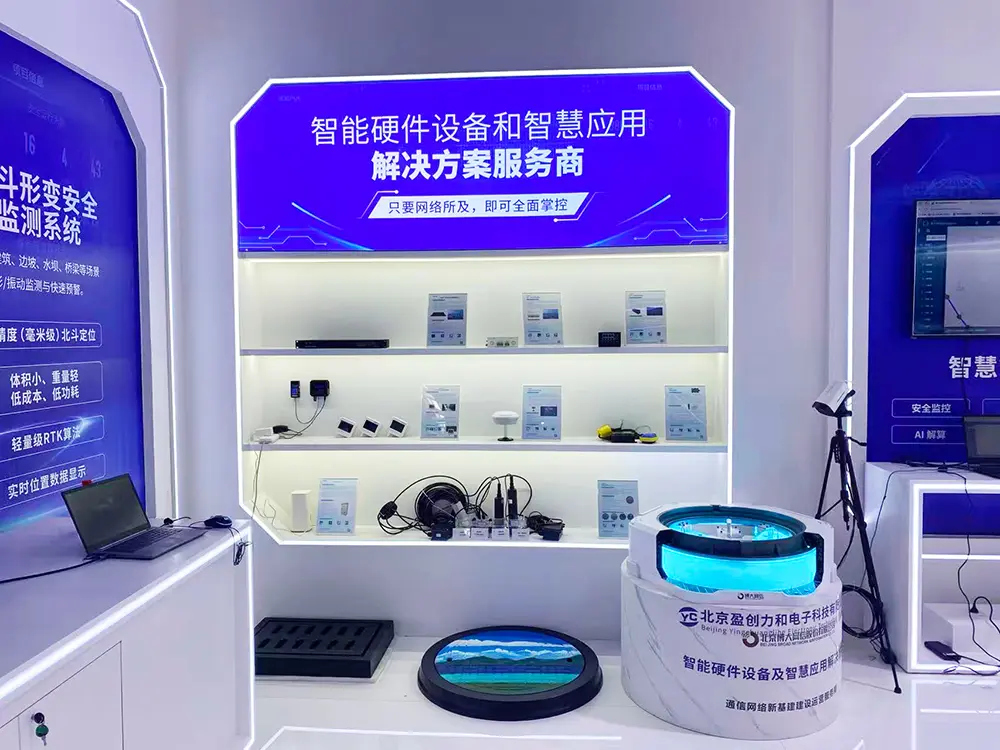
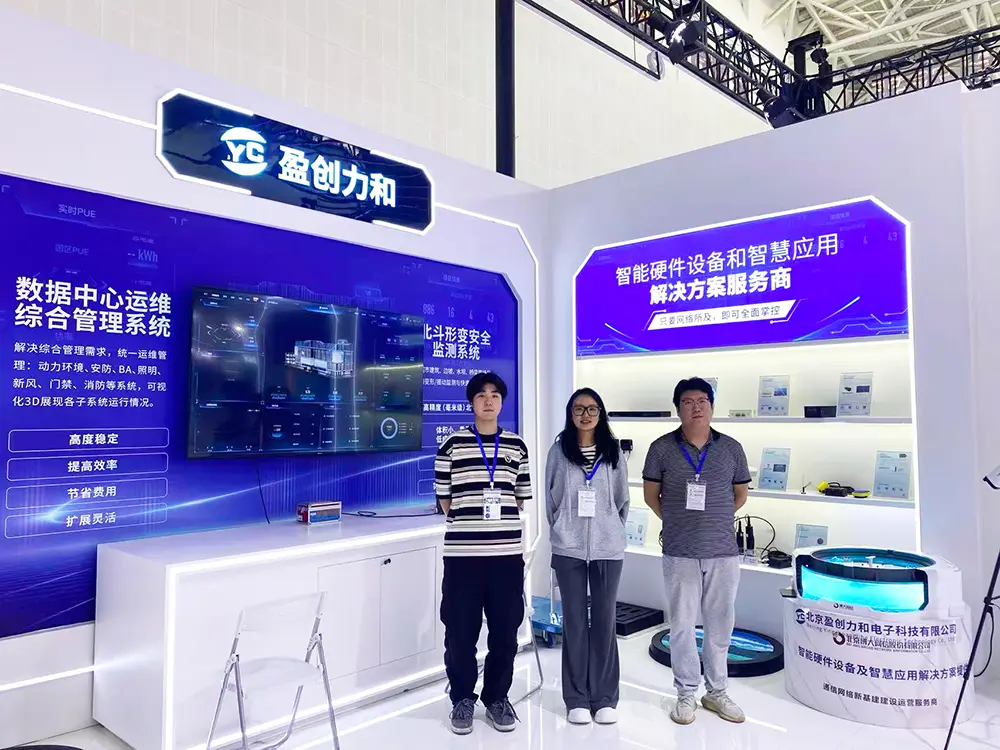
Our products are engineered to comply with strict international regulatory frameworks and tested in real-world scenarios.
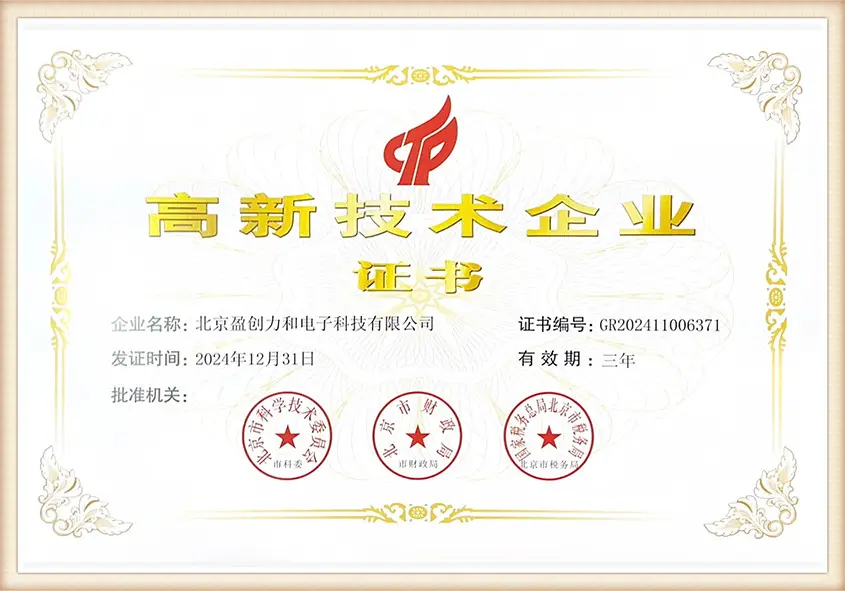
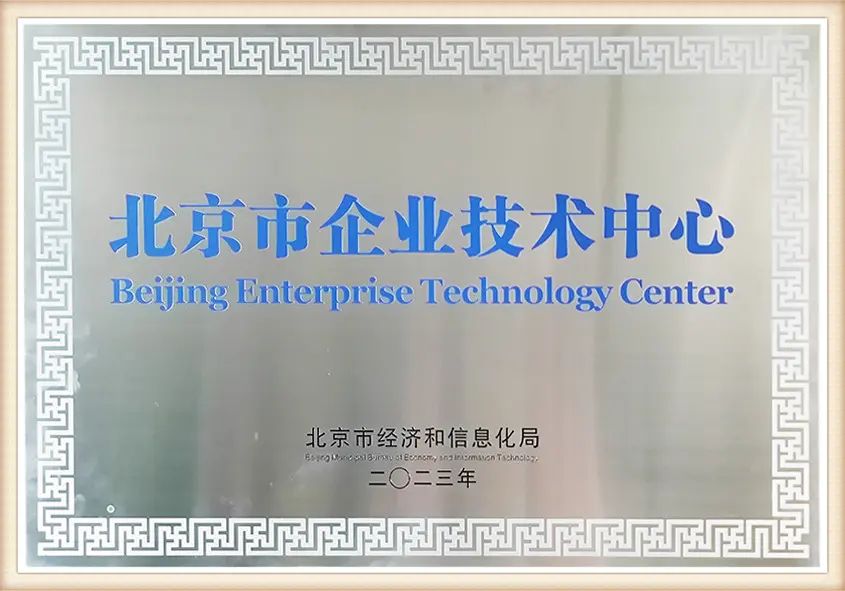
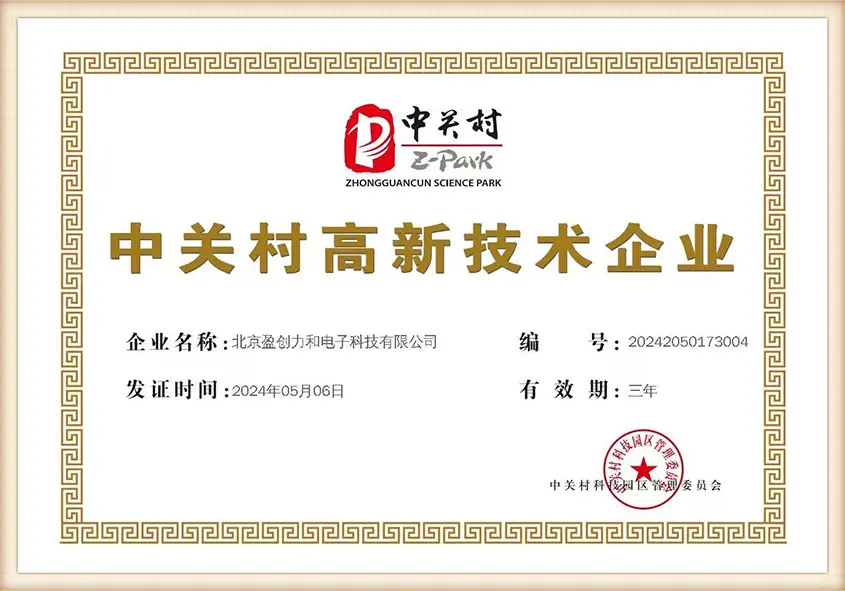
Expert answers to critical engineering, deployment, and integration questions.
Explore our customizable multi-parameter systems, offering precise ambient pressure, dew point, and VOC logging.
 YCLH Sensor