Explore our top-tier collection of Ethernet, LoRa, and multi-parameter temperature and humidity transmitters designed for extreme industrial applications.
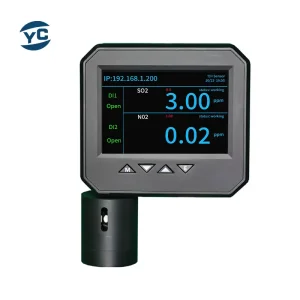
High-performance industrial-grade sensor combining temperature, humidity, and toxic gases monitoring over Ethernet.
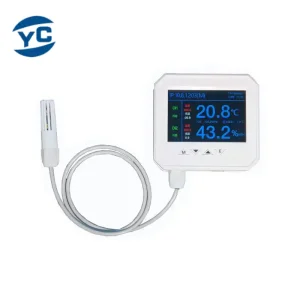
Features external split probes for narrow ducts, chambers, or high-temperature environments with direct factory pricing.
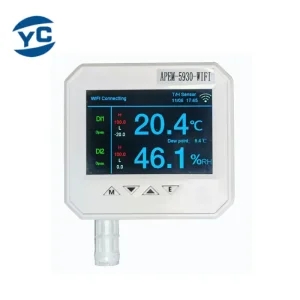
Designed for smart office buildings with dual-mode Ethernet/WiFi interfaces for versatile network setups.
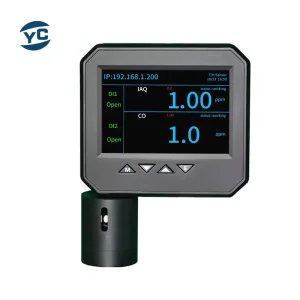
Integrates carbon monoxide and indoor air quality sensors with onboard storage for robust backup data logging.
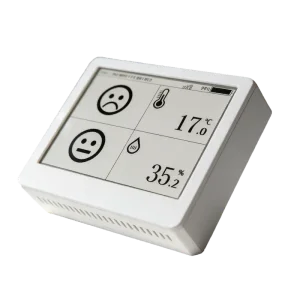
Low-power long-range transmitter with local visual readout via an ultra-low energy e-Ink panel display.
Offers configurable transmission intervals and customized antenna configurations for metal-heavy environments.
Ruggedized outer casing options suitable for both commercial spaces and exposed outdoor processing sites.
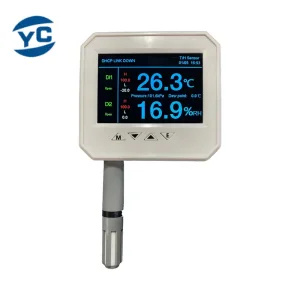
Comprehensive atmospheric pressure monitoring integrated alongside high-precision thermal-humidity sensors.
Understand the underlying technology, drift management systems, and protocols that distinguish industrial-grade instrumentation from commercial sensors.
Industrial temperature and humidity transmitters rely on sophisticated capacitive thin-film polymer structures to capture relative humidity (RH). These polymers change their dielectric constant proportionally to ambient moisture, providing rapid response times (under 8 seconds for t90) and highly predictable temperature coefficients. Unlike cheaper resistive sensors that deteriorate quickly in condensing conditions, our imported Swiss and German capacitive elements self-recover from full saturation, securing continuous accuracy in pharmaceutical, petrochemical, and cleanroom environments.
Long-term reliability in harsh environments hinges on low drift indicators. Industrial applications demand transmitters with drift metrics below <0.25% RH and <0.03°C annually. Beijing Yingchuanglihe implements rigorous multi-point chamber calibrations referenced against primary standard chilled-mirror hygrometers. Built-in microprocessor algorithms apply real-time polynomial linearization and temperature-offset corrections, preventing measurement drift even under fluctuating operating conditions.
In modern industrial applications, engineers do not simply query "humidity sensor." Their search intents target reliable solutions resolving condensation protection, duct insertion lengths, Modbus RTU vs Modbus TCP integration, and Power over Ethernet (PoE) power budgets. Below, we address these detailed system requirements through macro industry solutions and technical analysis.
Combining high-precision European raw materials with agile, cost-optimized Chinese high-tech manufacturing ecosystems.
We source high-end micro-sensor dies directly from leading semiconductor manufacturers in Switzerland and Germany. These cores are integrated into our high-protection PCBs (IP65/IP67 enclosures) within our Beijing facility. This hybrid process combines peak European measurement performance with robust Asian manufacturing scale.
Our production pipelines follow standardized manufacturing procedures. The APEM product line holds complete CE, FCC, and RoHS certifications, ensuring seamless integration into public municipal projects, medical laboratories, and industrial data centers throughout Europe and North America.
Equipped with 5 automated production lines and an in-house engineering team, we accommodate rapid structural revisions. Whether you require custom probe lengths, specialized communication protocols (e.g., BACnet, SNMP, LoRaWAN), or bespoke co-branding, our technical support responds within 8 hours.
How modern industrial transmitters adapt to digital-first automation protocols and IoT frameworks.
Data centers demand continuous monitoring to prevent hot spots and electrostatic discharge. Transmitters like the APEM-5930 PoE (Power over Ethernet) series transmit data and receive power over a single RJ45 cable, significantly lowering installation costs. Integration with existing monitoring platforms via SNMP or Modbus-TCP guarantees prompt alerting when conditions deviate from optimal ASHRAE Thermal Guidelines.
In pharmaceutical and chemical laboratories, monitoring relative humidity and pressure differentials is essential to prevent cross-contamination. The APEM-5930P integrates temperature, humidity, dew point, and atmospheric pressure tracking into one interface, simplifying cleanroom validation and calibration audits.
Ducts and processing chambers often present temperatures exceeding the thresholds of standard PCBs. Using split-probe models like the APEM-5930E allows the high-performance Swiss sensor tip to operate inside the process stream while the delicate microprocessor and network interface remain safely protected outside.
Agricultural greenhouses and smart wells cover wide areas, making wired installations impractical. Our APEM-5736 LoRa series bridges this gap, offering up to 10 kilometers of wireless range. With ultra-low power consumption and a local E-ink display, technicians get on-site visibility along with telemetry to central servers.
Modern workplaces prioritize environmental safety. In response, our advanced APEM-5930G multi-parameter devices monitor temperature and humidity alongside target trace gases like SO₂, NO₂, CO, TVOC, HCHO, O₃, O₂, and H₂S. These all-in-one transmitters help manage indoor air quality and hazard mitigation from a single IP address.
Over 18 years of technical evolution and large-scale industrial partnerships.
Founded the company and introduced our initial TCP/IP environmental monitoring terminal and control software.
Partnered with Mocha Software to launch the SNMP-enabled TH-5939 series. Collaborated with COMLAB (Switzerland) to implement the protective TH-5869 model across Chinese high-speed railway projects.
Launched the early PoE-enabled APEM-6100 with Founder Technology. Partnered with Foxconn to establish our sensors as standard instrumentation within production facilities.
Deployed the APEM-5900 intelligent network terminal at Baidu's Yangquan Data Center. Expanded into integrated outdoor cabinet monitoring systems for Huawei and ETC expressways.
Provided road-test edge computing equipment for Beijing's autonomous driving infrastructure and developed sensor solutions for major intelligent computing centers.
Established joint business divisions with Beijing Enterprises Water Group and co-founded the Beidou pipeline deformation monitoring division. Obtained official IDC business licensing.
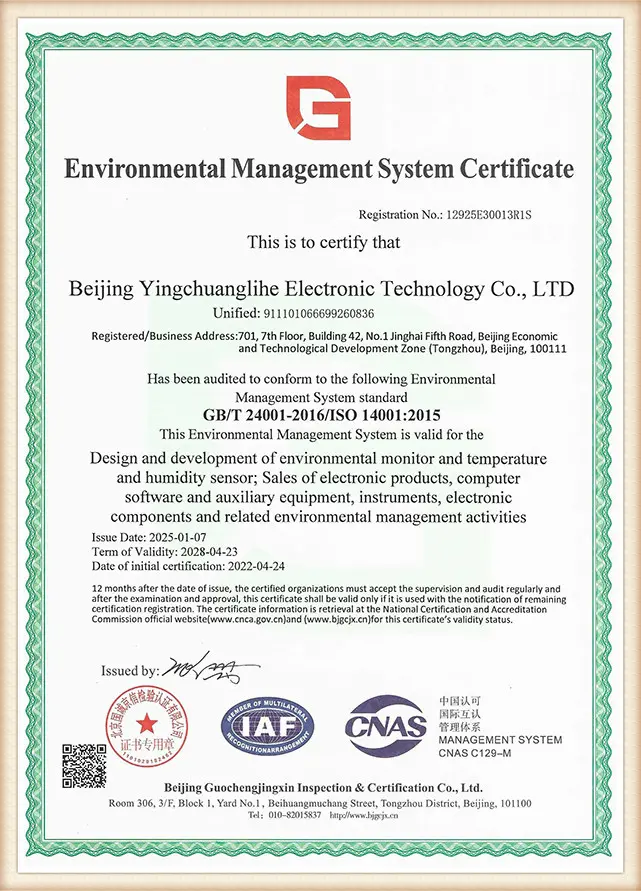
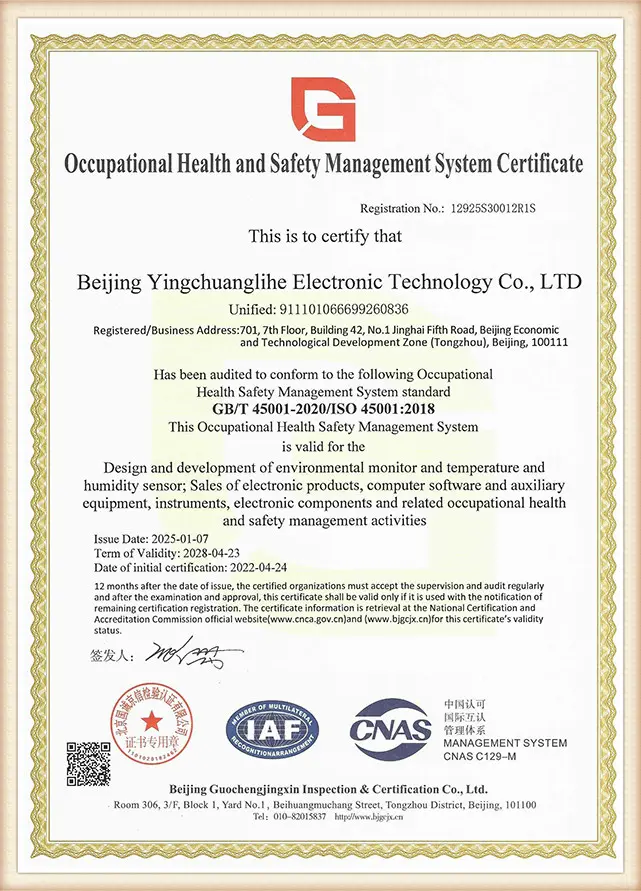
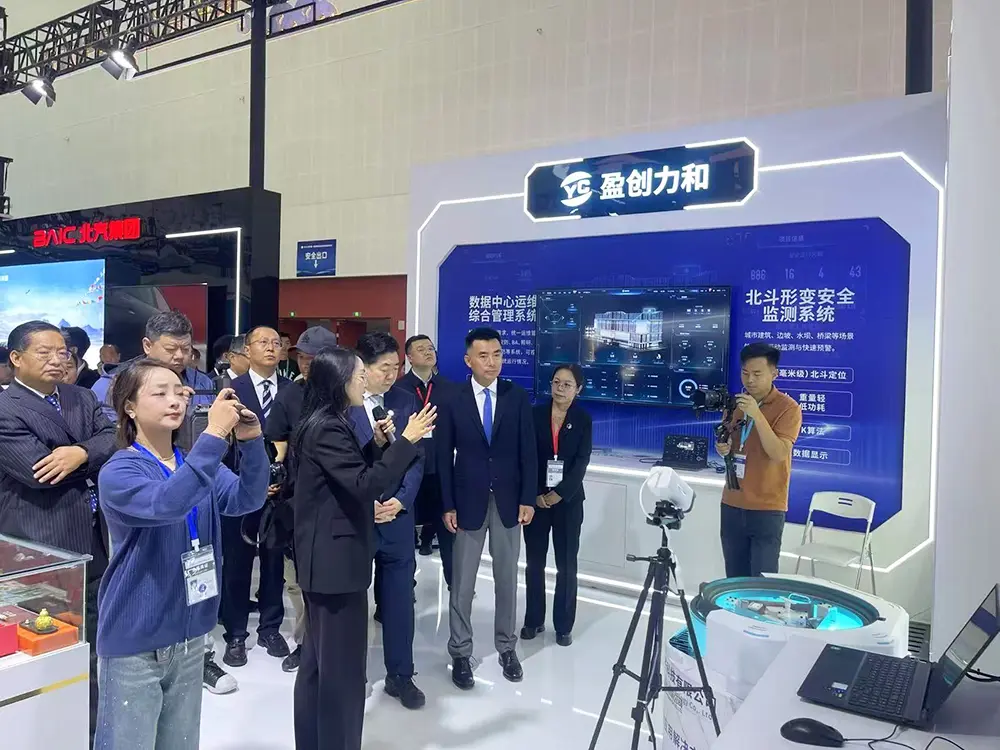
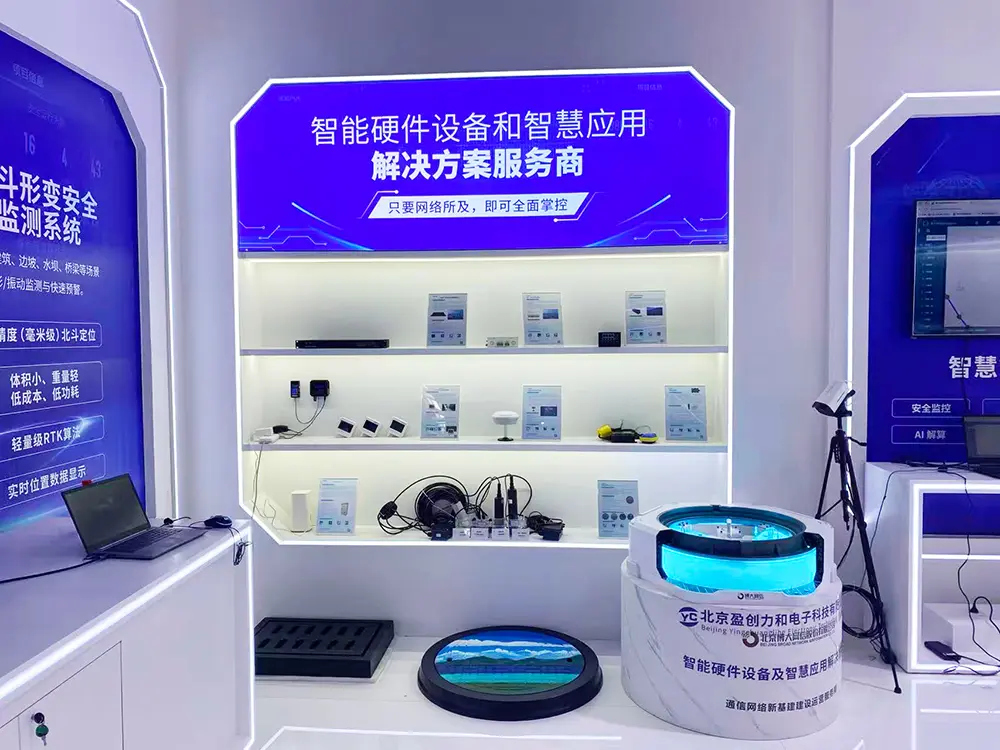
Demonstrating verified manufacturing standards and active industry engagement.
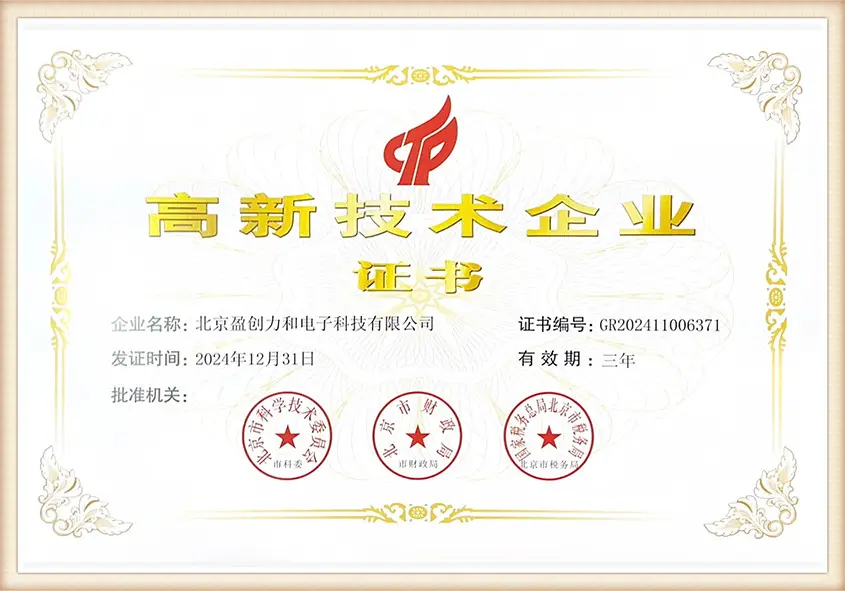
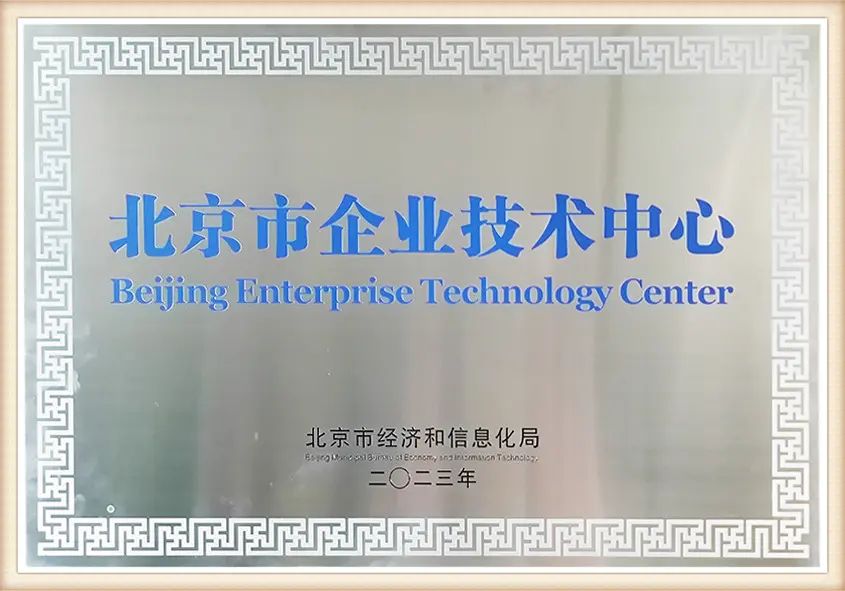
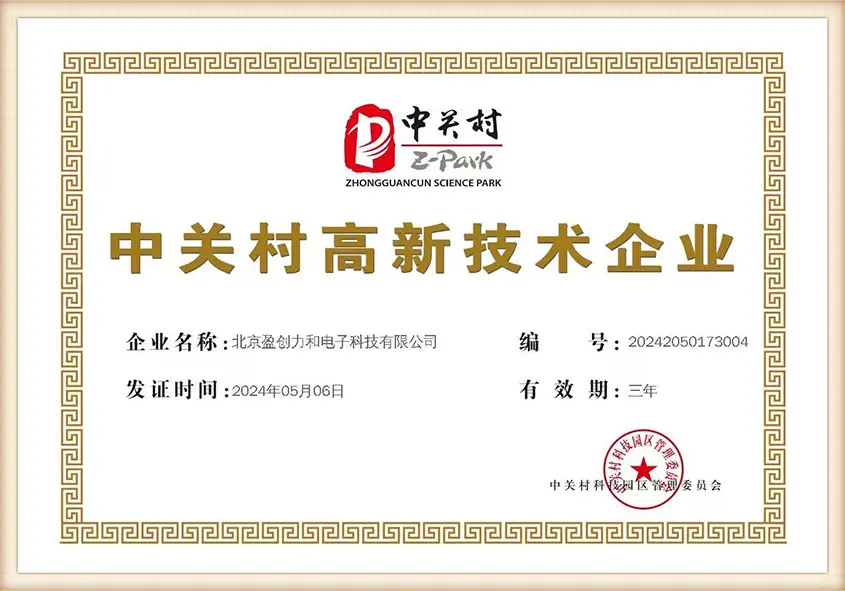
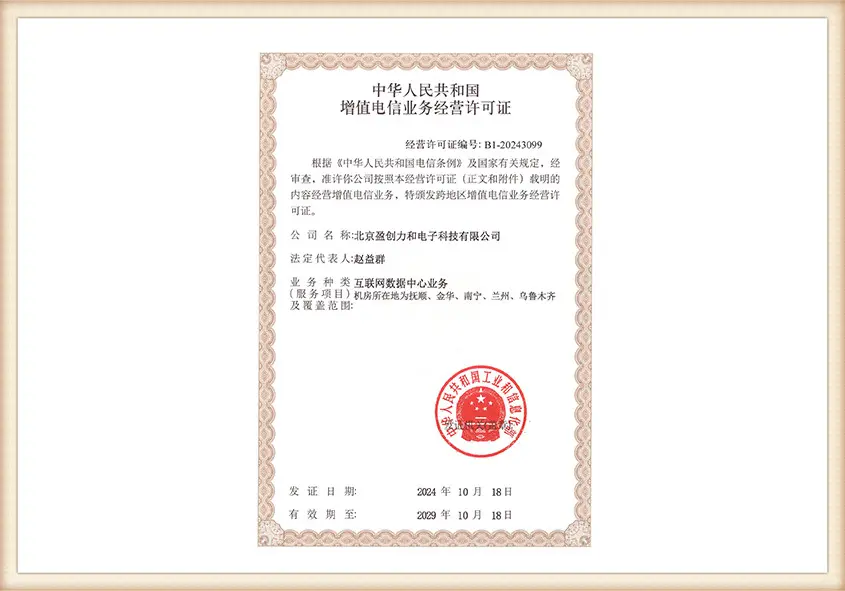
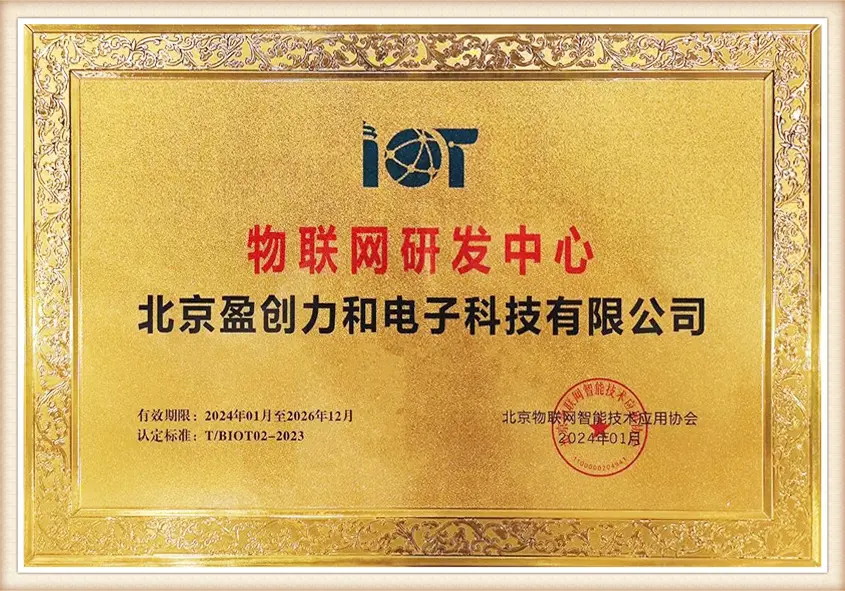
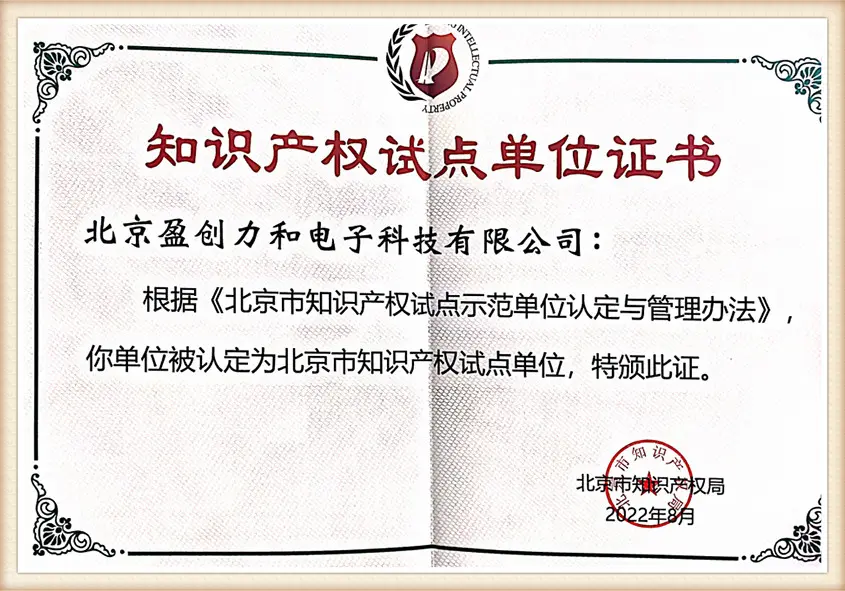
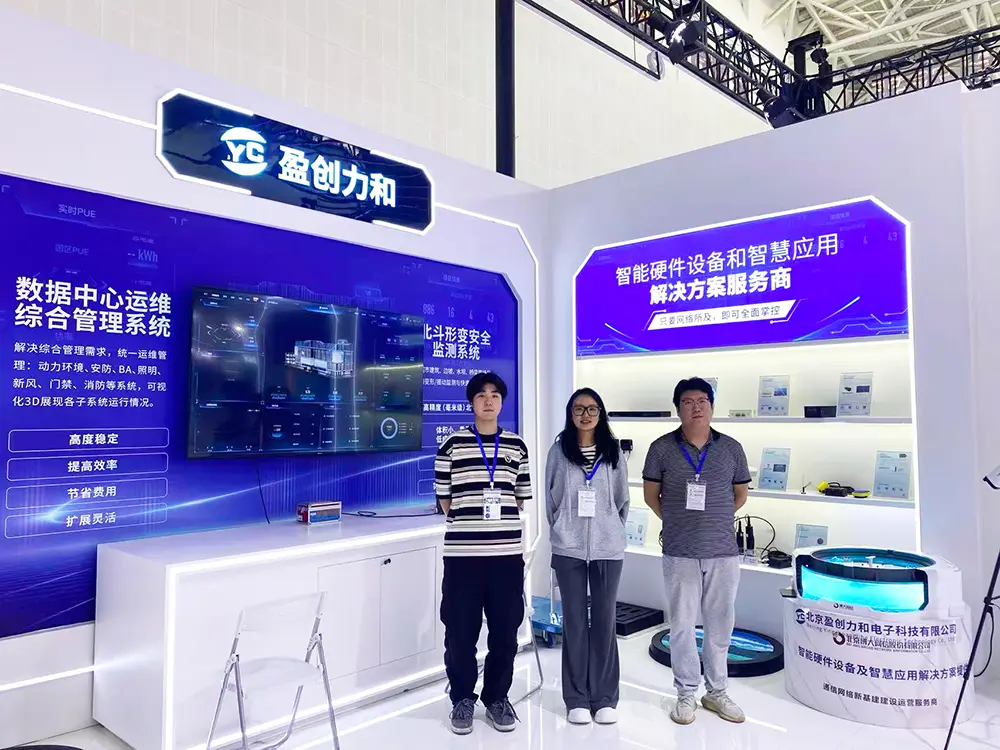
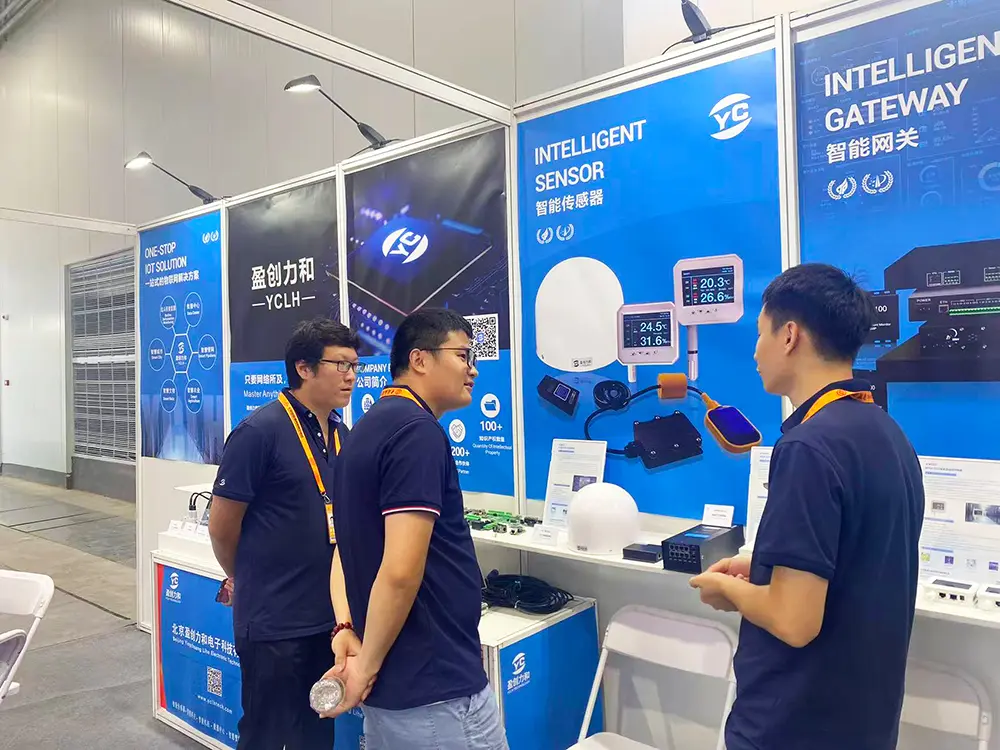
Technical insights to help procurement teams choose the right sensor configuration.
Explore further options, including multi-parameter loggers and dedicated wireless transmitters.
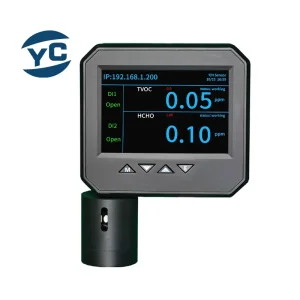
Designed for indoor environmental health monitoring by tracking volatile organic compounds and formaldehyde.
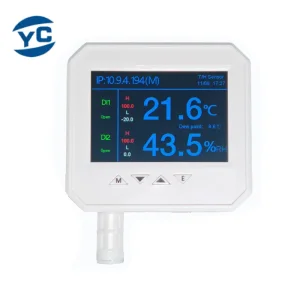
A popular, reliable PoE transmitter used for environmental tracking in large data center corridors.
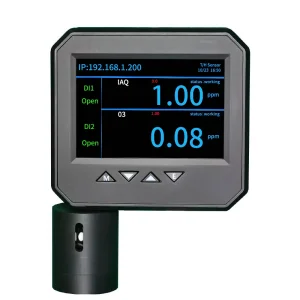
Offers specialized ozone detection for water treatment plants, printing facilities, and industrial exhaust systems.
Combines wired and wireless connectivity for redundancy, switching to WiFi if the wired network drops.
A low-power wireless node for distributed networks, optimized to extend battery life in long-range layouts.
Supports modular hot-swappable probes to simplify field calibration, minimizing system downtime.
Industrial-grade transmitter housing toxic gas monitoring cells, designed for heavy chemical manufacturing spaces.
Provides onboard data logging and Ethernet transmission for HVAC installations and building code compliance.
 YCLH Sensor