Explore our leading CE-certified Ethernet, PoE, and LORA environmental telemetry devices designed for demanding commercial and industrial deployments.
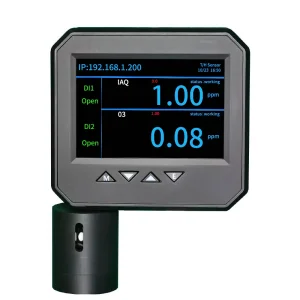
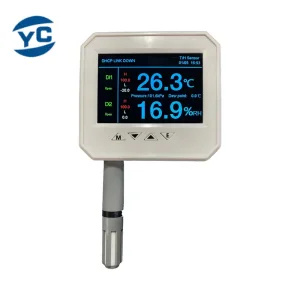
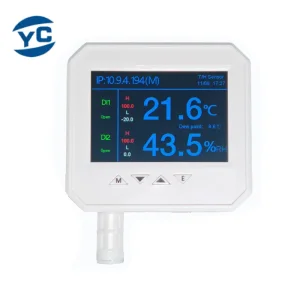
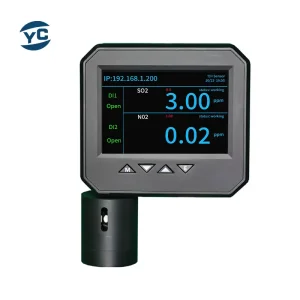
Unifying multi-parameter data acquisition under strict international standards to support the transformation of smart industrial operations.
Modern commercial infrastructure demands absolute compliance. In European and North American markets, devices operating inside communication racks, transit paths, or labs must be certified to prevent electromagnetic interference (EMI) and meet safety criteria. Our terminals are certified to CE, FCC, and RoHS standards, protecting against operational interruptions.
As micro-data centers, edge boxes, and hyper-scale facilities grow, tracking environmental conditions becomes more complex. Multiple standalone units for temperature, humidity, gas levels, and pressure create network bottlenecks and complicate configuration. Multi-parameter terminals integrate these readings into a single IP address and network drop, saving rack space and reducing points of failure.
Deploying gas (CO, O₃, SO₂, NO₂) and barometric sensors in industrial spaces introduces drift from chemical exposure and shifting temperatures. Yingchuanglihe addresses this with Swiss and German sensor components, supported by software-level drift compensation algorithms that keep readings accurate over long-term operations.
Bridging hardware sensors with top-level cloud infrastructure across diverse, challenging environments.
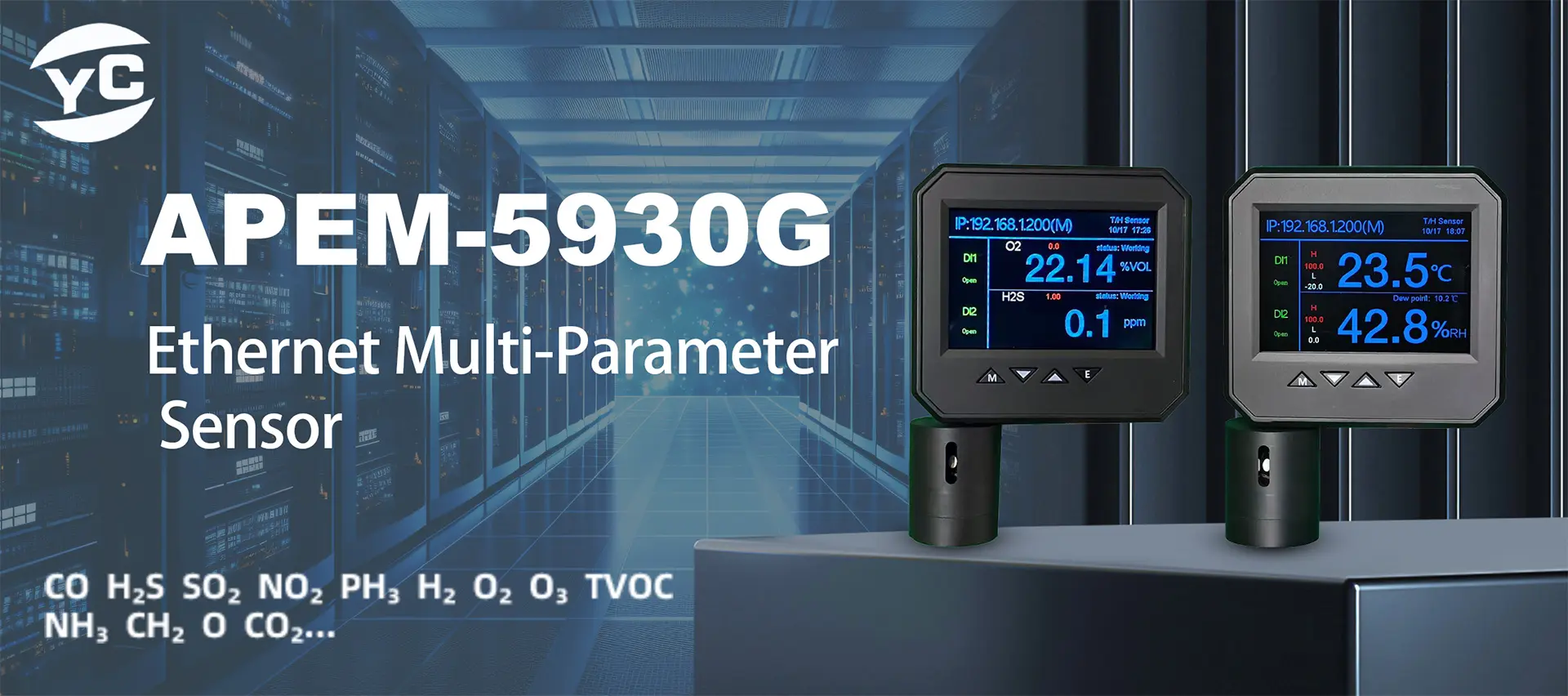
Modern AI computing facilities generate high heat loads that require real-time tracking of humidity, dew point, and static pressure differentials. An improper dew point can cause electrostatic discharge or water condensation on server boards. Our APEM-5930P series monitors temperature, humidity, dew point, and barometric pressure over a single Ethernet connection with Power over Ethernet (PoE). This allows operators to integrate measurements directly into DCIM (Data Center Infrastructure Management) platforms via SNMP, helping protect server performance.
Building on our experience with rail projects (Beijing-Kowloon and Wuhan-Guangzhou lines) and autonomous roadside units, Yingchuanglihe provides environmental telemetry terminals that operate reliably in roadside cabinets. These rugged boxes experience wide temperature swings and high electrical noise. Our terminals track cabinet temperature, water leaks, and outdoor air conditions. By using edge communication gateways, they send diagnostic telemetry directly to remote traffic management centers.
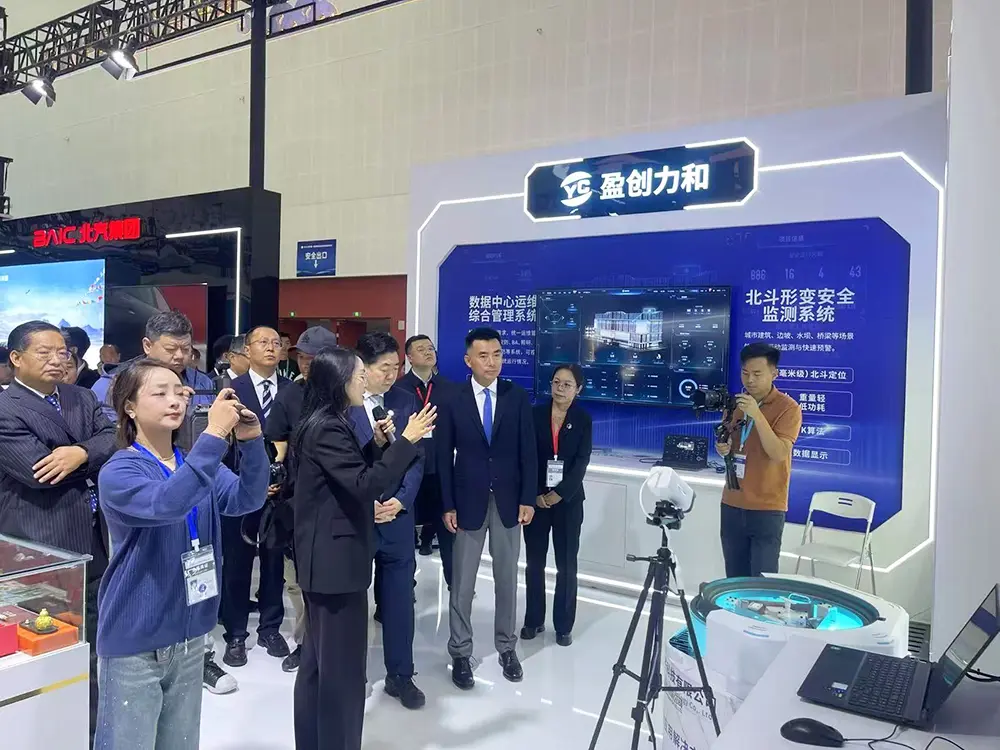
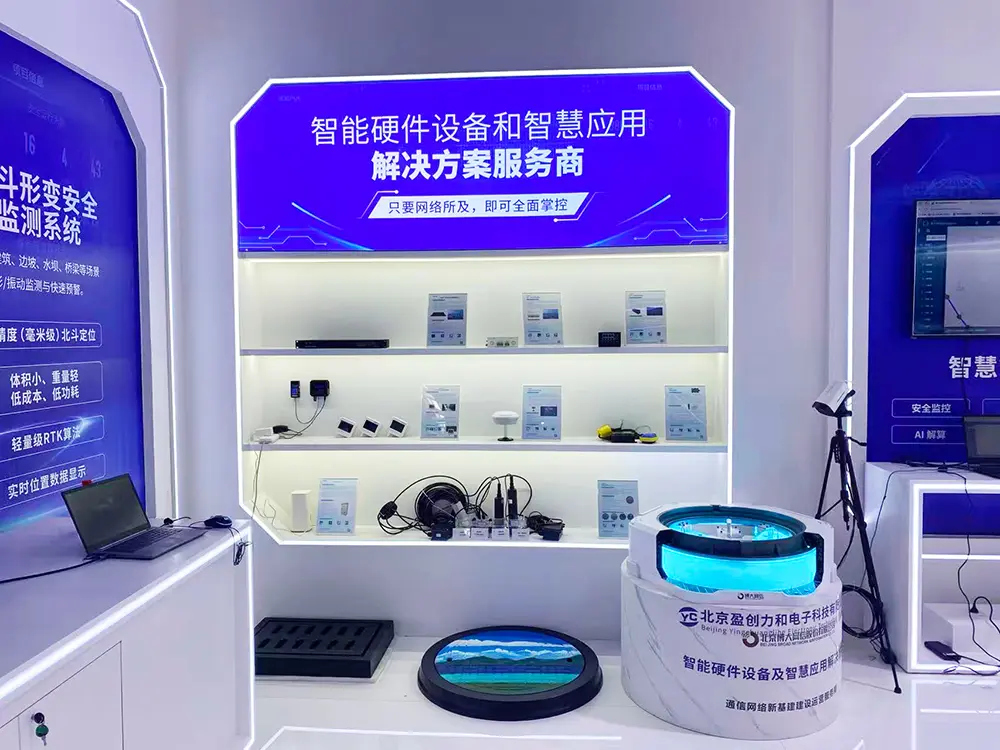
Partnering with organizations like the Beijing Enterprises Water Group and Beijing University of Civil Engineering and Architecture, we combine environmental sensing with Beidou positioning systems. This integration helps monitor municipal water pipelines and structural deformations by combining ground displacement telemetry with local environmental metrics like soil moisture, temperature, and atmospheric pressure, creating a unified safety database.
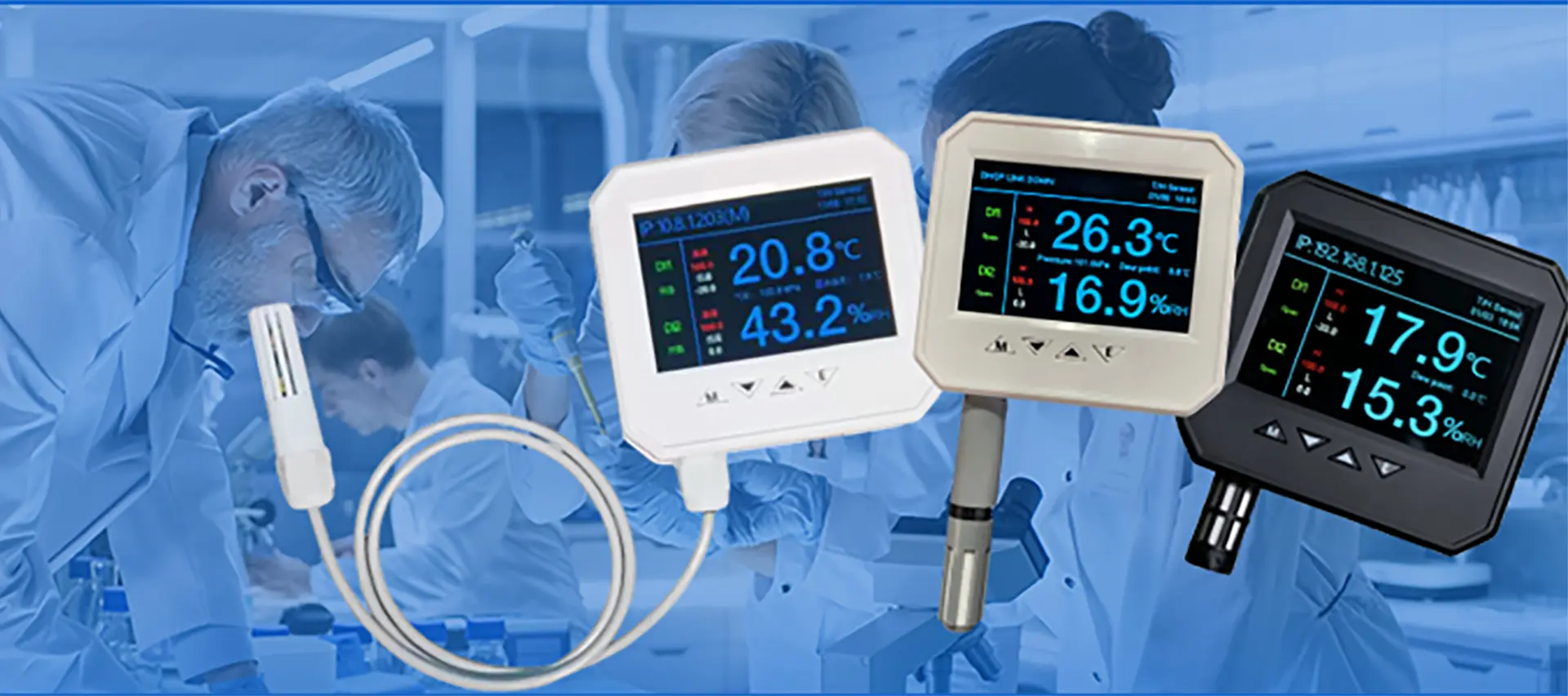
Cleanrooms require strict controls over atmospheric pressure differentials to prevent cross-contamination. Our multi-parameter data acquisition terminals track pressure drop, temperature, humidity, and volatile organic compound (TVOC) levels. For logistics warehouses handling sensitive items like pharmaceuticals or food, wireless LoRaWAN options (APEM-5736 series) provide coverage across large areas with low power requirements, keeping storage conditions within spec.
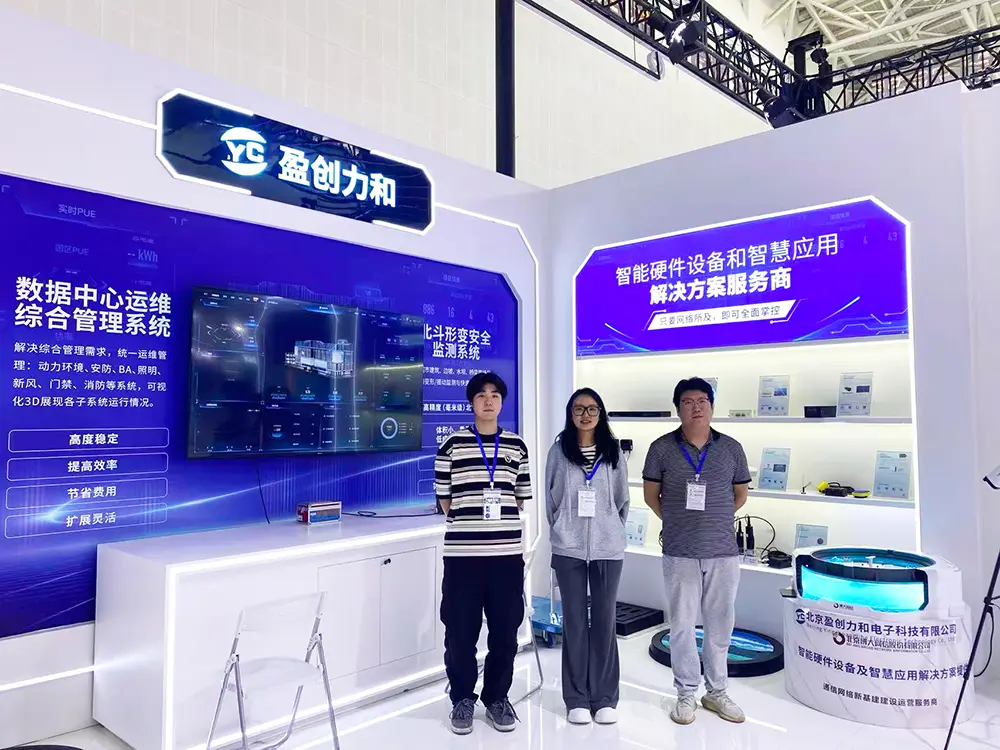
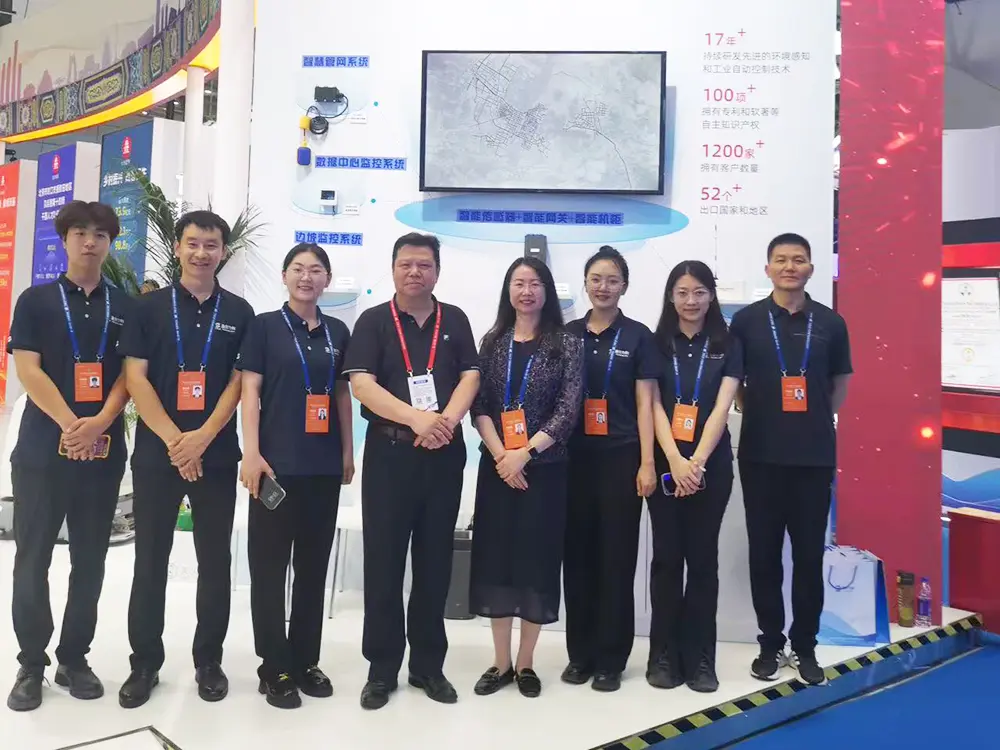
Beijing Yingchuanglihe Electronic Technology Co., Ltd. is an established manufacturer of high-precision environmental sensors and data acquisition terminals. Founded in 2007, we design and produce systems that deliver reliable telemetry for industrial, municipal, and commercial installations worldwide.
Over 18 years of technical development and partnership, expanding from early TCP/IP terminals to intelligent edge computing systems.
Founded the company and launched our initial intelligent environmental monitoring terminal using standard TCP/IP networking, alongside our first-generation monitoring software platform.
Partnered with Mocha Software to launch the TH-5939 series of environmental monitors with native SNMP support for network management environments.
Collaborated with Switzerland's COMLAB to develop the TH-5869 protective environmental monitor, deployed in high-speed rail projects including the Beijing-Kowloon and Wuhan-Guangzhou lines.
Partnered with Founder Technology to launch the APEM-6100, one of our first environmental monitoring units to integrate Power over Ethernet (PoE) technology.
Collaborated with Foxconn to customize environmental telemetry for cleanroom manufacturing facilities, helping establish our designs as an industry reference.
Cooperated with Baidu to launch the next-generation APEM-5900 Ethernet intelligent monitoring terminal, deploying it across Baidu's Yangquan Data Center.
Introduced our integrated smart solutions suite, expanding our telemetry architecture from server rooms to cover larger commercial and municipal facilities.
Launched an integrated outdoor cabinet monitoring system, deployed in Huawei and China Merchants Huaruan highway telemetry projects.
Participated in designing and building roadside integration boxes and edge computing gateways for Beijing's autonomous driving test routes.
Supplied environmental tracking systems for large-scale computing centers, supporting the roll-out of new AI-focused infrastructure.
Established joint business divisions with Beijing Enterprises Water Group for smart pipeline networks, and co-founded a Beidou division for high-precision deformation monitoring.
A comprehensive overview of our sensor nodes, gateways, and centralized monitoring software platforms.
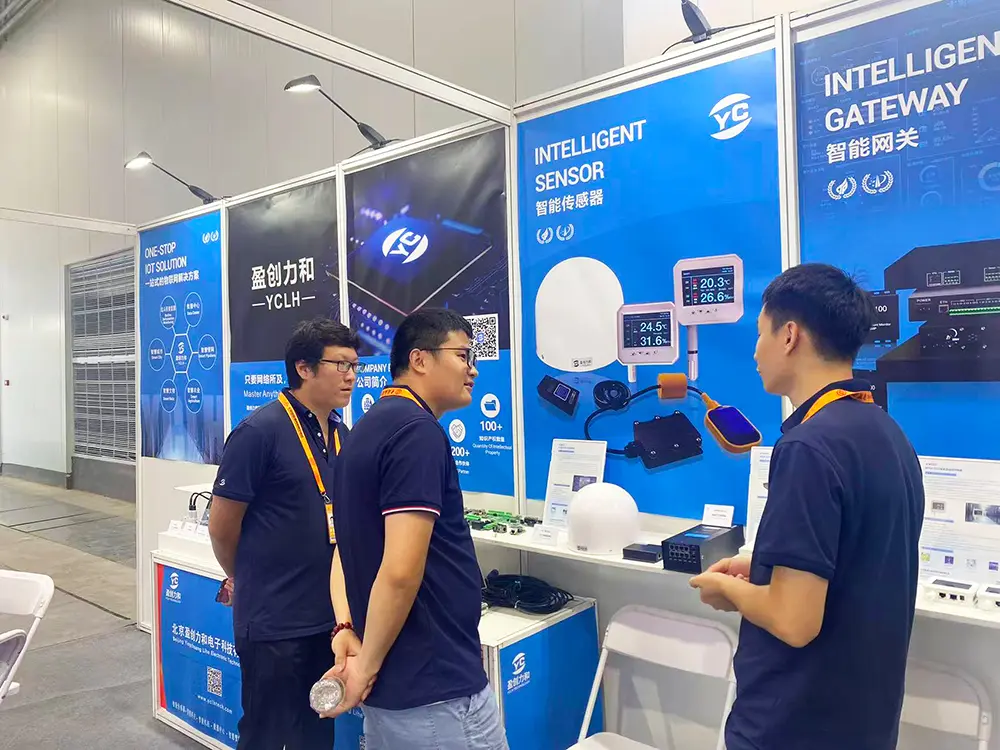
We develop and supply a complete range of hardware and software components for environmental tracking:
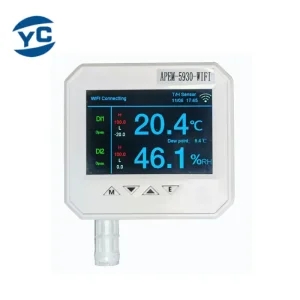
Standard PoE power supply (DC12~48V). Tracks temperature, humidity, and dew point. Supports direct Modbus and SNMP connectivity.
Adds absolute atmospheric pressure sensing to evaluate airflow, control room pressure differentials, and provide complete local weather profiles.
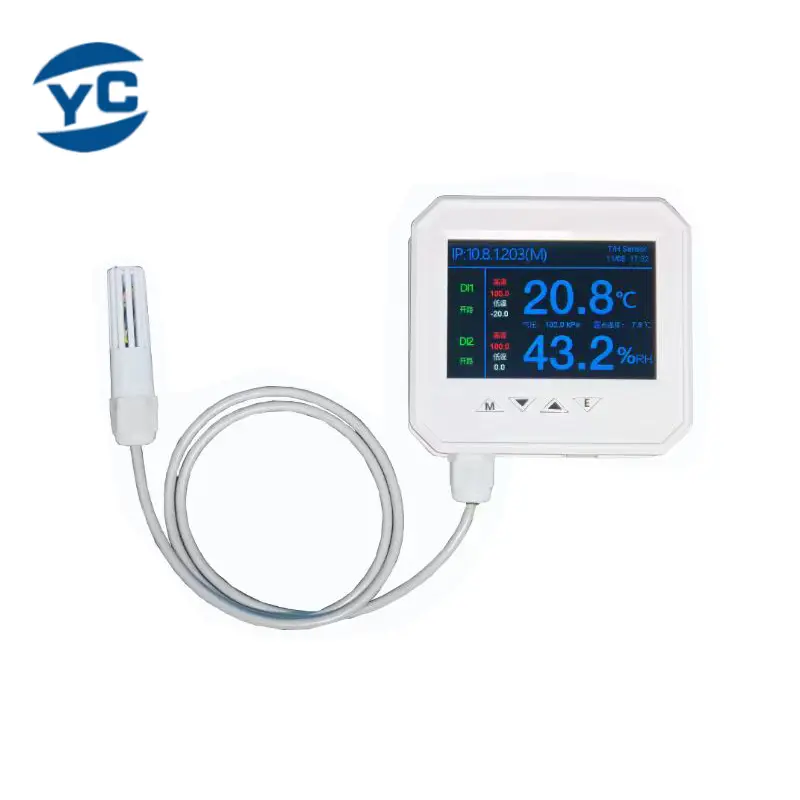
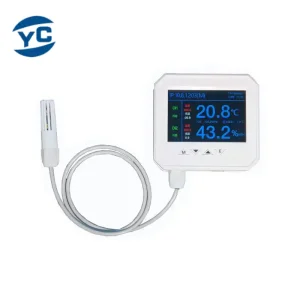
Features a separate, cabled sensor probe (typically 1-3m) to measure conditions in ducts, pipes, or hard-to-reach physical areas.
Maintaining high production quality standards, certified by testing laboratories and verified by international trade organizations.
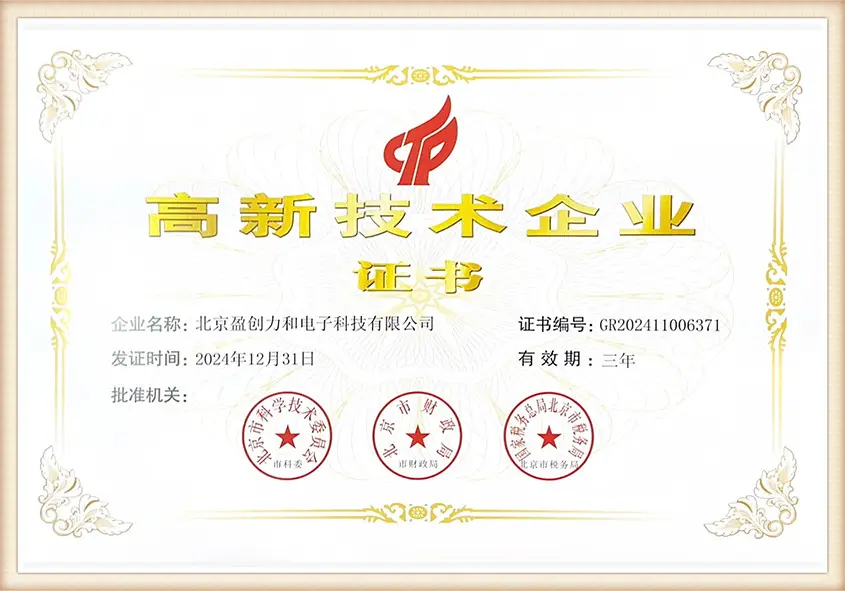
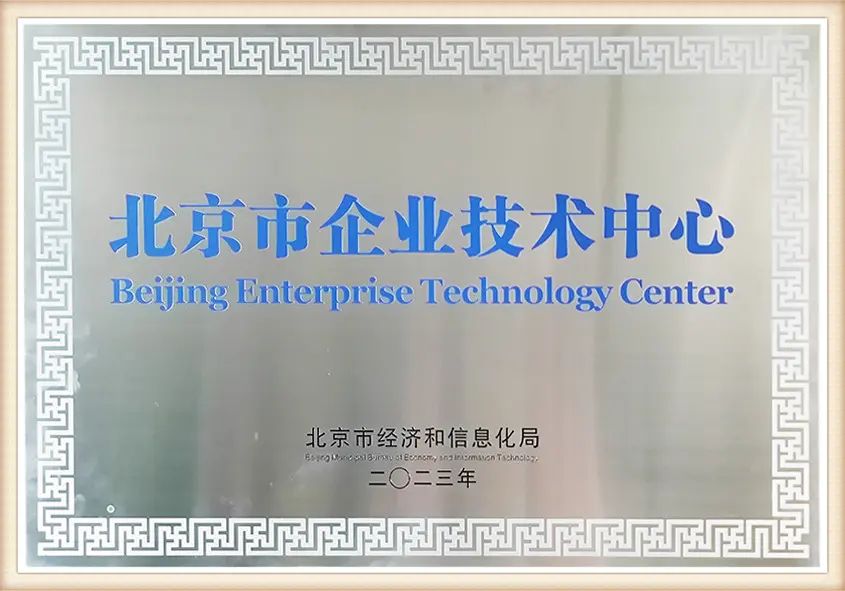
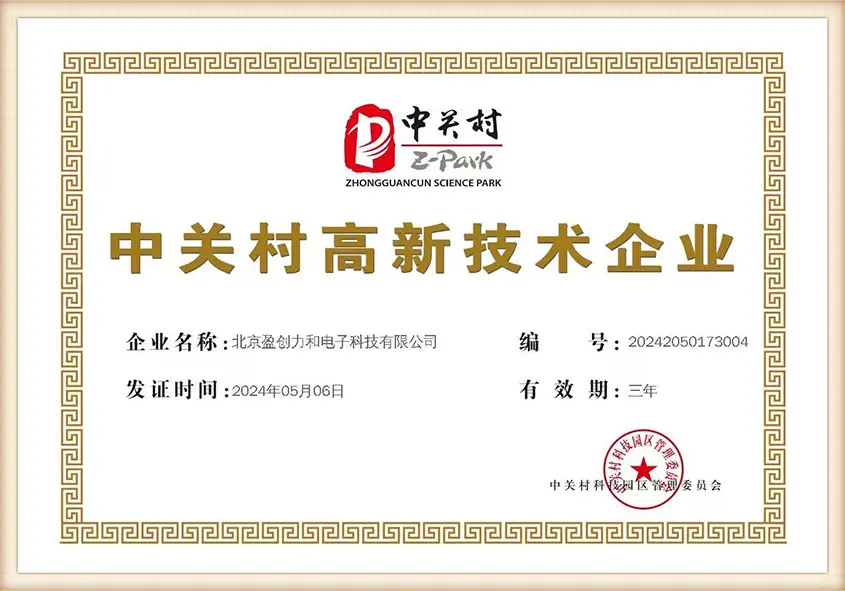
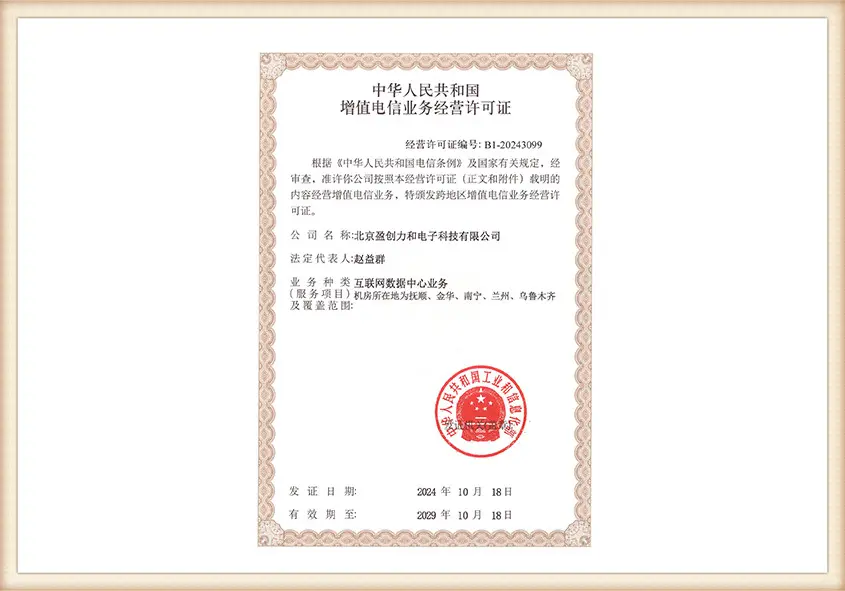
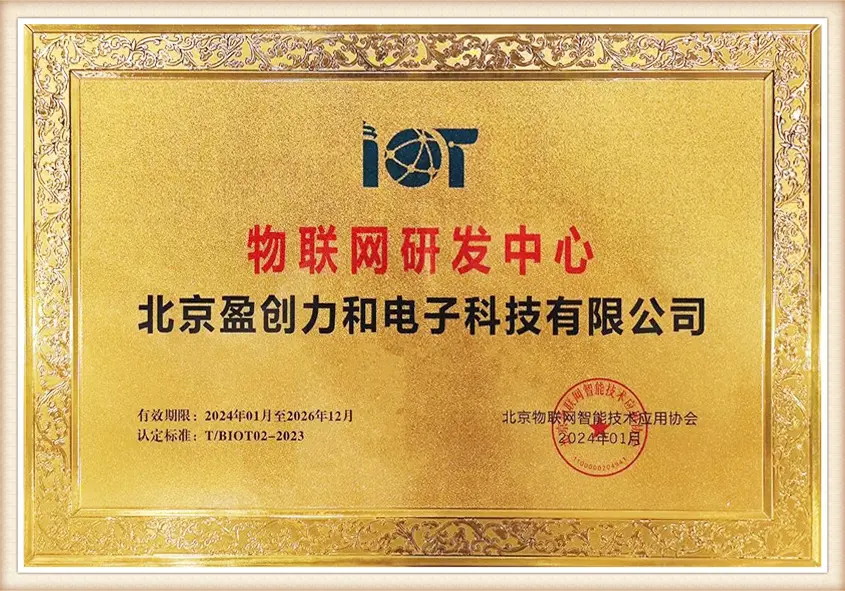
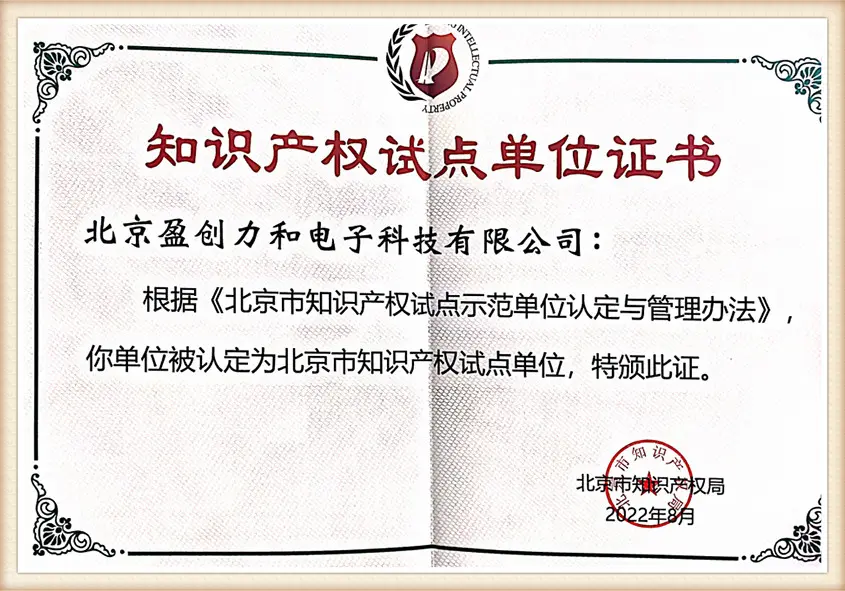
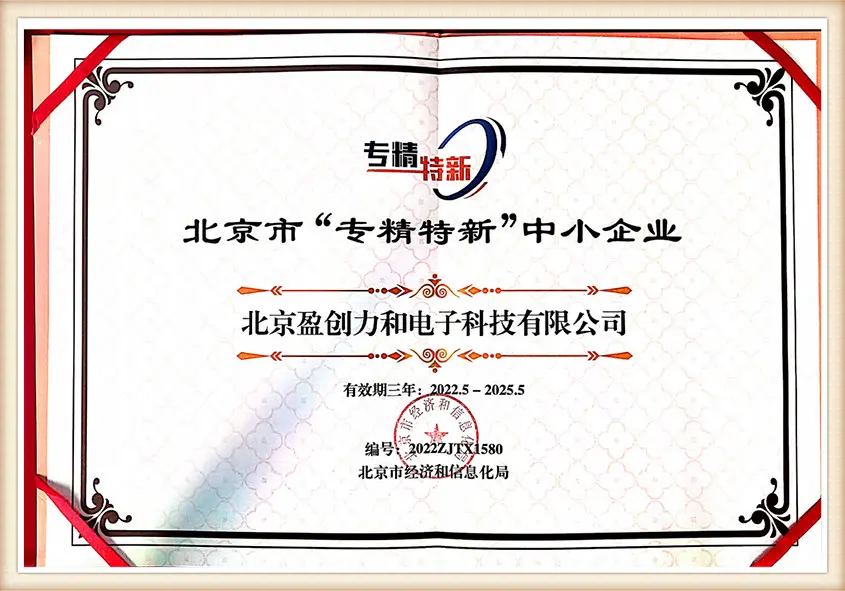
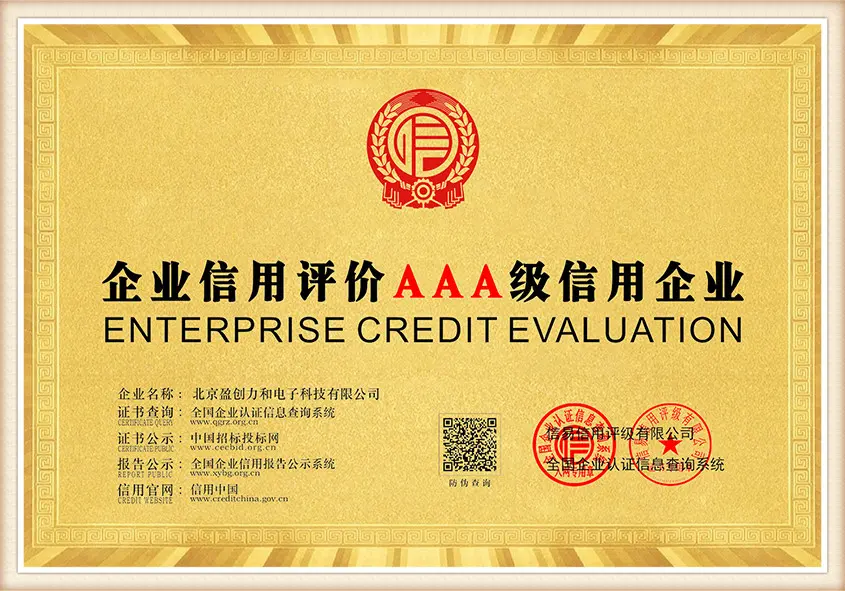
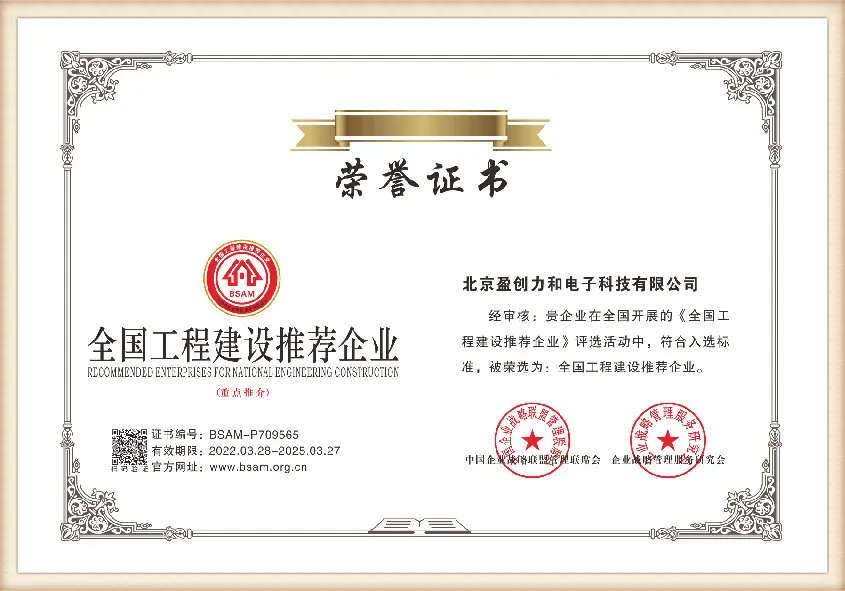
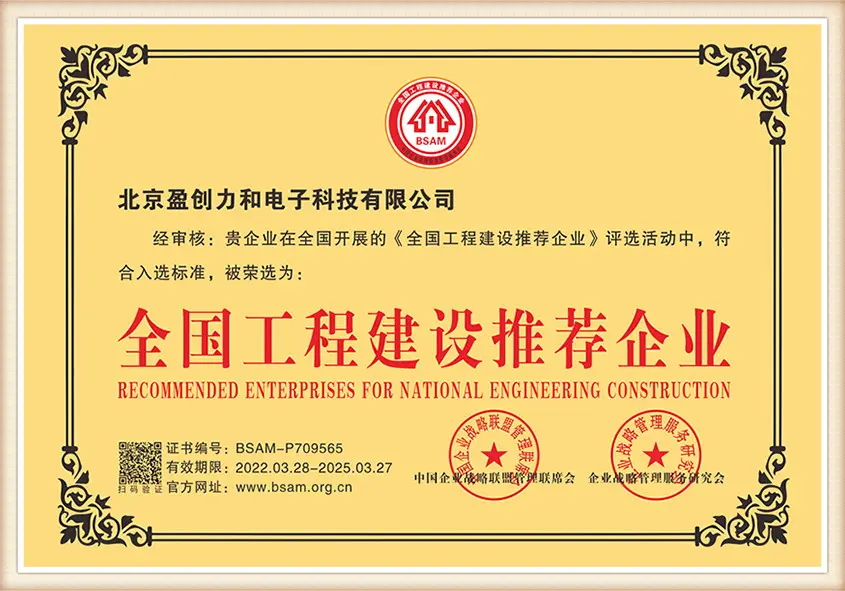
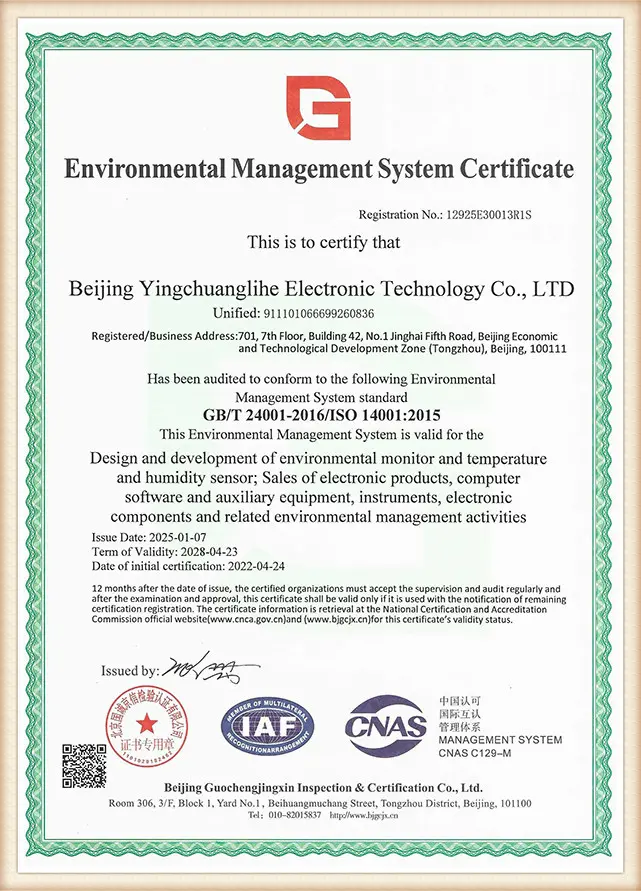
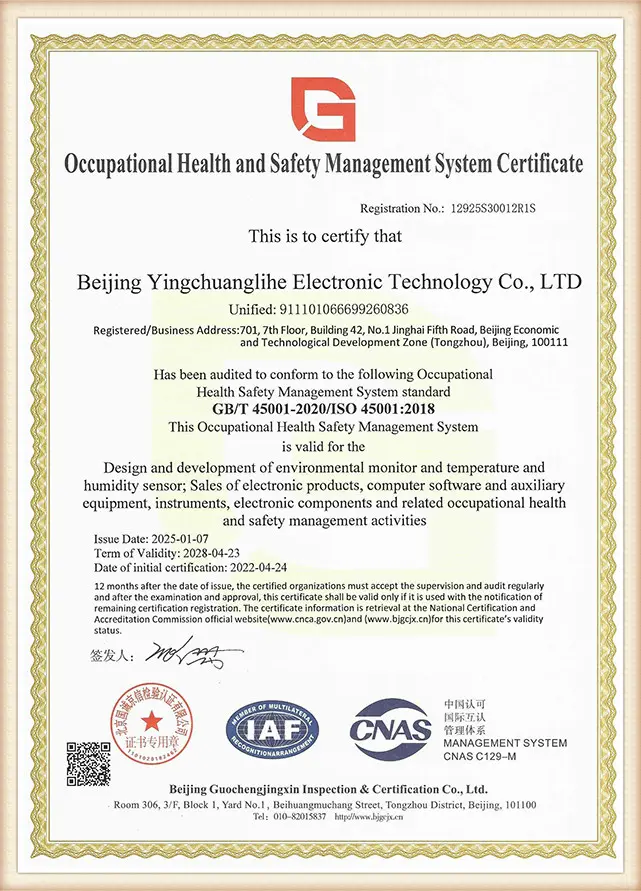
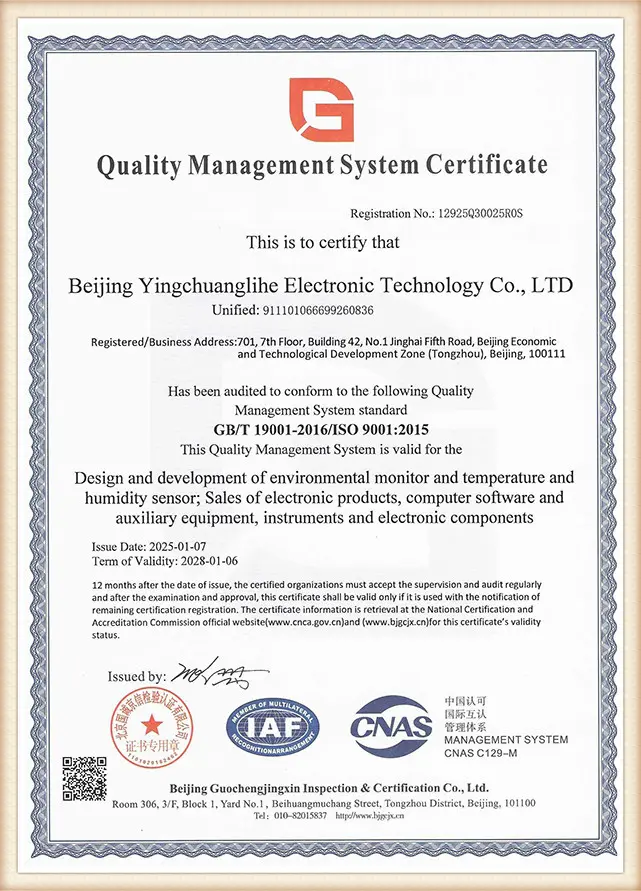
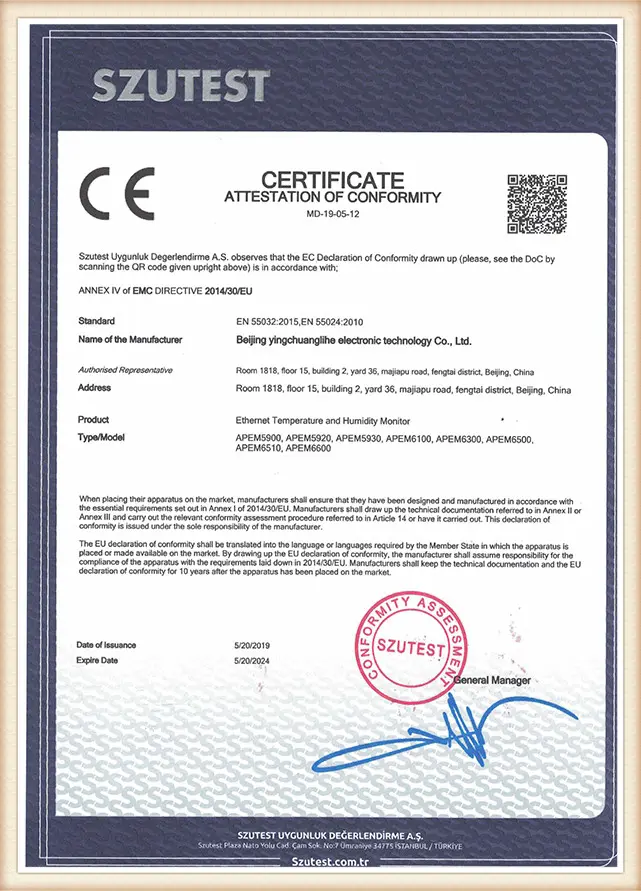
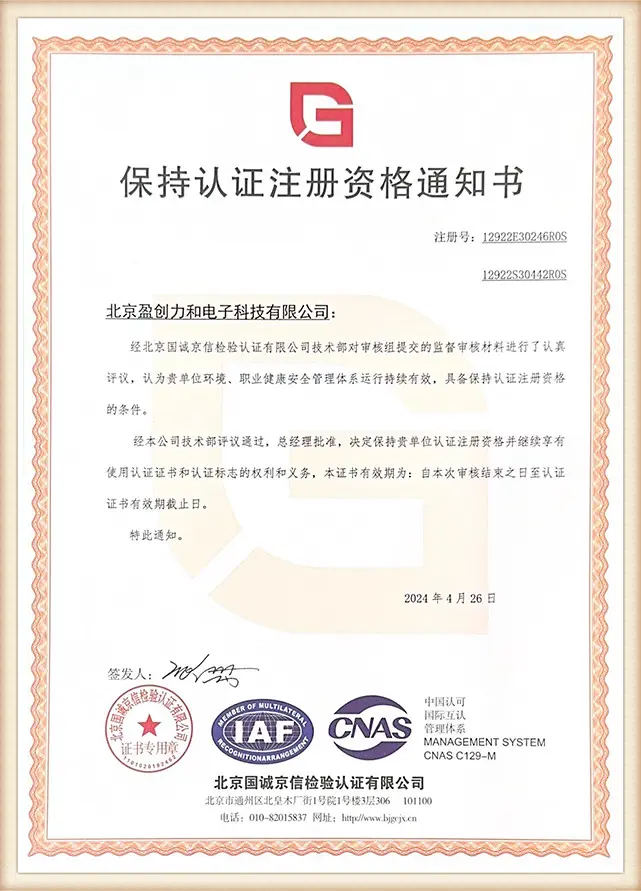
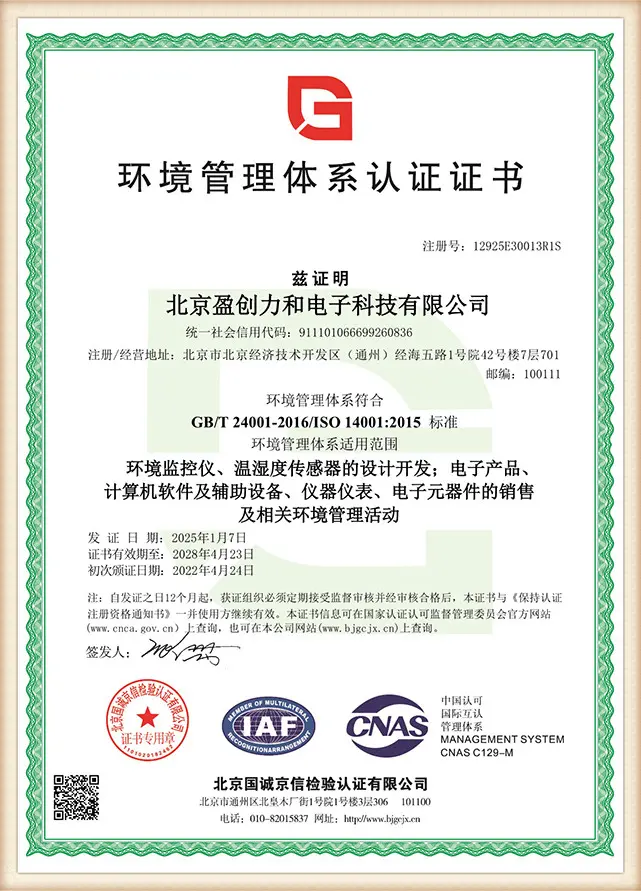
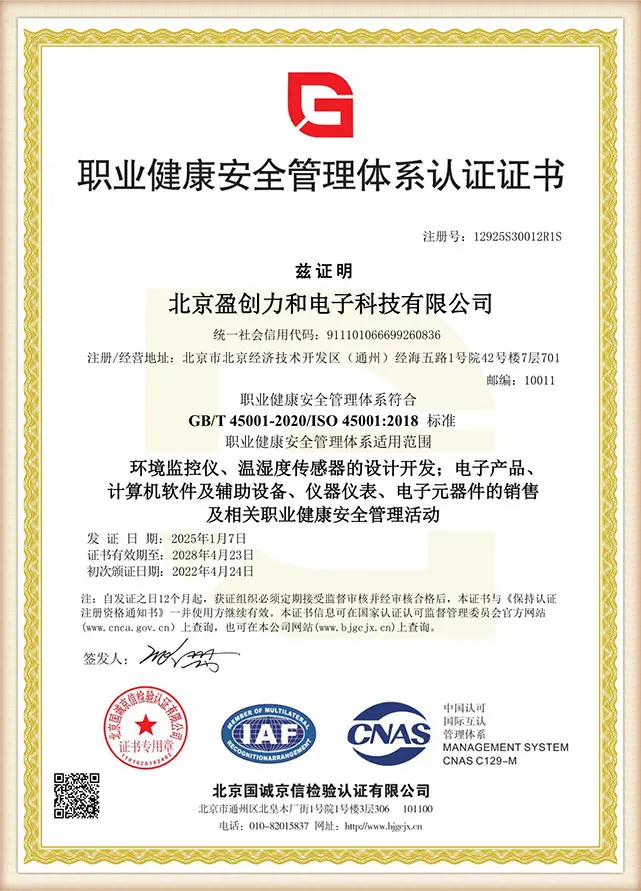
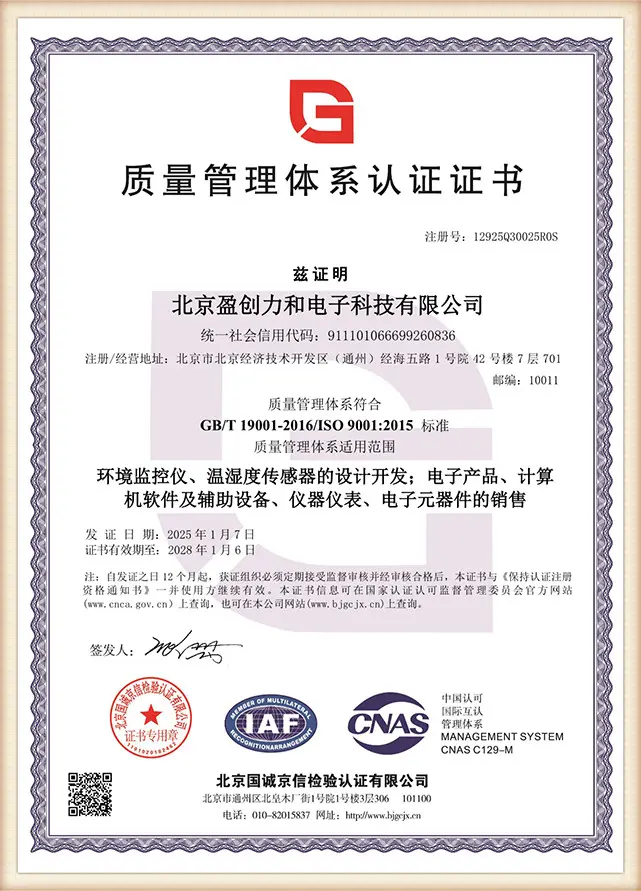
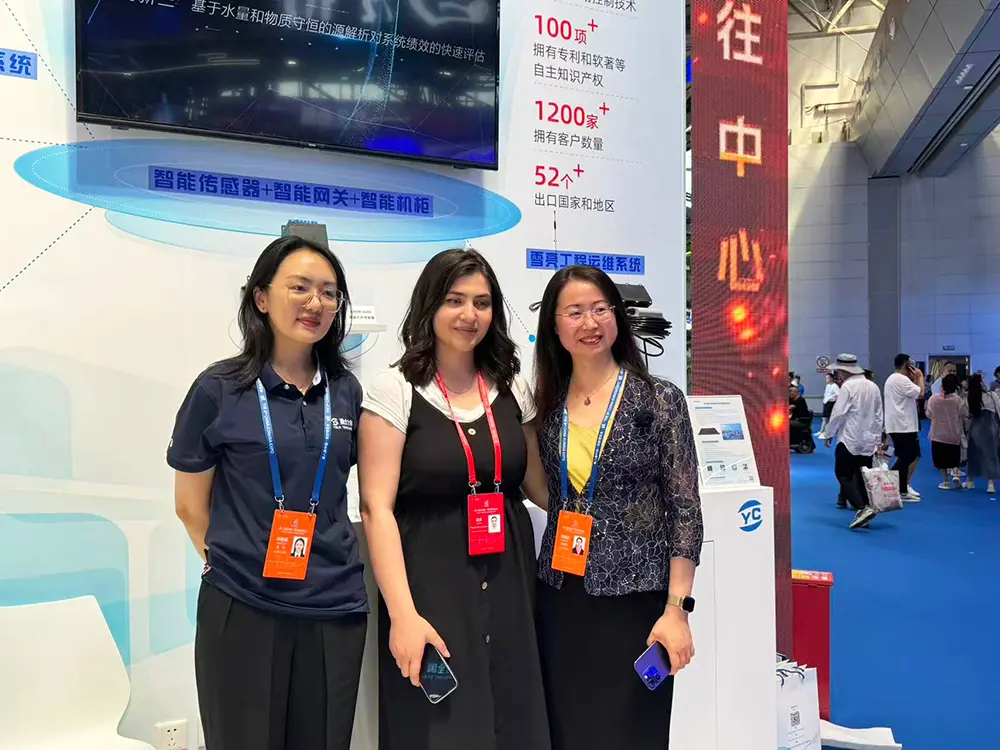
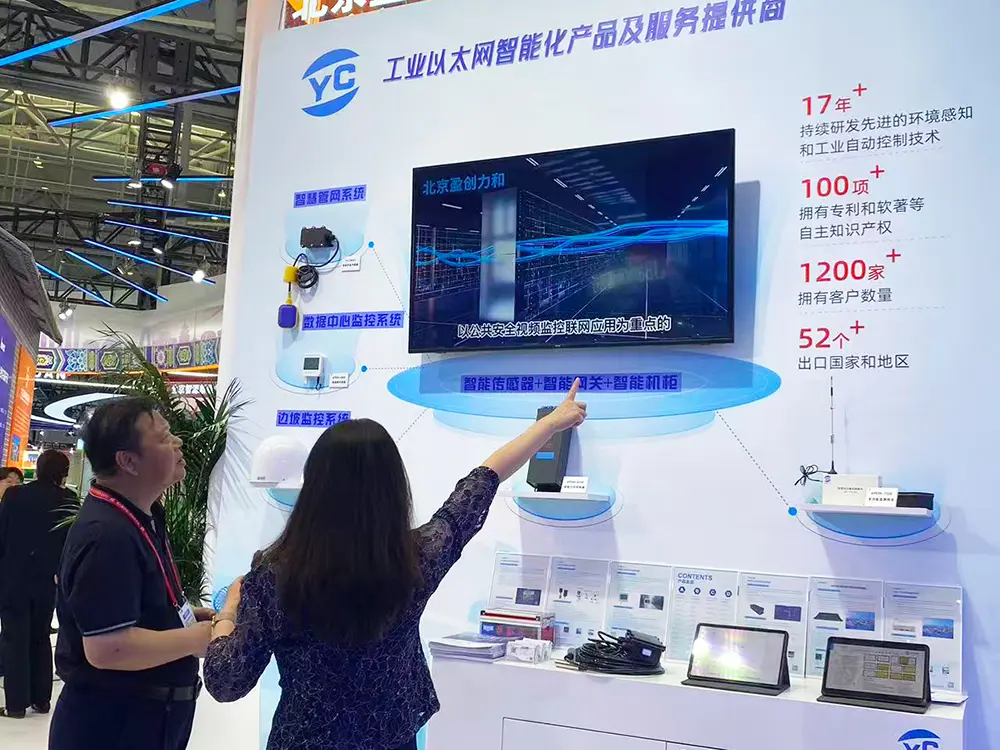
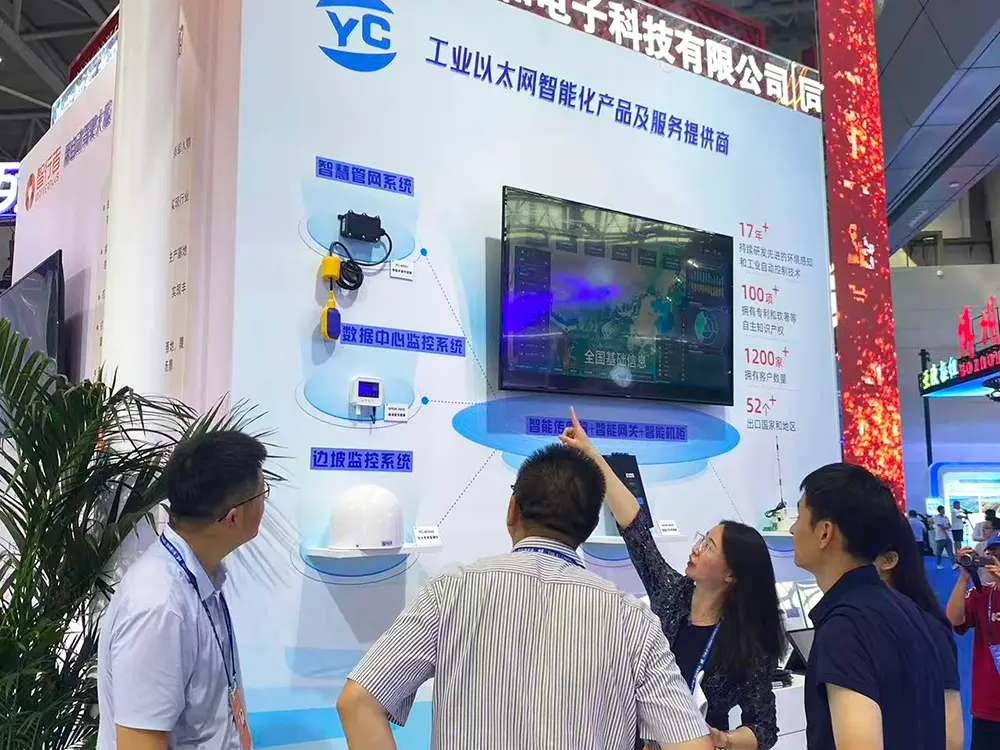
Developing telemetry solutions designed to meet the changing requirements of industrial connectivity and precision measurement.
As industrial automation demands faster processing and higher security, our engineering roadmap focuses on three main developments:
Next-generation APEM data acquisition units will include onboard processor features to analyze sensor signals locally. This allows the devices to detect calibration drift or sensor damage and report it before it impacts cleanroom or server rack operations, helping reduce downtime.
Future iterations of the APEM series will support simultaneous dual-mode communication protocols, such as concurrent LoRaWAN and PoE. This design provides redundant communication links to protect data flow in critical research laboratories and military installations if the primary network drops.
We are expanding our gas detection models to support integrated tracking of toxic elements like sulfur dioxide (SO₂), nitrogen dioxide (NO₂), carbon monoxide (CO), ozone (O₃), TVOCs, and formaldehyde (HCHO) within a single edge terminal, simplifying wiring in hazardous industrial zones.
Answers to common engineering and integration questions regarding our data acquisition terminals.
Our data acquisition terminals natively support standard industrial protocols, including Modbus-TCP for PLCs, SNMP (v1, v2c, v3) for IT network management systems, MQTT for cloud telemetry, and Modbus-RTU over RS-485 for legacy field integration.
Our PoE-enabled units (such as the APEM-5930) comply with the IEEE 802.3af standard. This allows a single Cat5e/Cat6 network cable to carry both DC power and telemetry data, eliminating the need for dedicated AC power drops at each sensor location and reducing installation costs in server rooms and factories.
We use high-precision sensor chips imported from Switzerland and Germany. Additionally, our hardware enclosures feature ingress-protected venting, and the system firmware includes temperature-compensation algorithms to stabilize readings against drift caused by environmental changes.
Yes. We offer customization services that cover PCB layouts, enclosure dimensions, sensor integrations (such as adding CO, O₃, SO₂, or NO₂ sensors), and customized communication firmware configurations to align with your project requirements.
Select configurations feature local non-volatile flash storage that logs environmental data during network disconnects. Once the connection is re-established, the unit uploads the cached data to prevent information gaps in historical records.
Explore our wireless, remote probe, and specialized multi-parameter environmental monitors.
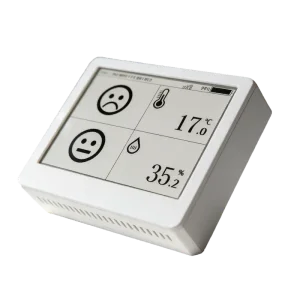
 YCLH Sensor