High-reliability environmental transmitters optimized for integration with building management networks and edge computing topologies across the Tokyo Metropolis.
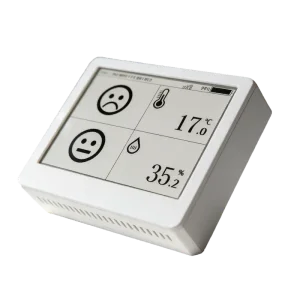
Optimized for wireless, low-power environmental monitoring in urban Tokyo corridors, smart commercial spaces, and complex logistics networks.
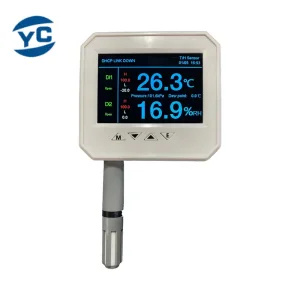
Featuring differential atmospheric pressure monitoring, ideal for preventing cross-contamination in Tokyo high-tech laboratories and cleanrooms.
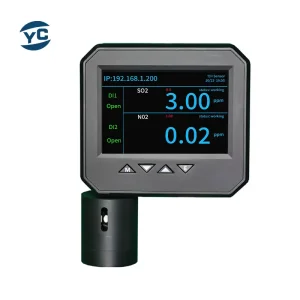
Multi-parameter atmospheric sensing unit engineered for Tokyo urban emission control, public transport hubs, and underground utility vaults.
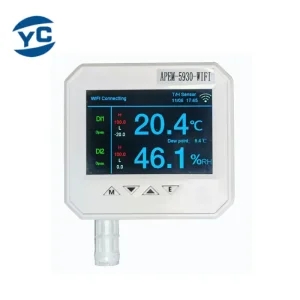
Dual wired Ethernet and Wi-Fi failover capability designed for building automation systems in high-rise towers across Minato and Shinjuku.
Tokyo stands as one of the world's most dense digital and financial epicenters. With massive concentrations of enterprise data centers in Greater Tokyo (including Inzai and Otemachi hubs), the demand for zero-downtime thermal management is higher than ever. The Tokyo Metropolitan Government's (TMG) strict environmental regulations and carbon reduction programs dictate that large-scale facilities must continuously optimize their Power Usage Effectiveness (PUE). This requires high-precision, low-latency sensor deployments that feed real-time environmental data to automated Building Management Systems (BMS).
In addition, Tokyo's advanced industries—spanning semiconductor supply networks, precision optics manufacturing in Ota Ward, and high-security pharmaceutical storage along Tokyo Bay—require precise microclimate control. Temperature variations of even 0.5°C or humidity spikes above threshold tolerances can compromise millions of dollars in inventory. The APEM line of industrial-grade PoE, Wi-Fi, and RS485 transmitters addresses these stringent criteria with imported German and Swiss high-precision sensing chips, ensuring long-term measurement stability and rapid response to deviations.
Globally, the transition to Green Buildings and Smart Factories is driving the implementation of multi-parameter IAQ (Indoor Air Quality) and gas monitoring systems. Standard compliance mandates like LEED, WELL Building Standards, and ISO 14001 are forcing operators to track volatile organic compounds (TVOCs), ozone (O₃), carbon monoxide (CO), and formaldehydes (HCHO). Yingchuanglihe's APEM sensor platform is built to support this shift, offering flexible network integration via Modbus TCP/IP, SNMP, MQTT, and BACnet/IP protocols.
By bypassing costly intermediate gateways and transmitting data directly to local servers or cloud applications via Ethernet (PoE), our systems minimize installation complexity and points of failure. In Tokyo’s dense commercial environments, this direct Ethernet connection translates to robust, EMI-resistant communication that wireless protocols like standard Wi-Fi struggle to guarantee in congested RF areas.
Beijing Yingchuanglihe Electronic Technology Co., Ltd. is a high-tech pioneer in intelligent environmental monitoring systems since 2007.
Since our founding in 2007, Yingchuanglihe has developed state-of-the-art environmental monitoring sensors and data acquisition systems. Spanning over 1,500 square meters of modern manufacturing facilities, our production base operates under ISO 9001 quality management, featuring five automated SMD and calibration lines. We specialize in producing high-precision transmitters for temperature, relative humidity, pressure, and chemical trace gasses (including O₂, H₂S, SO₂, NO₂, CO, TVOC, O₃, and HCHO).
Our commitment to R&D has positioned our systems within major projects worldwide, including highway edge computing boxes, rail transportation monitoring along key transit lines, autonomous driving test facilities, and high-performance computing centers. We provide OEM/ODM customization services to adapt our industrial-grade sensors to your specific enclosure requirements, protocol layouts, or specialized probe extensions.
Tailored monitoring layouts engineered to meet specific industrial and commercial requirements across Tokyo's high-tech zones.
Providing high-density rack temperature, humidity, and dew point profiling in Tokyo's primary datacenter zones, including Chiba, Inzai, and Otemachi. Direct PoE integration avoids additional power supply layouts inside cabinets.
Securing medical cold chains and critical pharmaceutical warehouses along Tokyo Bay. Extensible external probes monitor deep-freeze temperatures while providing real-time local alarms and network failure failovers.
Supporting Western Tokyo's microelectronics manufacturing hubs. Utilizing the APEM-5930P's high-precision differential barometric pressure monitoring to prevent cross-contamination across sensitive cleanroom zones.
Deploy reliable environmental monitoring hardware with standard communication protocols and advanced sensor packages.
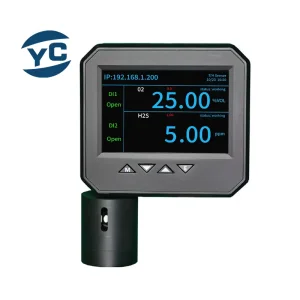
Industrial-grade transmitter equipped with electrochemical O₂ and H₂S sensors, 2 digital inputs, and built-in relay output for localized safety control.
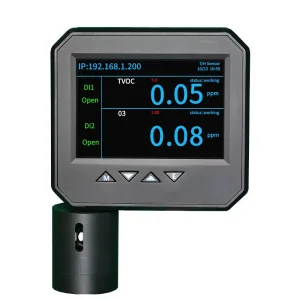
Simultaneous tracking of TVOC, Ozone, temperature, and relative humidity for wellness-focused buildings and smart offices.
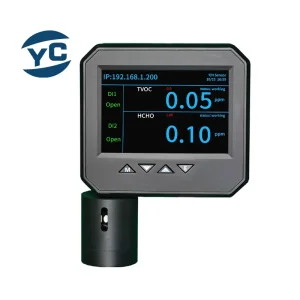
Industrial transmitter measuring volatile organic compounds and formaldehyde levels via standard PoE connectivity for green building verification.
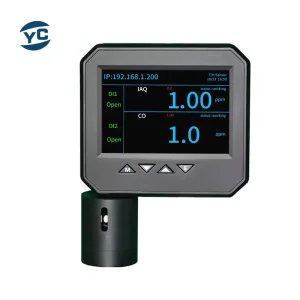
Integrates high-precision CO detection and general IAQ parameters to trigger ventilation controls inside sub-surface parking structures.
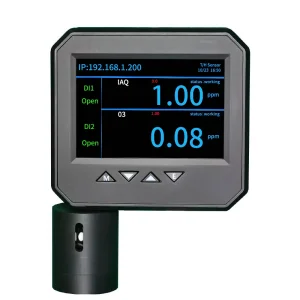
Meets strict European and Japanese standards for ozone verification in research laboratories and pharmaceutical production lines.
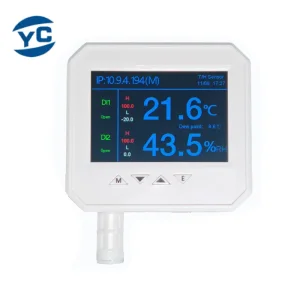
Our flagship PoE model providing high-stability, zero-maintenance temperature and dew point tracking directly in server cabinets.
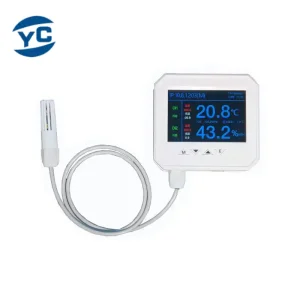
Features external cable probes (1-3 meters) for monitoring liquid nitrogen tanks, freezers, or high-temperature ducts.
Integrated gateway for toxic and flammable gas detection with built-in RS485-to-Ethernet translation capabilities.
A track record of technological innovation, industry partnerships, and deployment success.
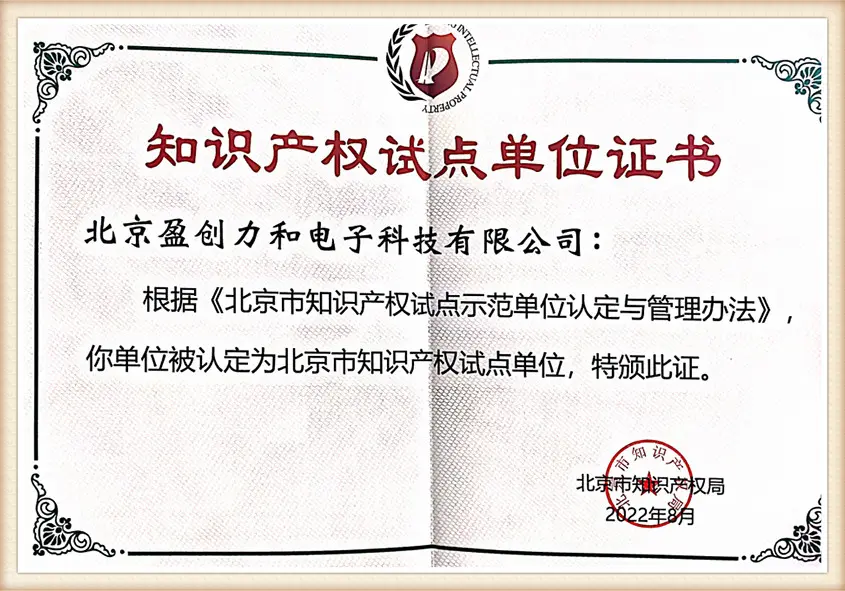
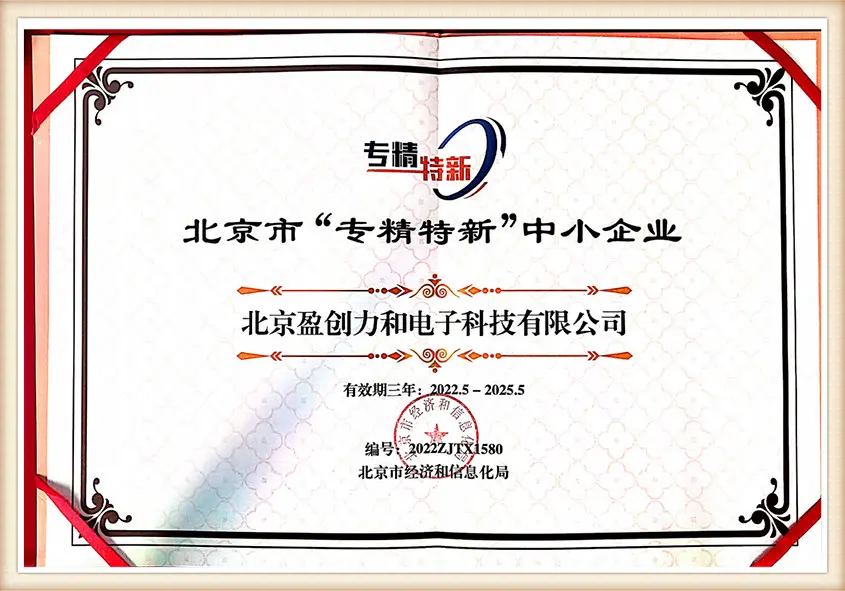
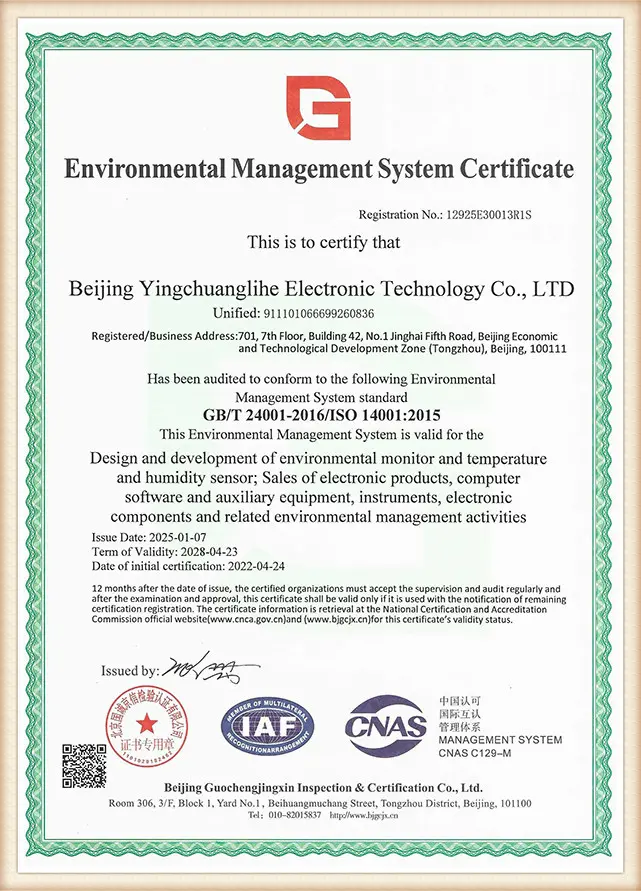
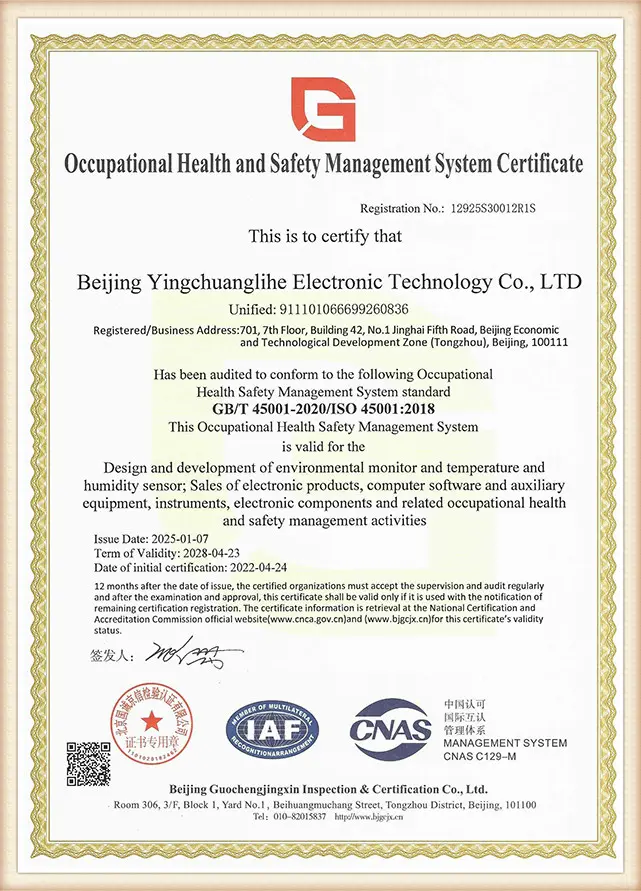
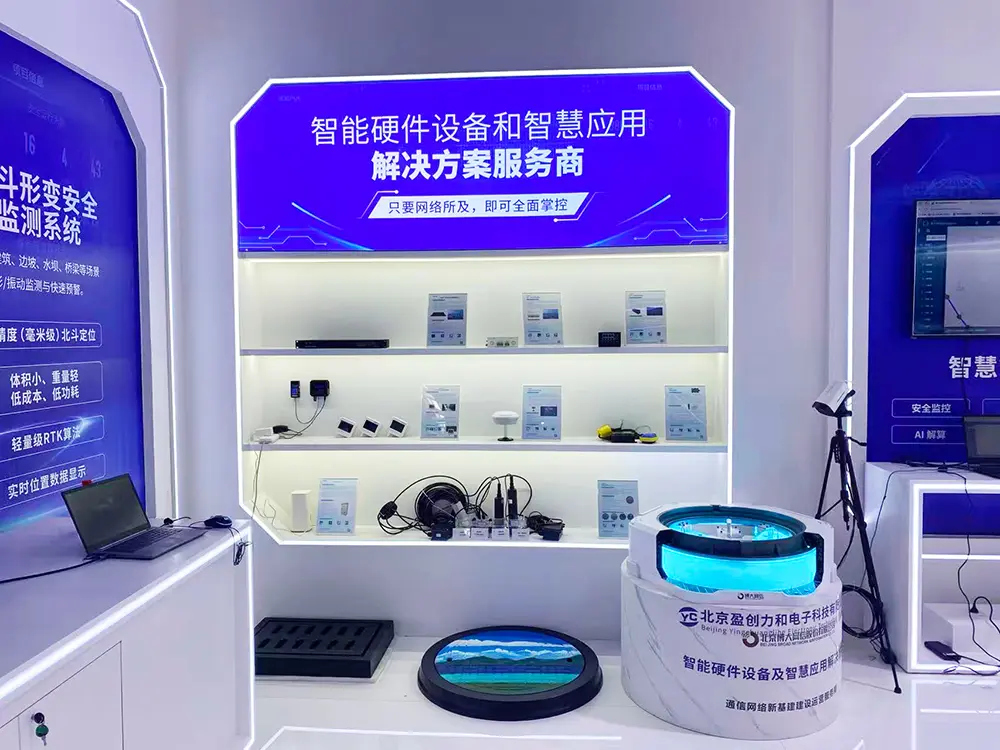
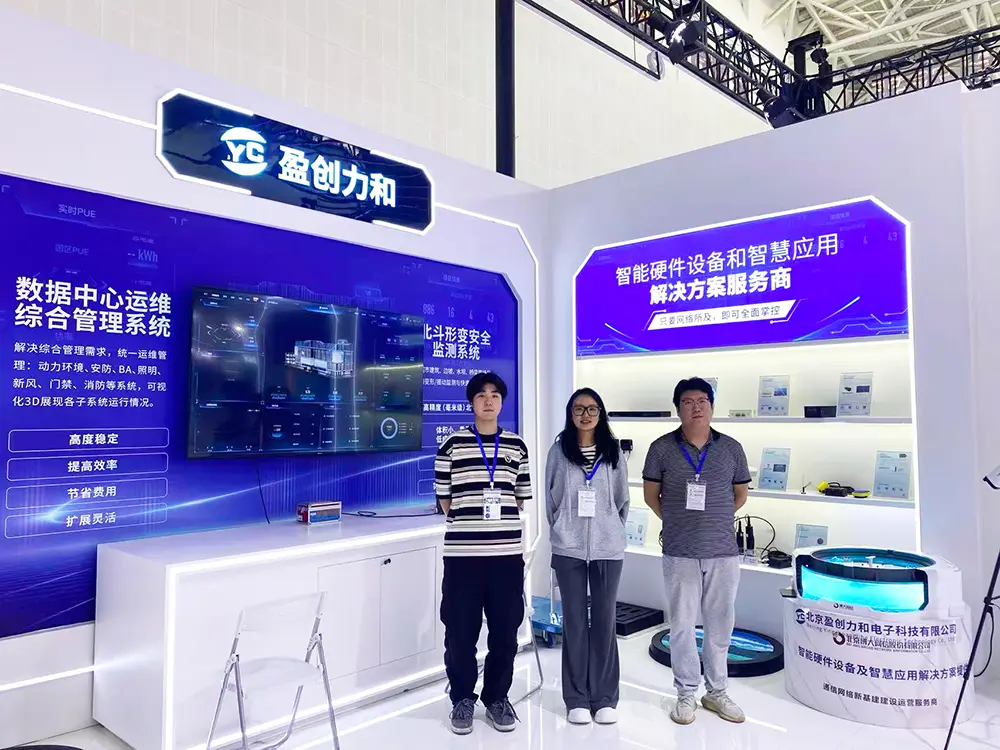
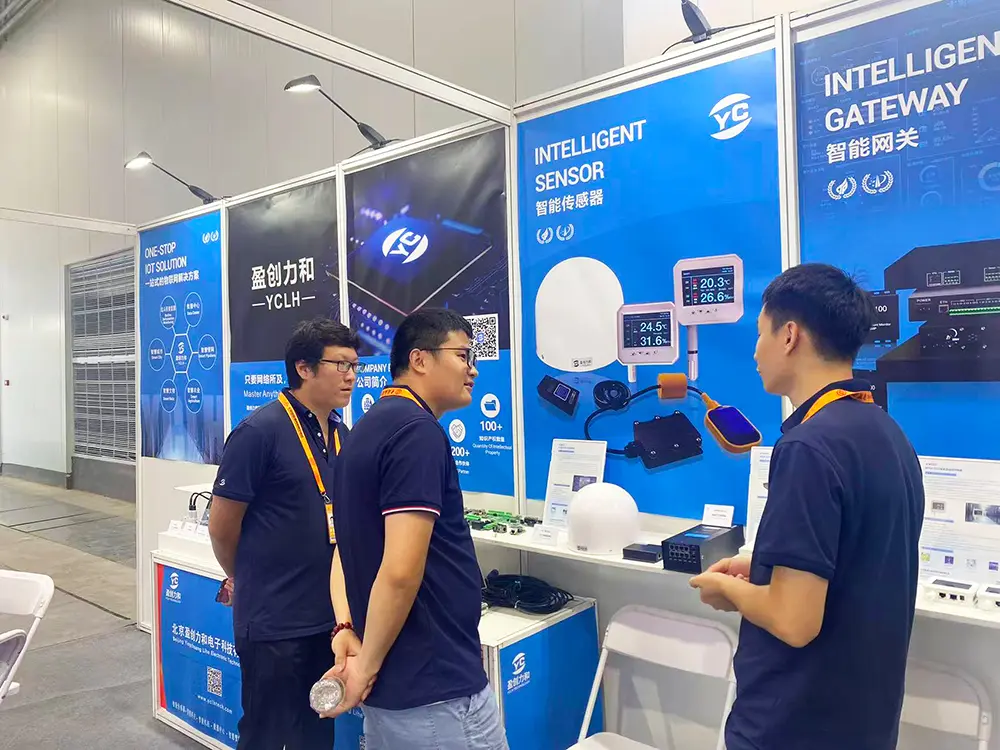
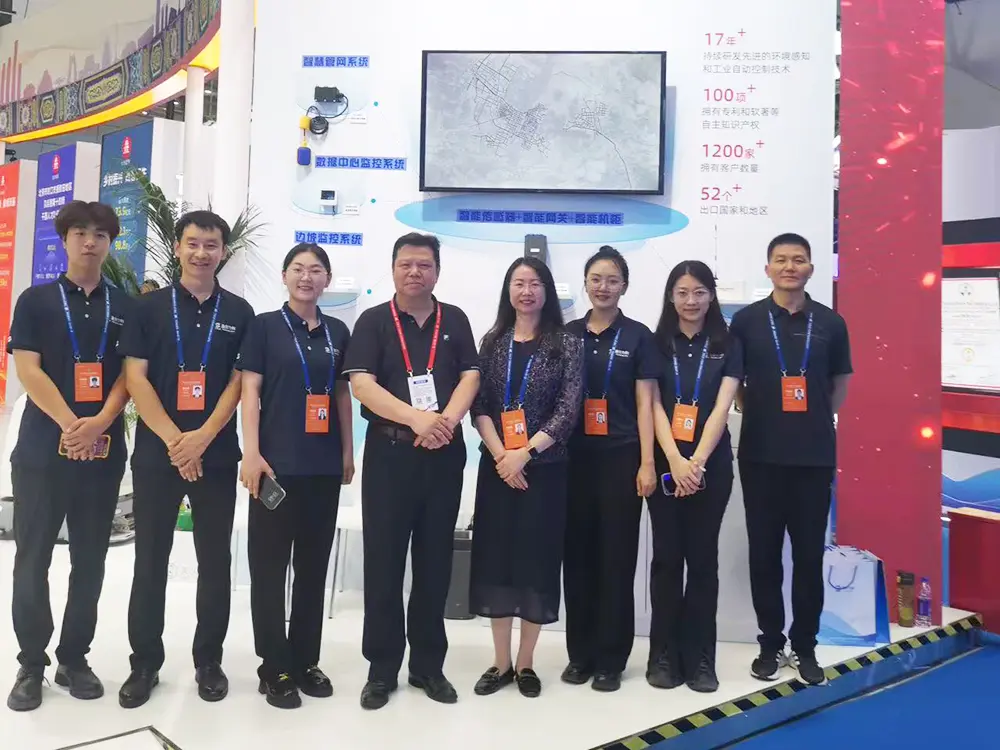
Fully certified production processes and verified deployment footprints across global industrial exhibitions.
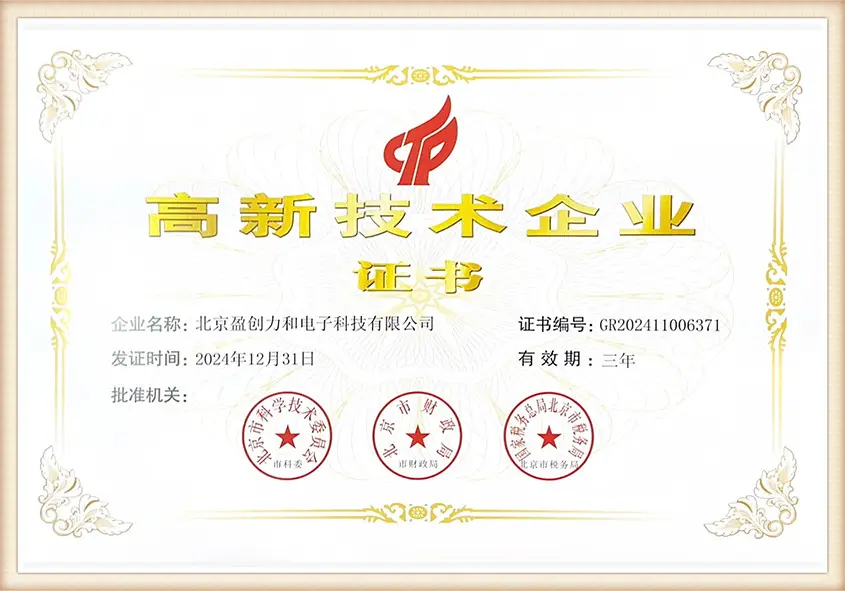
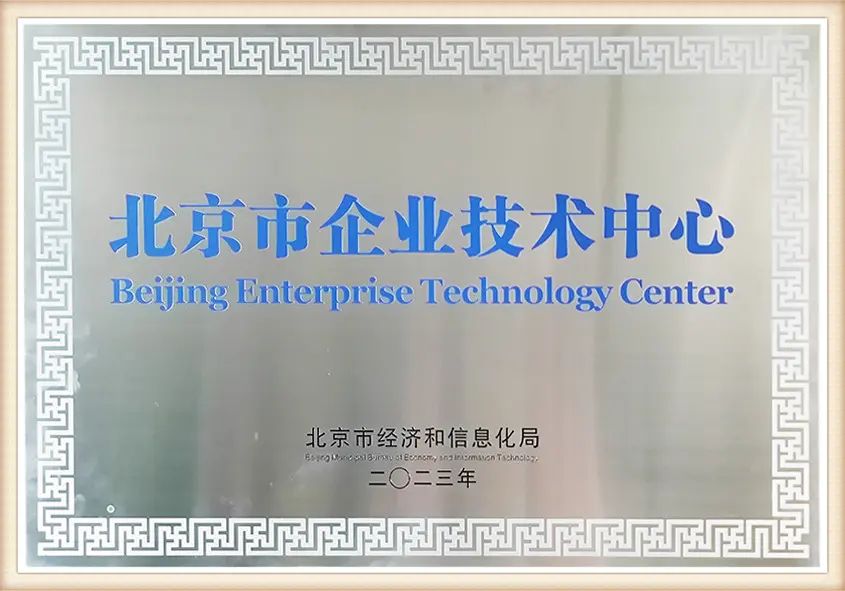
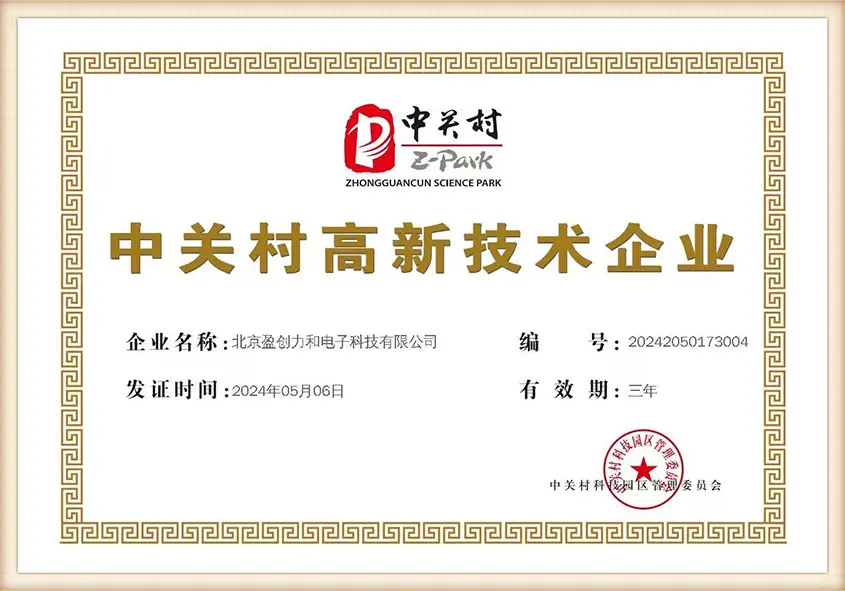
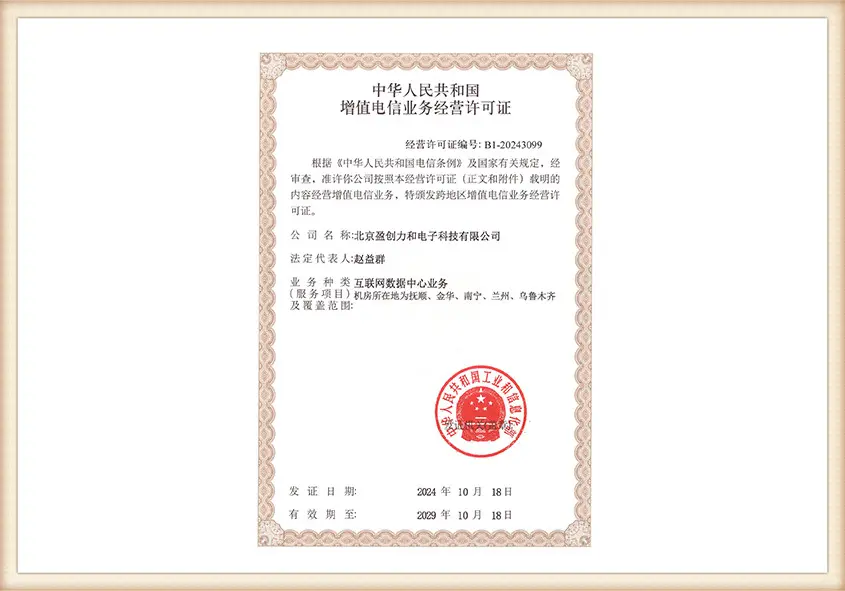
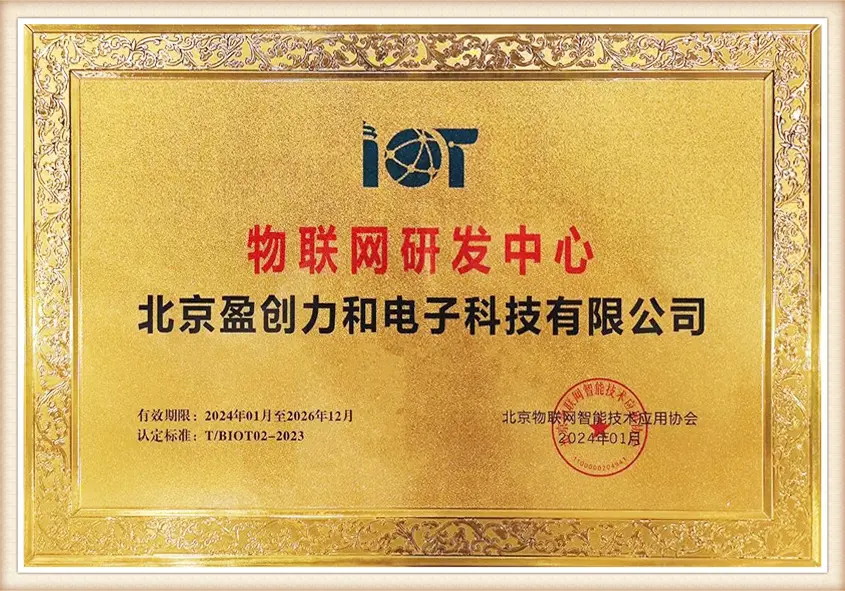
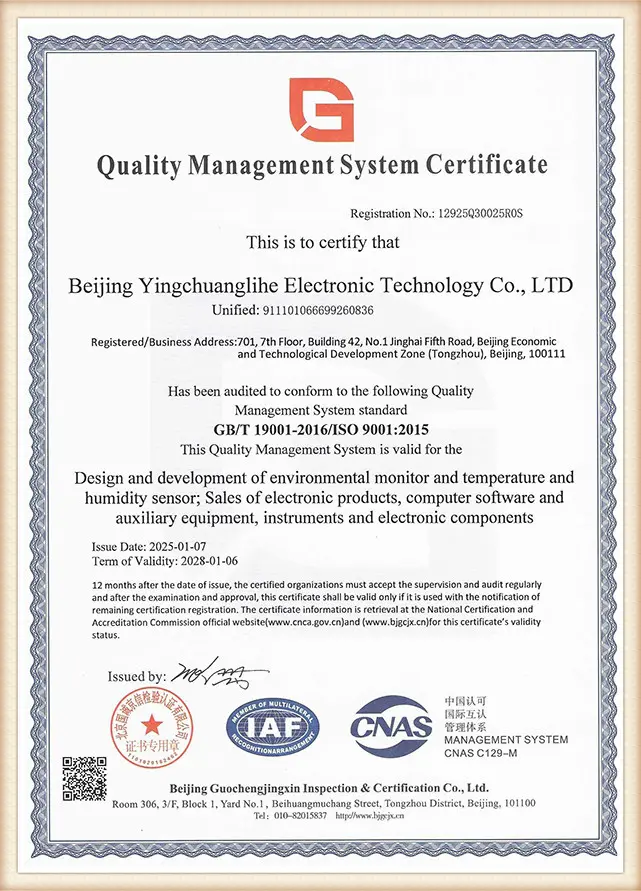
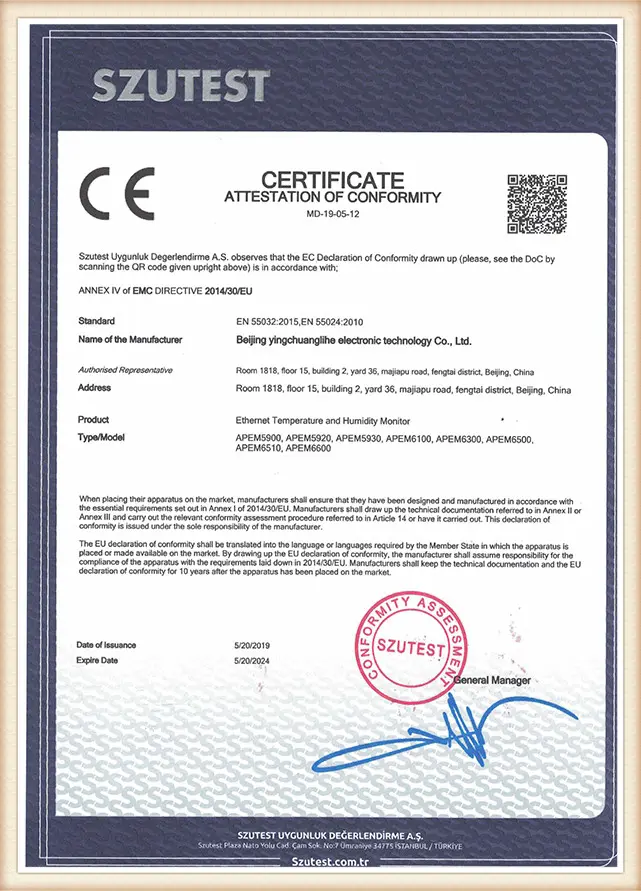
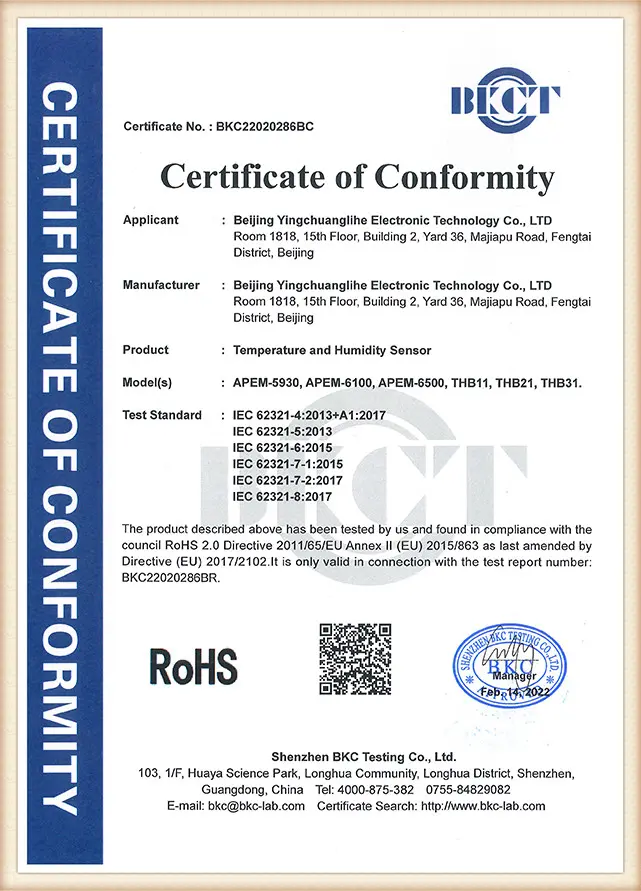
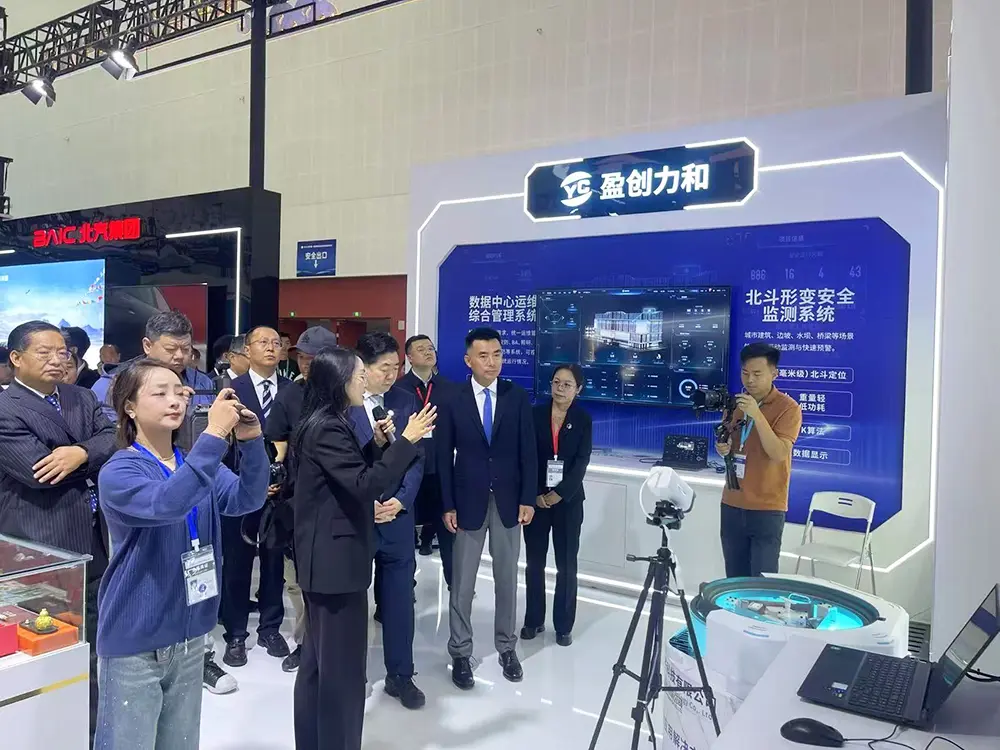
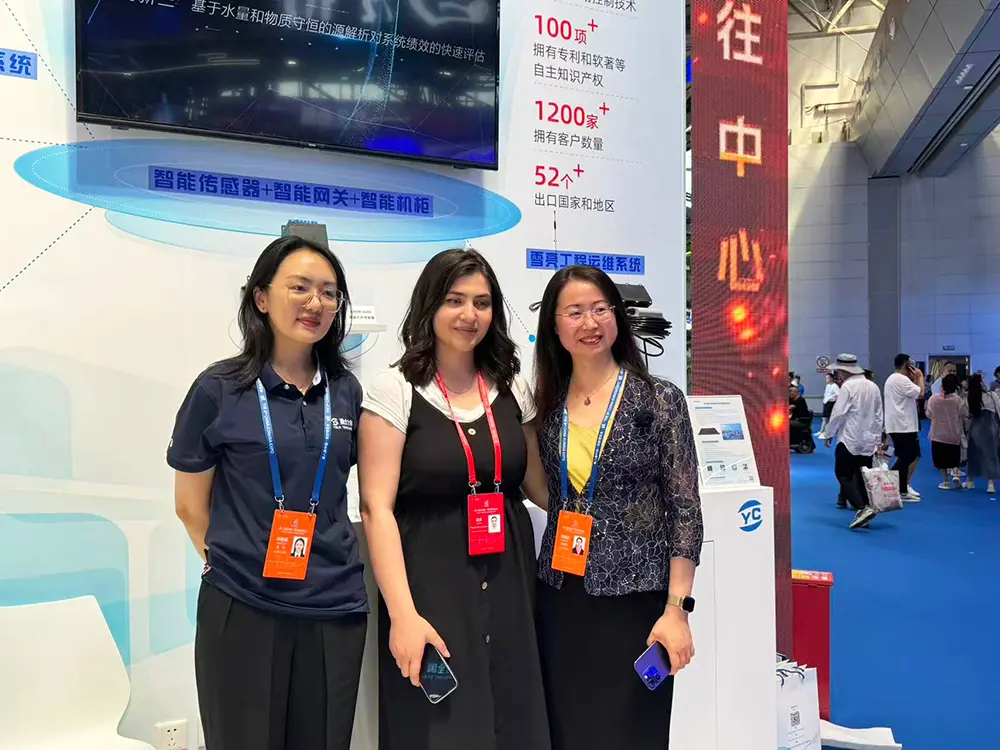
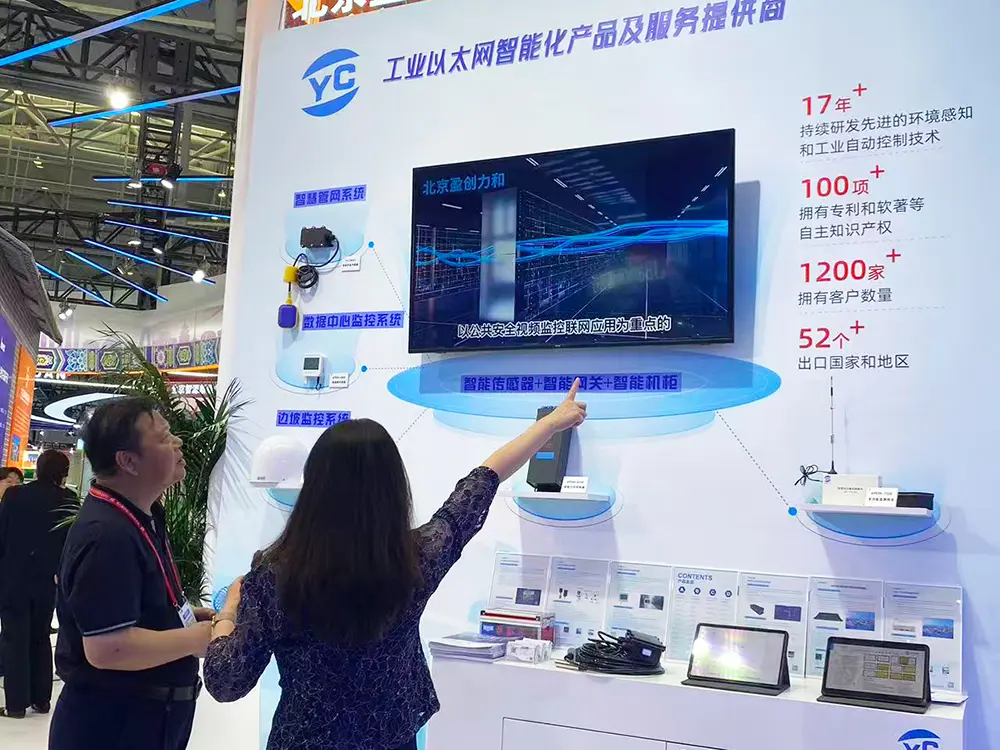
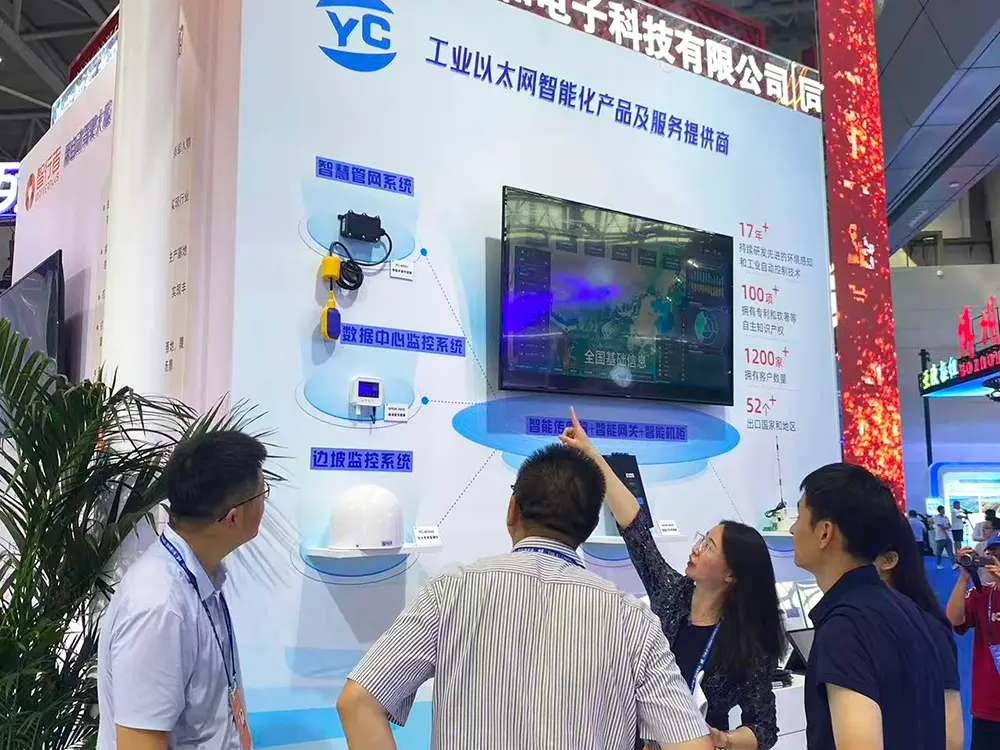
Verify details and specifications for our targeted network-connected environmental loggers.
High-stability sensing package designed for atmospheric pollution analysis and toxic gas early warning systems.
Integrated industrial sensor designed to track CO concentrations and general air parameters over standard Modbus TCP/IP.
Configurable sensor platform with custom label capabilities for large-scale enterprise deployments.
Enterprise-grade telemetry hardware featuring fast response times and stable calibration curves.
Our commitment to future-proofing environmental monitoring systems for smart cities.
The next generation of APEM environmental sensors will integrate low-power edge processor chips. This will allow the devices to perform local anomaly detection and baseline calibration shifts directly on the transmitter, reducing network polling requirements. In high-density colocation environments, edge computing identifies thermal patterns that indicate hardware cooling degradation before critical failures occur.
We are expanding our firmware capabilities to support simultaneous protocol distribution. Future APEM units will be able to report metrics to legacy building automation platforms using Modbus TCP while concurrently streaming telemetry JSON payloads to modern AWS IoT or Microsoft Azure endpoints over secure MQTT channels.
Addressing engineering questions regarding the deployment and configuration of the APEM sensor series.
Connect with our application engineers for help configuring your monitoring project or to request sample units.
Send Inquiry Now YCLH Sensor