Industrial grade Ethernet and wireless sensors featuring Swiss and German high-precision core chip integration.
An in-depth analysis of high-accuracy relative humidity and temperature transmitter engineering for mission-critical deployments.
In modern industrial and commercial operations, monitoring parameters such as temperature, relative humidity, dew point, and barometric pressure is no longer just a metric for convenience; it is a critical variable impacting operational continuity, hardware lifetimes, and chemical process integrity. As a premier smart humidity and temperature sensor supplier, Yingchuanglihe integrates cutting-edge MEMS sensing elements with versatile network connectivity (Ethernet, Wi-Fi, LoRa, RS485) to deliver industrial-grade telemetry solutions.
Traditional analog sensors suffer from signal degradation over long distances and require frequent manual calibration. The modern paradigm leverages digital smart sensors equipped with onboard microprocessors that perform signal filtering, linearization, and protocol packaging (such as Modbus TCP/RTU, SNMP, and MQTT) directly at the node. This eliminates transmission interference and allows seamless integration into Enterprise Asset Management (EAM), Building Management Systems (BMS), and Supervisory Control and Data Acquisition (SCADA) platforms.
Key procurement requirements, operational specifications, and deployment criteria across major international markets.
Enterprise procurement departments faces complex challenges when selecting wholesale smart humidity and temperature sensor suppliers. The purchasing matrix extends far beyond unit costs, focusing on long-term performance, protocol interoperability, and strict adherence to environmental standards.
Pharmaceutical cleanrooms and microelectronics fabrication lines require sensors calibrated using standards traceable to national metrology institutes (NIST or equivalent), with drift characteristics below 0.1°C and 1% RH annually.
By combining power and data communication into a single Cat5e/Cat6 cable, infrastructure managers cut deployment labor costs by up to 50% while guaranteeing continuous power via centralized UPS units.
Modern IoT networks demand local networks protection. Hardware platforms must support encrypted data streaming, firmware signing, and robust access control protocols to prevent unauthorized sensor node manipulation.
How Yingchuanglihe delivers precision telemetry for demanding environments.
Our core product line covers multiple parameter groups to suit diverse topological requirements:
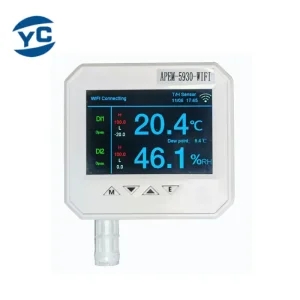
High-reliability wired PoE nodes (APEM-5930 Series) and dual-interface Wi-Fi solutions for flexible retrofitting in legacy buildings.
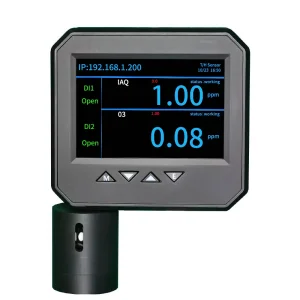
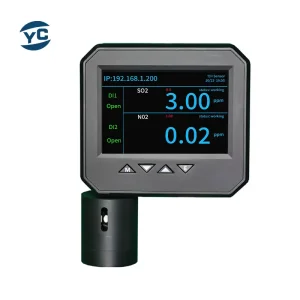
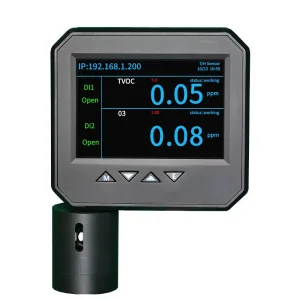
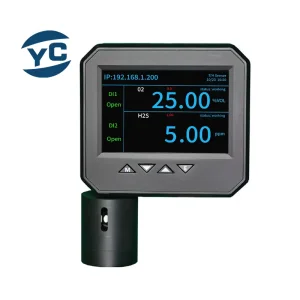
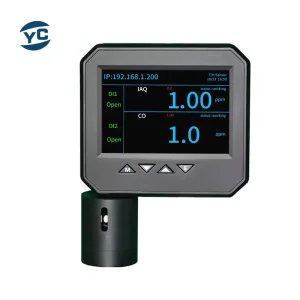
Combining temperature, humidity, dew point, barometric pressure, and gas tracking (CO, O₃, H₂S, SO₂, NO₂, TVOC, HCHO) within single intelligent housings.
LoRaWAN-compatible transceivers (APEM-5736 & APEM-5616 Pro) featuring extreme battery conservation profiles, perfect for wide-area operations.
End-to-end architectures leveraging smart sensors to optimize operations, preserve inventory, and satisfy regulatory guidelines.
Over-cooling is a major source of energy waste in modern data centers. Deploying APEM-5930 Ethernet Temp/Hum sensors at the rack inlet, mid-section, and exhaust allows real-time calculation of delta-T and thermal containment efficiency, optimizing cooling loops and preventing thermal runaways.
Temperature excursions in biological storages jeopardize efficacy. Utilizing our Ethernet and LoRa sensors with built-in data logging ensures an unbroken audit trail. The device continues to record environmental parameters even during network failures, uploading the cached database automatically upon reconnection.
Partnering with organizations like the Beijing Enterprises Water Group, Yingchuanglihe implements specialized gas-integrated temperature and humidity nodes (APEM-5930G-O₂-H₂S) to detect gas leaks and monitor corrosive humidity profiles in sewage collection shafts and pipeline systems.
A track record of continuous innovation and strategic partnerships in environmental monitoring.
The company was founded and developed an intelligent environmental monitoring terminal based on the TCP/IP network protocol. In the same year, the initial version of environmental monitoring software was developed.
In collaboration with Mocha Software, a leading domestic network management software company, a series of SNMP protocol-supported environmental monitoring products, TH-5939, were launched.
In partnership with Switzerland's COMLAB, the TH-5869 protective Ethernet environmental monitoring device was introduced, successfully applied in high-speed rail projects such as the Beijing-Kowloon Line, Beijing-Shanghai Line, and Wuhan-Guangzhou Line.
Cooperating with Founder Technology, the APEM-6100 Ethernet environmental monitoring device was launched. This product was among the early environmental monitoring devices to adopt Power over Ethernet (PoE) technology.
Collaboration with Taiwan's Foxconn, combined with the influence of clients in the industry, established the company's products as one of the industry standards for environmental monitoring in production workshops.
In partnership with Baidu, the next-generation APEM-5900 Ethernet intelligent environmental monitoring terminal was launched, successfully deployed at Baidu's Yangquan Data Center. The environmental monitoring software was also upgraded that year to support a multi-parameter environmental monitoring system.
A smart solutions system was introduced, adopting and implementing multi-scenario project cases. The monitoring system expanded horizontally, starting with smart data centers.
An integrated outdoor cabinet monitoring system was launched, successfully applied in projects such as Huawei and China Merchants Huaruan ETC expressway initiatives.
Deep involvement in the research, design, and development of Beijing's high-level autonomous driving road test integrated boxes and edge computing gateways, providing highly reliable road test equipment solutions.
Participation in the construction of intelligent computing center projects, providing key technical support in core areas such as the establishment of intelligent computing infrastructure.
The company established joint business divisions with Beijing Enterprises Water Group and co-founded a Beidou business division with Beijing University of Civil Engineering and Architecture. Technological breakthroughs were achieved in the fields of smart pipeline network monitoring and Beidou high-precision deformation monitoring. Additionally, the company obtained Internet Data Center (IDC) business qualifications.
Investigating the integration of Edge AI, self-calibration, and multi-modal sensing platforms.
The next generation of environmental nodes features embedded algorithms that compute parameters beyond raw temperature and humidity. Our current hardware calculates the dew point internally, enabling local alert mechanisms to trigger directly at the edge, bypassing central servers. Future iterations will incorporate machine learning models on the microcontroller to predict condensation risks, analyzing temperature gradients to anticipate moisture buildup before it occurs.
As microelectronics miniaturize, our R&D direction focuses on consolidating multivariable sensors onto single chips. Integrating TVOC, particulate matter (PM2.5/PM10), ozone, temperature, humidity, and barometric pressure onto a unified MEMS die reduces power draws, minimizes footprint, and drives down deployment costs for dense smart-building networks.
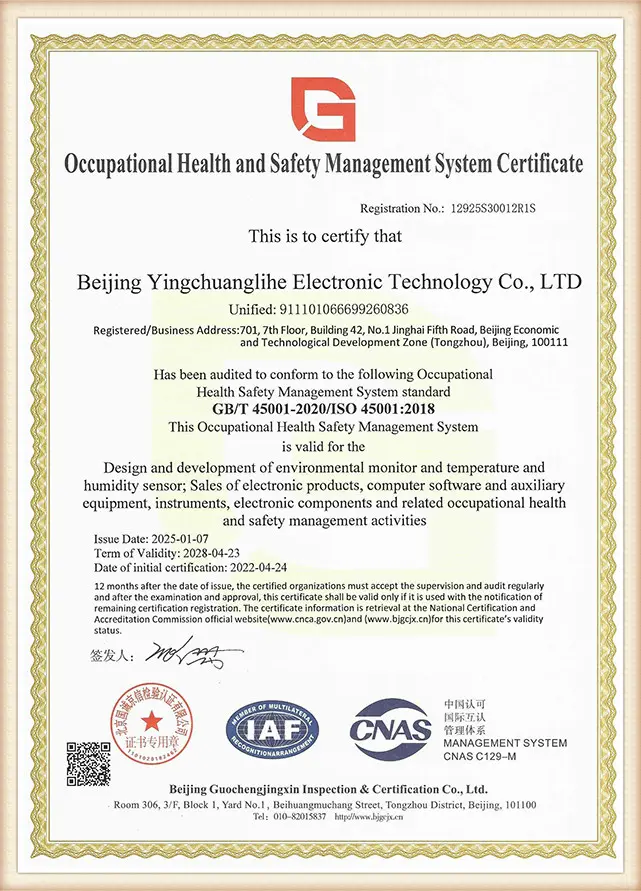
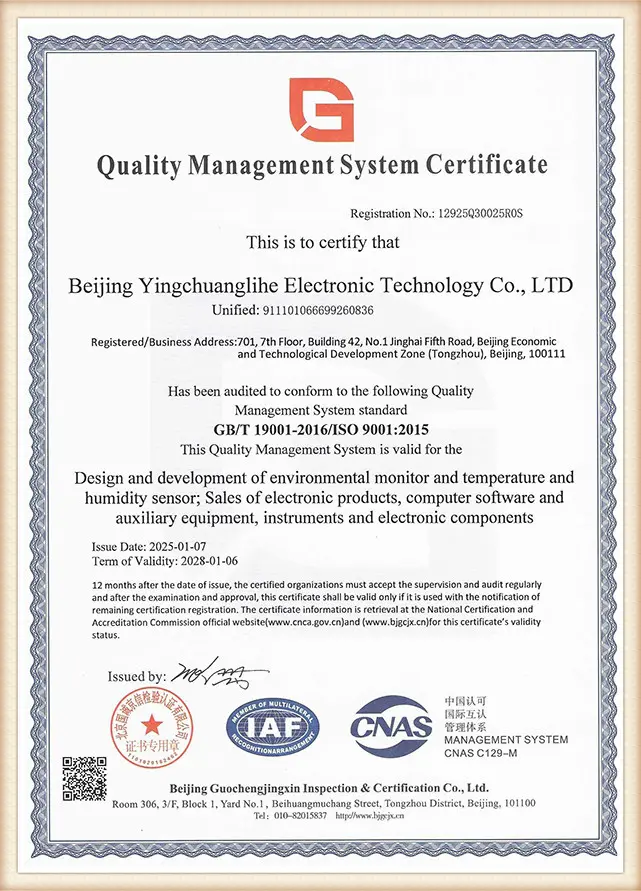
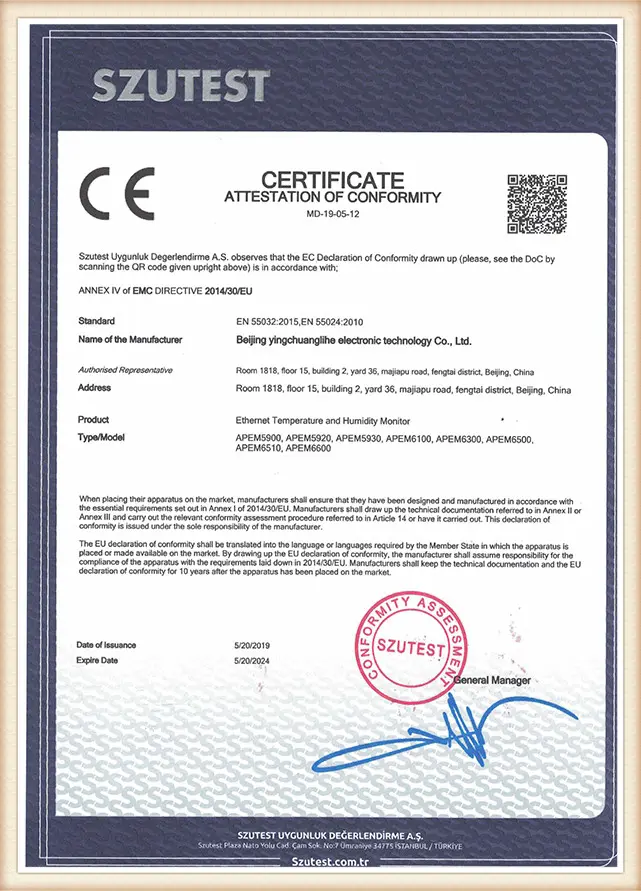
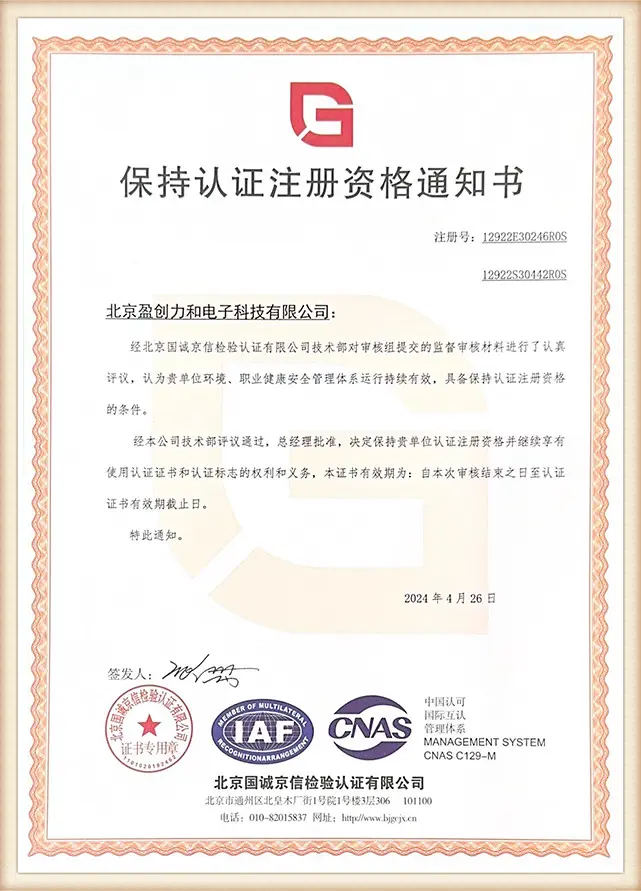
Validated quality management systems and active engagement with global industrial automation sectors.
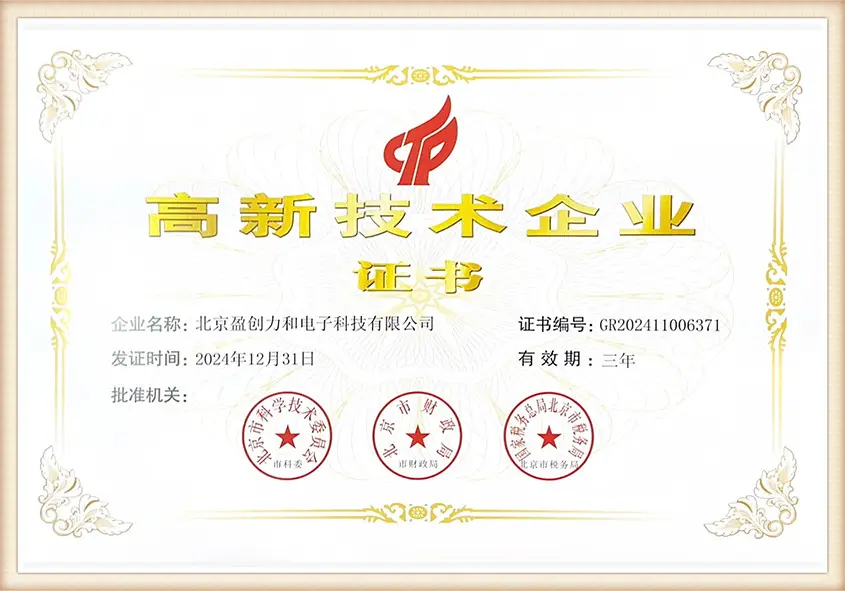 Quality Management Audit
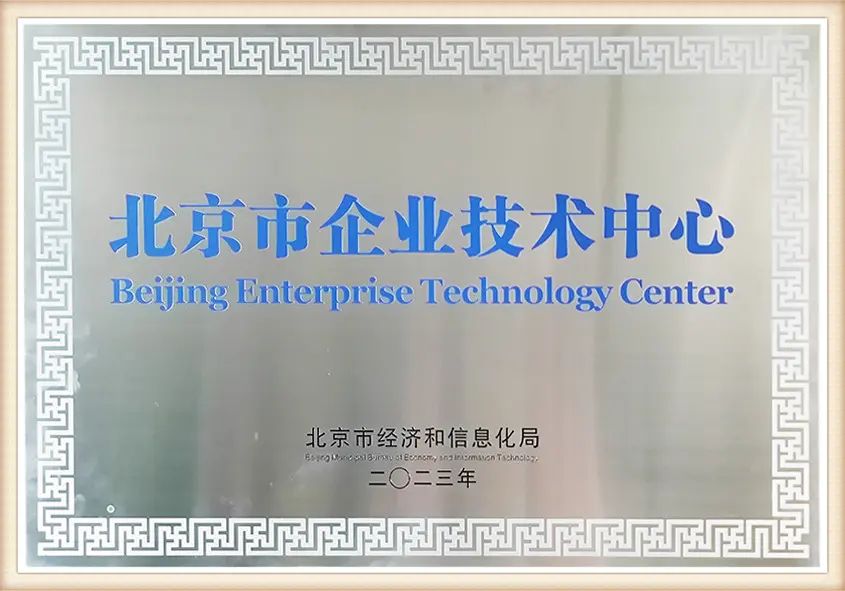 System Compliance Seal
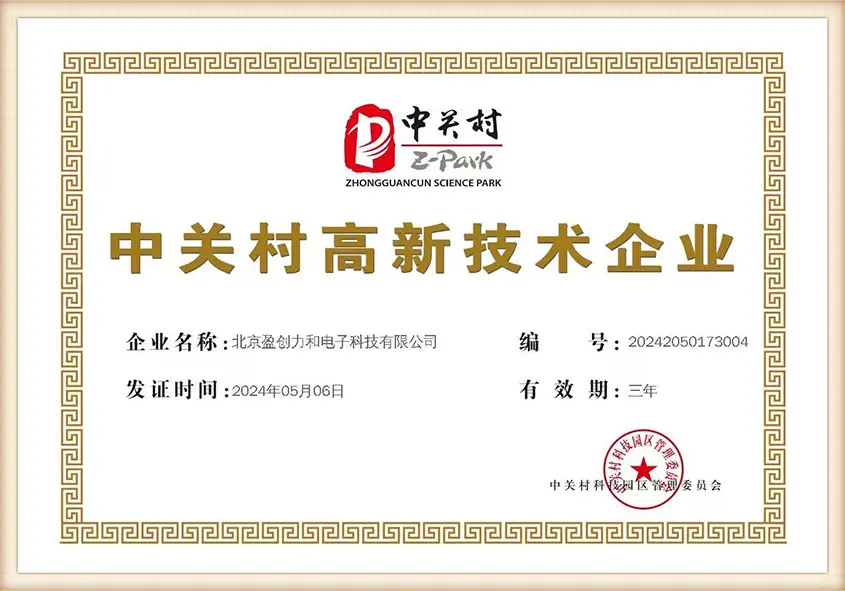 Manufacturing Standard
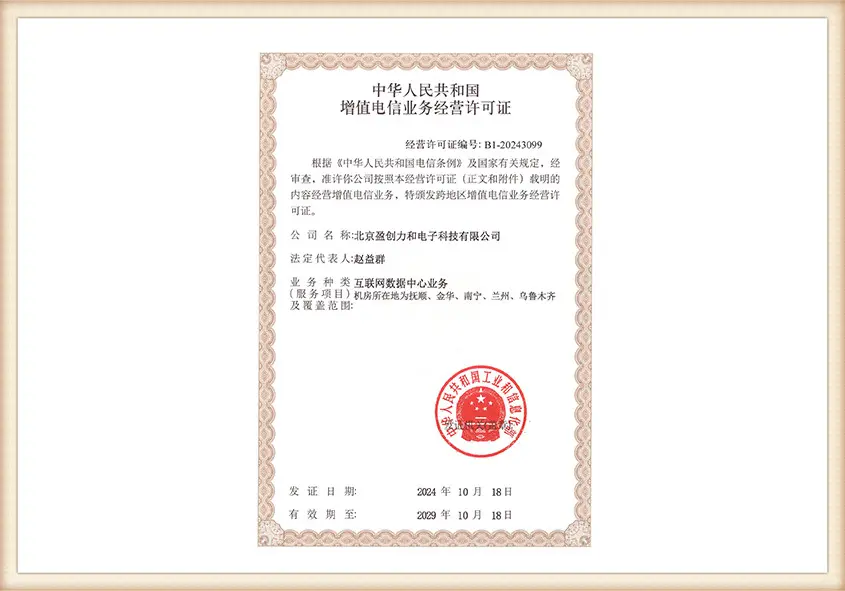 CE Certification
 RoHS Conformity
 FCC Part 15 Compliance
 IP Rating Certification
 Calibration Standard Audit
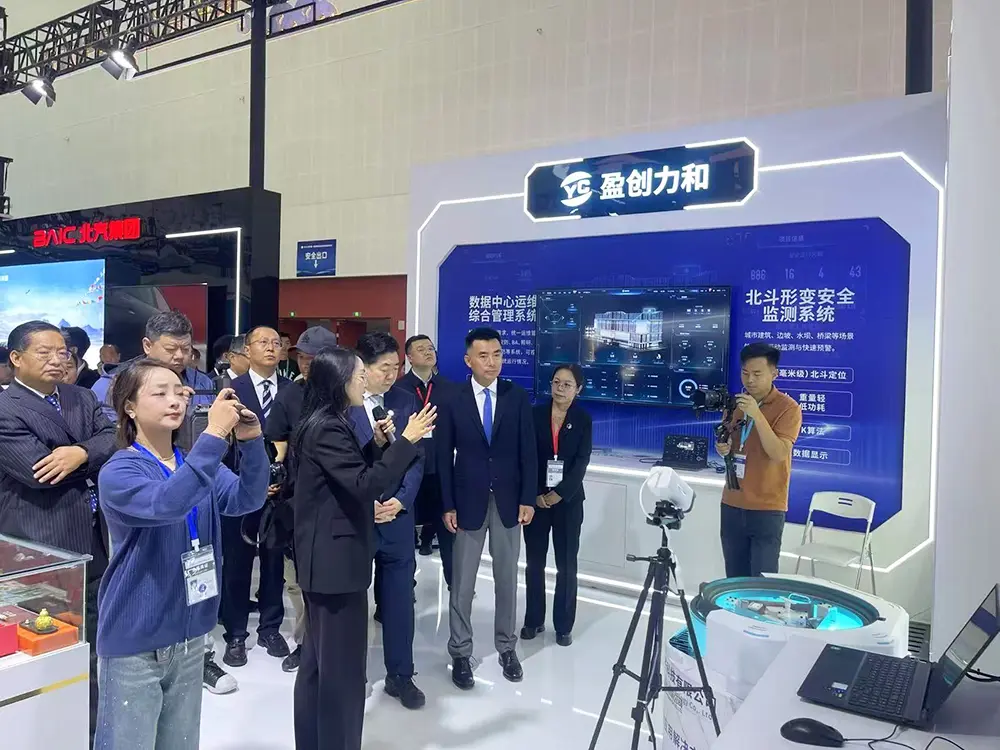 Technical Product Presentation
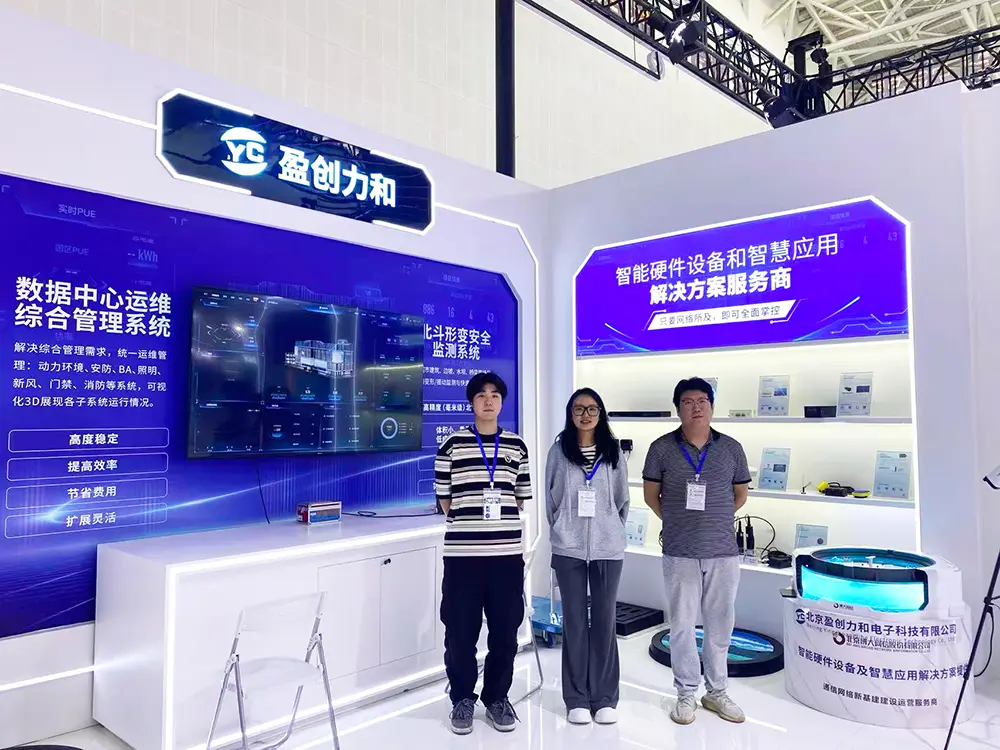
 Client Consultations
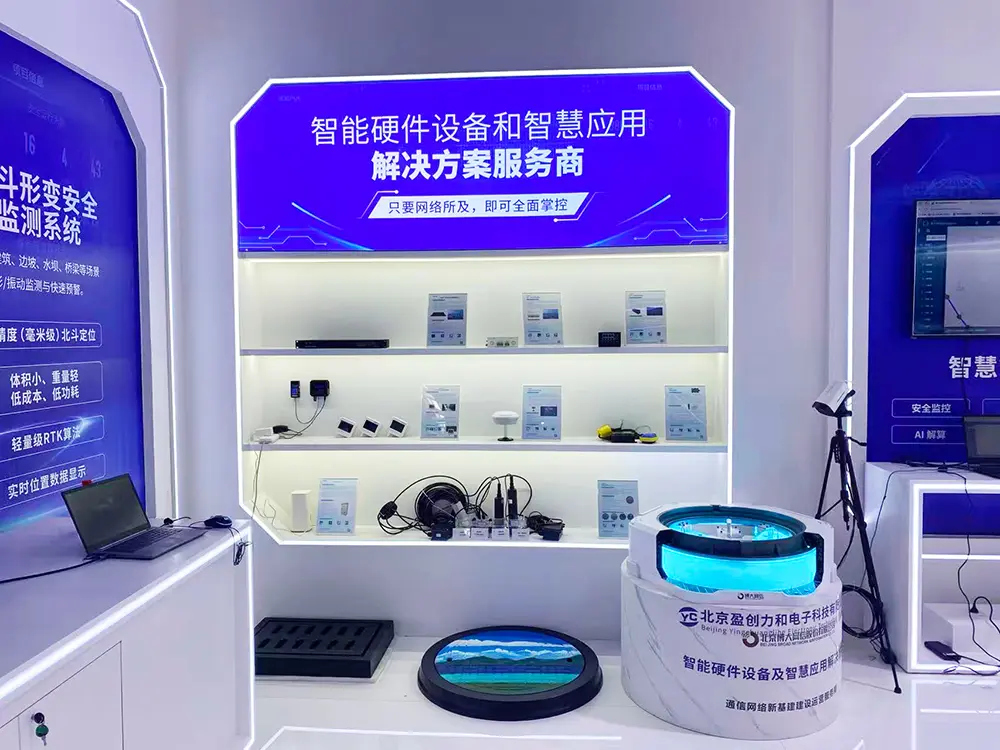
 Live Hardware Demonstrations
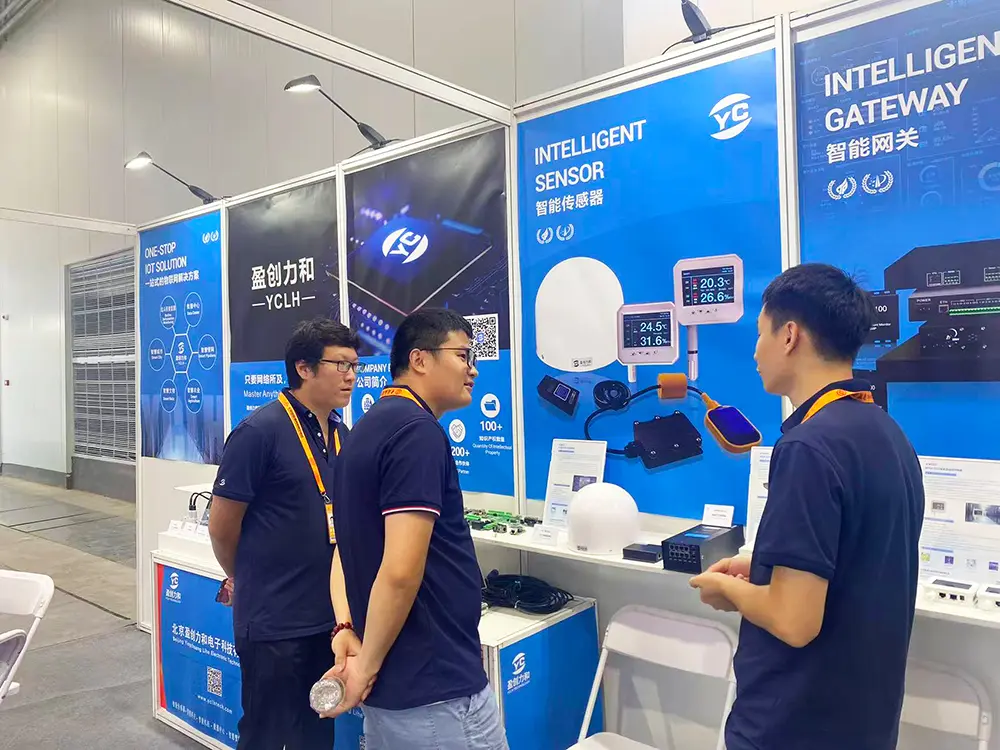 Global Trade Interfacing
Minimizing lead times and offering expert engineering support to international wholesale buyers.
Global logistics delays can stall facility integrations. To protect our wholesale partners, Yingchuanglihe maintains an extensive raw material inventory, stocking core Swiss sensing dies and international microcontrollers. This allows us to scale production rapidly during demand spikes, keeping dispatch timelines within defined SLA windows.
Technical integration challenges can occur during initial site setups. Our specialized support engineering group guarantees feedback within 8 hours on protocol implementation questions, electrical issues, or custom enclosure requests. We provide configuration scripts, register maps, and network topology consulting directly to your local field technicians.
Detailed performance parameters of our flagship environmental sensing devices.
Power Architecture: DC12~48V + POE Power Supply.
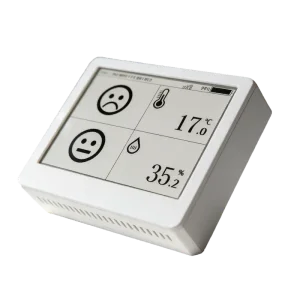
Telemetry Outputs: Temperature, Relative Humidity, and Real-time Dew Point.
Deployment: Designed for servers, high-density IT closets, and general warehouse facilities.
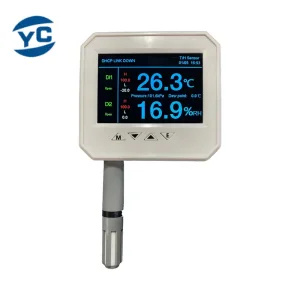
Integrated Variables: Temperature, Humidity, Dew Point + Atmospheric Pressure.
Use Case: Cleanrooms requiring precise differential pressure monitoring to prevent cross-contamination and track HVAC airflow.
Hardware Setup: Separates the sensor core from the Ethernet network block via a 1-3 meter ruggedized cable.
Benefit: Allows installation in high-heat, high-humidity, or enclosed spaces while protecting the network interface.
Answers to common technical, integration, and procurement questions from industrial system integrators.
A: High-precision Swiss SHT series and German sensing dies provide excellent long-term drift characteristics (typically <0.03°C and <0.25% RH per year). They also offer quick response times (under 8 seconds) and excellent recovery from saturation (100% condensing humidity), whereas basic sensors suffer from permanent drift and hysteresis after condensation events.
A: Yes. Our Ethernet and Wi-Fi sensor series feature native TCP/IP protocol stacks. They transmit values directly via Modbus TCP, SNMP (v1/v2c/v3), MQTT, or HTTP GET/POST queries to local database systems, cloud IoT cores, or SCADA software, eliminating the need for translation gateways.
A: LoRaWAN operates on sub-GHz frequencies (e.g., US915, EU868), offering superior obstacle penetration and transmission ranges of up to 10km in open fields or several floors within concrete buildings. Additionally, a battery-powered LoRa sensor (like the APEM-5736) can operate for 3 to 5 years on a single charge due to its low power draw, whereas Wi-Fi nodes typically require constant external power.
A: The dew point indicates the temperature at which air saturates and condenses into liquid water. In cold storage, monitoring the dew point helps prevent condensation on stored pharmaceuticals or food items. In smart agriculture, combining dew point and temperature data allows growers to track Vapor Pressure Deficit (VPD), optimizing transpiration and preventing plant pathogens.
A: We offer hardware redesign, customized housings (including high IP ratings like IP67 for washdown environments), tailored cable lengths, private labeling (logo printing), and custom firmware development (such as adding custom Modbus registers, specific JSON payloads, or specialized polling schedules).
A: Yes. Because our IP-enabled devices natively support SNMP, they integrate easily with network monitoring systems such as PRTG, Zabbix, Nagios, or SolarWinds. We provide the corresponding MIB files to quickly set up auto-discovery and environmental alerts.
A: For non-corrosive, stable office or server room environments, we recommend verification every 12 to 24 months. In high-exposure industrial locations, chemical cleanrooms, or pharmaceutical laboratories, annual calibration is standard to comply with ISO/IEC 17025 and GMP regulations.
A: The APEM-5930G features internal modular slots that allow combining electrochemical and photoionization gas sensors alongside the base temperature and humidity components. This setup collects multiple data points simultaneously, saving space and reducing network wiring requirements.
Additional smart environmental monitoring transmitters for industrial, lab, and long-range IoT setups.
 YCLH Sensor