High-precision Ethernet, PoE, and wireless monitoring solutions tailored for global enterprise deployment
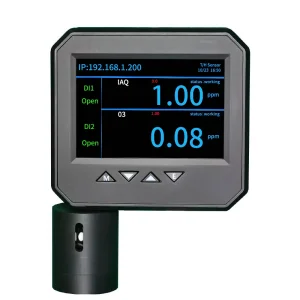
Reliable monitoring solutions integrating temperature, humidity, and chemical diagnostics for professional environments.
View Details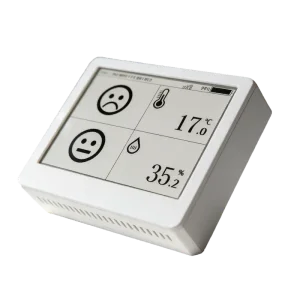
Long-range low-power telemetry terminal optimized for extensive agricultural, warehouse, and structural deployments.
View Details
Reliable localized monitoring featuring custom-calibrated sensors and flexible payload transmission frequencies.
View Details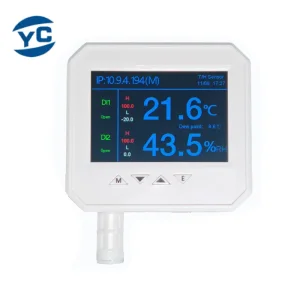
Fully customizable PoE active sensor delivering stable data transmissions and simplified single-cable installations.
View Details
Enterprise-grade PoE telemetry module designed for high-density racks and server room environmental containment.
View Details
Wireless solution optimized for extreme environments, ensuring wide coverage and stable transmission channels.
View Details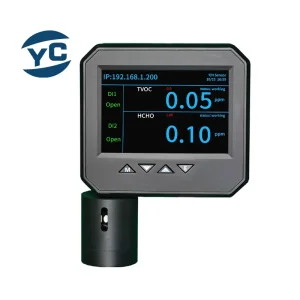
All-in-one indoor volatile compound, formaldehyde, temperature, and humidity data logger with PoE support.
View Details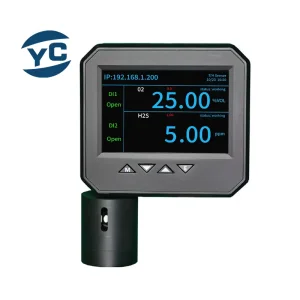
Multi-sensor integrating O₂, H₂S, temperature, and relative humidity for hazardous and industrial applications.
View DetailsA Comprehensive Whitepaper on Networking Topologies for Critical Environmental Monitoring
In modern industrial and enterprise facilities, implementing environmental sensors requires careful selection of IP address assignment protocols. Choosing between Dynamic Host Configuration Protocol (DHCP) and Static IP Addressing is not merely a task of network administration; it affects system architecture, security, scaling, and fault tolerance.
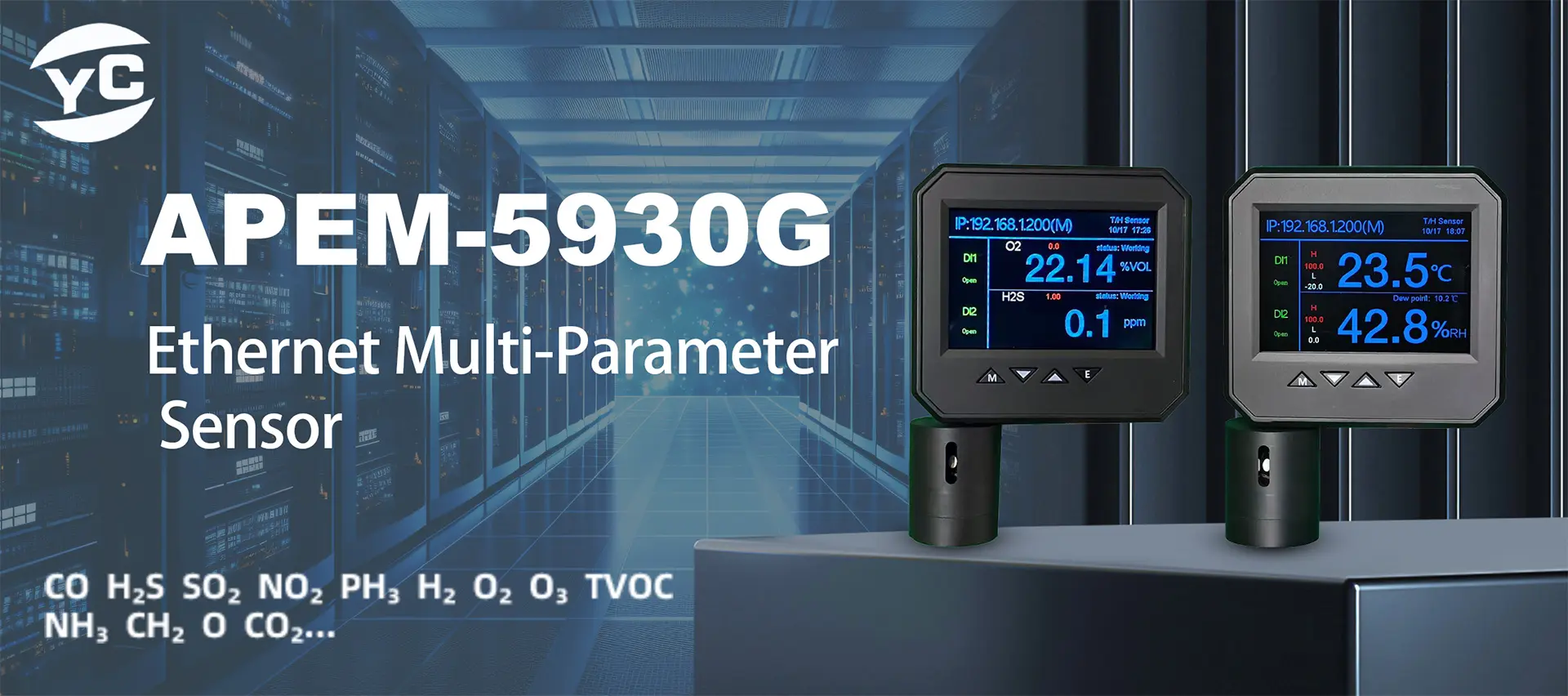
Yingchuanglihe's dual-mode environmental sensors (including the APEM-5930 and APEM-5930G series) support both DHCP and Static IP modes. This flexibility allows integration into varying network environments, from dynamic building management systems (BMS) to strict industrial automation networks.
Dynamic Host Configuration Protocol (DHCP) automatically assigns IP addresses, subnet masks, default gateways, and DNS servers to devices upon connection. For large installations, DHCP reduces manual configuration, preventing address duplication and routing conflicts. However, DHCP relies on a central DHCP server. If the server experiences downtime or if IP addresses lease times are misconfigured, sensors may experience communication interruptions.
Static IP addressing, conversely, configures specific network parameters on each sensor. The device retains this address permanently unless modified. Static IP configuration is preferred in industrial environments using Modbus TCP or raw TCP/IP sockets, where host applications poll sensors at fixed addresses. In these networks, reliability depends on the device, independent of external lease renewals.
Design Guideline: For systems using SNMP or software polling (e.g., Baidu Yangquan Data Center), Static IP addressing secures stable routing. For scalable commercial buildings or dynamic IoT setups, DHCP with MAC address reservation provides automated deployment along with fixed addressing.
Integrating sensors into existing local area networks (LANs) is simplified through Power over Ethernet (PoE) technology (IEEE 802.3af/at). Our APEM-5930 series delivers power and data over a single Category 5e/6 cable. This structure reduces wiring costs, eliminates the need for localized AC-DC power converters, and permits installation in hard-to-reach locations such as server rack caps, cold-storage walls, or cleanrooms.
By implementing PoE alongside DHCP/Static IP configuration options, facility engineers can configure managed network switches to isolate sensor traffic into dedicated Virtual Local Area Networks (VLANs). This enhances network security by separating environmental telemetry data from corporate business traffic.
The global sensor market is shifting toward multi-parameter detection. Industrial operations now regularly monitor volatile compounds (TVOCs), ozone (O₃), sulfur dioxide (SO₂), carbon monoxide (CO), and differential pressure alongside temperature and humidity. These parameters prevent degradation in chemical processing, semiconductor cleanrooms, and food and pharmaceutical logistics.
Yingchuanglihe's custom sensor lines address this demand. The APEM-5930G multi-gas data loggers integrate several telemetry types into a single chassis. This design reduces required network drops, IP address usage, and physical mounting footprints, helping enterprises lower total cost of ownership (TCO).
Beijing Yingchuanglihe Electronic Technology Co., Ltd. — Key Metrics
Founded in 2007, Beijing Yingchuanglihe Electronic Technology Co., Ltd. designs and manufactures environmental monitoring sensors. Located in Beijing, our 1,500 square meter facility integrates research, development, and volume production. We supply high-precision sensors utilizing components from Switzerland and Germany to deliver stable, long-term performance across demanding industries.
Why Industrial Systems Integrators Choose Yingchuanglihe Solutions
Our sensors incorporate Swiss and German chips to maintain low drift, rapid response times, and high accuracy for temperature, humidity, dew point, and barometric pressure measurements.
We provide full hardware modification, custom housing, tailored firmware protocols (including Modbus TCP, MQTT, SNMP, HTTP Post), and custom packaging for high-volume orders.
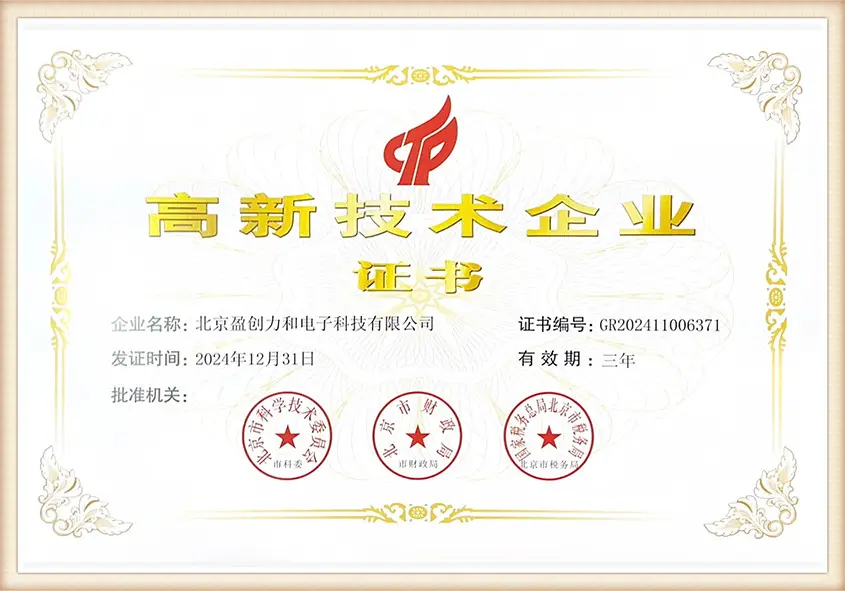
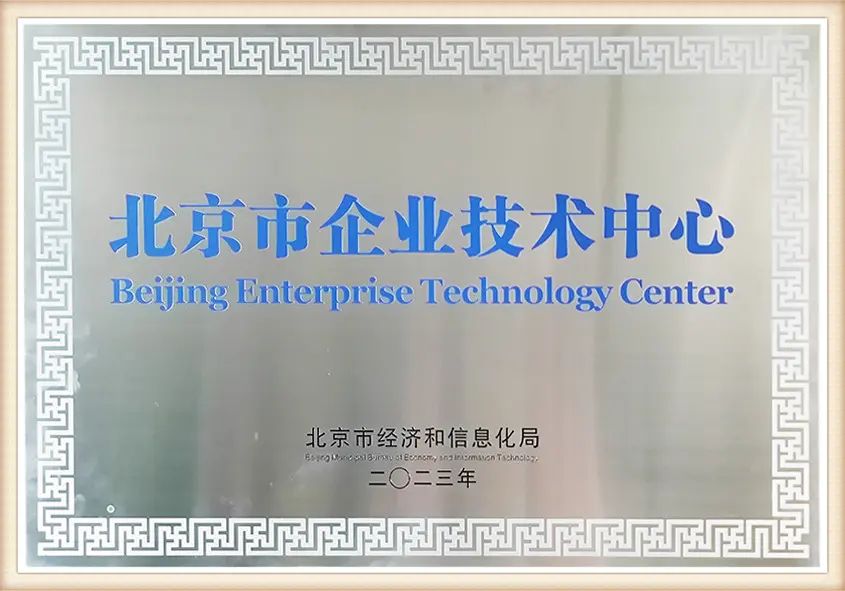
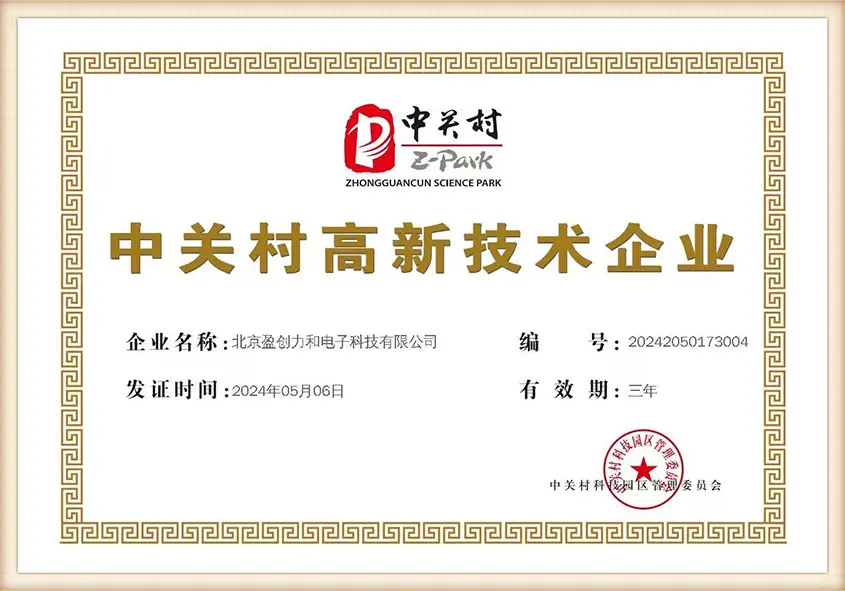
Our complete manufacturing pipeline and hardware designs carry CE, FCC, and RoHS certifications, ensuring compliance with global import and installation regulations.
Decades of Technical Growth and Strategic Industry Partnership
Beijing Yingchuanglihe was founded. Developed our first intelligent environmental monitoring terminal utilizing the TCP/IP network protocol and released version 1.0 of our environmental monitoring software suite.
Partnered with Mocha Software to launch the TH-5939 series of environmental monitoring devices, introducing support for the Simple Network Management Protocol (SNMP).
Collaborated with Switzerland's COMLAB to develop the TH-5869 protective Ethernet environmental monitor, deployed in high-speed rail projects including the Beijing-Kowloon and Wuhan-Guangzhou lines.
Partnered with Founder Technology to release the APEM-6100, one of our earliest monitoring devices integrating Power over Ethernet (PoE) technology.
Collaborated with Foxconn to establish our sensor equipment as an option for environmental monitoring in electronics assembly and production cleanrooms.
Partnered with Baidu to launch the APEM-5900 Ethernet environmental terminal, deployed at Baidu's Yangquan Data Center. Expanded software to support multi-parameter environmental systems.
Introduced a smart solutions system to deploy multi-scenario project cases, expanding monitoring capabilities from data centers to broader industrial settings.
Released an integrated outdoor cabinet monitoring system, deployed in highway projects including Huawei and China Merchants Huaruan ETC expressway initiatives.
Designed and developed road-test integration boxes and edge computing gateways for Beijing's high-level autonomous driving pilot zones.
Supplied environmental monitoring technology for the construction of modern intelligent computing centers and infrastructure.
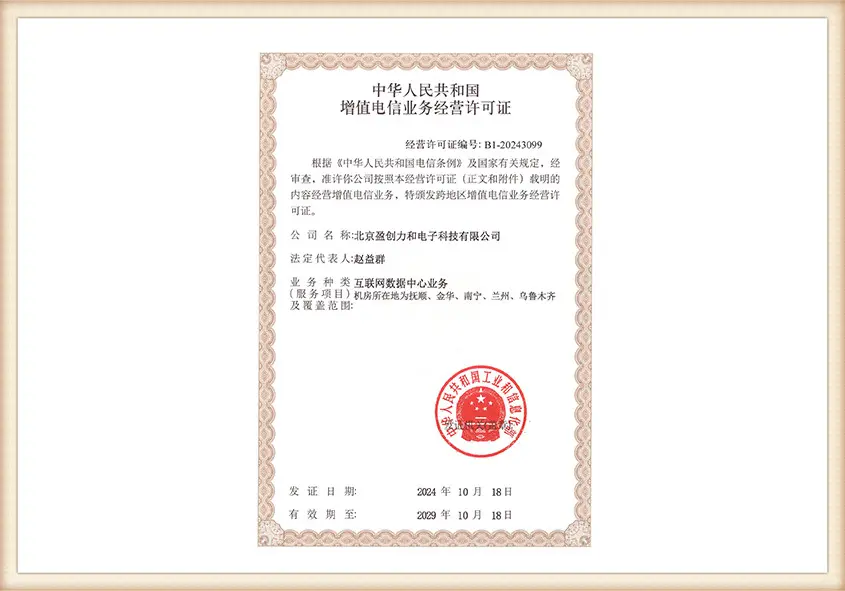
Established joint business divisions with Beijing Enterprises Water Group and co-founded a Beidou division with BUCEA. Achieved milestones in pipeline networks and deformation monitoring, and acquired Internet Data Center (IDC) business qualifications.
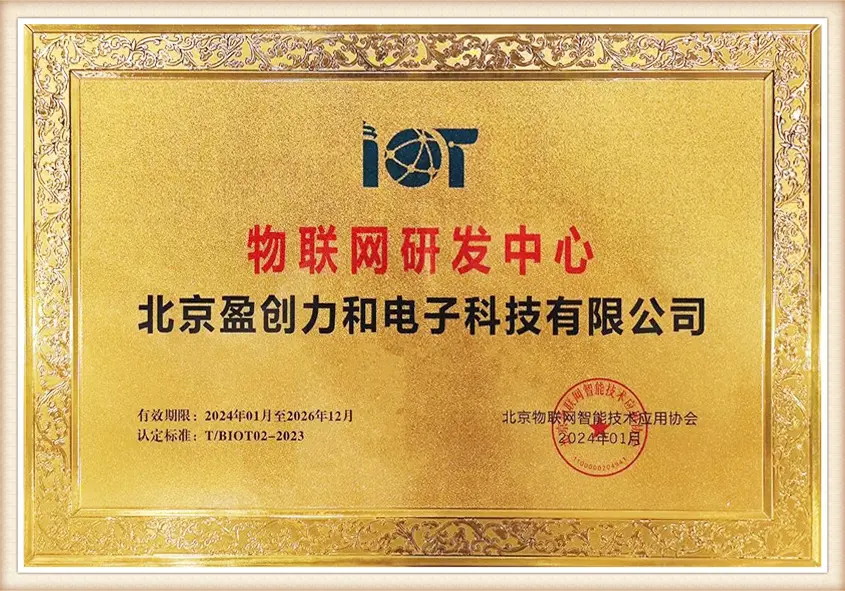
Rigorous Quality Audits and Certified Compliance Frameworks

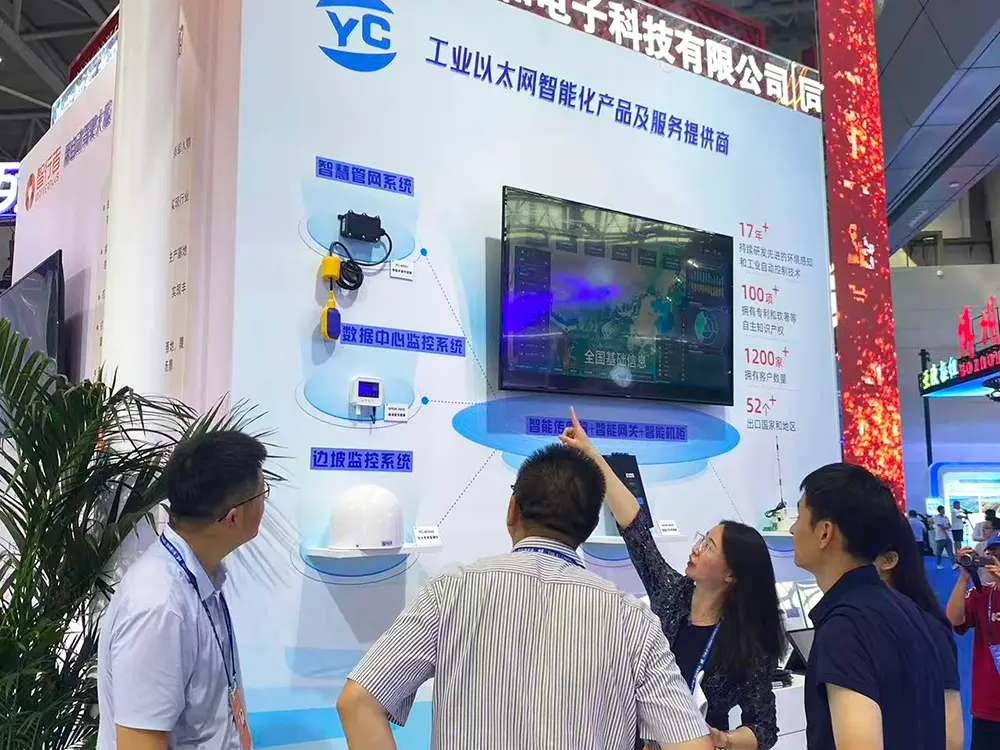
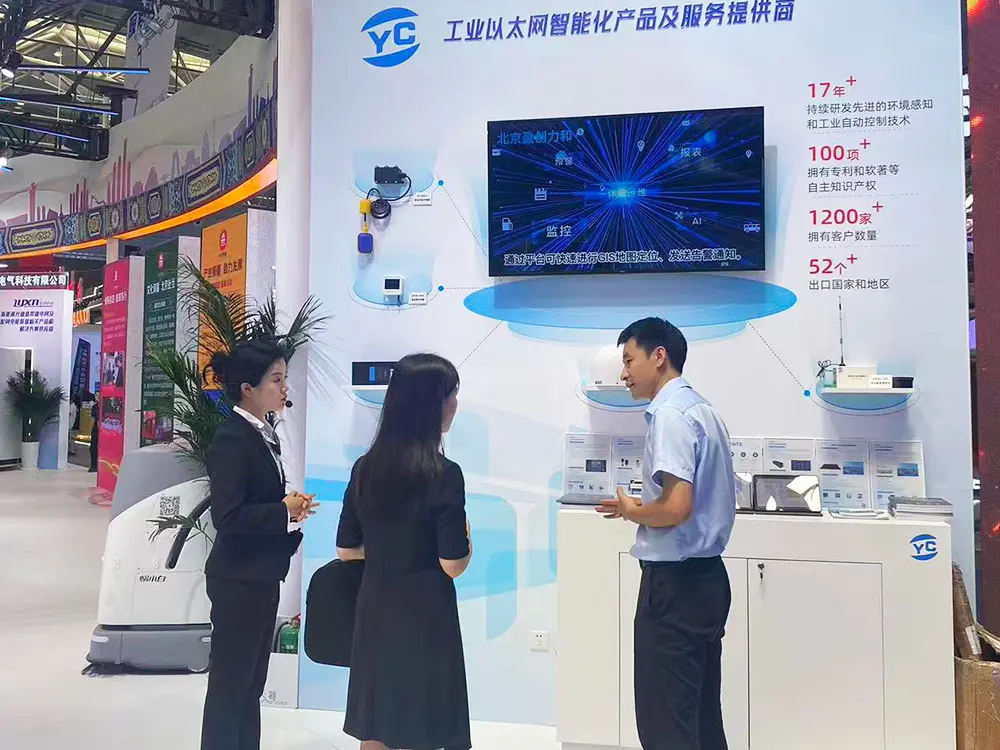
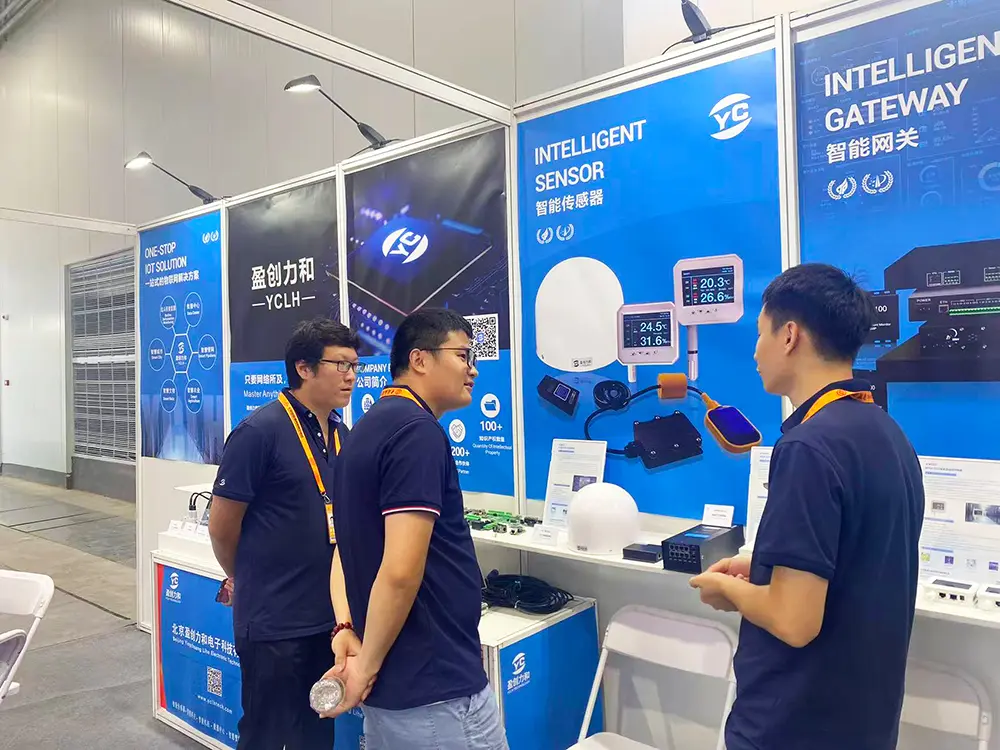
Presenting Environmental Monitoring Innovation Worldwide
Technical Support and Network Integration Guidelines
By default, our sensors ship in DHCP mode for quick deployment. You can log into the device web GUI using its assigned IP address, navigate to the Network configuration panel, toggle the mode from Dynamic (DHCP) to Static IP, enter your target IP address, subnet mask, gateway, and DNS servers, and click save. The change takes effect after a device reboot.
Yes, our APEM-5930 and APEM-5930G series support PoE (IEEE 802.3af standard, 12V-48V input). This enables a single Ethernet connection to deliver both power and diagnostic telemetry data.
Our sensors support multiple protocols to interface with BMS, SCADA, and IoT clouds. These include Modbus TCP, MQTT (for cloud integrations), SNMP (for IT server rooms and data centers), and HTTP/HTTPS Post requests for web application endpoints.
Yes. Through our OEM/ODM division, we manufacture multi-parameter monitoring units. We integrate sensors for Ozone (O₃), Total Volatile Organic Compounds (TVOCs), Carbon Monoxide (CO), Hydrogen Sulfide (H₂S), Oxygen (O₂), and Formaldehyde (HCHO) to match your custom specifications.
If the sensor cannot contact a DHCP server during a lease renewal or system boot, it can fallback to a configurable link-local IP or a designated static IP address. This prevents the sensor from becoming unreachable on local segments.
Explore our customizable sensors designed for critical infrastructure and industrial automation
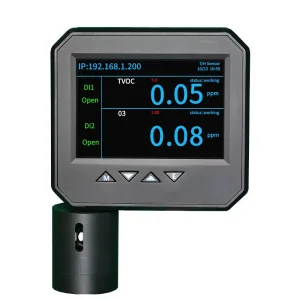
Monitors TVOC, O₃, temperature, and relative humidity within a single unit for indoor air quality and hazard mitigation.
View Details
Wireless LORA sensor line for sub-GHz long-range environmental telemetry across commercial facilities.
View Details
CE-certified indoor air quality and ozone telemetry logger designed for hospital and cleanroom applications.
View Details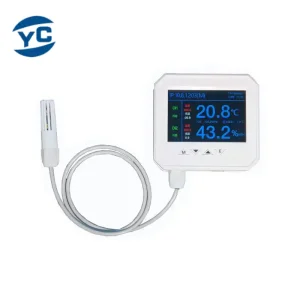
Ethernet sensor featuring external probe extensions for measurements in chambers, ducts, or confined locations.
View Details
Industrial LoRaWAN-compliant sensor monitoring multiple parameters with high transmission range and battery efficiency.
View Details
Monitors TVOC, O₃, temperature, and humidity, with integrated network connectivity for dynamic building ventilation.
View Details
CE-certified module with an extendable probe for environmental validation in test cabinets and industrial equipment.
View Details
Custom logger integrating O₂, H₂S, temperature, and humidity monitoring for industrial process safety.
View Details YCLH Sensor