Advanced real-time environmental diagnostic transmitters built upon Swiss & German MEMS sensing chips, integrating Power over Ethernet (PoE) & LoRaWAN protocols.
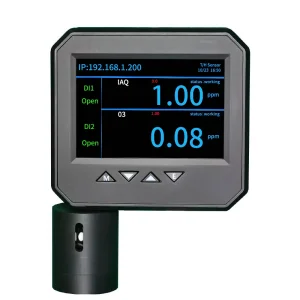
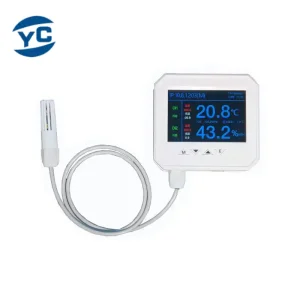
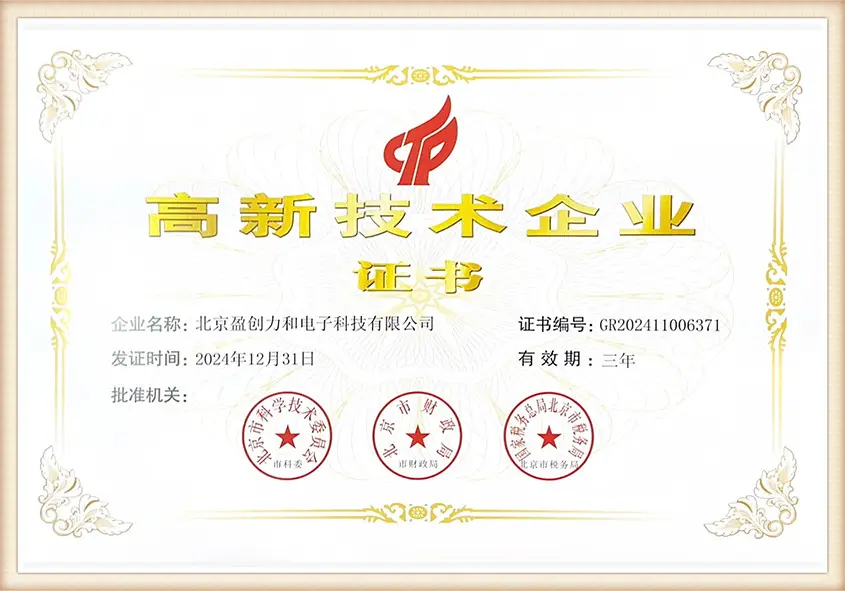
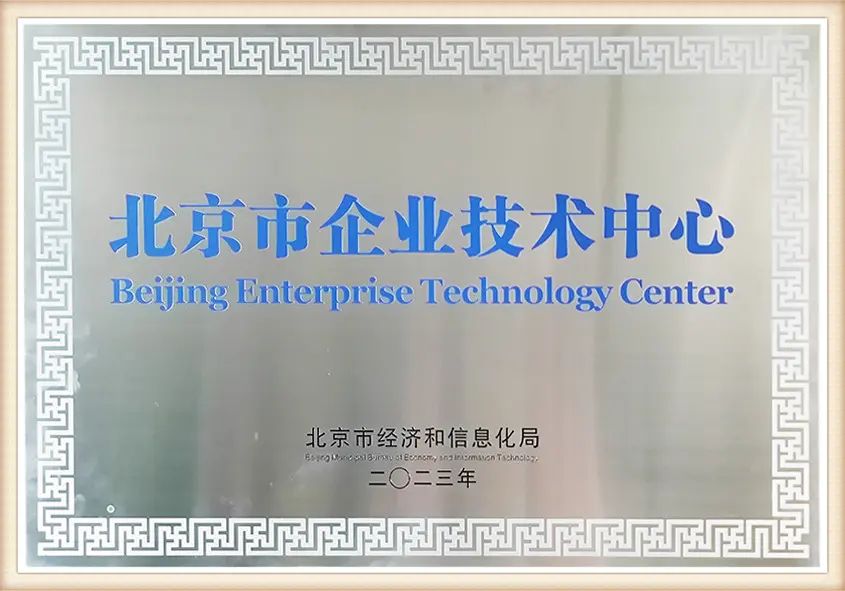
Established in 2007, Beijing Yingchuanglihe Electronic Technology Co., Ltd. (YCLISensors) has stood at the absolute forefront of advanced environmental telemetry and industrial automated sensing infrastructure. Over the past 18+ years, we have transitioned from regional developers of network terminals to a world-renowned High-Tech Enterprise and standardizer of industrial environmental instrumentation.
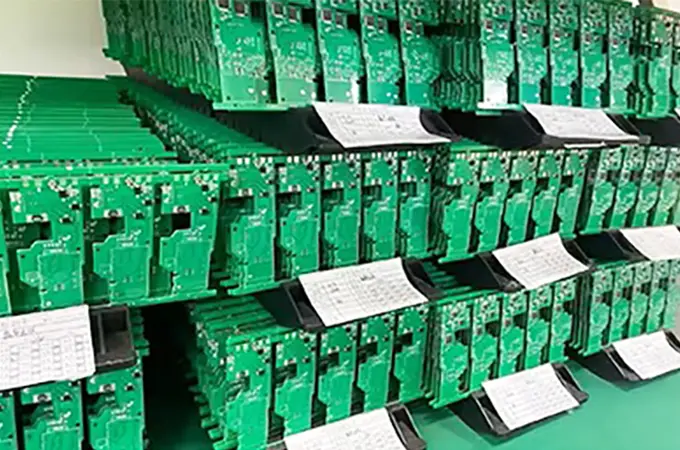
Operating a highly sophisticated, modern 1,500+ square meter fabrication facility with over 100 dedicated technical employees and 5 fully automated production lines, Yingchuanglihe continuously manufactures over 100,000 sensor nodes annually. Utilizing state-of-the-art MEMS transducer elements sourced directly from Switzerland and Germany, we ensure our telemetry devices boast an unparalleled MTBF (Mean Time Between Failures) exceeding 10 years, securing clean room, data center, and high-speed rail operations globally.
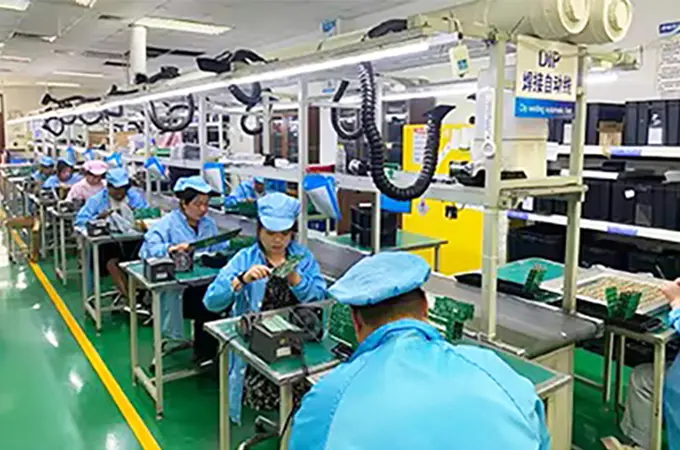
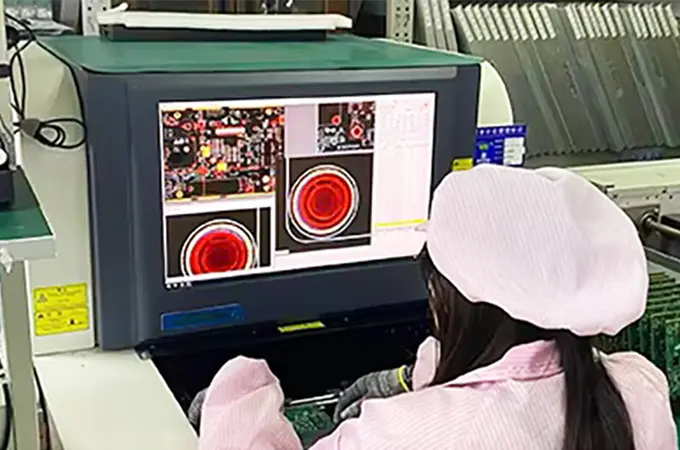
Exploring how real-time micro-climate monitoring and multi-parameter sensing are reshaping industrial efficiency under Industry 4.0 guidelines.
Traditional analog loops (4-20mA) are giving way to intelligent Power over Ethernet (PoE) and TCP/IP based Modbus transmitters. PoE reduces cabling footprints by 50% while feeding accurate, non-degraded multi-parameter data streams directly into operational SCADA structures.
Modern data centers and clean rooms must track air quality beyond mere temperature. Total Volatile Organic Compounds (TVOCs), Formaldehyde (HCHO), Carbon Monoxide (CO), Hydrogen Sulfide (H₂S), and atmospheric pressure must be captured in real-time to prevent physical hardware corrosion and human respiratory risk.
For distributed agricultural installations, massive manufacturing campuses, or remote high-voltage power networks where cabling is economically unviable, sub-GHz wireless standard LoRaWAN offers flawless connectivity, transmitting data through physical bulkheads over distances exceeding 15 kilometers.
| Technology Platform | Physical Parameters Tracked | Common Communication Protocols | Primary Commercial Use-Case |
|---|---|---|---|
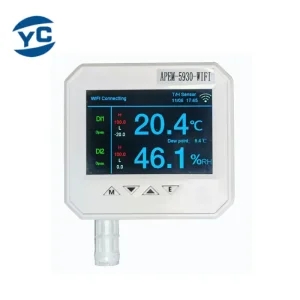
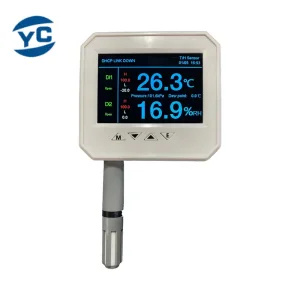
| APEM-5930 Base Series | Temperature, Humidity, Dew Point | TCP/IP Ethernet, PoE, Modbus-TCP | Modular Server Cabinets, Cloud Data Centers |
| APEM-5930P Series | Temperature, Humidity, Dew Point, Atmospheric Pressure | PoE Ethernet, RS-485 | Pharmaceutical Laboratories, HVAC Pressure Balance |
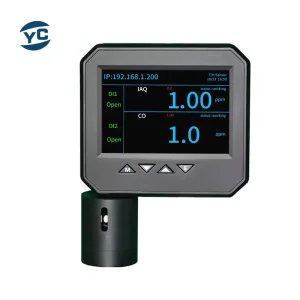
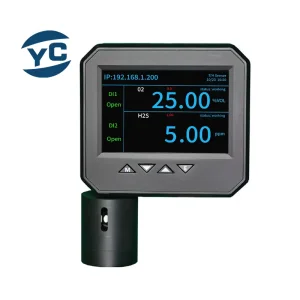
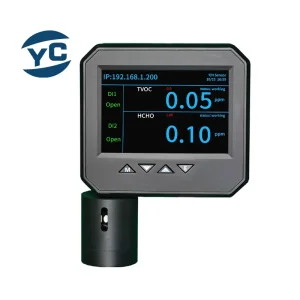
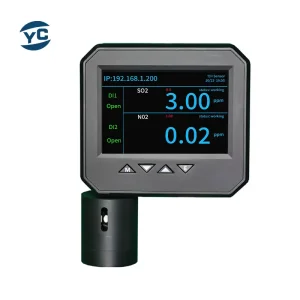
| APEM-5930G Multi-Gas | CO, H₂S, O₂, SO₂, NO₂, TVOC, HCHO, Ozone (O₃) | Wired Ethernet PoE, SNMP, Modbus RTU | Industrial Manufacturing, Chemical Storage Vaults |
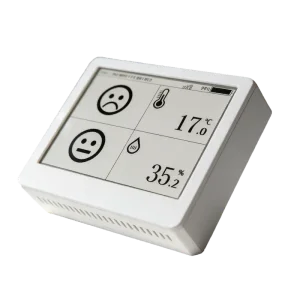
| APEM-5736 Wireless Series | Temperature, Relative Humidity, Display Driver | LoRaWAN, Private Sub-GHz Radio, E-Ink Display | Smart Agriculture, Cold Chain Logistics Logistics |
A comprehensive chronicle of technical milestones and industrial innovations over nearly two decades.
Launched the industry's first intelligent environmental monitoring terminal completely structured on TCP/IP protocol. Simultaneously introduced the foundational framework of our Proprietary Monitoring Software v1.0.
Formed a strategic collaboration with Mocha Software (China's leading network management developer), launching the TH-5939 series of network-integrated monitoring systems natively supporting SNMP protocols.
Cooperated with Switzerland's COMLAB to engineers the high-durability TH-5869 protective ethernet hardware. This specialized device secured deployments across major high-speed rail lines (Beijing-Kowloon, Beijing-Shanghai, Wuhan-Guangzhou).
Partnered with Founder Technology to launch the groundbreaking APEM-6100 Ethernet environmental unit, introducing Power over Ethernet (PoE) energy distribution to ambient monitoring nodes.
Collaborated with Foxconn Technology Group, validating and implementing our sensor frameworks as the official environmental tracking metric standard across multiple global chip fabrication lines.
Jointly formulated Baidu's next-generation APEM-5900 Ethernet intelligent monitoring systems. Successfully deployed thousands of active nodes across Baidu’s massive Yangquan Data Center cluster.
Released the integrated cabinet system, supporting Huawei and China Merchants Huaruan within dynamic highway ETC computing cabinets nationwide, defying outdoor thermal and humidity shocks.
Led the R&D for autonomous driving edge computer enclosure modules and integrated road test sensor cabinets deployed extensively across Beijing’s high-level Autonomous Driving Pilot Zones.
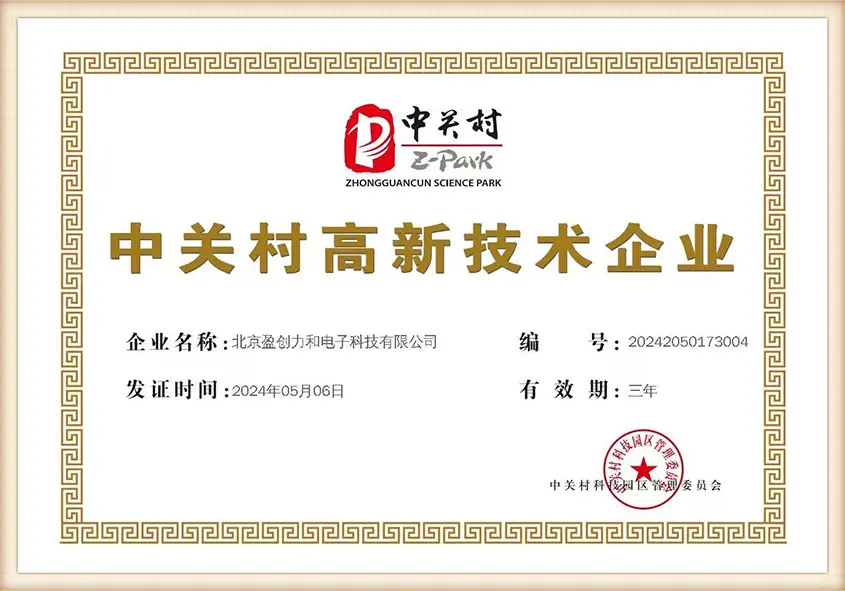
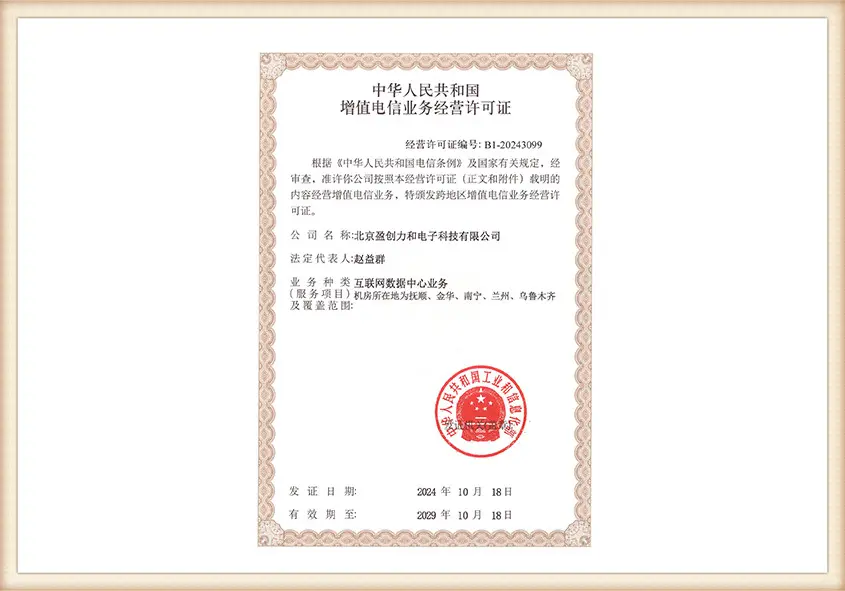
Established joint business structures with Beijing Enterprises Water Group and co-founded the high-precision Beidou positioning business unit with BUCEA. Achieved the official national Internet Data Center (IDC) qualification license.
Analyzing precision metrics, custom OEM/ODM architecture, and the intersection of Edge AI with distributed sensors.
Yingchuanglihe relies entirely on premier Swiss-designed capacitive humidity polymers and German-engineered platinum RTD temperature-sensing chips. Unlike standard commercial sensors that exhibit significant drift within 6 months, our industrial-grade probes feature an annual drift of less than 0.1°C and 0.5% RH.
Our analog-to-digital converters (ADCs) operate with a 24-bit delta-sigma architecture, ensuring that slight thermal fluctuations are caught instantly. By deploying multiple digital filters directly inside the MCU, high-frequency electromagnetic noise (typically found near industrial variable-frequency drives) is completely nullified.
Each APEM sensor computes real-time dew point temperatures and air enthalpy values directly inside the local microprocessor. This is vital for air handling units (AHUs) in microchip fabs to prevent latent condensation on expensive wafer patterns before standard humidity warnings trigger.
Our manufacturing system is structurally engineered to accommodate tailored physical configurations. We understand that one size never fits all in complex industrial domains. Hence, we support:
Why global system integrators and distributors partner directly with our Beijing-based high-tech assembly lines.
By bypassing third-party trading entities, global buyers obtain massive margin optimizations. Our direct factory channel ensures components, including international sensing chips and domestic high-density PCBs, are fabricated and assembled under one roof, minimizing overhead markup.
Our vertically integrated engineering teams can modify custom PCB layouts, run thermal simulation stress tests, and provide physical 3D-printed enclosure models within 7 business days, shortening time-to-market compared to Western counterparts.
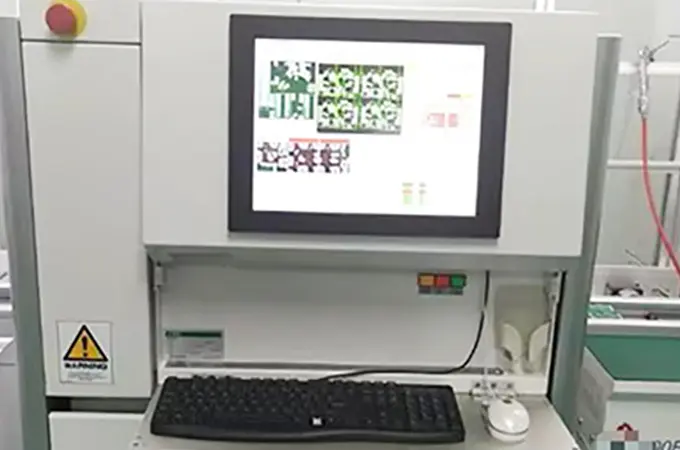
Our facility implements absolute compliance. Every single manufactured transmitter is calibrated inside state-of-the-art temperature & humidity chambers, comparing output parameters against reference instruments before flashing local firmware and labeling with individual serial markers.
Our complete range of telemetry instruments complies with crucial global market entry guidelines.
Deploying advanced automation sensors to safeguard high-density compute assets, clean rooms, and public infrastructure systems.
Deploying APEM-5930 POE units within cold aisle rack containments. Interfacing directly with DCIM tools via SNMP traps, these units trigger instant cooling adjustments to eliminate localized hot spots and prevent heat damage to server processors.
By combining relative temperature, humidity, and barometric pressure tracking via our APEM-5930P sensor node, pharmaceutical compounding labs maintain clean room positive pressure barriers, blocking micro-particulate infiltration and cross-contamination.
Utilizing the multi-gas electrochemical module APEM-5930G-O₂-H₂S inside heavy industrial chemical storage corridors. Integrated relays connect directly to warning horns and active ventilation exhaust loops to maintain oxygen levels above 19.5%.
During the municipal autonomous transit corridor trials in Beijing, road-side edge computing gateways were exposed to extreme ambient shifts, ranging from sub-zero winter temperatures (-15°C) to intense solar loading (>50°C in direct metallic boxes). Standard electronics suffered continuous thermal failure.
Yingchuanglihe designed and integrated customized APEM dual-mode PoE sensors directly within the road-side enclosure cabinets. Utilizing IP65 protective housing, these units continuously streamed thermal metrics back to the central transport office via unified SNMP profiles. This real-time diagnostic feed protected million-dollar computing matrices, providing key data for proactive maintenance before equipment failed.
Ensuring complete peace of mind for engineering teams with fast response times and strict compliance guarantees.
Technical support issues receive deep diagnostics from a specialized field engineer within 8 hours. We provide full protocol support (JSON API, Modbus register mappings, SNMP MIB configuration files) to ensure fast deployment.
Every single product family manufactured in our facility is fully tested and certified under CE, FCC, and RoHS standards. We provide official certification documents to simplify safety audits and imports.
By leveraging imported Swiss/German MEMS sensor nodes, we confidently offer an optional extended 36-month hardware warranty. If calibration values drift outside of specifications during normal operation, we provide immediate replacement modules.
In-depth technical answers addressing core considerations of system integration, engineering, and factory procurement.
A: We use high-precision sensing chips imported from Switzerland and Germany. These feature digital calibration and integrated EEPROM, keeping thermal drift within a tiny <0.1°C per year and humidity drift below <0.5% RH. This makes them ideal for demanding data center and clean room systems.
Q2: Does your Ethernet sensor line support Power over Ethernet (PoE) natively?A: Yes, our active Ethernet product family (such as the APEM-5930, APEM-5930P, and APEM-5930G series) supports standard IEEE 802.3af PoE. This allows them to receive stable power and transmit data over a single standard Cat5e/Cat6 network cable.
Q3: How do the electrochemical multi-gas sensor nodes handle high-humidity environments?A: Devices like our APEM-5930G are engineered with integrated, semi-permeable hydrophobic membrane filters. These block water droplets and condensation while allowing targeted gas molecules (such as CO, H₂S, and SO₂) to reach the active electrochemical components safely.
Q4: Can we integrate your telemetry units with third-party SCADA and BMS software platforms?A: Absolutely. Our devices natively support standard industrial protocols including Modbus-TCP, SNMP (v1/v2c/v3), and MQTT. This ensures simple integration with major SCADA, BMS, and cloud platforms without requiring custom drivers.
Q5: What is the manufacturing capacity of the Beijing Yingchuanglihe facility?A: Our modern 1,500+ square meter factory features 5 fully automated SMT and assembly lines. Backed by over 100 dedicated technical employees, we maintain a production capacity of over 100,000 advanced sensor nodes annually.
Integrated environmental instruments designed to secure critical labs, clean rooms, and public computing hubs.
 YCLH Sensor