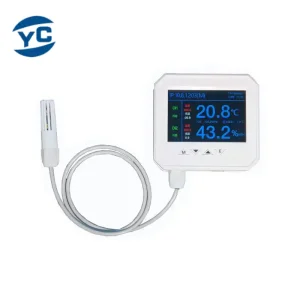
High-precision remote monitoring system featuring optional secondary probes, specifically optimized for subterranean railway equipment cabinets.
View Specifications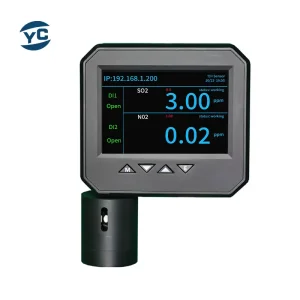
Designed for industrial railway stations, tracking combustion pollutants and chemical concentrations within deep-tunnel structures.
View Specifications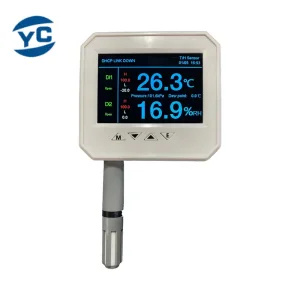
Essential for high-altitude transport lines and underground platform ventilation systems tracking barometric draft patterns.
View Specifications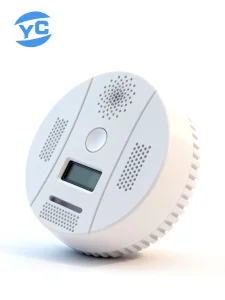
Wireless, low-power telemetry terminal designed for expansive transit halls, simplifying installation over historic terminal structures.
View Specifications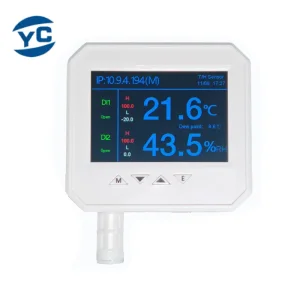
Seamlessly integrates direct networking and electricity delivery over a single line, minimizing wiring complexity in dense infrastructure environments.
View Specifications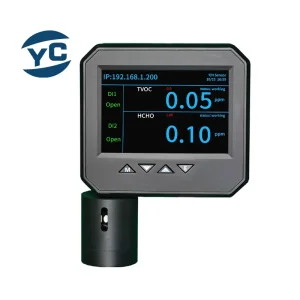
Customizable environmental gateway that logs organic compounds and formaldehyde, providing compliance reporting for newly renovated facilities.
View Specifications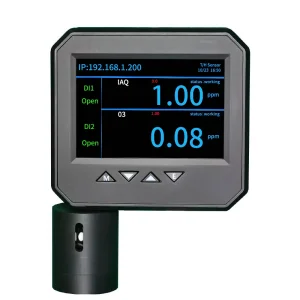
Engineered to detect oxidation risks and ozone concentrations, ensuring absolute safety across sterile public concourses.
View Specifications
Dual-element layout isolating the core network unit from local sensing tips, optimized for high-temperature and narrow ventilation ducts.
View SpecificationsContemporary rail transit hubs are massive engineering environments experiencing extreme transient air volumes, high passenger density spikes, and localized microclimatic stratification. Underground subway platforms, terminal halls, and signaling server hubs represent critical areas requiring absolute climate and environmental control. For transit authorities globally, maintaining structural safety, passenger safety, and signaling system reliability relies heavily on micro-level environmental telemetry.
As prominent, specialized custom railway station environmental monitoring manufacturers, Beijing Yingchuanglihe Electronic Technology Co., Ltd. provides robust, high-performance physical sensors designed to withstand intense, continuous physical vibrations, high electromagnetic interference (EMI), and fine rail dust containing iron particles. Through advanced integration with modern, automated building automation networks (utilizing SNMP, Modbus-TCP, and PoE topologies), our sensors provide clean, real-time climate data to dynamic HVAC modulating algorithms. This helps minimize excessive municipal energy consumption while maintaining fresh air delivery.
Every sensor we manufacture is built around high-precision silicon components imported from premium Swiss and German fabrication foundries. This strategic selection guarantees excellent measurement accuracy, high linearity, and long-term calibration stability under continuous, 24/7/365 transit environments. The challenges of trackside deployment (including structural vibrations, fine rail dust, and transient pressure fluctuations from fast-moving trains) are addressed by isolating our internal sensing matrices within specialized protective enclosures and ruggedized probe systems.
Our manufacturing plant leverages computerized automated production lines to deliver highly consistent, reliable hardware. Here is how our comprehensive manufacturing capabilities help protect your long-term transit investments:
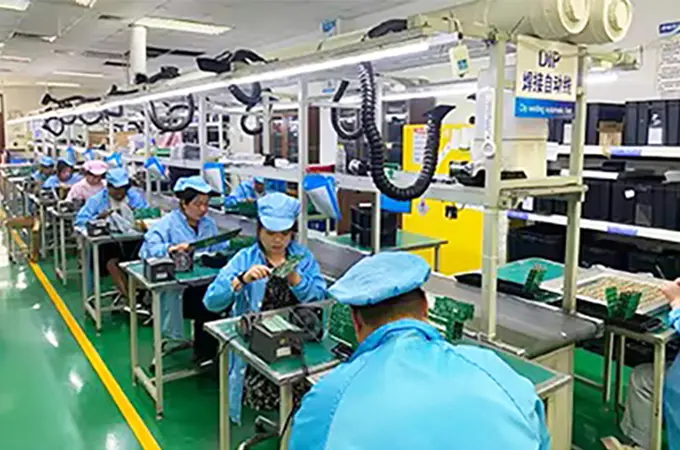
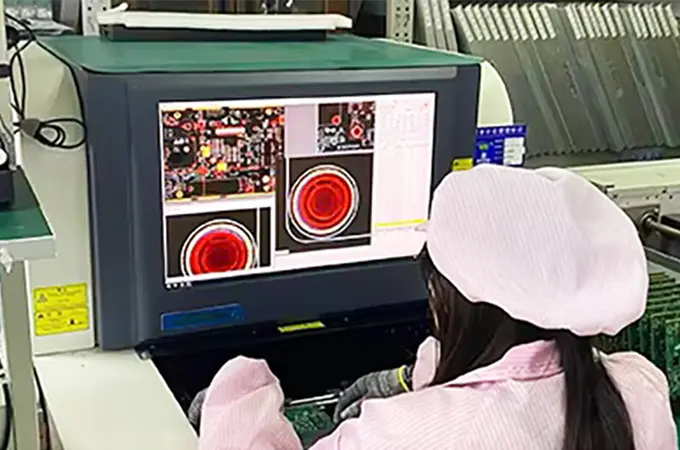
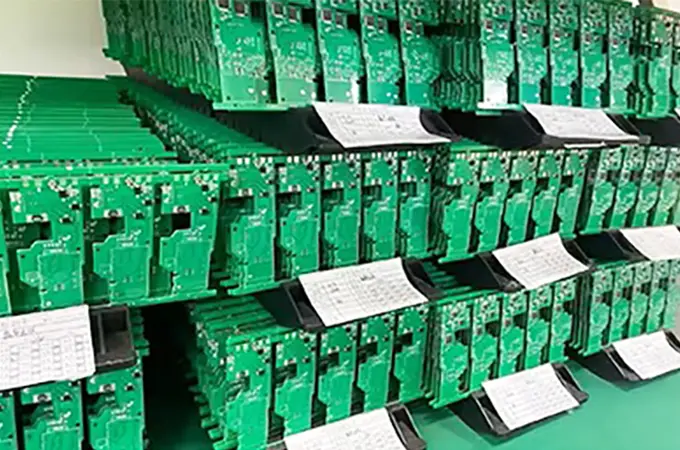
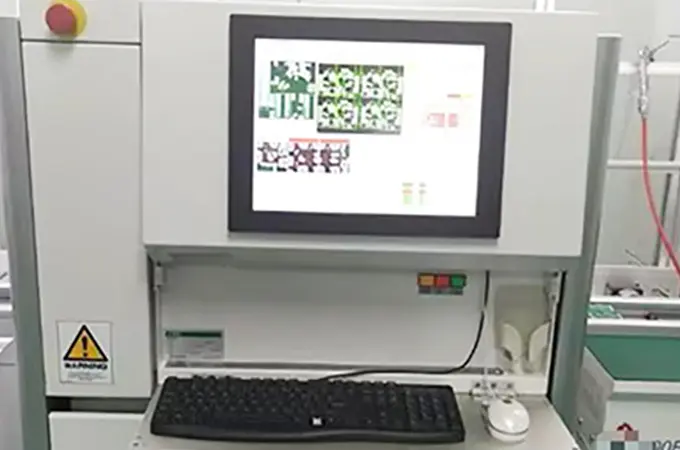
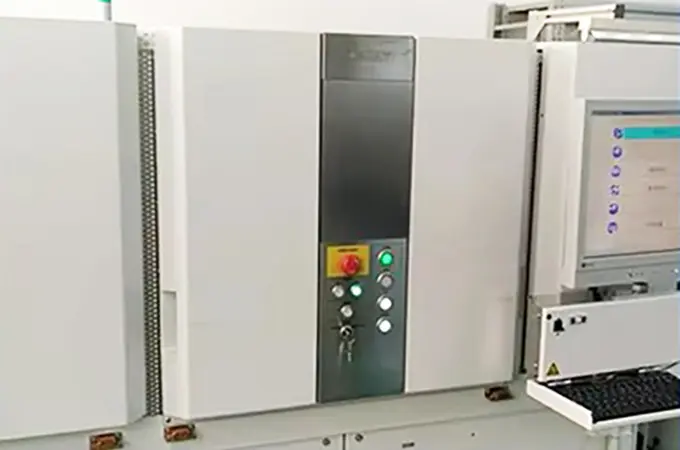
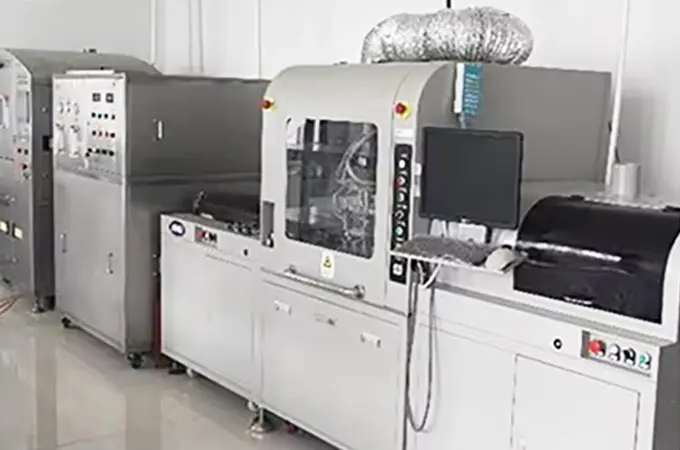
Our path highlights our long-term commitment to environmental sensing technology. Partnering with top transport providers, internet data centers, and engineering firms has helped us continuously improve our hardware designs. This ensures we deliver highly reliable monitoring solutions across demanding infrastructure projects.
To meet strict international railway standards (such as EN 50121-4 for electromagnetic compatibility in signaling and telecommunications), our sensors undergo rigorous quality control testing. We are fully ISO-certified, and our telemetry components have earned top global certifications, including CE, FCC, and RoHS compliance.
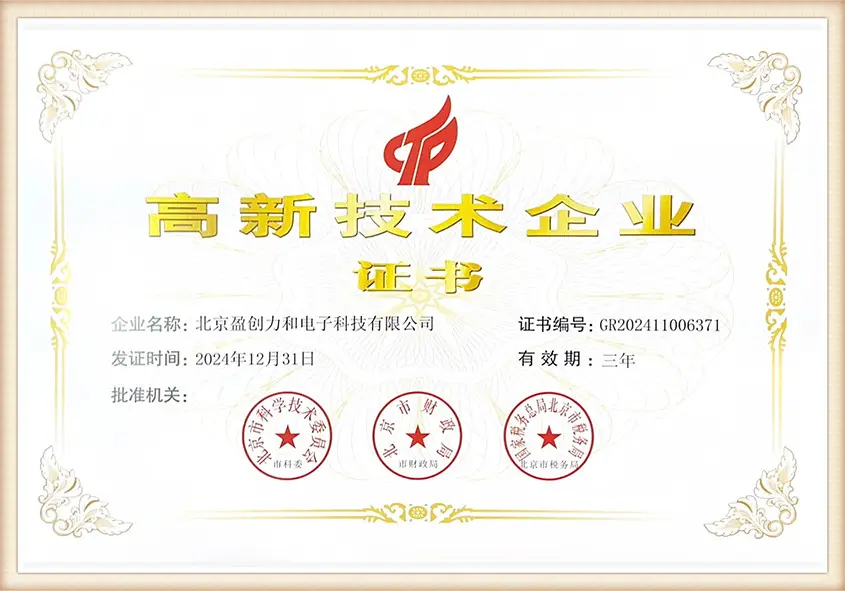
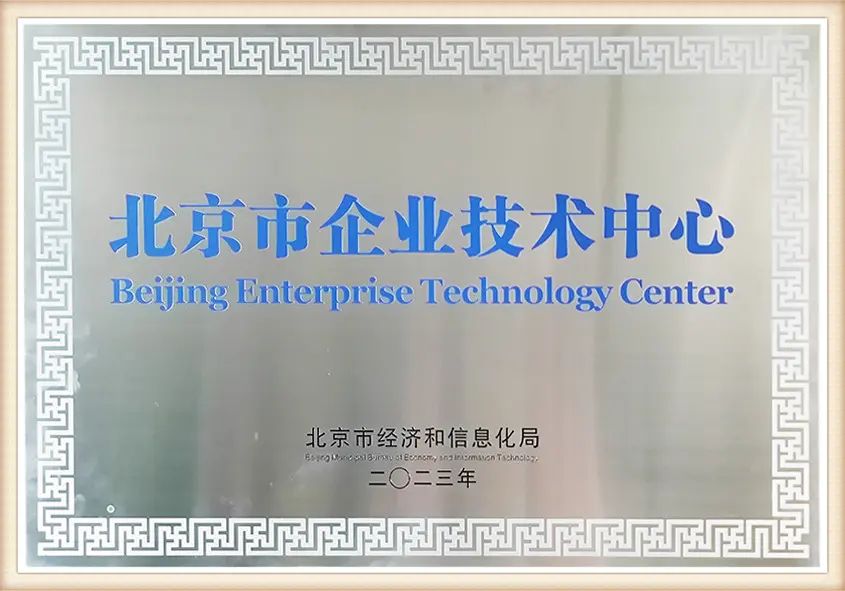
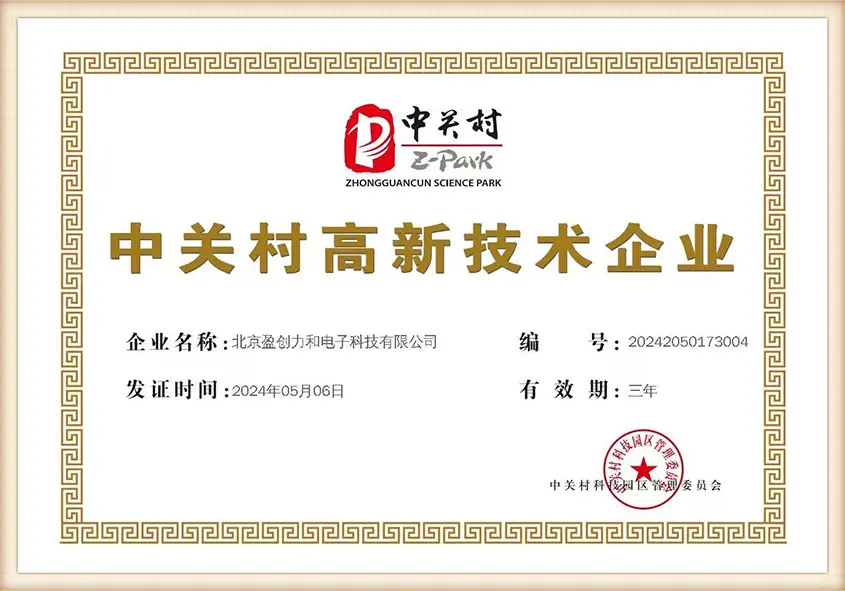
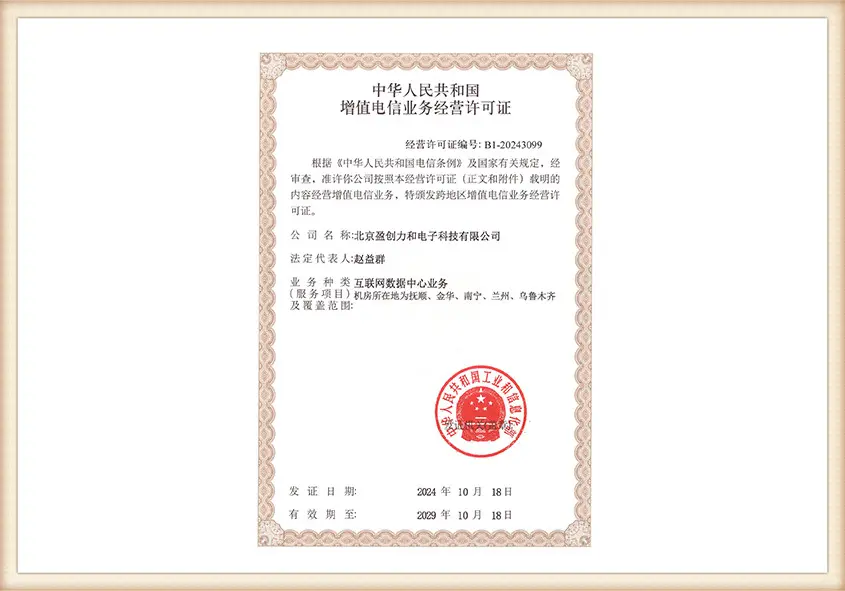
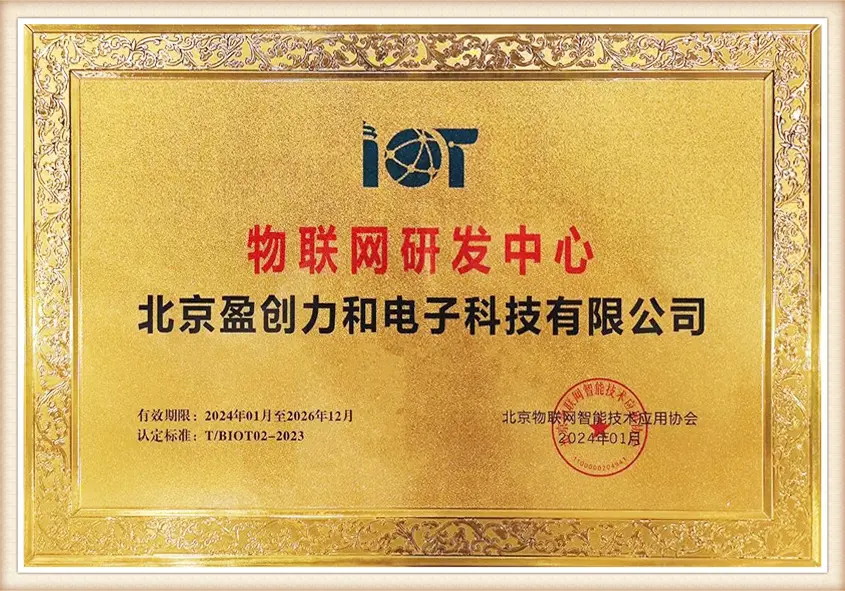
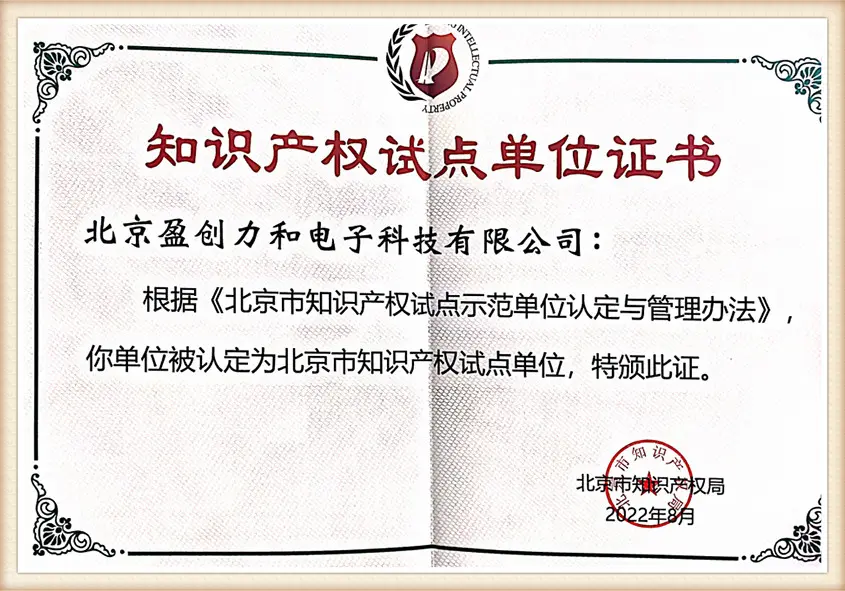
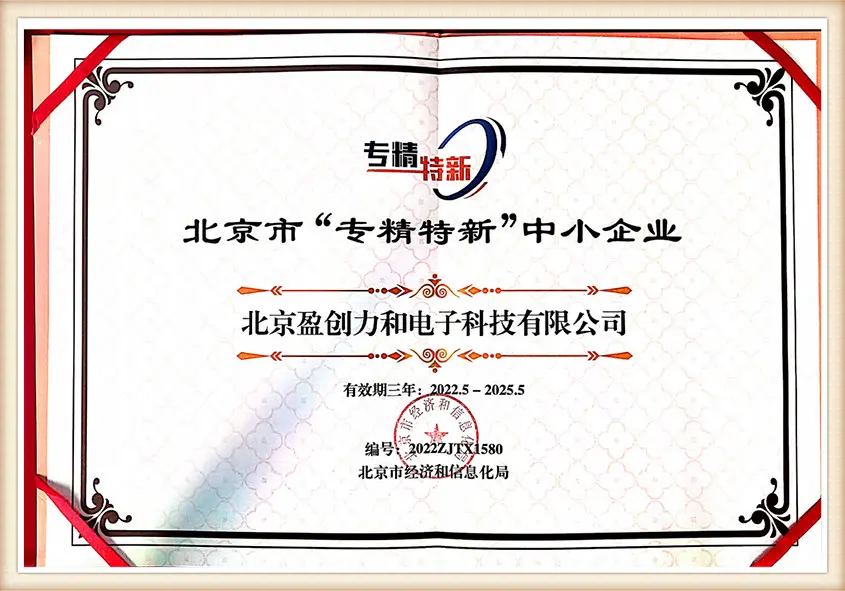
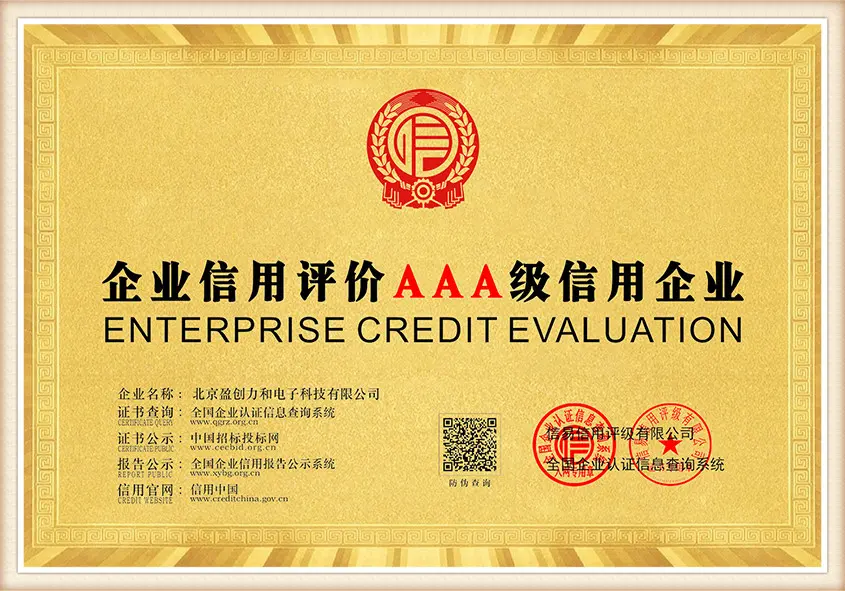
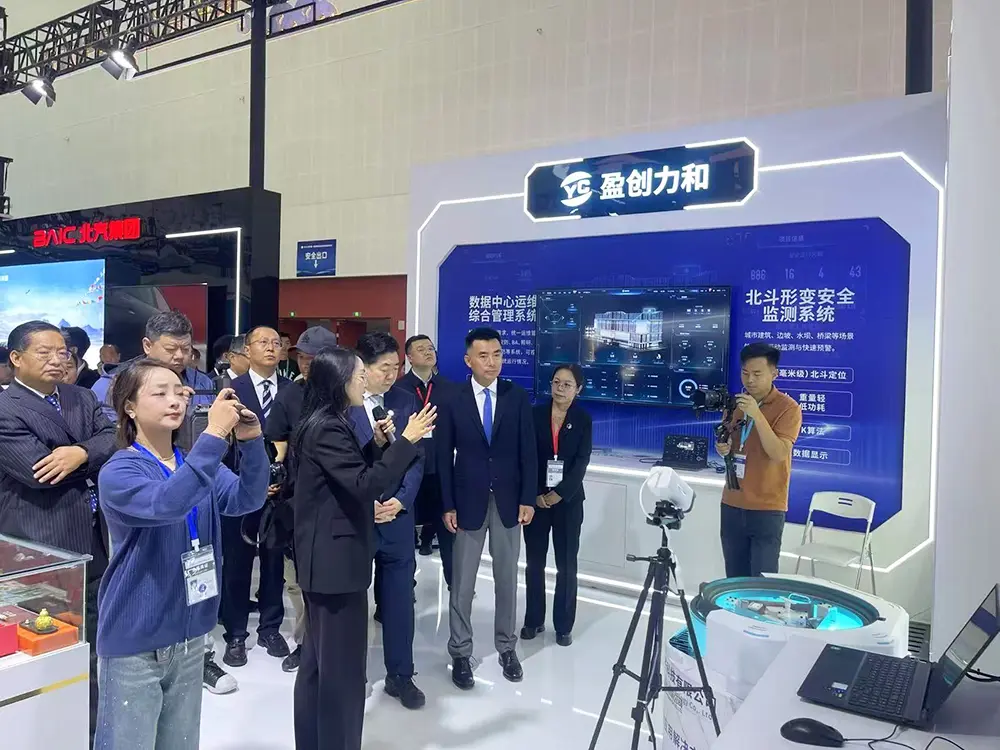
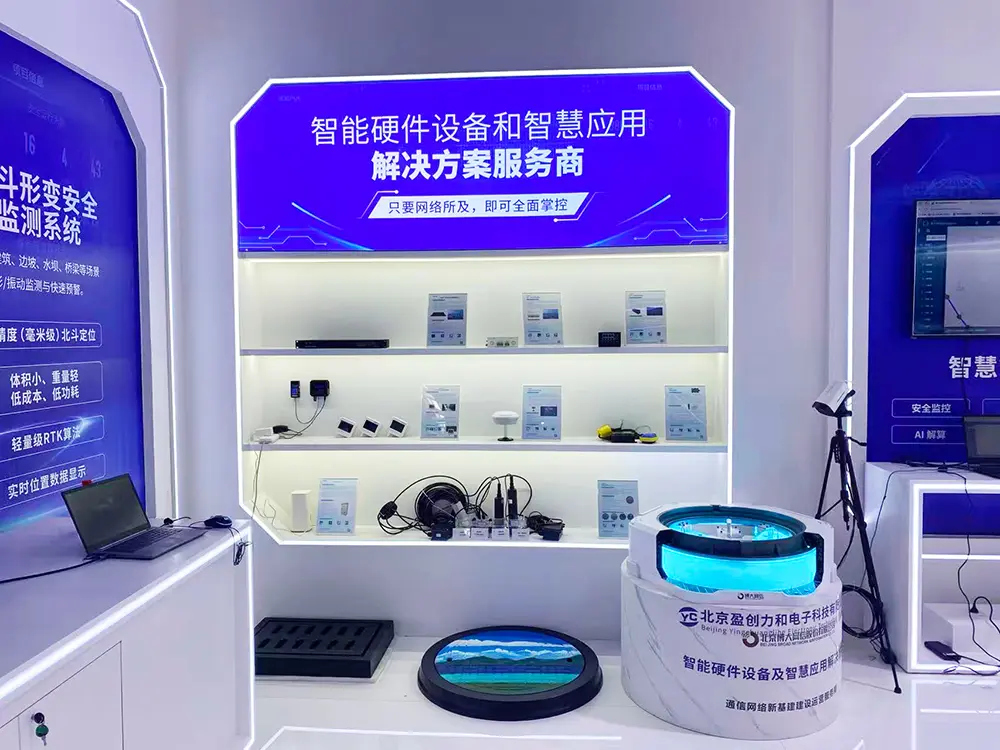
We actively showcase our latest innovations at top smart city and transport infrastructure exhibitions worldwide, presenting our cutting-edge sensor designs directly to municipal developers and system integrators.

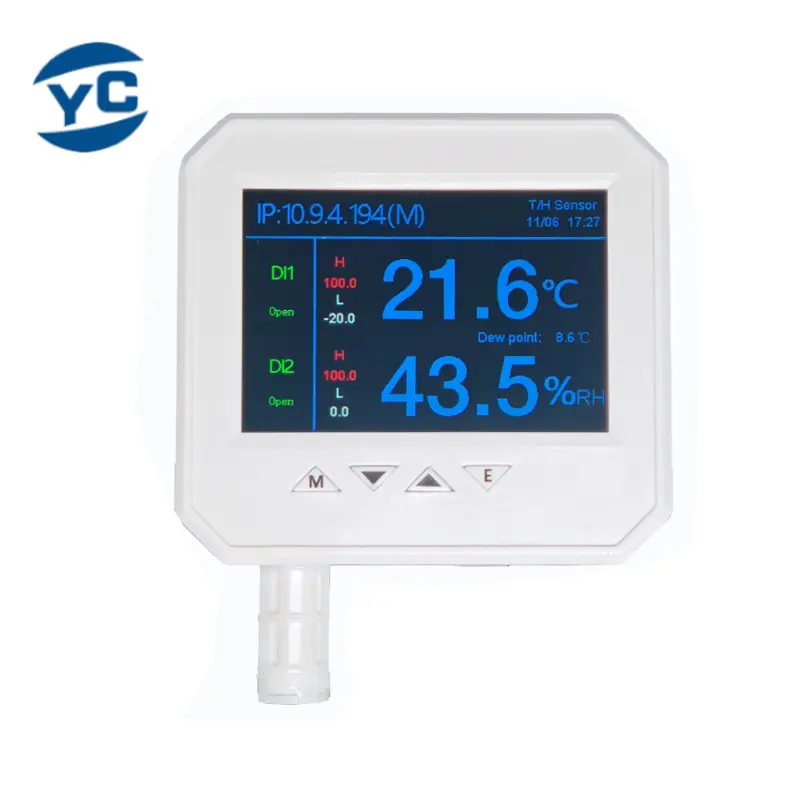
Monitors temperature, humidity, and dew point directly via POE. Simplifies complex network wiring in demanding transit layouts.
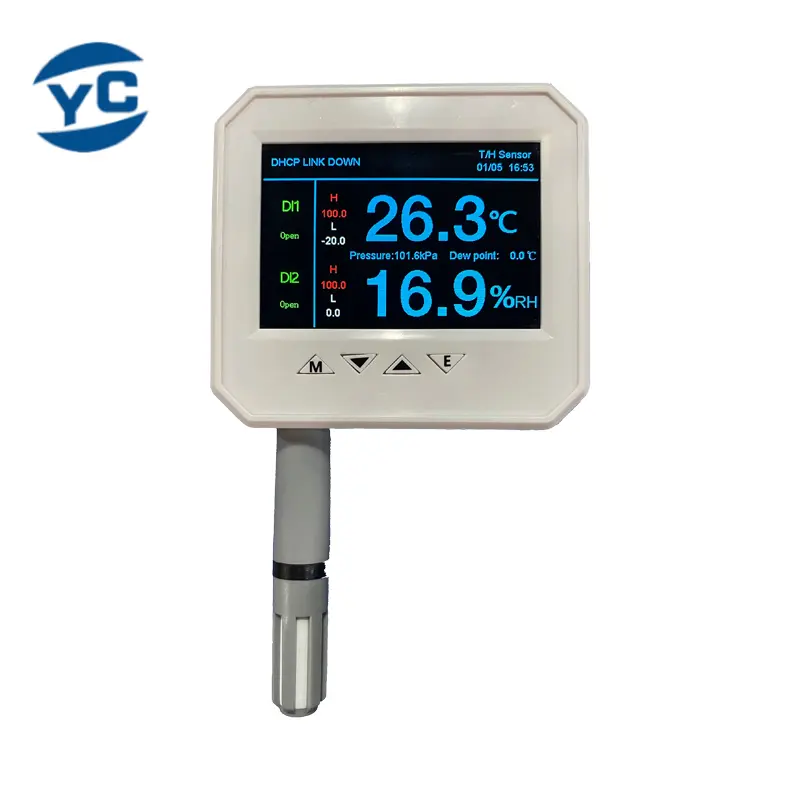
Integrates atmospheric pressure tracking. Ideal for monitoring subway piston effect dynamics and ventilation pressure drops.
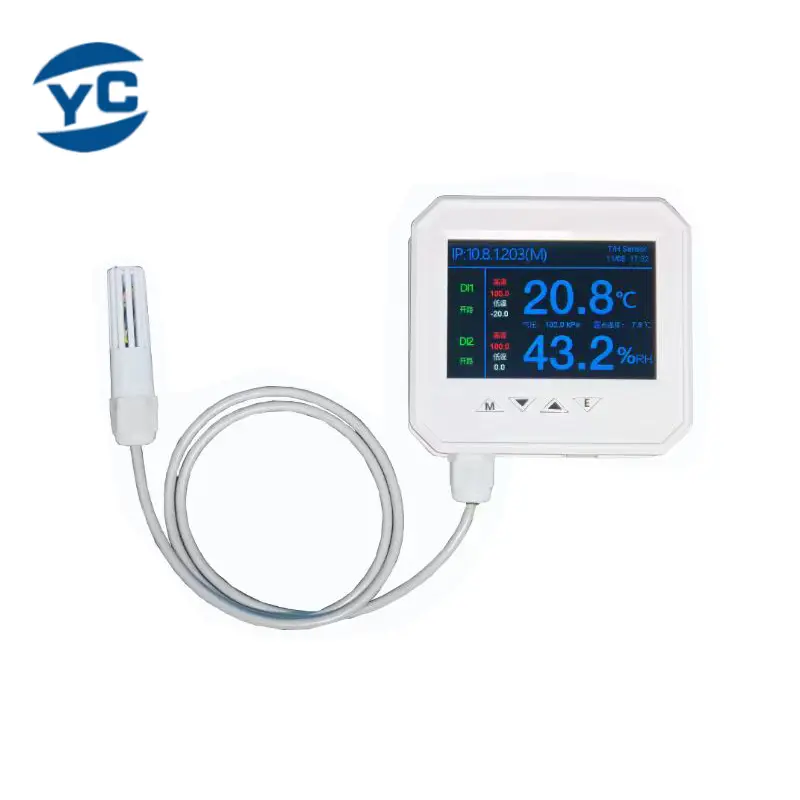
Features an isolated external probe. Extends the sensor's physical reach deep inside active track structures and electrical conduits.
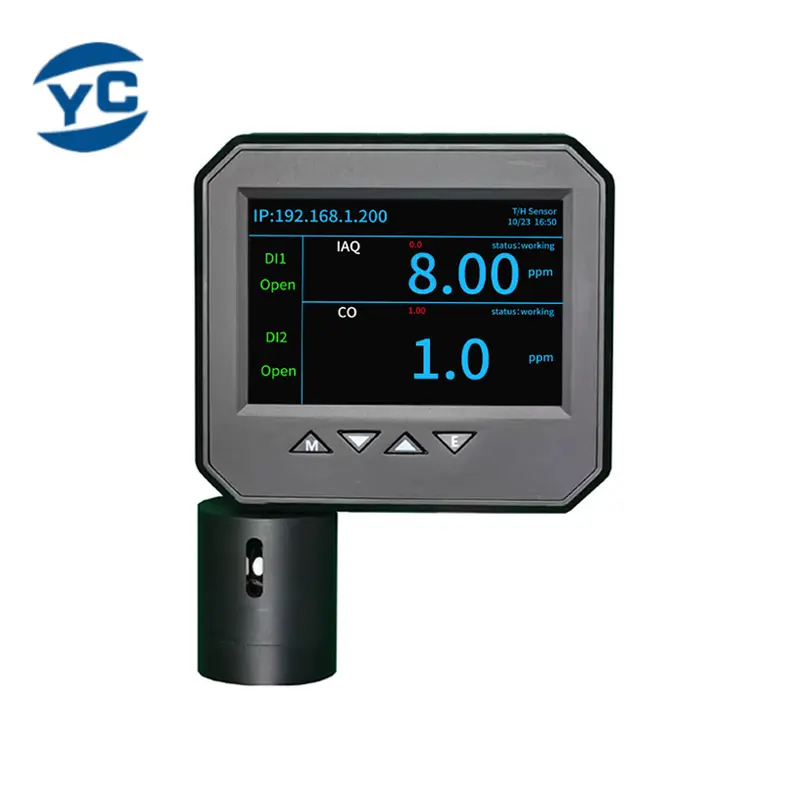
Combines standard ambient telemetry with real-time carbon monoxide (CO) and general indoor air quality (IAQ) monitoring.
Our industrial-grade environmental monitoring systems are deployed worldwide to safeguard critical transit infrastructure. In high-traffic railway corridors, these physical units provide vital telemetry to prevent equipment failures, minimize maintenance downtime, and maintain passenger comfort:

Protects high-density signaling racks and communication cabinets from localized heat accumulation and humidity-induced short circuits.

Provides microclimate tracking to optimize air conditioning systems, helping to reduce energy usage while protecting key server arrays.

Ensures precise pressure differential controls and stable environmental conditions for testing sensitive electrical rail components.
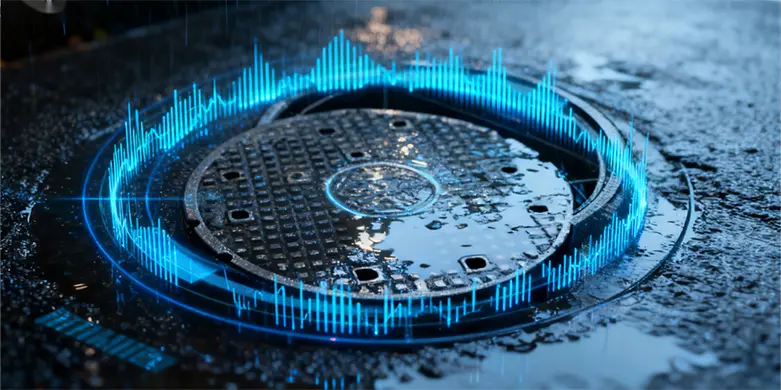
Monitors toxic gas leaks and water ingress, safeguarding critical underground tunnels and utility pathways.

Protects highly sensitive national storage depots by maintaining precise microclimate control to prevent corrosion.
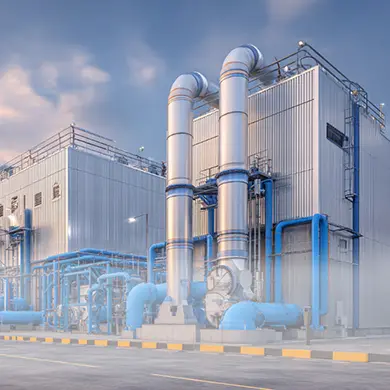
Measures TVOCs, humidity, and temperature variations across active factory floors, maintaining safe and compliant working conditions.
As rapid urban expansions demand smarter, more integrated public transit networks, environmental monitoring is evolving from passive data logging to predictive, AI-driven edge intelligence. Next-generation transportation grids will rely on dense, self-healing mesh networks where physical sensors do not simply report values, but dynamically process anomalies on-site. By combining ambient climate telemetry with multi-gas detection, future systems can instantly detect safety events, trigger emergency ventilation, and coordinate with autonomous transport fleets.
At Beijing Yingchuanglihe, our technical roadmap focuses on integrating high-precision, sub-millimeter structural deformation tracking directly with environmental sensor arrays. Through our joint Beidou Satellite Business Division, we are developing multi-sensor systems that monitor both soil stability and tunnel structural shifts alongside atmospheric conditions. This helps detect early signs of tunnel cracking, water ingress, or ground settling caused by local geographic changes. By combining geographic tracking with physical climate sensors, transit operators get a comprehensive, unified view of infrastructure health, making predictive maintenance more efficient and accurate.
Our transit-grade sensors feature robust internal component layouts, vibration-damped circuit assemblies, and heavy-duty, industrial-grade protective housings. To ensure long-term physical durability, all connection pins are reinforced, and our Swiss and German core sensor chips are housed inside isolated sub-chassis to protect them from trackside vibration fatigue.
Thanks to their highly stable, premium design, our core sensors exhibit minimal drift (under 0.1°C and 1% RH annually in standard setups). We recommend a simple field recalibration or verification cycle every 12 to 24 months, depending on the severity of exposure to airborne particulates and chemical pollutants.
Yes, our entire Ethernet-enabled product range natively supports Modbus-TCP and SNMP protocols (including SNMP v1, v2c, and secure v3 formats). This ensures seamless, plug-and-play integration into existing Building Management Systems (BMS), SCADA systems, or standard network monitoring suites without requiring proprietary middleware.
By combining power delivery and network communication into a single RJ45 cable, PoE eliminates the need for separate high-voltage electrical outlets at each sensor location. This significantly lowers installation labor, simplifies wiring layouts, and enables easy integration with central uninterruptible power supplies (UPS).
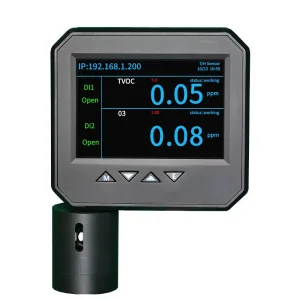
Monitors volatile organic compounds, ozone, and climate metrics simultaneously. Keeps passenger waiting areas healthy and compliant.
View Specifications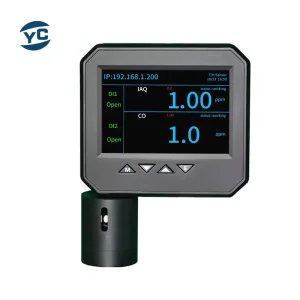
Industrial carbon monoxide (CO) and general indoor air quality (IAQ) telemetry card designed for underground maintenance and logistics facilities.
View Specifications
Customizable, network-ready datalogger tracking ambient ozone and general air health across critical municipal passenger concourses.
View Specifications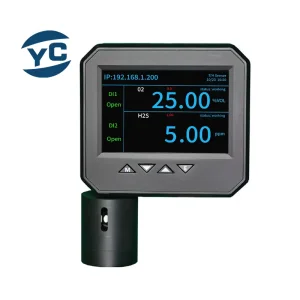
Robust multi-gas sensor tracking O2 levels and dangerous H2S gas within subterranean access wells and utility corridors.
View Specifications
Designed to monitor sulfur dioxide (SO2) and nitrogen dioxide (NO2) pollutants, helping to control ventilation in complex tunnel systems.
View Specifications
An all-in-one monitor tracking organic compounds, ozone, and climate metrics. Simplifies complex regulatory reporting.
View Specifications
High-precision barometric and climate sensor designed for bulk deployments in transport test stations and laboratories.
View Specifications
Our standard PoE climate sensor featuring custom cabling and enclosure configurations for specialized transit installations.
View Specifications YCLH Sensor