Explore our premium select range of Wi-Fi, Ethernet, and multi-parameter atmospheric loggers designed for low-drift operation in high-stakes facilities.
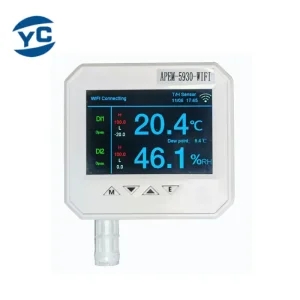
OEM industrial solution offering both hardwired Ethernet stability and flexible Wi-Fi networking for mission-critical facilities monitoring.
View Specifications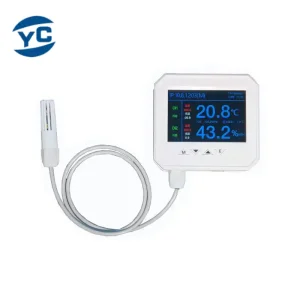
High-precision remote sensing system featuring external probe cables to measure isolated chambers, ducts, or harsh containment systems.
View Specifications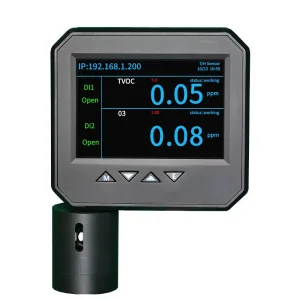
Integrates precision sensing for TVOC, Ozone (O₃), ambient temperature, and relative humidity inside a single industrial enclosure.
View Specifications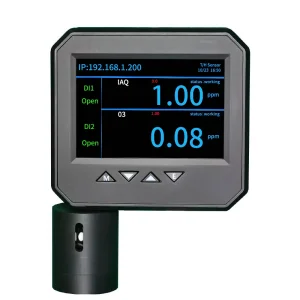
Advanced Ethernet data logging station optimized for occupational safety compliance, indoor cleanroom metrics, and atmospheric analysis.
View Specifications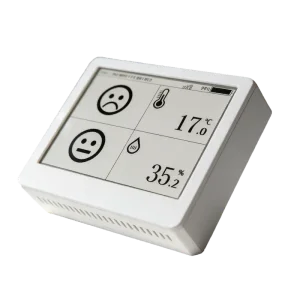
Sub-GHz LoRa transmission module for extreme range deployment. Ideal for smart agriculture, open structures, and thick concrete warehouses.
View Specifications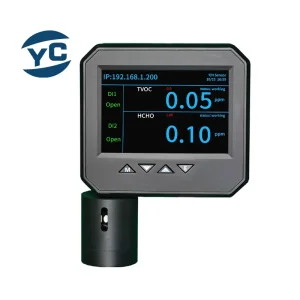
Targeted chemical environmental monitoring system recording VOC emissions, HCHO concentrations, temperature, and relative humidity.
View Specifications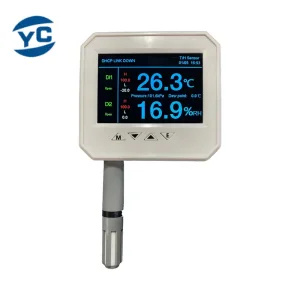
Monitors differential and ambient atmospheric pressure alongside core humidity and temperature values. Crucial for cleanroom ventilation.
View Specifications
Fully compliant industrial device designed to European CE standards for high-performance municipal, commercial, and research operations.
View SpecificationsA comprehensive analysis of wireless sensor deployment patterns, manufacturing protocols, and system integration strategies for modern infrastructure.
Across modern global supply chains, precise environmental control is no longer a localized operational concern; it has become a fundamental pillar of quality assurance, safety compliance, and system optimization. Smart Wi-Fi and Ethernet temperature-humidity sensors act as the nervous system for automated warehouses, cold chain logistics, pharmaceutical production, cleanrooms, and high-density data centers. With the rapid evolution of IoT architectures, enterprises have moved away from traditional standalone data loggers toward connected, real-time sensing networks that feed telemetry directly into centralized SCADA systems, Building Management Systems (BMS), or cloud platforms.
These smart sensors employ advanced communication protocols such as Modbus TCP, SNMP, and MQTT. System integrators select their hardware based on low calibration drift, network failure survivability, and sensor protection. A critical trend in the market is the integration of dual-mode connectivity—specifically combining wired Ethernet (PoE) and wireless Wi-Fi. This setup provides automatic failover: if a physical network cable is compromised or a wireless access point experiences interference, the sensor switches to the backup channel, preventing costly data gaps in regulated environments.
Sourcing industrial-grade hardware from China allows global enterprises to balance cutting-edge components with cost efficiency. The cluster of electronics manufacturing in China provides unmatched supply chain density. Rather than sourcing housings, PCB assemblies, high-accuracy sensing elements, and custom cables from disparate regional suppliers, Chinese sensor manufacturers operate in unified vertical ecosystems. This geographic proximity speeds up prototype development and shortens production lead times for custom orders.
Furthermore, top-tier Chinese manufacturers, such as Beijing Yingchuanglihe (YCLI), ensure reliability by using imported sensor components. YCLI utilizes high-precision capacitive polymer humidity sensors and bandgap temperature sensors from market leaders in Switzerland and Germany. By mounting these premium imported chips on local, high-speed automated production lines, the factory outputs products with long-term stability and high measurement accuracy at a lower price point than Western equivalents.
The deployment of smart environmental sensors varies across industries, requiring specific features for each application:
Founded in 2007, Beijing Yingchuanglihe Electronic Technology Co., Ltd. is a leading high-tech manufacturer specializing in smart environmental sensing and integrated IoT infrastructure.
We build our smart sensors using advanced imported chipsets, providing long-term reliability and minimal deviation drift across extended runtimes.
Out-of-the-box integration with industrial systems via Modbus TCP, SNMP, MQTT, and direct API hooks for custom IT architectures.
Our experienced R&D department provides custom enclosure designs, private-label firmware branding, and tailored multigas module integration.
Company founded. Developed its first TCP/IP network protocol environmental monitoring terminal and initial monitoring software.
Partnered with Mocha Software to launch the TH-5939 series of SNMP-supported environmental monitoring sensors.
Cooperated with COMLAB (Switzerland) to launch the TH-5869 protective sensor series for major high-speed rail lines.
Cooperated with Founder Technology to release the APEM-6100, an early adopter of Power over Ethernet (PoE) technology.
Partnered with Foxconn to establish our sensors as standard components for smart industrial workshops.
Partnered with Baidu to deploy next-generation APEM-5900 intelligent sensors inside Baidu's Yangquan Data Center.
Launched an integrated outdoor cabinet monitoring system deployed for Huawei's ETC expressway projects.
Designed and deployed high-level autonomous driving road-test integration boxes and intelligent computing infrastructure.
Established the Beidou high-precision tracking division and smart pipeline initiatives. Obtained direct IDC business qualifications.
Providing accurate, real-time data for mission-critical operations, harsh environments, and automated infrastructure worldwide.




A technical guide to YCLI's environmental sensors and integrated monitoring systems.
Supports DC12~48V and standard PoE power supplies. Designed to monitor ambient temperature, relative humidity, and dew point calculations directly over a single Ethernet cable connection.
Combines temperature, humidity, and dew point measurements with a high-accuracy barometric pressure sensor. Ideal for checking airflow, differential cleanroom pressure, and meteorological conditions.
Offers dual-path network backup: primary wired Ethernet and auto-failover wireless Wi-Fi. Features localized data storage to safeguard against network dropouts.
Features an external sensor probe separated from the main unit by a 1 to 3-meter cable. Ideal for measuring conditions inside climatic chambers, cold storages, and industrial ducts.
Integrates air quality tracking for TVOC, HCHO, CO, O₃, SO₂, NO₂, O₂, and H₂S. Includes auxiliary inputs/outputs, RS-485 conversion, and built-in relay modules for automated control.
Designed for low-power, long-range wireless applications. Excellent signal penetration through dense walls, making it ideal for large-scale agricultural projects and warehouses.
Explore our targeted industrial data loggers, PoE integration modules, and dual-mode transmitters.
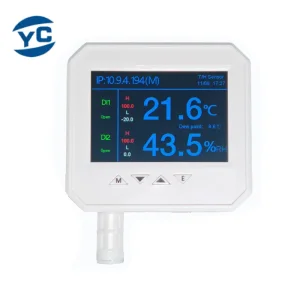
China factory-direct PoE climate sensor offering reliable temperature and humidity tracking with minimal maintenance.
View Specifications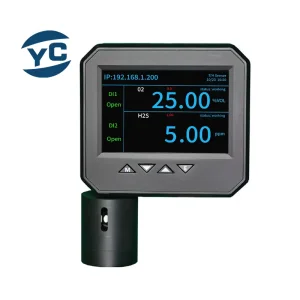
Designed for industrial safety. Integrates oxygen depletion tracking and toxic hydrogen sulfide gas detection.
View Specifications
A multi-parameter sensor that monitors TVOC, Ozone, temperature, and humidity, designed for high-density commercial spaces.
View Specifications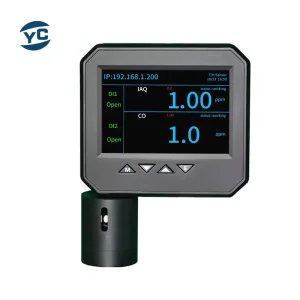
Features certified carbon monoxide electrochemical cells for tracking toxic gases alongside humidity and temperature metrics.
View Specifications
A dual-mode environmental transmitter with automated failover, protecting critical data logs from system network dropouts.
View Specifications
Features customized firmware and physical communication layouts designed to integrate with proprietary BMS infrastructures.
View Specifications
An OEM-optimized PoE temperature, humidity, and dew point sensor, ready for private labeling and high-volume deployment.
View Specifications
Bulk-packaged Wi-Fi and wired dual-mode sensors, offering a versatile solution for large commercial real estate installations.
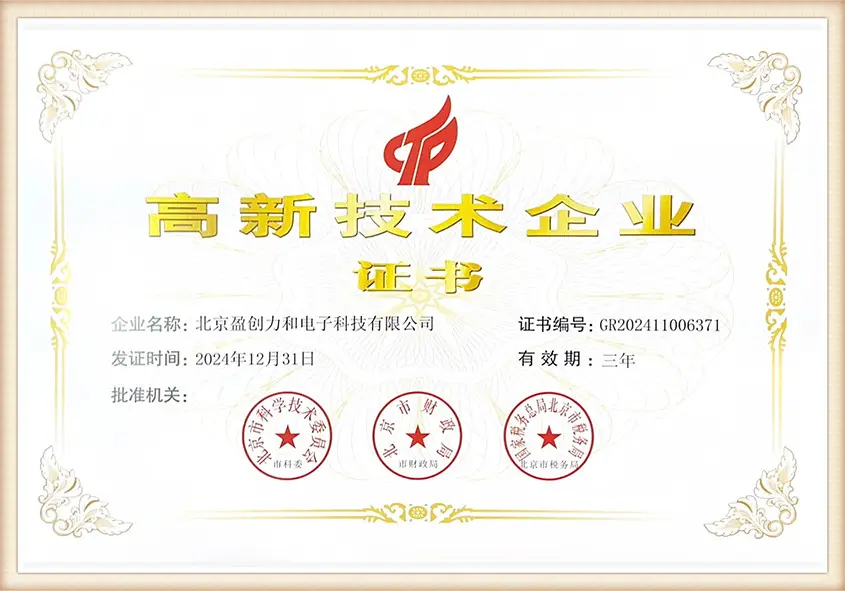
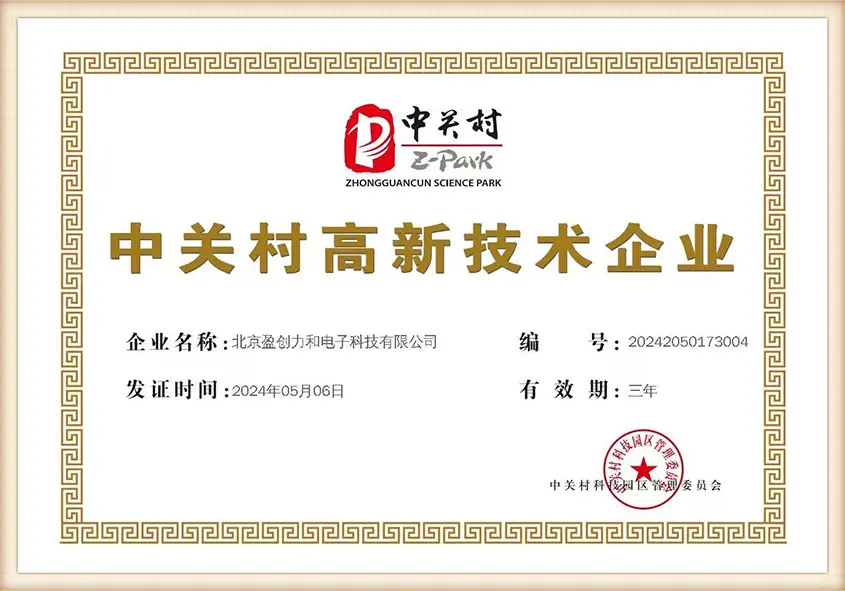
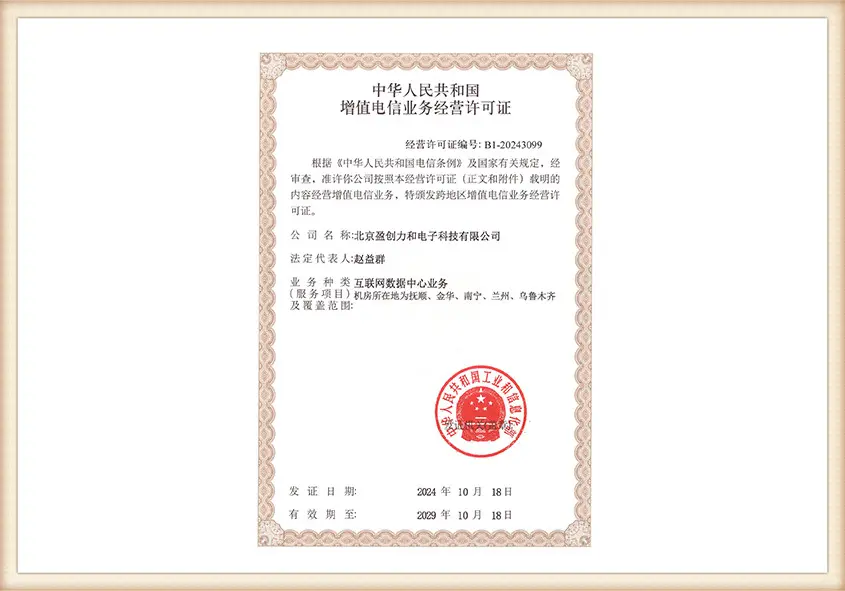
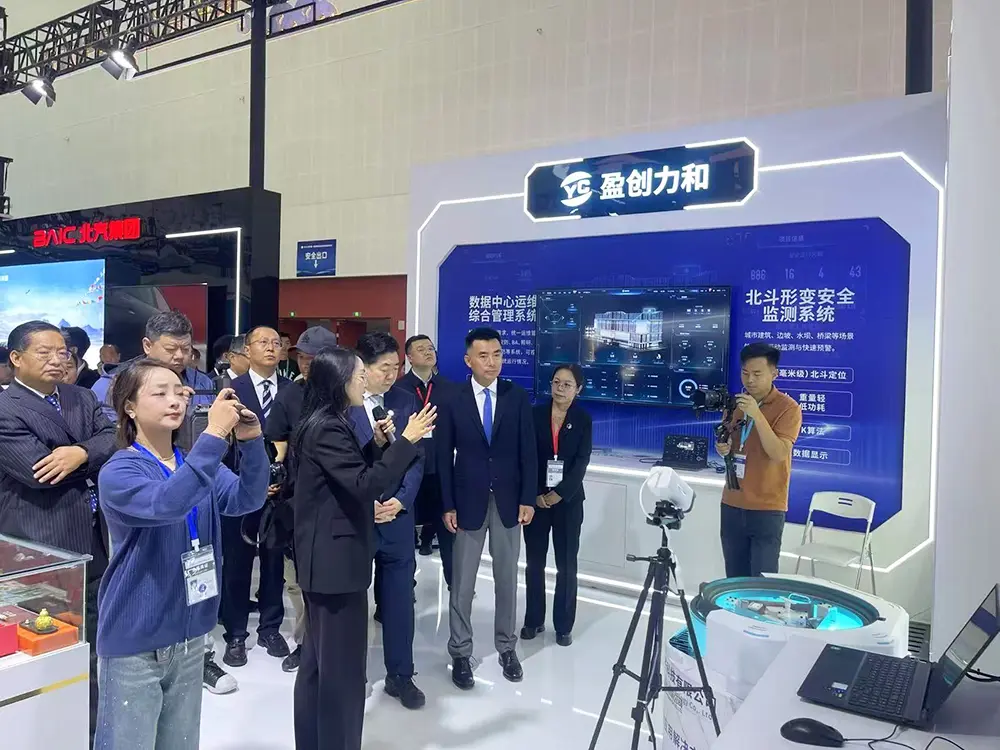
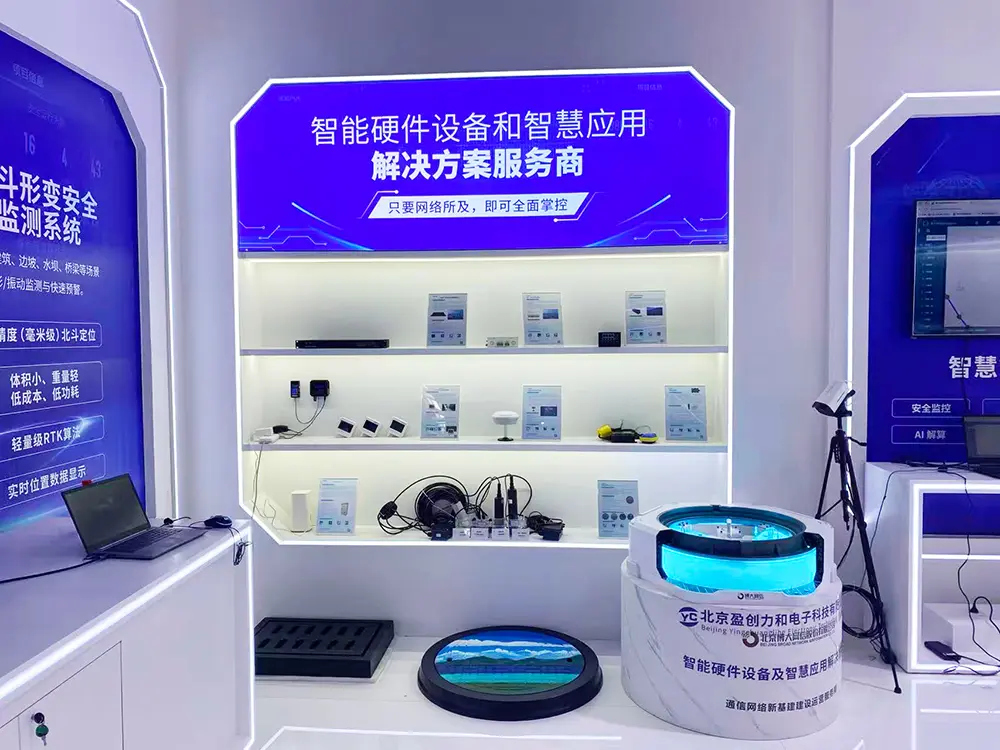
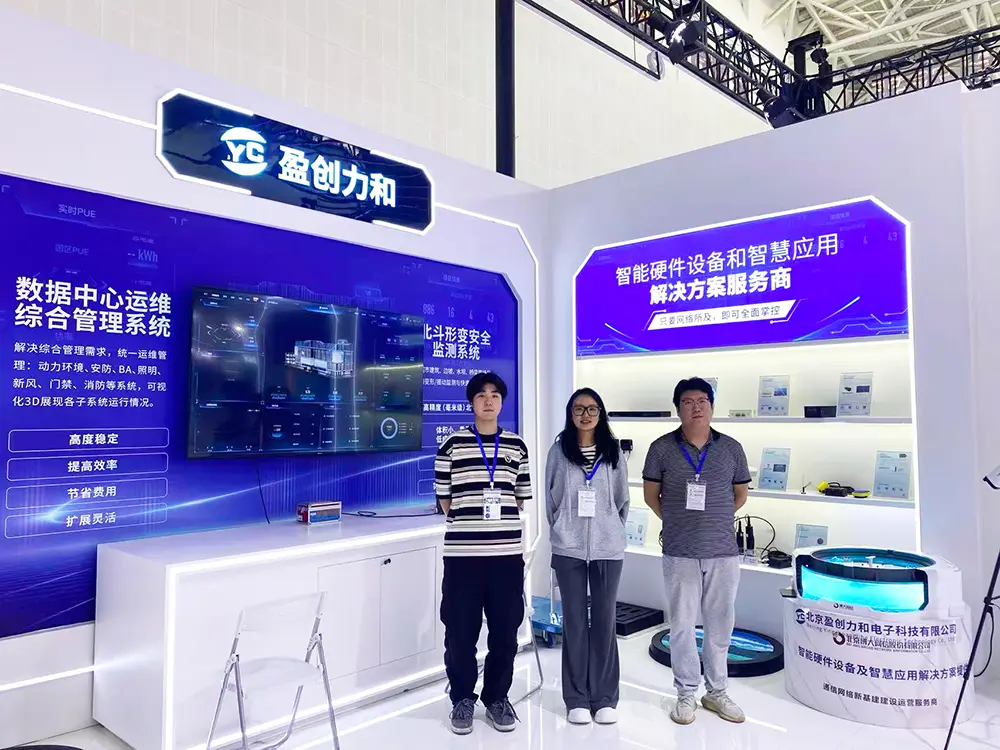
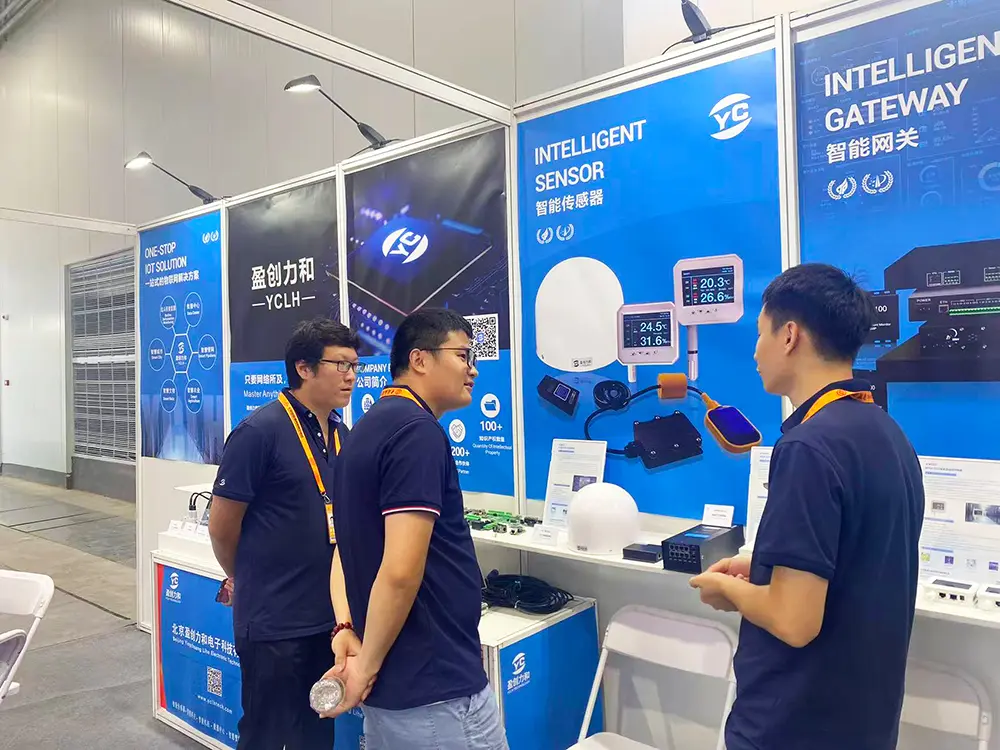
View SpecificationsOur commitment to rigorous testing standards and regular engagement with the global industrial automation industry.

Common questions from system integrators, design engineers, and procurement teams about our hardware.
YCLI uses high-precision environmental sensor chips imported from leading manufacturers in Switzerland and Germany. These components ensure excellent long-term stability: temperature drift is less than 0.03°C per year, and relative humidity drift is less than 0.25% RH per year. This allows for longer intervals between recalibrations in standard commercial and industrial applications.
The APEM-5930W has a built-in network watchdog. If it detects a packet-loss threshold on the primary wired Ethernet connection, it automatically switches to the configured backup Wi-Fi channel within milliseconds. The device also features internal flash memory to log data during network transitions, ensuring no telemetry is lost.
Our smart sensors support Modbus TCP, SNMP (v1/v2c/v3), MQTT, and HTTP/HTTPS POST JSON APIs. This allows them to integrate directly with building management systems, network monitors (like Zabbix, PRTG, and SolarWinds), and industrial SCADA platforms without needing proprietary middleward software.
Yes. Models such as the APEM-5930 and APEM-5930P support standard IEEE 802.3af PoE (Active Power over Ethernet, 48V). This allows a single Cat5e or Cat6 network cable to transmit both data and power, reducing installation costs by eliminating the need for local power drops.
Yes. We offer complete OEM/ODM customization services. Our team can modify housing dimensions, develop specialized external probes, customize firmware, and integrate extra gas-sensing elements (such as CO, Ozone, H₂S, TVOC, and formaldehyde). We also support private labeling and custom interface protocols for large-scale enterprise deployments.
Our extended probe models (like the APEM-5930E) are designed for demanding environments. While the main network module operates between -20°C and +60°C, the external probe head (available in Teflon or stainless steel) can measure temperatures from -40°C to +85°C and relative humidity from 0% to 100% RH (non-condensing).
 YCLH Sensor