Explore our flagship high-performance industrial multi-parameter sensors featuring Swiss-imported components and comprehensive communication interfaces.
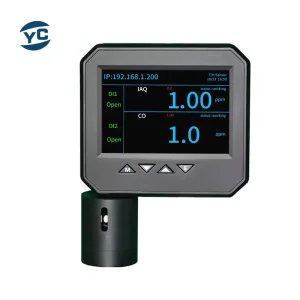
Industrial integrated sensor monitoring temperature, humidity, carbon monoxide (CO), and Indoor Air Quality (IAQ) via Ethernet.
View Product Details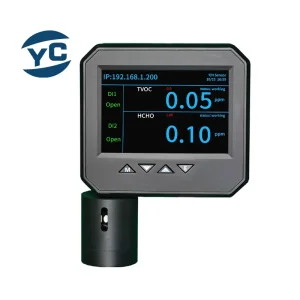
Comprehensive chemical pollutant analysis with integrated precision temperature and humidity logging capabilities.
View Product Details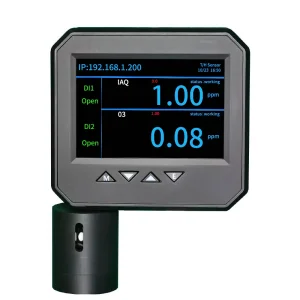
CE-certified high-performance logger combining real-time ozone detection with standard temperature-humidity tracking.
View Product Details
A heavy-duty industrial gateway with integrated relays and dual power redundancy for agricultural applications.
View Product Details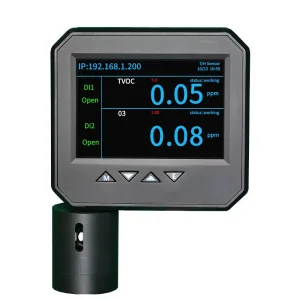
Simultaneous detection of chemical compounds, ozone degradation, and ambient meteorological variables.
View Product Details
Designed for smart building control systems and agricultural processing facilities requiring VOC monitoring.
View Product Details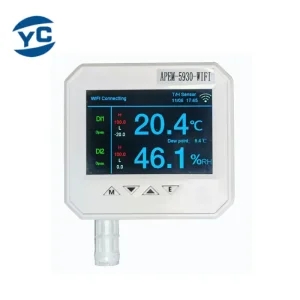
Dual-mode network configuration (Wired + WiFi) offering deployment flexibility in complex greenhouse environments.
View Product Details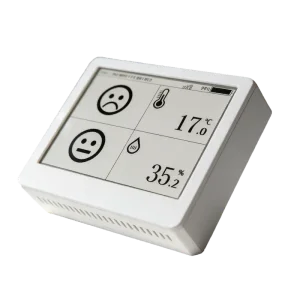
Ultra-long range wireless monitoring powered by internal high-capacity batteries, optimal for remote sectors.
View Product DetailsA comprehensive analytical guide on technical standards, IoT protocols, supply chain resilience, and global procurement for modern high-performance climate monitoring systems.
In the contemporary landscape of agricultural technology (Agri-Tech) and industrial environmental control, the control of atmospheric relative humidity (RH) is no longer seen as a basic parameters regulation, but as a core pillar of yield optimization, disease prevention, and biosecurity. As a leading China greenhouse humidity sensor supplier and factory, Beijing Yingchuanglihe Electronic Technology Co., Ltd. presents this whitepaper to dissect the technical innovations, global purchasing specifications, and smart factory capabilities defining today's ambient monitoring sector.
The global market for smart greenhouse systems is expanding at an unprecedented compound annual growth rate (CAGR). This expansion is driven by the rapid transition from traditional plastic tunnels to automated glasshouses, vertical farms, and indoor urban agricultural facilities. The humidity sensor is the primary nervous system of these ecosystems. Accurate humidity metrics prevent catastrophic crop failures caused by pathogenic fungal breakouts, such as botrytis (grey mold) and powdery mildew, which thrive when local dew points are miscalculated or relative humidity spikes uncontrollably.
Modern commercial greenhouses demand sensors that can perform consistently in extremely harsh conditions. Traditional analog sensors, which suffered from signal degradation over long wire runs, are being phased out. The industry is currently aligning with three major technological advancements:
Sensors are moving towards integrated MEMS technology. High-end humidity sensors now embed Swiss or German high-precision silicon chips directly on the sensor board. This level of chip-level integration enables on-board analog-to-digital signal conversion, rendering the device immune to electrical noise. Furthermore, it allows for integrated calculations of related values, such as dew point temperature, absolute humidity, and mixing ratios, directly on the device.
Connectivity is the backbone of Agriculture 4.0. Commercial greenhouse grids span hectares, presenting significant wiring challenges. Power over Ethernet (PoE), implemented in devices like the APEM-5930 series, solves this by delivering power and high-speed data transmission over a single standard Cat5e/Cat6 network cable. For remote structures where cabling is cost-prohibitive, LoRa (Long Range) and LoRaWAN protocols are preferred. Operating on sub-GHz frequencies, these sensors transmit telemetry over kilometers with minimal power draw, ensuring multi-year battery life.
The boundary between pure humidity sensors and comprehensive atmospheric analyzers is fading. Modern systems require simultaneous monitoring of VOCs (Volatile Organic Compounds), formaldehyde (HCHO), carbon monoxide (CO), sulfur dioxide (SO₂), ozone (O₃), and ambient pressure. In vertical urban farms, where organic processes are tightly controlled, these multi-parameter arrays are vital for assessing worker safety and analyzing plant respiration patterns.
We source high-precision sensing chips from Switzerland and Germany, guaranteeing ±2% RH and ±0.3°C temperature accuracy with long-term calibration stability.
Support for WiFi & Wired Ethernet connection configurations (APEM-5930W), ensuring zero downtime in mission-critical data acquisition fields.
Our sensor housings are engineered to withstand condensing humidity, chemical fertilizer mists, and routine greenhouse washdown operations.
For B2B buyers—ranging from greenhouse engineering firms and horticultural system integrators to smart city contractors—the decision-making process for humidity sensor procurement rests on four pillars of credibility:
Beijing Yingchuanglihe Electronic Technology Co., Ltd. represents the peak of Chinese high-tech manufacturing. Based in Beijing, our modern facility spans more than 1,500 square meters, housing five automated production lines staffed by over 100 dedicated employees, including a seasoned engineering and R&D department. Our Factory 4.0 philosophy centers on three core advantages:
Every sensor unit goes through automated multi-point environmental chamber calibrations. We test and record response parameters under varying temperatures (from -40°C to +80°C) and relative humidity levels (from 0% to 99% RH). This process ensures that every device meets its specified tolerance levels before leaving the factory.
Located in the heart of Beijing's technological manufacturing cluster, we have direct access to raw components and precision molding suppliers. This physical proximity, coupled with long-term supply contracts for Swiss and German core sensing chips, insulates our production schedule from global raw material shocks, ensuring predictable delivery timelines for international wholesale buyers.
We recognize that no two greenhouse applications are identical. Whether clients need specialized external sensor probes (as offered by the APEM-5930E model), customized cable lengths, private labeling, modified communication protocols, or custom enclosure colors, our R&D team can deliver working prototypes in record time.
Our environmental sensor solutions are deployed worldwide, transcending traditional agricultural boundaries to serve cleanrooms, archives, and high-tech infrastructure:
From a pioneer in TCP/IP environmental monitoring terminals to a multi-scenario smart sensing industry leader.
Company founded. Developed early environmental monitoring terminals based on TCP/IP and introduced initial software management systems.
Partnered with Mocha Software to launch the TH-5939 series supporting SNMP protocols for enterprise network management.
Collaborated with Switzerland's COMLAB to develop the TH-5869 protective Ethernet monitor, deployed across high-speed rail lines.
Partnered with Founder Technology to release APEM-6100, one of the market's first Power over Ethernet (PoE) environmental sensors.
Collaborated with Foxconn to standardize industrial environmental sensors for high-precision manufacturing workshops.
Partnered with Baidu to deploy next-gen APEM-5900 Ethernet terminals in Baidu Yangquan Data Center; upgraded systems to multi-parameter software.
Expanded into outdoor cabinet integrations, supplying sensors for Huawei and China Merchants Huaruan ETC expressway projects.
Designed autonomous road test integrated box sensors; participated in building core infrastructures for smart computing centers.
Established Beidou High-Precision Deformation Division; obtained IDC qualifications; launched joint divisions with Beijing Enterprises Water Group.
Take a look inside our high-tech workshop, testing zones, and our active participation in global electronics exhibitions.
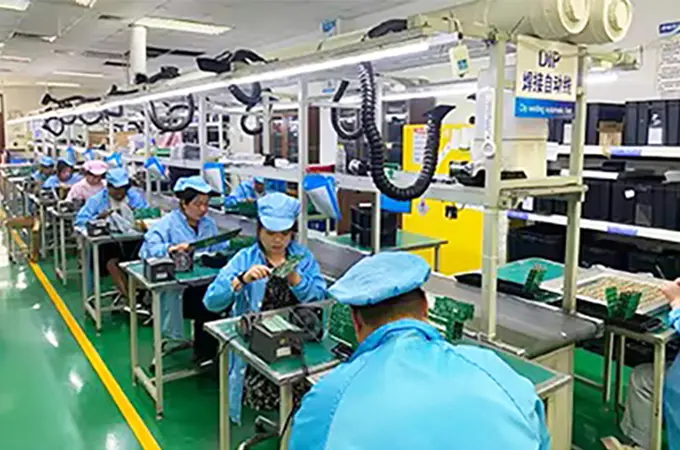
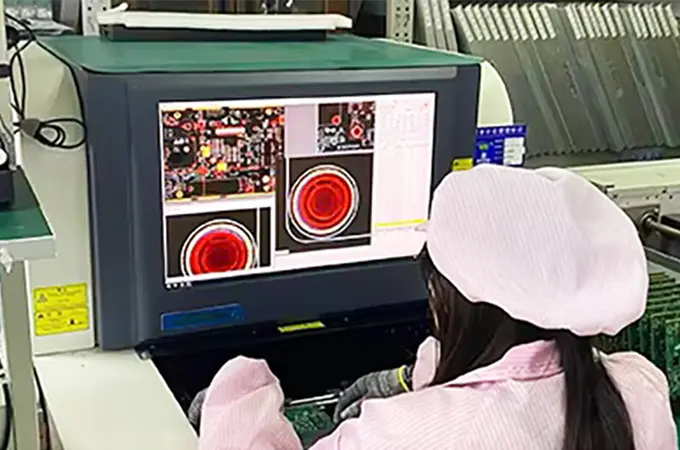
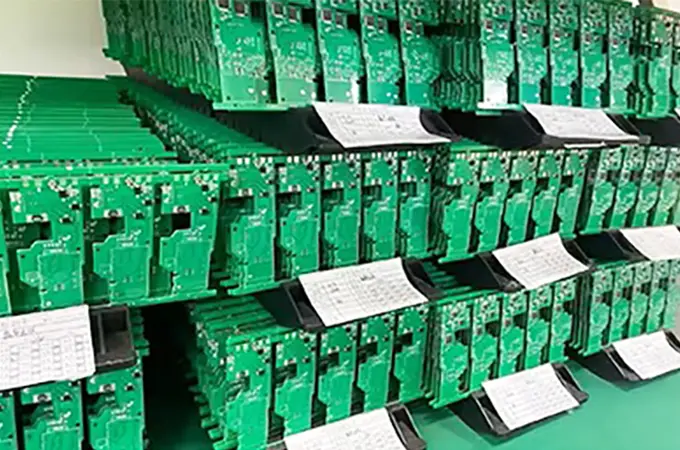
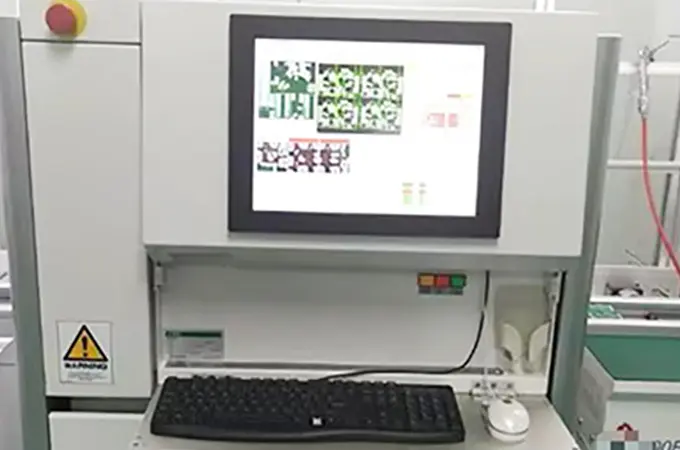
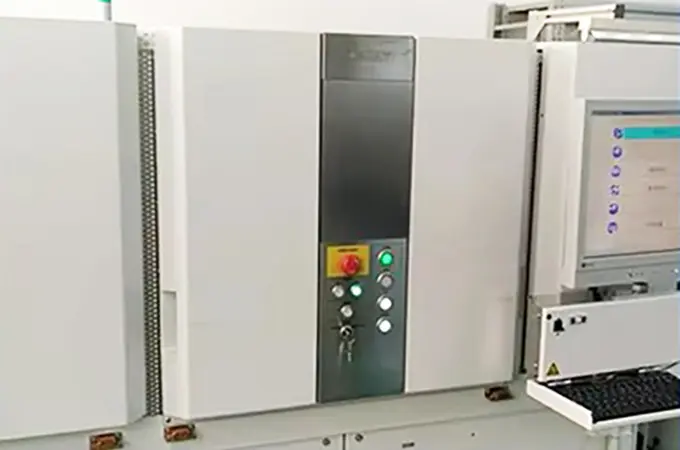
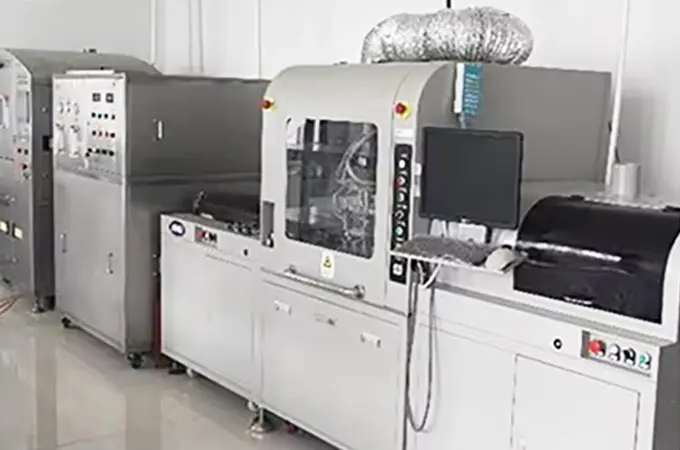
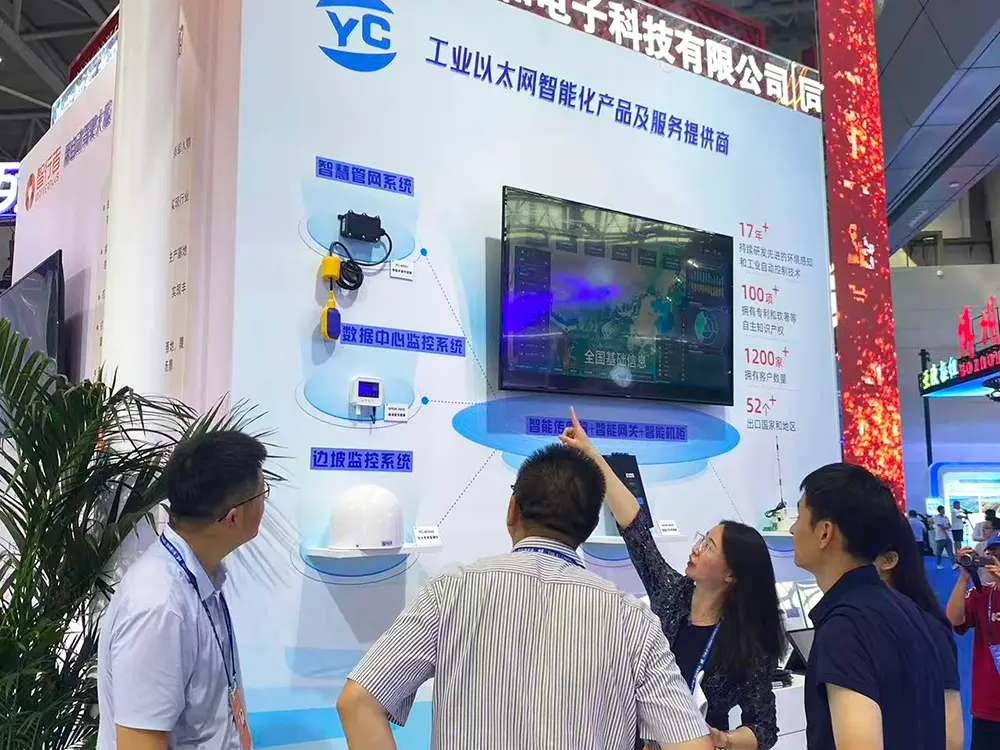
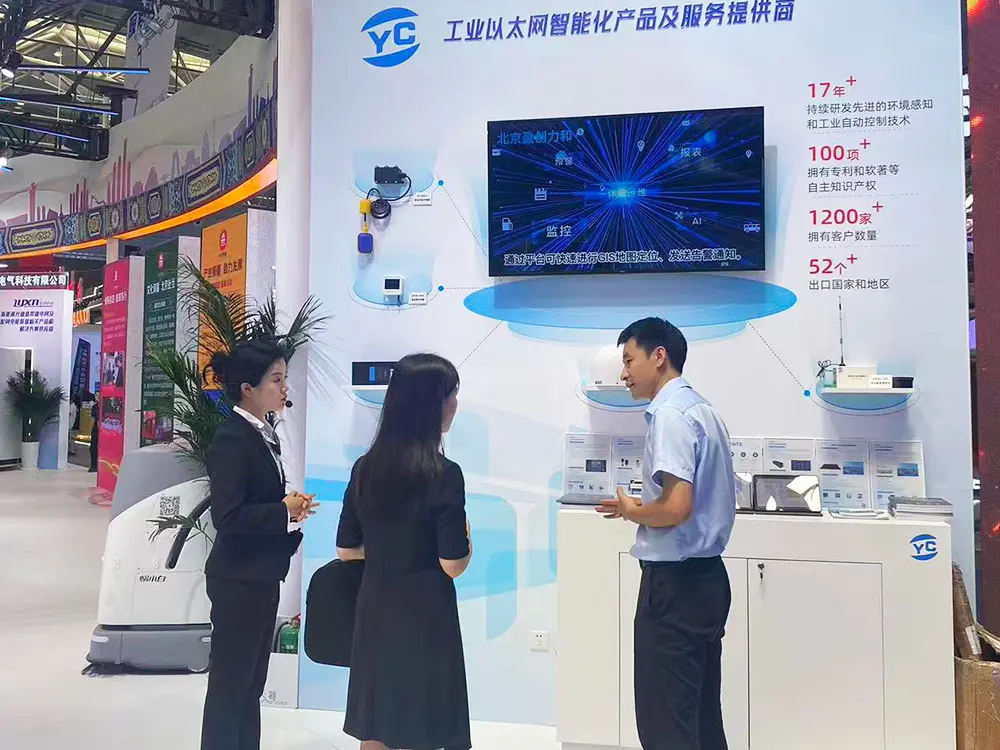
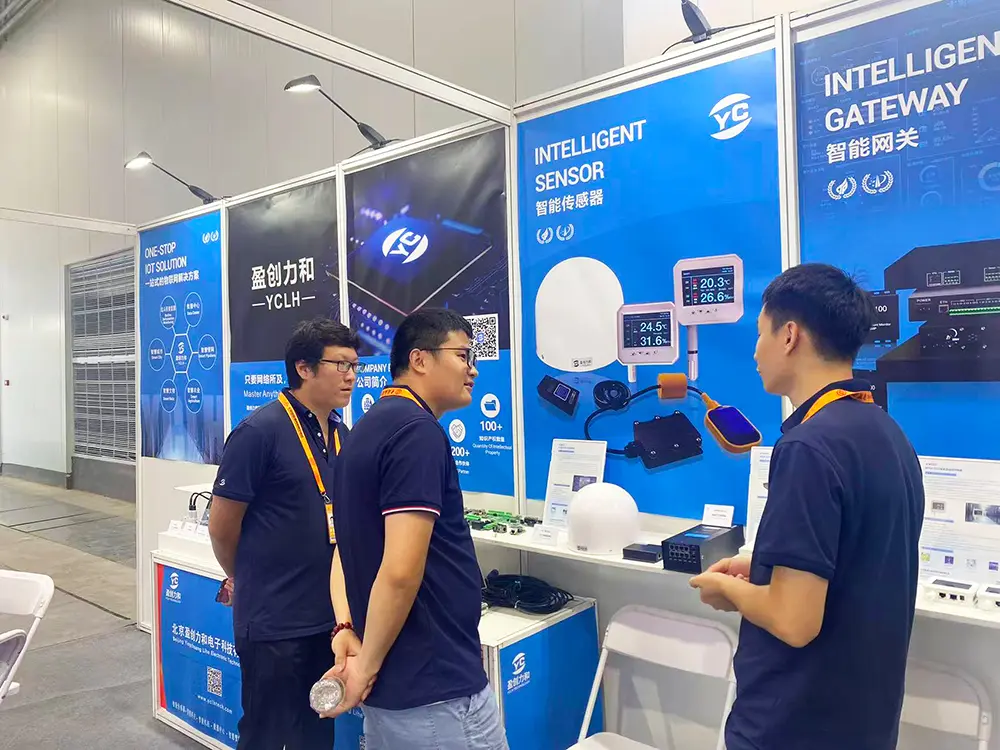
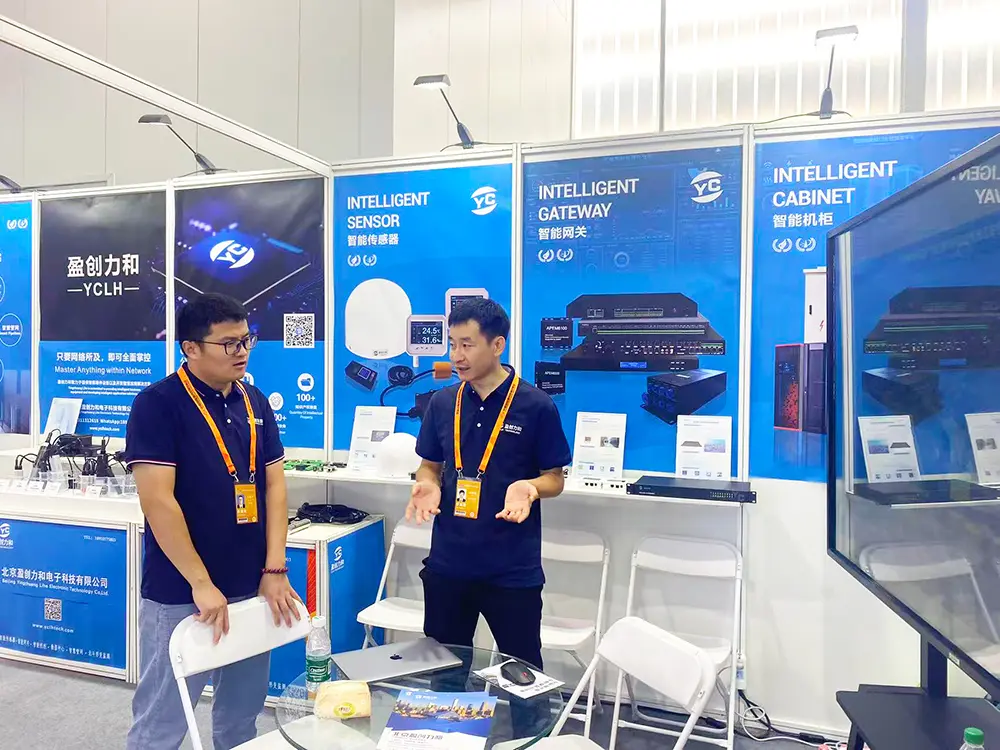
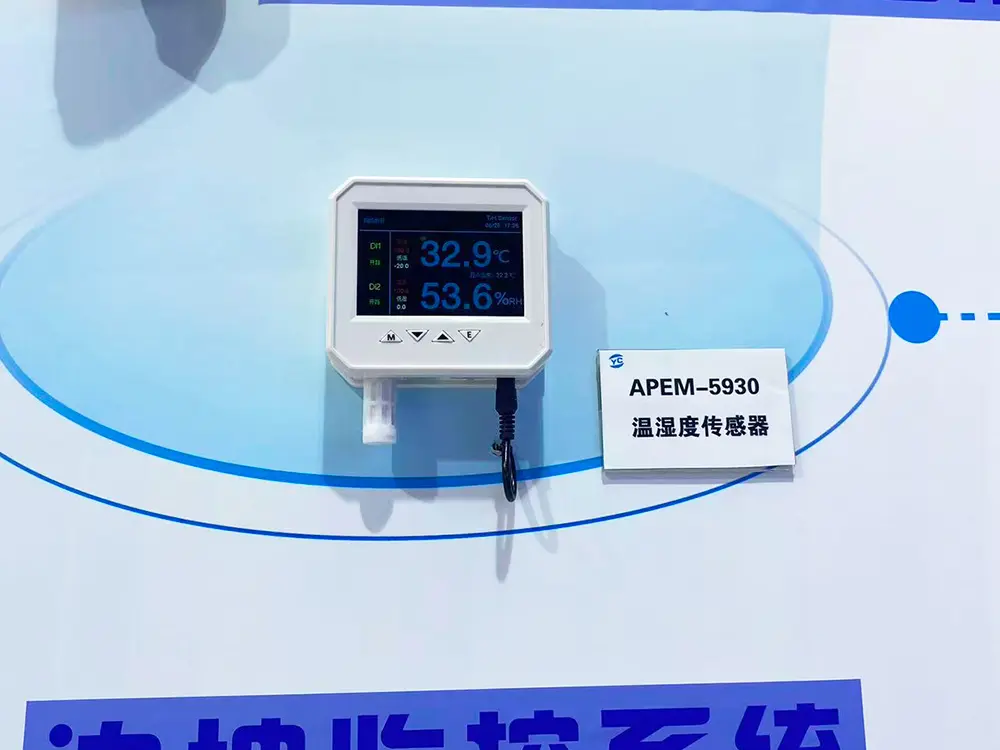
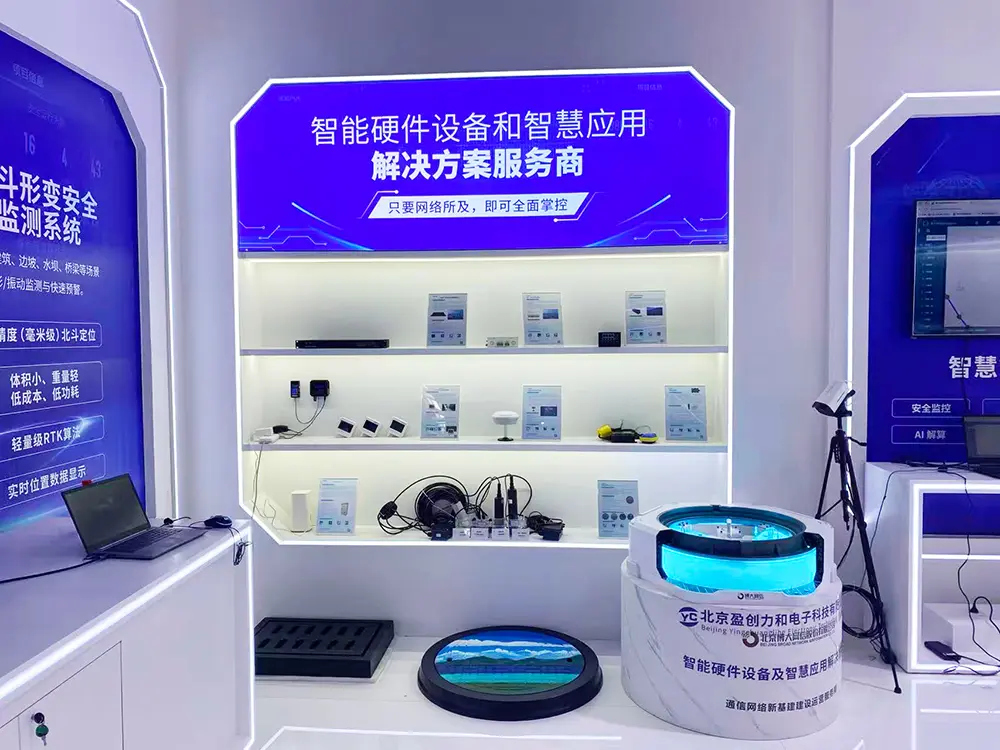
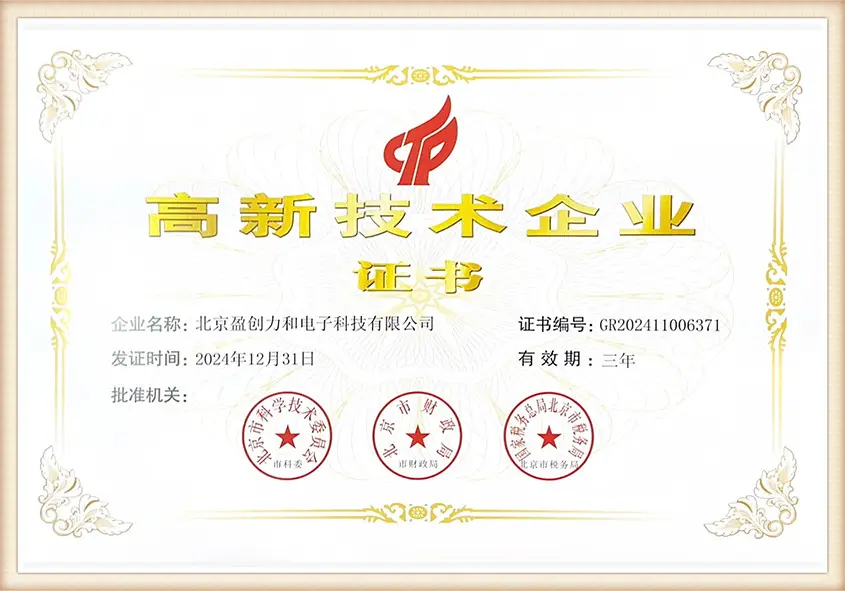
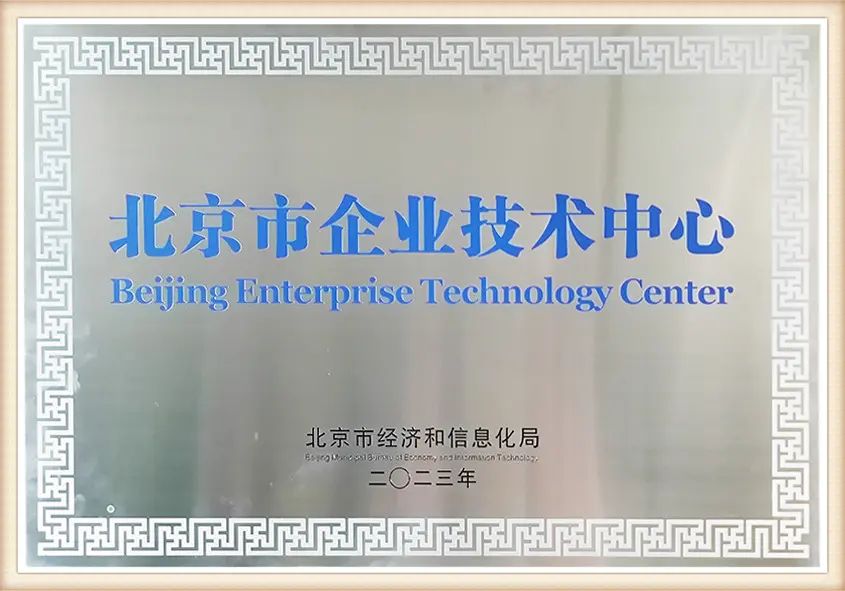
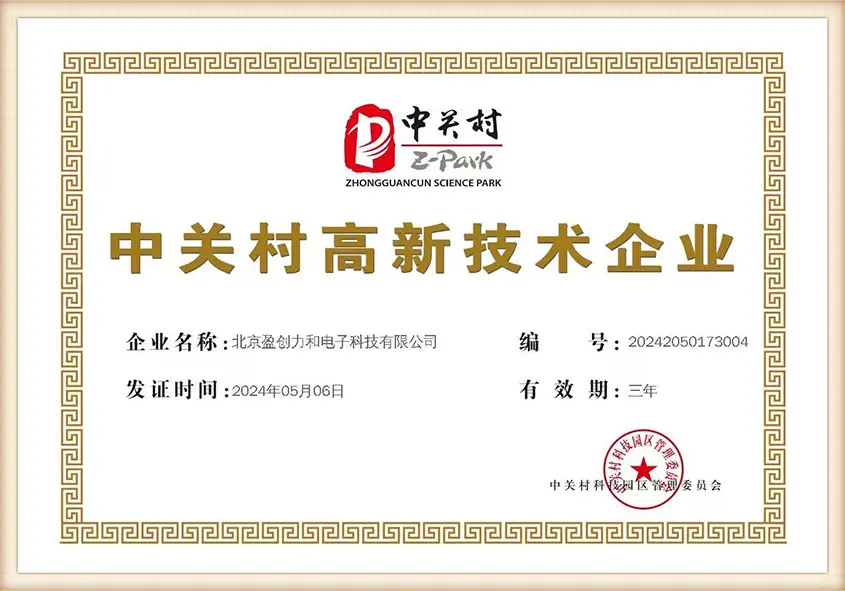
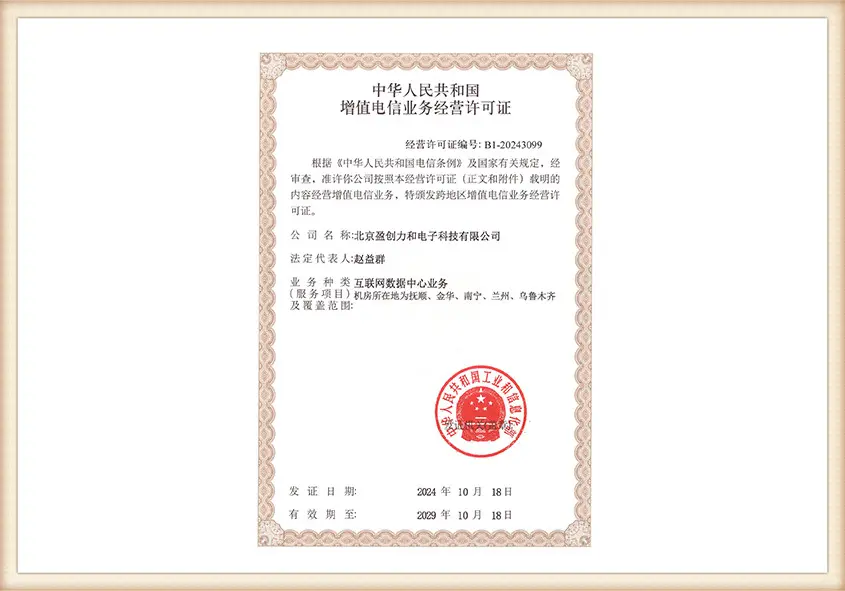
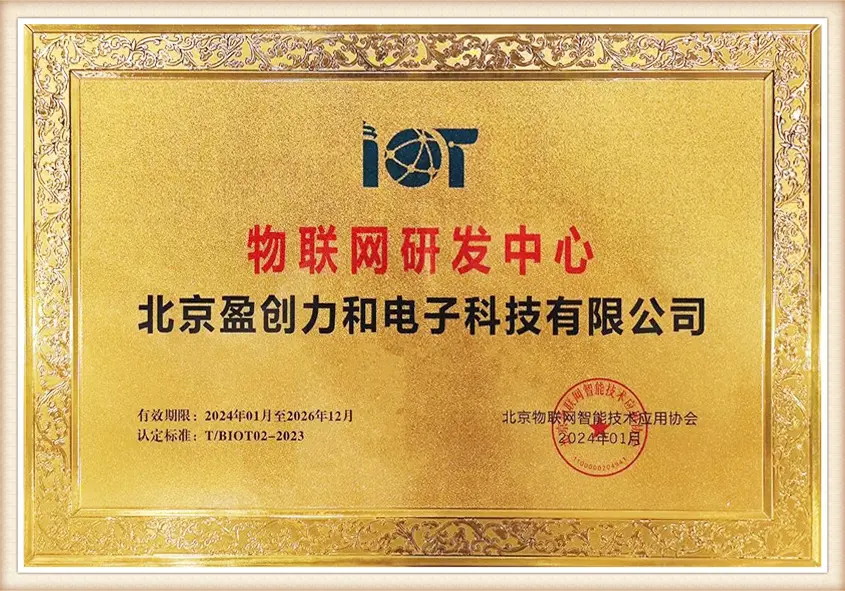
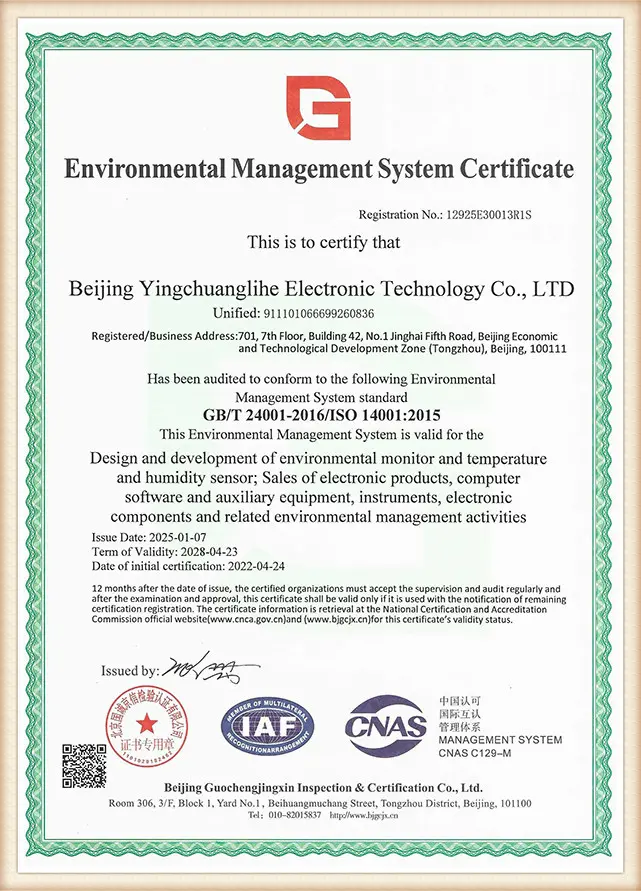
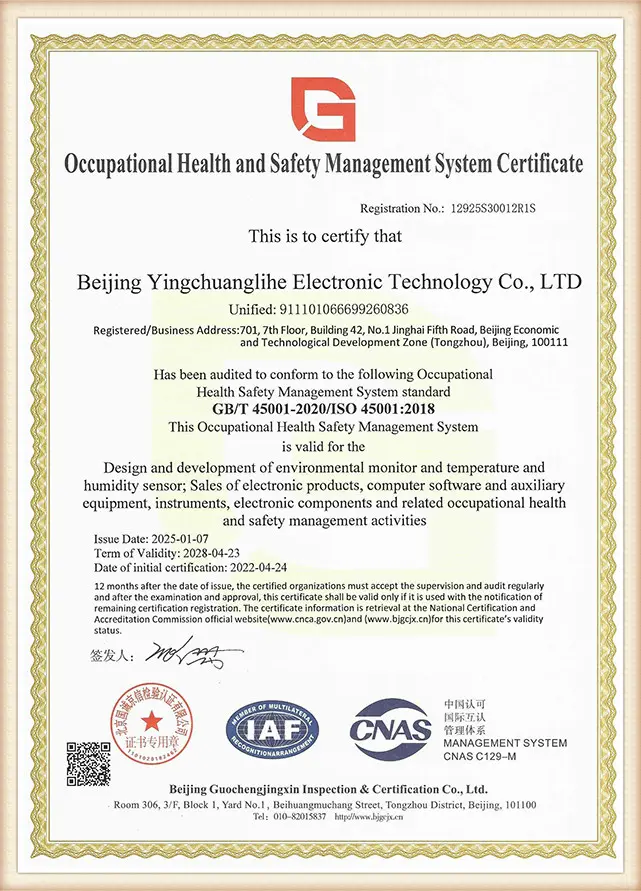
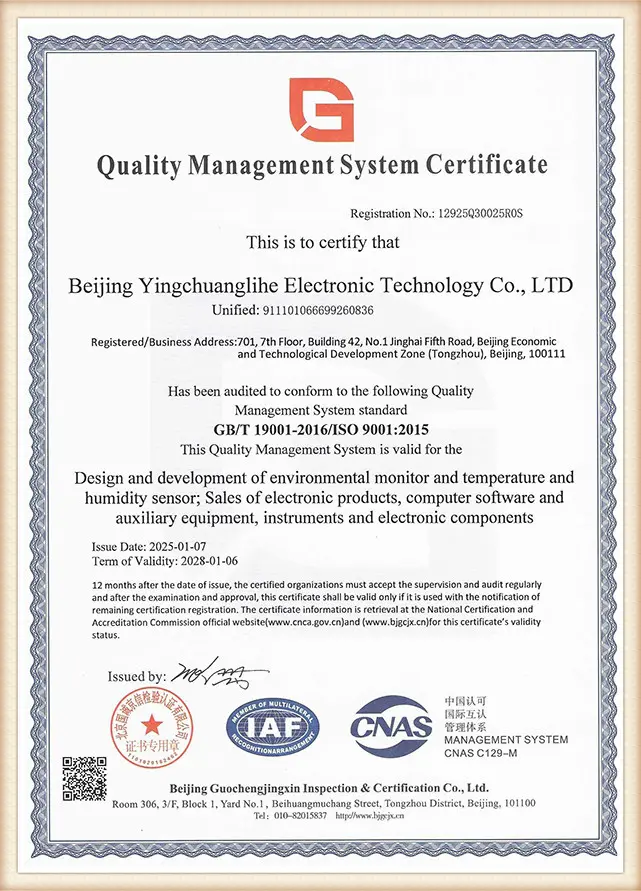
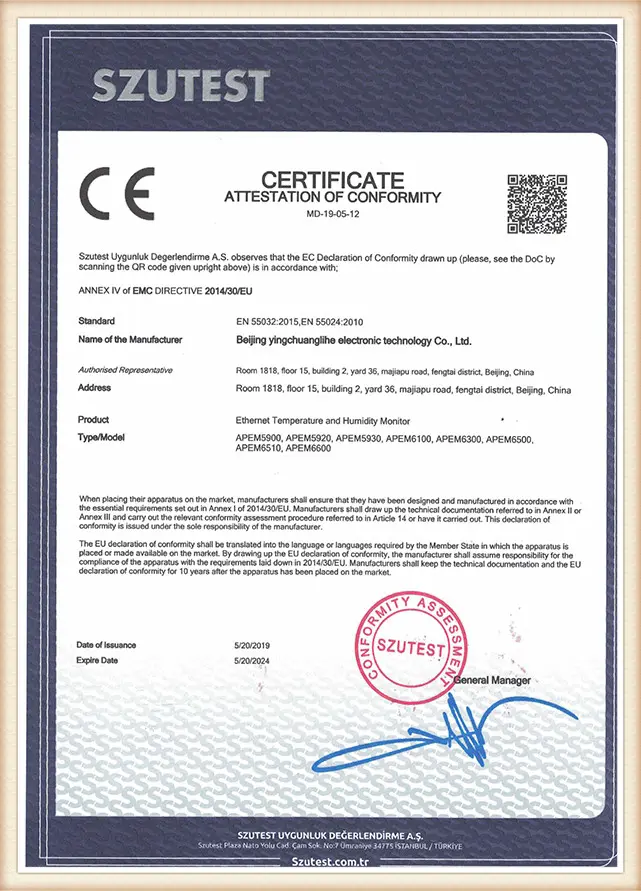
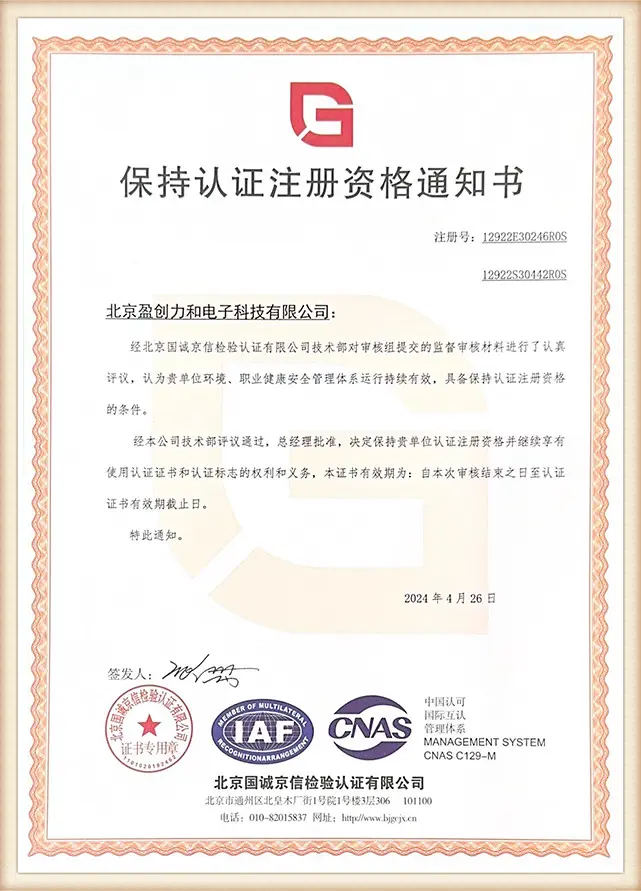
Our production systems and environmental monitoring products comply with CE, FCC, RoHS, and national high-tech standards.
Clear, detailed, technical answers addressing standard setup, calibration, and integration concerns.
Relative humidity is temperature-dependent. A sensor measuring 90% RH at 25°C will hit 100% RH (condensation) if the temperature drops even slightly. Monitoring the dew point allows growers to calculate the precise temperature threshold where condensation will form on leaves and structural components, enabling proactive activation of heating or ventilation grids to avoid fungal infections.
Yes. Our sensors use Swiss-imported sensing chips featuring hydrophobic protection membranes. Additionally, we provide protective filter caps that allow rapid humidity equilibration while blocking fertilizer mists, dust, and corrosive vapors, preventing premature sensor drift and element deterioration.
Ethernet (PoE) provides maximum transmission stability and delivers power over one cable, ideal for permanent, dense sensor grids. WiFi offers quick, cable-free integration inside areas with existing wireless networks. LoRa is optimized for remote, battery-operated, long-distance sectors where electricity is unavailable, transmitting telemetry over several kilometers.
Absolutely. We design our sensors to be highly open. We natively support standard protocols including Modbus-RTU (over RS485), Modbus-TCP (over wired Ethernet), SNMP (for monitoring environments like data centers), and MQTT for smart IoT cloud integration.
We provide full customization ranges: custom brand labelling, tailored external probe structures (extendable up to 3 meters or more), adjusted output protocols, custom housings, and variations in gas detection arrays (such as combining TVOC, Ozone, CO, or atmospheric pressure sensors).
Heavy-duty network transmitters combining relative humidity with atmospheric pressure, ozone, VOCs, and carbon monoxide logging.
Offers dual networks with automatic failover, maintaining sensor tracking during physical link drops.
View Product Details
Ensures safety in agricultural ozone disinfection rooms and industrial manufacturing chambers.
View Product Details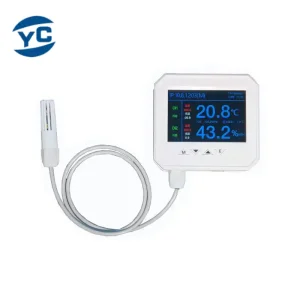
Features a decoupled external sensor head via extension cabling for confined spaces or soil interface tracking.
View Product Details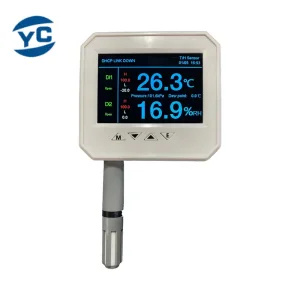
Integrates barometric pressure to provide a complete picture of indoor atmospheric conditions.
View Product Details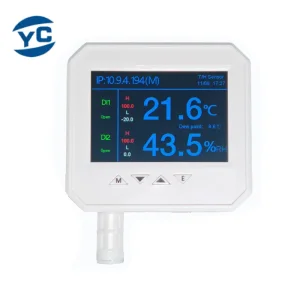
Our core PoE base unit offering robust temperature, humidity, and dew point measurements.
View Product Details
Features onboard relay terminals for ventilation triggering based on customizable air quality indexes.
View Product Details
Fully customizable IP-rated housing designed to perform reliably under warm, wet horticultural conditions.
View Product Details
An all-in-one monitor engineered to streamline wiring and installation overheads across multi-zone sites.
View Product Details YCLH Sensor