Explore our top-tier CE-certified sensor configurations engineered for smart buildings, data centers, cleanrooms, and extreme industrial environments.
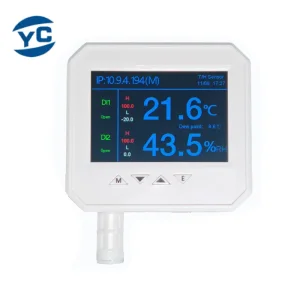
Standard PoE (DC12-48V) integration for temperature, relative humidity, and dew point calculation.
View Details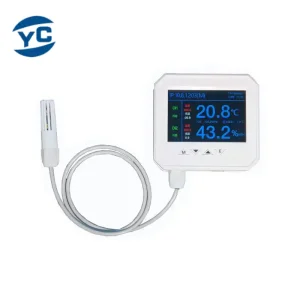
Features a separate probe system via 1-3m cabling, ideal for deep-chamber environmental diagnostics.
View Details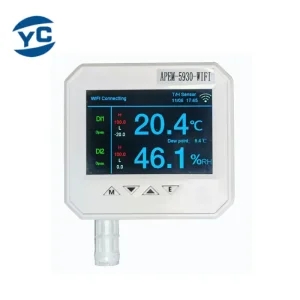
Dual-mode design with wired Ethernet and backup wireless WiFi for dynamic building integrations.
View Details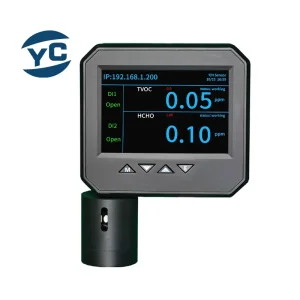
Integrated industrial sensor for volatile organics, formaldehyde, temperature, and humidity levels.
View Details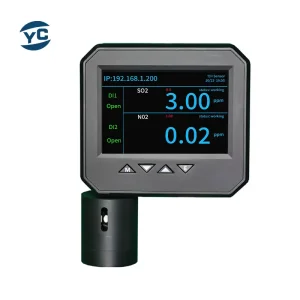
Highly sensitive parameters for sulphur dioxide and nitrogen dioxide combined with climate parameters.
View Details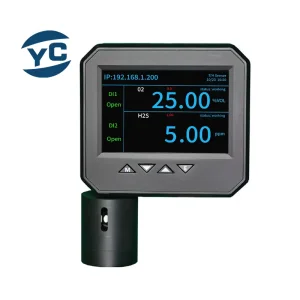
Safety-oriented sensor monitoring oxygen levels and hazardous hydrogen sulfide configurations.
View Details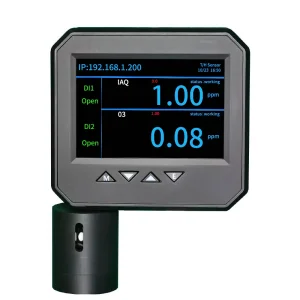
Specifically tailored for occupational health monitoring and ozone-heavy sterilization tracking.
View Details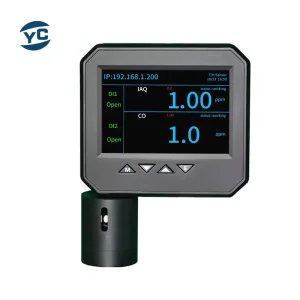
Premium environmental monitoring gateway with integrated CO detection and high reliability.
View DetailsDeep analysis of Modbus TCP, SNMP, and PoE integration parameters in regulatory-driven cleanrooms, production facilities, and intelligent computing infrastructures.
Modern industrial and commercial building control infrastructures demand localized, deterministic measurements combined with simplified topology. Standard analog loops (e.g., 4-20mA or 0-10V) introduce continuous degradation risks over long distances and require costly dedicated signal cables. Transitioning to Power over Ethernet (PoE, IEEE 802.3af/at) allows factory administrators to merge high-speed power supply and secure network communication over a single Category 5e/6 cable structure.
By integrating robust protocols like Modbus TCP, SNMP (v1/v2c/v3), and TCP/IP, the APEM series transmits telemetry data directly to central SCADA and building management systems (BMS) without additional protocol converter boxes. This prevents conversion errors and provides stable monitoring for temperature, humidity, dew point, and barometric pressure.
For operations teams managing global facility deployments, safety certifications are key indicators of equipment reliability and regulatory compliance. Under CE directives (specifically including EN 61326-1 for electromagnetic compatibility and low-voltage electrical security guidelines), a certified Ethernet sensor ensures protection against interference, voltage spikes, and electrostatic discharges typical in dense factory floor environments.
Our CE-marked Ethernet monitoring transmitters guarantee that they will not disrupt neighboring high-voltage automation machinery, nor will they deliver false alerts under heavy electromagnetic noise. For facility operators and global procurement heads, CE certification simplifies risk assessments and expedites audits by regional environmental and labor authorities.
| Model Group | Primary Parameters | Digital Protocols Supported | Power Interface | CE Compliance Standard |
|---|---|---|---|---|
| APEM-5930 Basic | Temp, Humidity, Dew Point | Modbus TCP, TCP/IP, UDP | PoE (IEEE 802.3af) / DC 12-48V | EN 61326-1:2013, EN 61000-6-3 |
| APEM-5930E (Extend) | Temp, Humidity, Dew Point + Probes | Modbus TCP, RS485 Pass-through | PoE / DC 12V Auxiliary | EN 55032 Class A, IEC 61000-4-2 |
| APEM-5930P (Pressure) | Temp, Humidity, Atmospheric Pressure | Modbus TCP, SNMP v2c/v3 | Standard Ethernet PoE | EN 61326-2-3 (Transducer specific) |
| APEM-5930G Multi-Gas | Temp, RH, TVOC, O₃, CO, H₂S, NO₂ | Modbus TCP, SNMP, MQTT, HTTP | PoE + Dual Digital Inputs & Relay Output | EN 50270 (Electromagnetic compatibility for gas detectors) |
Beijing Yingchuanglihe Electronic Technology Co., Ltd. is a professional manufacturer of environmental monitoring sensors. Since its establishment in 2007, it has been committed to providing customers with a full range of temperature, humidity and multi-parameter sensors, aiming to offer accurate and reliable data support for intelligent environmental monitoring in all industries. The company is located in Beijing, with a modern production base covering over 1,500 square meters and more than 100 employees. It is a high-tech enterprise integrating R&D, production and sales.
About 20 years of industry experience with profound technical expertise in signal processing, environmental telemetry, and hardware development.
Strong internal R&D capabilities, providing tailored casing configurations, customized network protocols, and multi-gas parameter combinations.
High-precision sensors utilizing imported chips from Switzerland and Germany, ensuring long-term measurement stability and minimal drift over years.
All products are certified with CE, FCC, and RoHS standards, meeting strict entry requirements for international industrial and commercial markets.
Support for Modbus TCP, SNMP, MQTT, HTTP, and JSON interfaces for seamless integration with third-party software databases and control systems.
Five automated assembly lines ensure consistent delivery cycles. Our support team responds to customer inquiries within 8 hours.
A timeline of innovation, engineering milestones, and major collaborations since our founding in 2007.
The company was founded and developed an intelligent environmental monitoring terminal based on the TCP/IP network protocol. In the same year, the initial version of environmental monitoring software was developed.
In collaboration with Mocha Software, a leading network management company, a series of SNMP protocol-supported environmental monitoring products, TH-5939, was successfully launched.
In partnership with Switzerland's COMLAB, the TH-5869 protective Ethernet environmental monitoring device was introduced, successfully applied in high-speed rail projects such as the Beijing-Kowloon Line, Beijing-Shanghai Line, and Wuhan-Guangzhou Line.
Cooperating with Founder Technology, the APEM-6100 Ethernet environmental monitoring device was launched. This product was among the early environmental monitoring devices to adopt Power over Ethernet (PoE) technology.
Collaboration with Taiwan's Foxconn, combined with the influence of key clients in the industry, established the company's products as one of the standards for environmental monitoring in production workshops.
In partnership with Baidu, the next-generation APEM-5900 Ethernet intelligent environmental monitoring terminal was launched, successfully deployed at Baidu's Yangquan Data Center. The environmental monitoring software was also upgraded that year to support a multi-parameter environmental monitoring system, further expanding its functional range.
A smart solutions system was introduced, adopting and implementing multi-scenario project cases. The monitoring system expanded horizontally, starting with smart data centers.
An integrated outdoor cabinet monitoring system was launched, successfully applied in projects such as Huawei and China Merchants Huaruan ETC expressway initiatives.
Deep involvement in the research, design, and development of Beijing's high-level autonomous driving road test integrated boxes and edge computing gateways, providing highly reliable road test equipment solutions.
Participation in the construction of intelligent computing center projects, providing key technical support in core areas such as the establishment of intelligent computing infrastructure.
Established joint business divisions with Beijing Enterprises Water Group and co-founded a Beidou business division with Beijing University of Civil Engineering and Architecture. Technological breakthroughs were achieved in smart pipeline network monitoring and Beidou high-precision deformation monitoring. Additionally, the company obtained Internet Data Center (IDC) business qualifications in the same year.
Our Ethernet environmental sensor systems are engineered for diverse critical infrastructure monitoring scenarios.
Deployed in remote base transceiver stations (BTS), outdoor cabinets, and signal distribution shelters to protect critical telecommunication gear from condensation and thermal overload.
Real-time thermal monitoring across rack corridors. Integrating Modbus TCP directly with DCIM systems prevents hot spots and optimizes cooling efficiency.
High-precision climate monitoring to satisfy strict GMP/GLP specifications. Probes track dew point, pressure differentials, and trace volatile pollutants.
Heavy-duty environmental monitoring within deep utility pipeline networks. Reliably flags flooding, chemical leaks, and oxygen depletion.
Custom environmental monitoring designed to resist vibration, thermal shock, and electromagnetic interference in secure storage and mobile installations.
Tolerates ambient dust, chemical vapors, and mechanical vibrations in automated assembly lines, logistics warehouses, and cement processing plants.
How Yingchuanglihe integrates edge-computed diagnostics, multi-gas parameters, and self-calibrating firmware to meet next-generation requirements.
By executing real-time anomaly detection models directly on the STM32 processing core of the APEM-5930G series, the system flags drifts or unexpected atmospheric fluctuations immediately. This reduces reliance on continuous data updates and minimizes server bandwidth load in large setups.
By pairing dual-channel NDIR carbon dioxide measurement systems with Swiss-made relative humidity polymer chips, our sensor modules automatically adjust for chemical wear and heat buildup. This self-calibration reduces manual recalibration intervals from once every 12 months to once every 36 months.
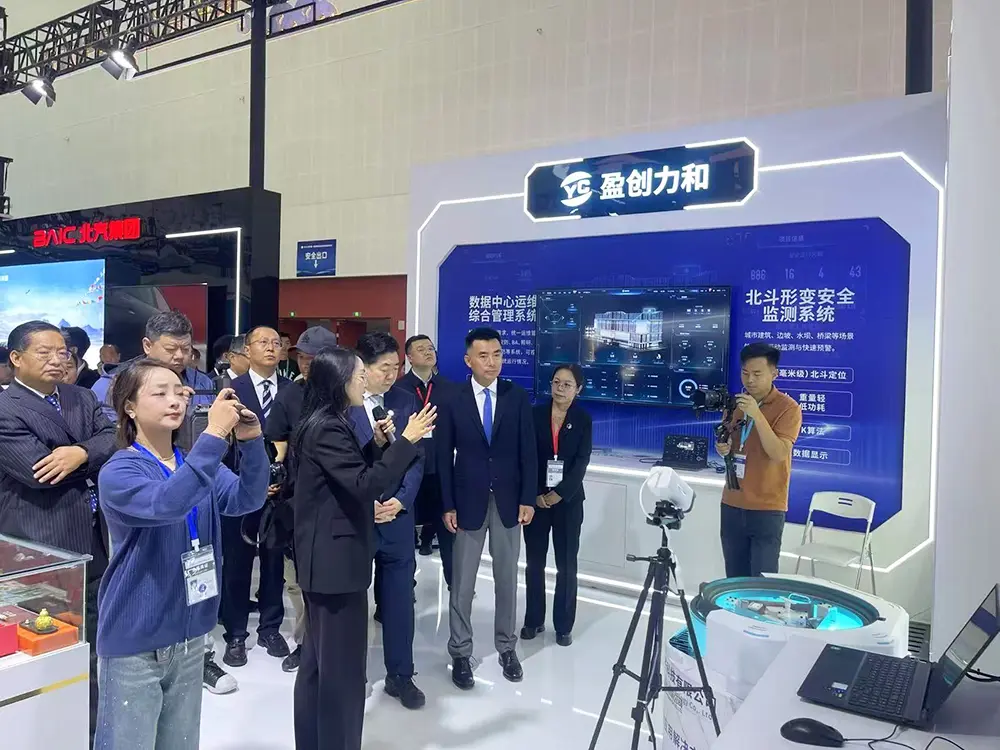
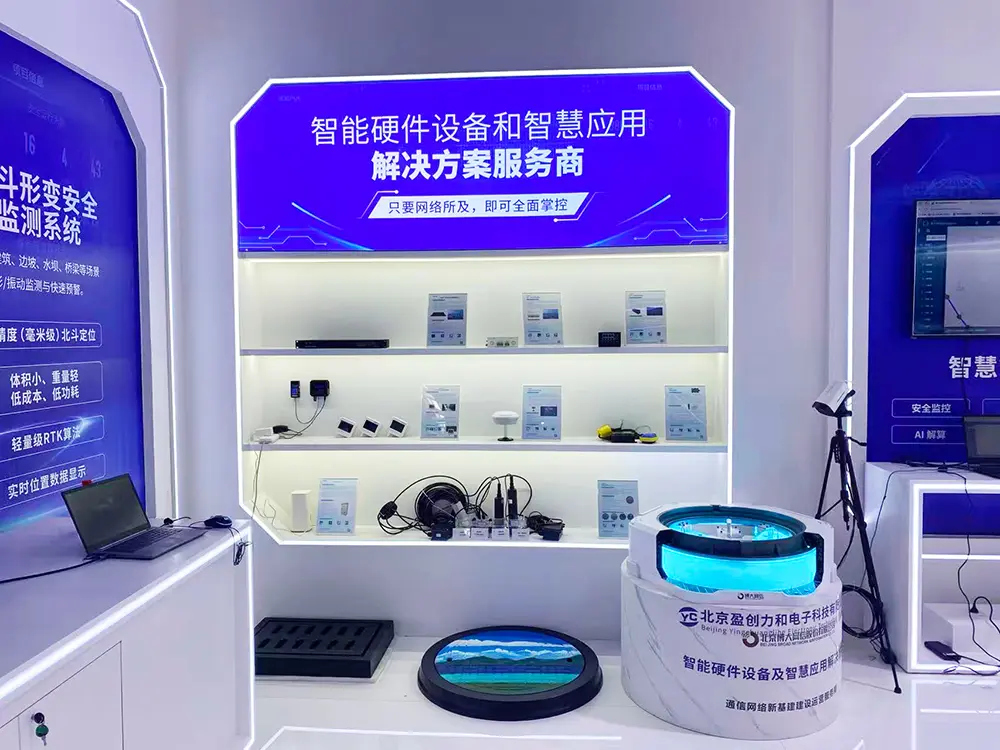
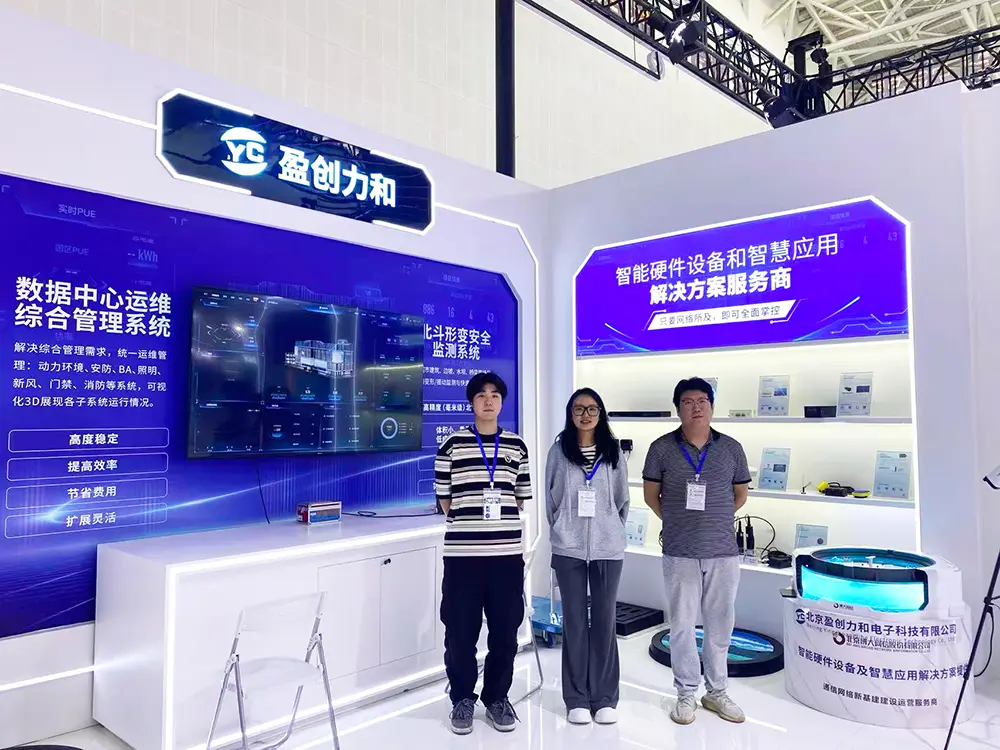
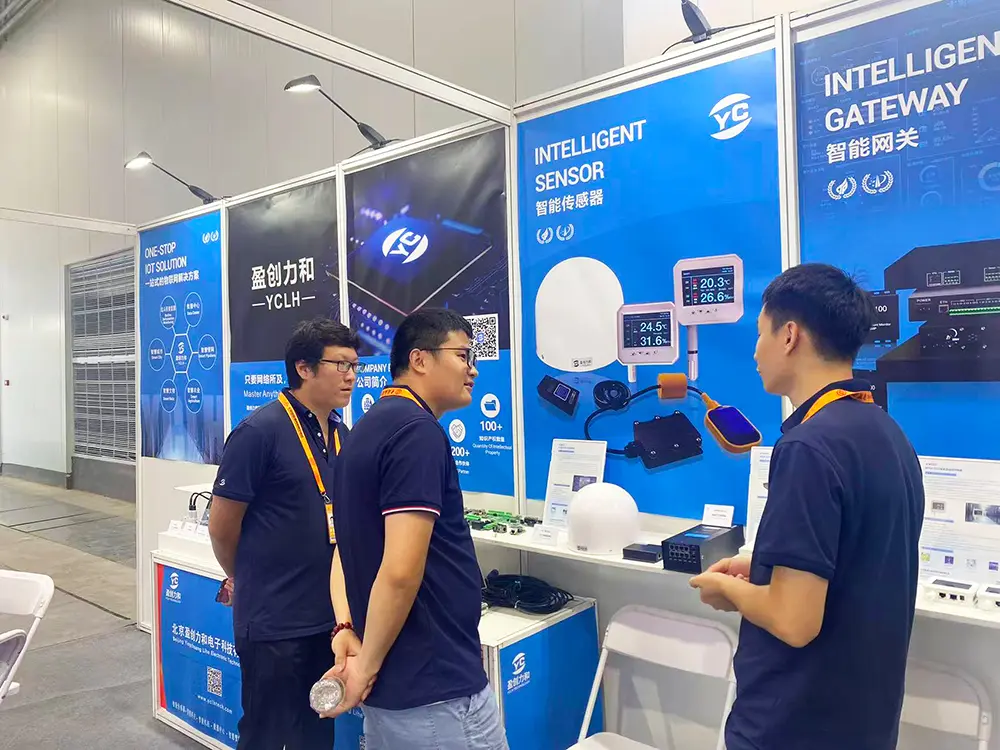
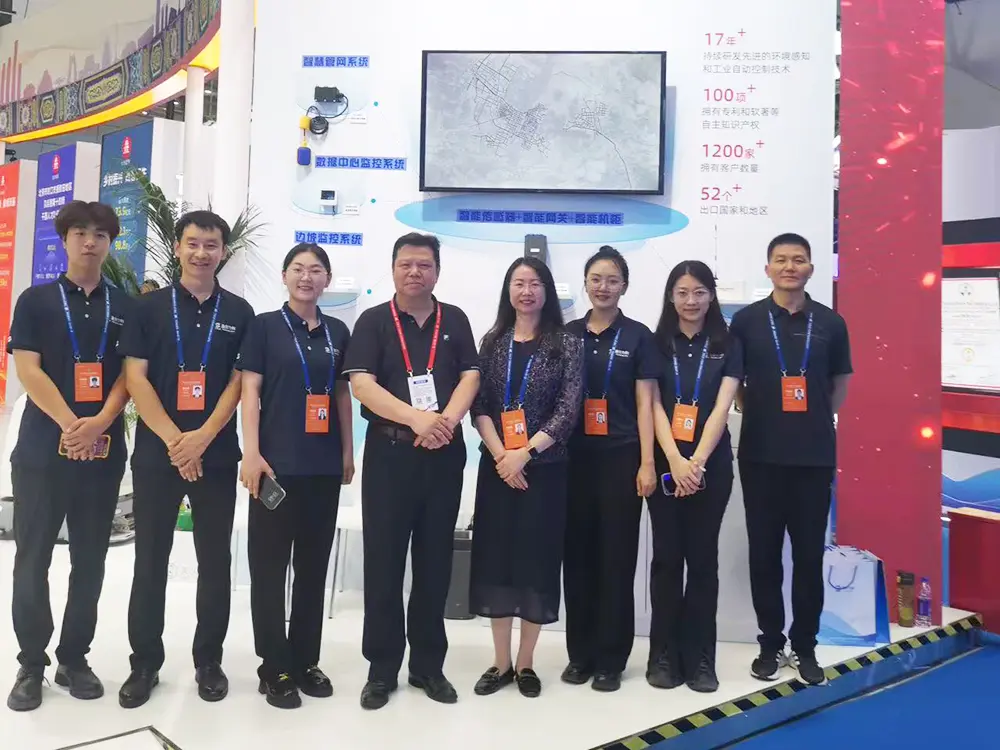
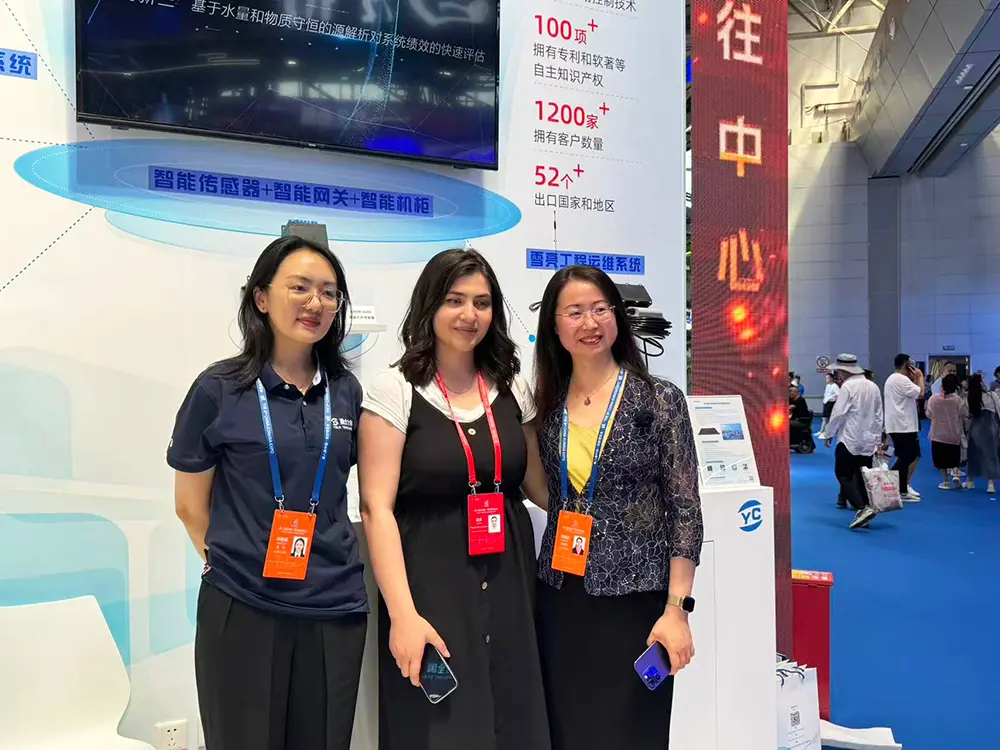
Yingchuanglihe maintains certified quality management processes and regularly showcases environmental monitoring systems worldwide.
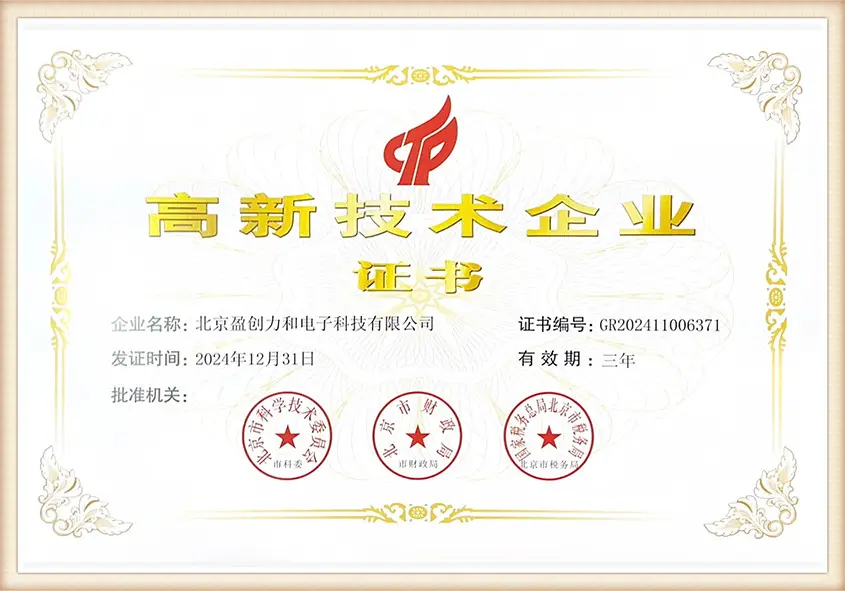
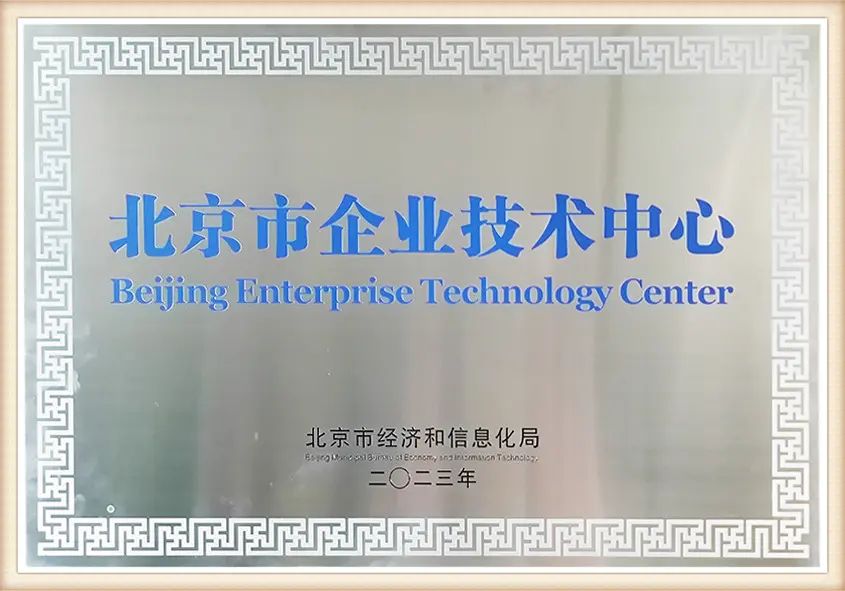
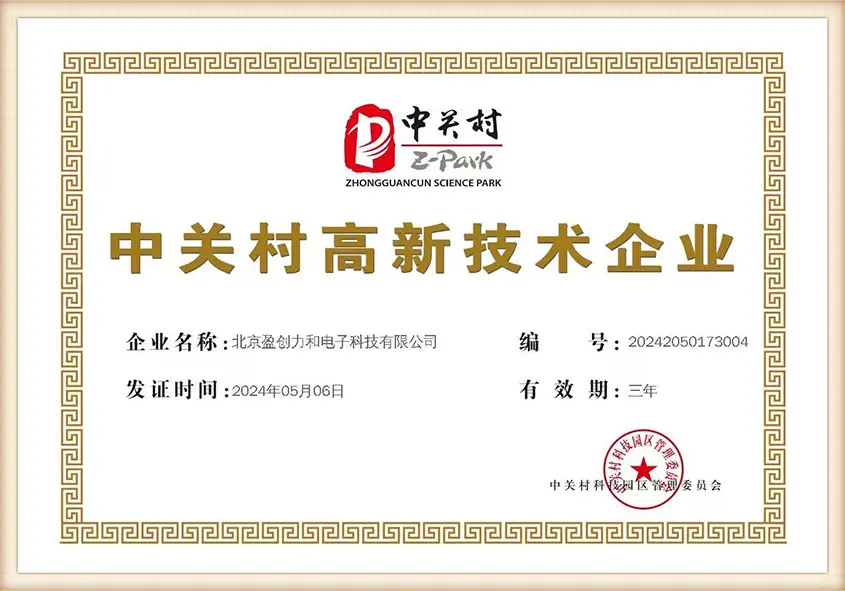
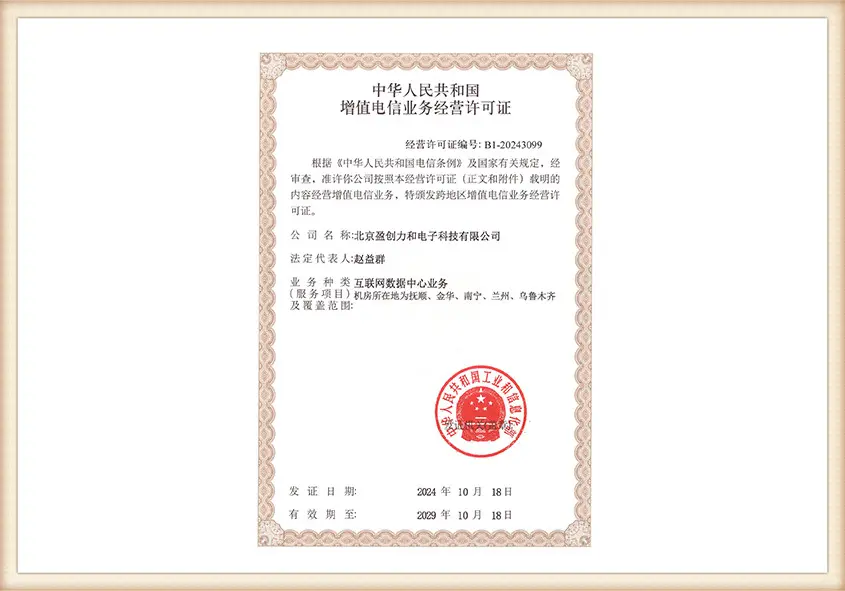
Direct, detailed engineering answers to the most common telemetry integration and configuration questions.
A: Standard Ethernet PoE chips produce heat, which can raise internal device temperatures by 1.5°C to 3°C depending on network activity. Yingchuanglihe solves this with physical chamber isolation. Our sensor elements are isolated from the warm network board, and we apply firmware temperature offsets to maintain ±0.3°C accuracy.
A: For sealed chambers, we recommend the APEM-5930E Ethernet Sensor with Optional Probes. This separates the network module from the sensor probe using a 1-3 meter shielded cable, protecting the controller electronics from extreme conditions.
A: Our industrial data loggers include local memory storage. If the network connection drops, the sensor stores data internally. Once the Ethernet connection is restored, stored records sync back to the database automatically.
A: Yes. The APEM-5930G Multi-Parameter Series tracks climate parameters alongside up to 5 additional gases (such as TVOC, Ozone, Carbon Monoxide, Formaldehyde, SO₂, NO₂, O₂, and H₂S) in a single housing, using one Ethernet connection.
A: Standard temperature and humidity parameters require recalibration every 12 to 24 months, depending on environment severity. Gas-specific sensors (like electrochemical O₂ or TVOC) should be calibrated every 6 to 12 months using Modbus TCP command sets.
Select configurations by matching model numbers and parameters. Connect with our engineering department for custom options.
Features optional modular probes for high-accuracy local measurement across industrial racks.
View Details
Designed for building ventilation control. Wall-mountable chassis with direct Modbus TCP access.
View Details
High-performance carbon monoxide tracking with onboard memory logger and configurable thresholds.
View Details
Multi-parameter integration including CO, temperature, and relative humidity monitoring.
View Details
Equipped with external Swiss sensor chip modules for precise environmental tracking.
View Details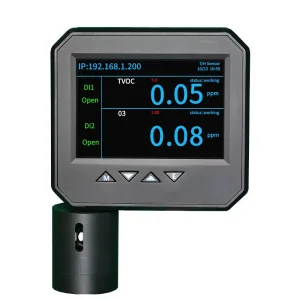
All-in-one safety detector monitoring ozone and volatile organic chemicals over Ethernet.
View Details
Tracks SO₂, NO₂, temperature, and humidity for advanced environmental monitoring.
View Details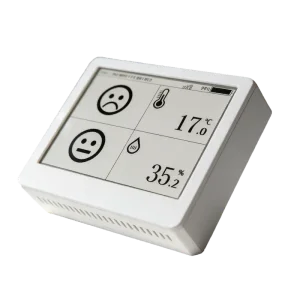
Long-range wireless transmitter with low-power battery design for extensive facility monitoring.
View Details YCLH Sensor